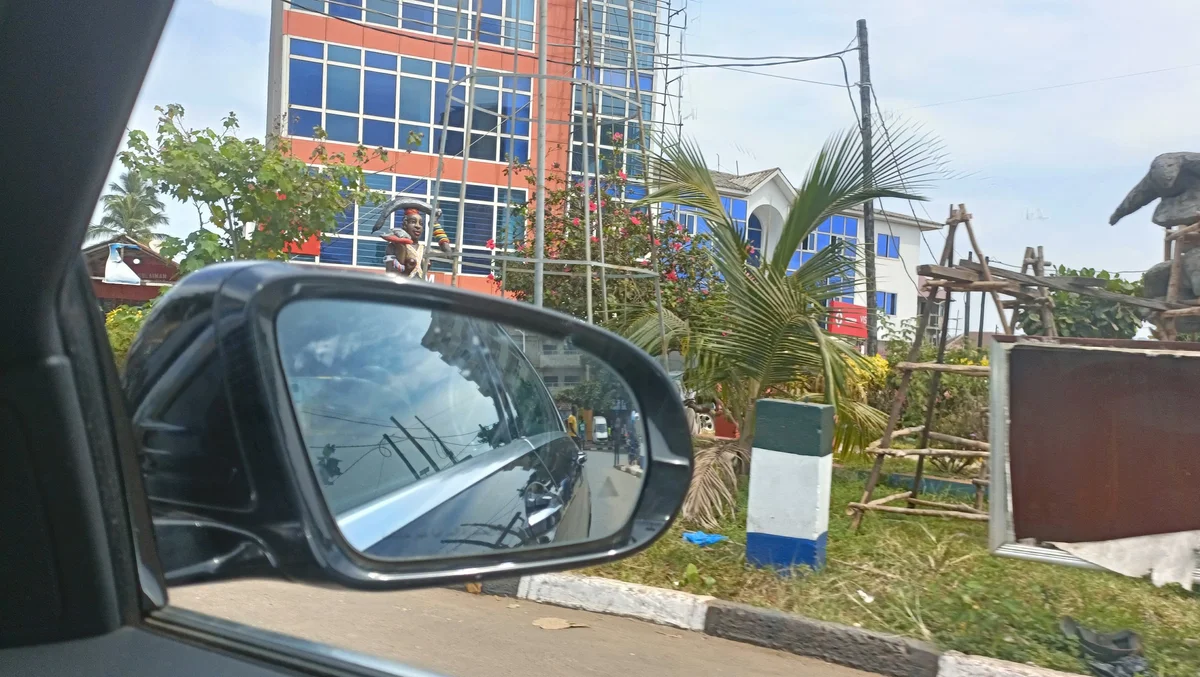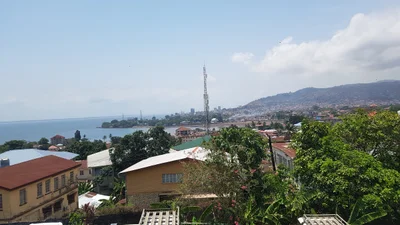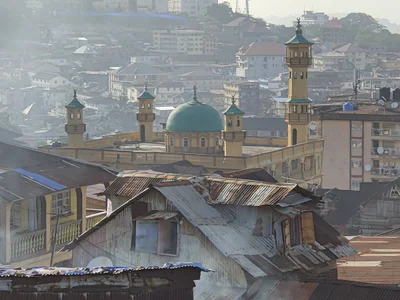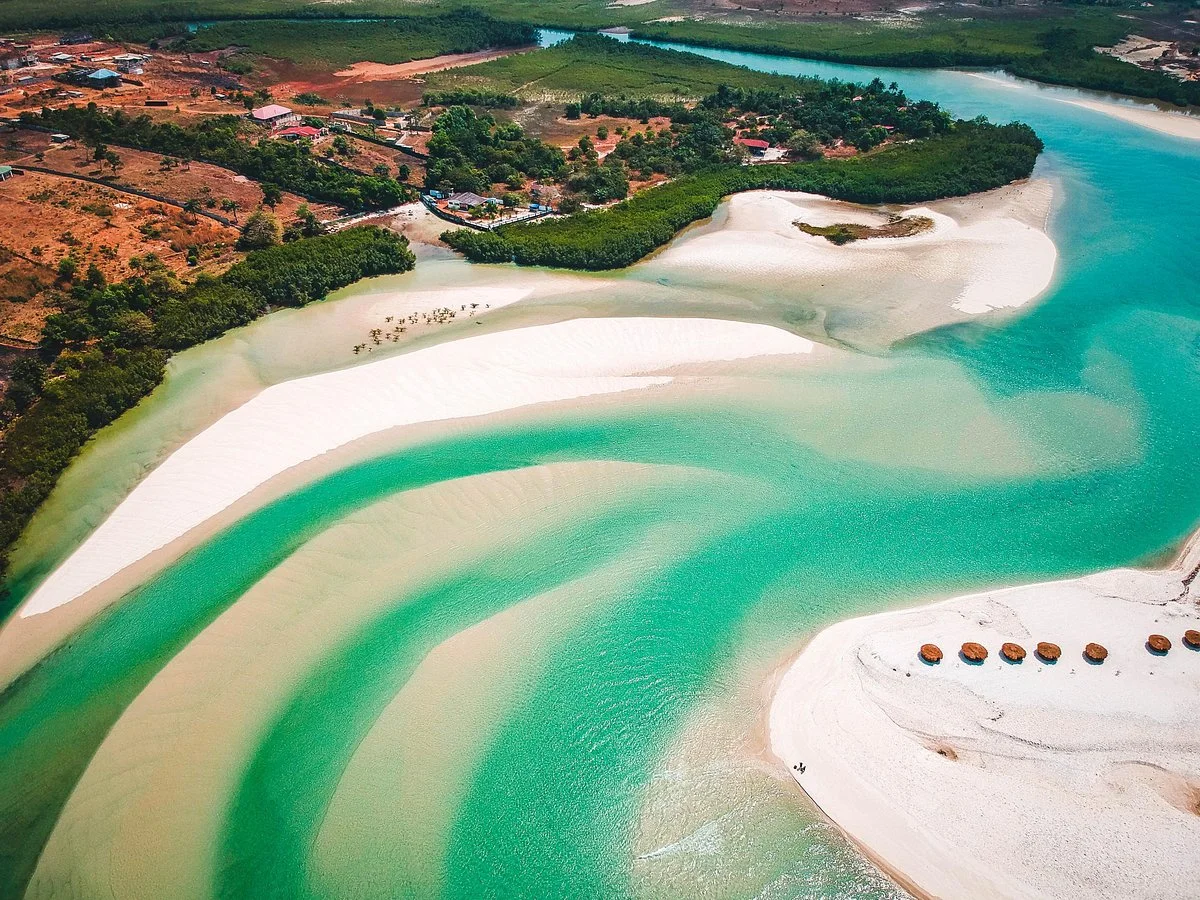
Freetown is the capital and largest city of Sierra Leone. It is a major port city on the Atlantic Ocean and is located in the Western Area of the country. Freetown is Sierra Leone's major urban, economic, financial, cultural, educational and political centre, as it is the seat of the Government of Sierra Leone. The population of Freetown was 1,055,964 at the 2015 census.The city's economy revolves largely around its harbour, which occupies a part of the estuary of the Sierra Leone River in one of the world's largest natural deep water harbours.
Although the city has traditionally been the homeland of the Sierra Leone Creole people, the population of Freetown is ethnically, culturally, and religiously diverse. The city is home to a significant population of all of Sierra Leone's ethnic groups, with no single ethnic group forming more than 27% of the city's population. As in virtually all parts of Sierra Leone, the Krio language of the Sierra Leone Creole people is Freetown's primary language of communication and is by far the most widely spoken language in the city.
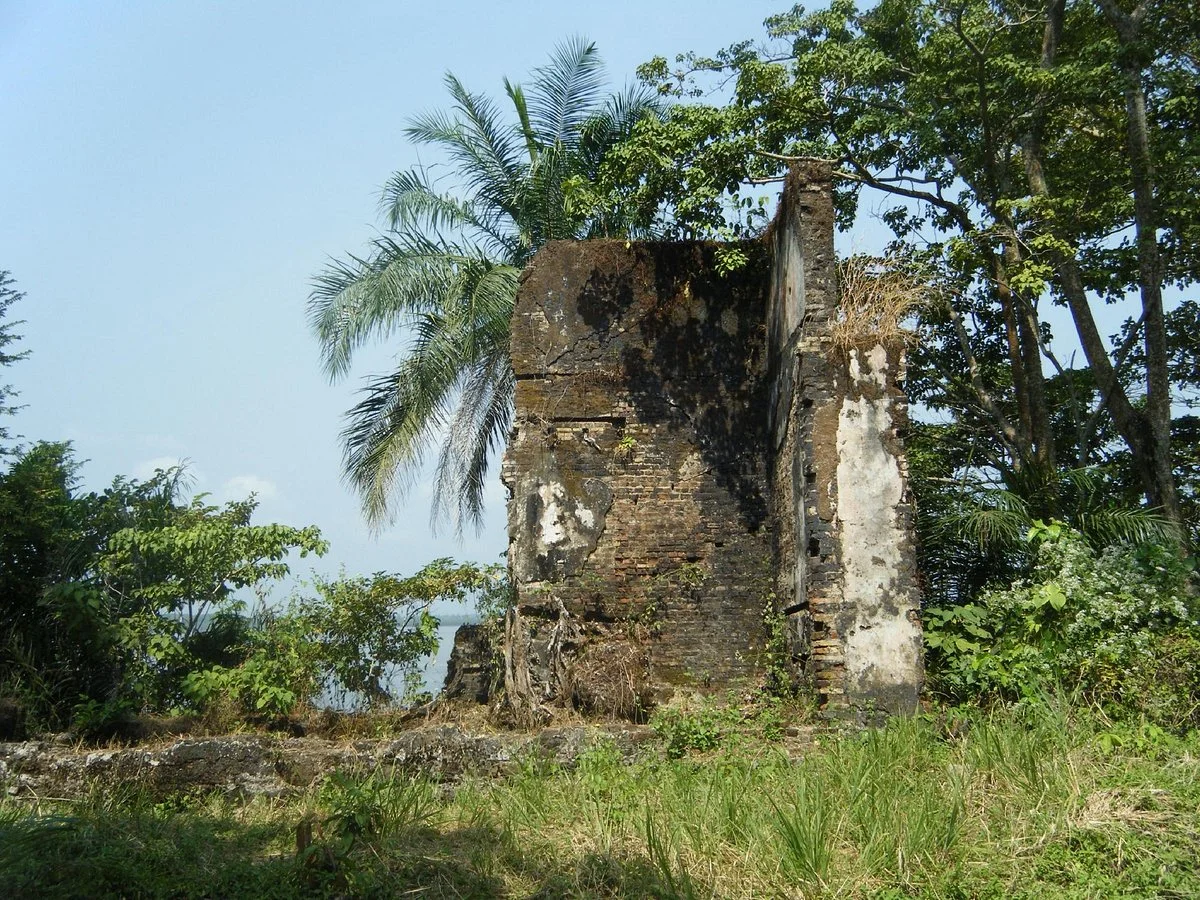
The city of Freetown was founded on March 11, 1792 by 1,196 African Americans under the guidance of abolitionist Lieutenant John Clarkson on March 11, 1792, and the city became a settlement for free and freed African American, Afro-Caribbean and Liberated African slaves. Their descendants are known as the Creole people. Before the arrival of Europeans, the local Temne and Loko people were living in villages on the land near the area that later became known as Freetown.
Freetown is locally governed by a directly elected Freetown City Council, headed by a mayor, who also is directly elected; elections are held every four years. The mayor of Freetown is Yvonne Aki Sawyerr, who was sworn in on May 11, 2018, after her victory in the 2018 mayoral election; she was re-elected in 2022.The Freetown city council has its own municipal police force.
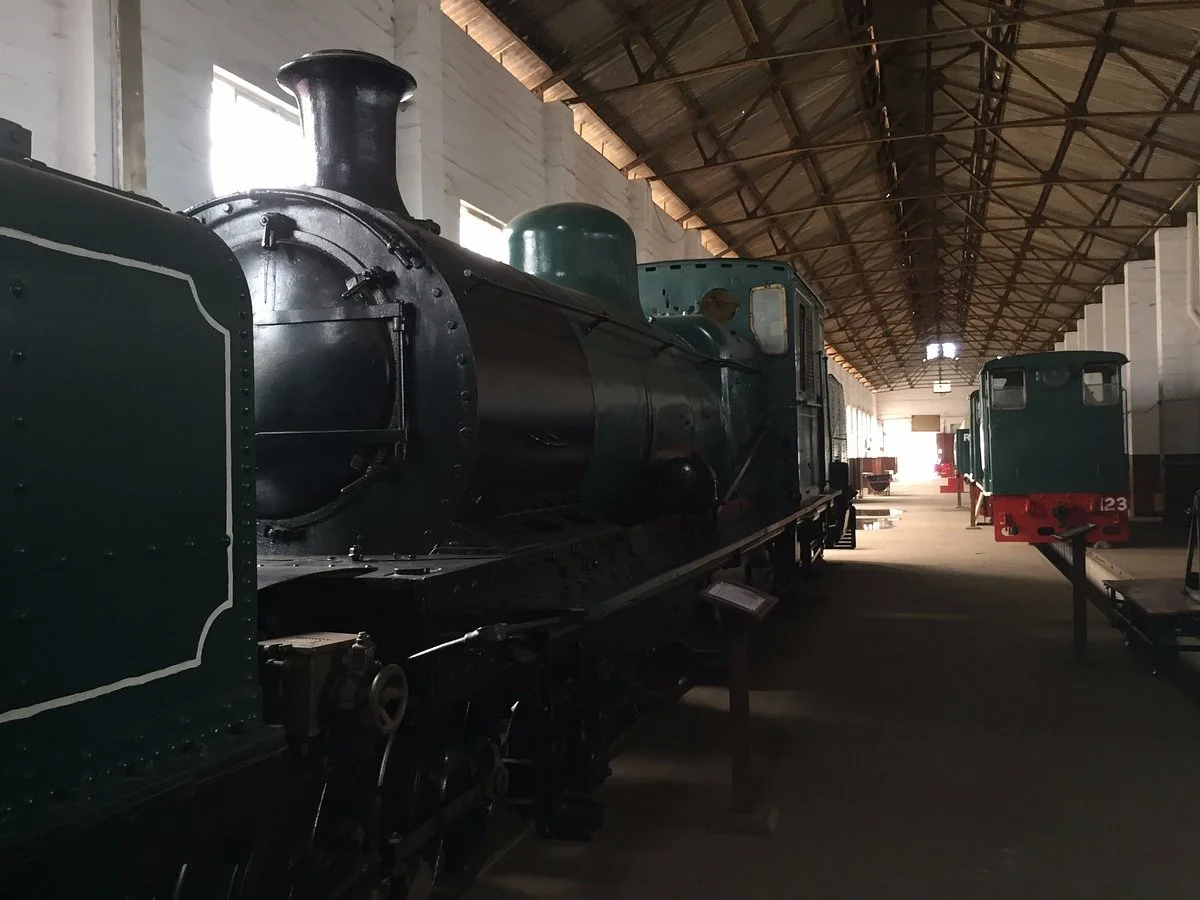
Many of Freetown's attractions are underdeveloped and not well publicised. The relatively low numbers of tourists visiting has meant there was not adequate incentive or financial reward for developing them. However, there are many hidden gems that can be well worth finding. It is not unusual to be the only visitor to some of them.
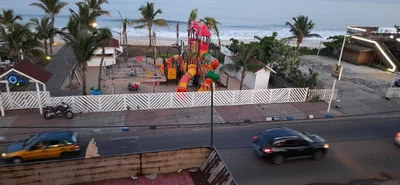
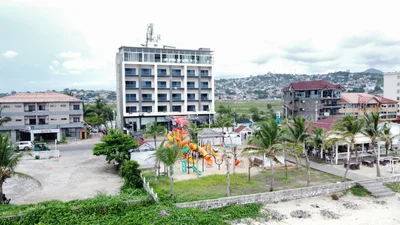
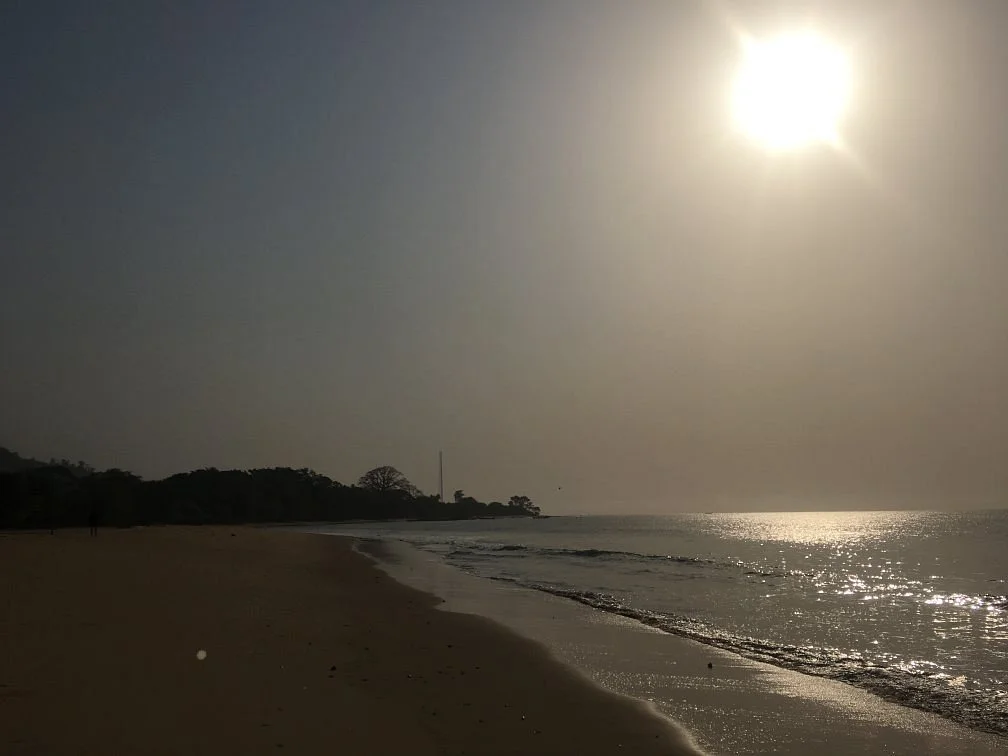
A visit to the Aberdeen district will give a break from the busy city centre. It's a short drive from any part of Freetown by car or taxi. The roads are now very good, but watch the speed bumps on the beach road and Sir Samuel Lewis Road. There are small stalls along the beach road selling 'tourist' fare. There are some more modern shops on the beach road at various points. There are plenty of hawkers on the beach selling sunglasses, fruit, peanuts, clothes, etc. Just behind the Tourist Office is a good craft market and is much less hassle than Big Market.
There are several colonial stilt houses at Hill Station. Most are in a poor state but offer insight into how Colonial Officials lived in the past. Downtown the old board houses are typical Krio architecture showing influence from the Caribbean.
Wilkinson Road is home to many larger businesses and retail outlets. Also some of the more popular restaurants.
Freetown has a few high-quality restaurants, but very little in the tier below that. Being on the Atlantic coast, some excellent seafood is on offer. Barracuda, grouper, and lobster are readily available. Freetown has a large Lebanese community. Consequently, some very good Lebanese food is available at most restaurants. Following the opening of an ice-cream factory, ice cream cafés are becoming popular.
Apart from the hotels and restaurants, there are many bars along the beach road.
There are countless small bars along every street, often catering for just a handful of customers.
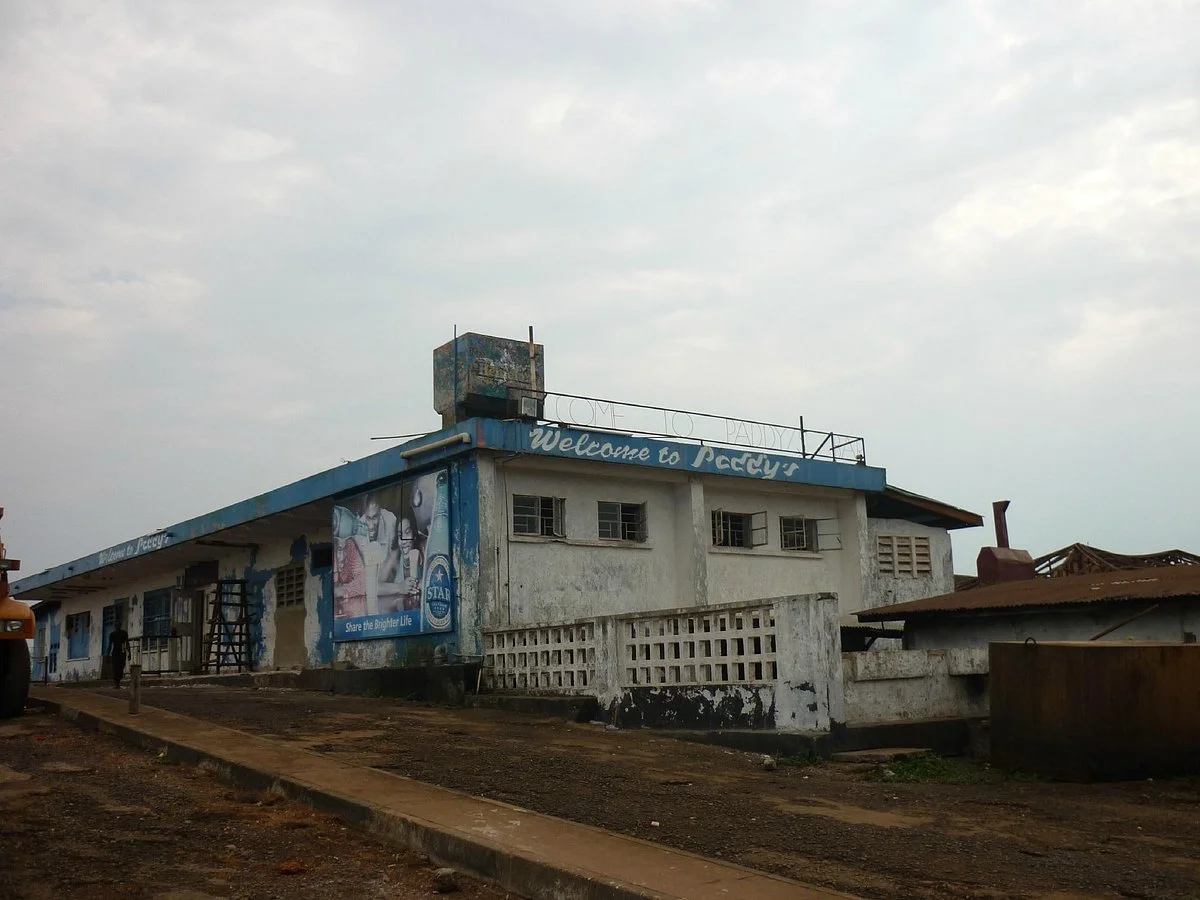
A former "must-see" for any visitor was Paddy's on the road into Aberdeen which was renamed as Quincy's. This bar was famous and was the only place to be consistently open during the war. Now only the derelict entrance remains and is likely to be replaced with an apartment block. Star beer is available on tap in better bars. Also worthy of a visit is the Hill Station Club at Hill Station. This old gentleman's drinking club was looted during the war, but the building survived and the bar will be opened for visitors. If you are lucky you will be allowed to see the snooker room, where the tables appear untouched for many years and old champions' names are still on display.
On Sir Samuel Lewis Road (same as Paddy's) there is also a small local pub, called Tribes, with a pool table.
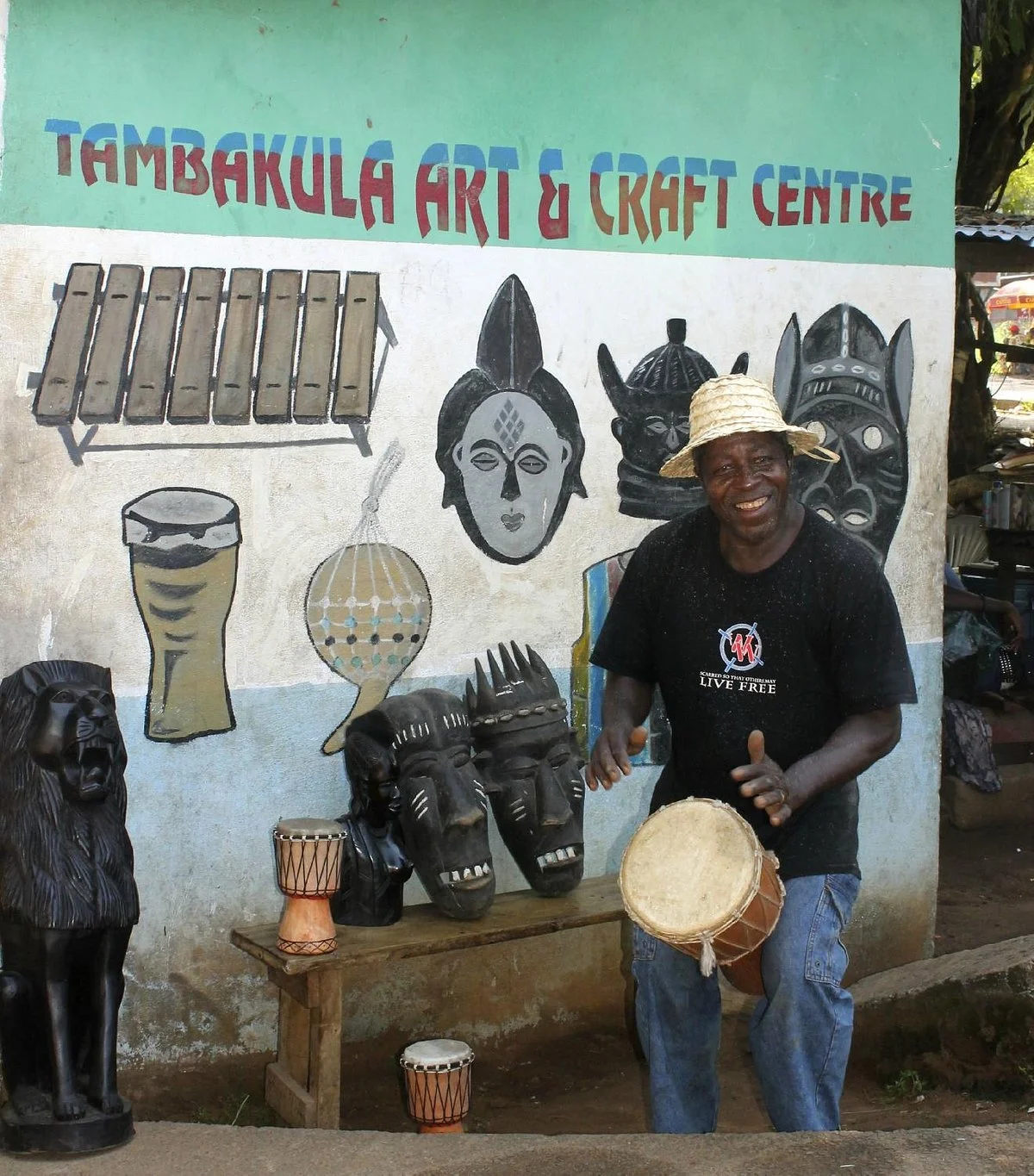
Local crafts are relatively expensive and little is unique to Sierra Leone (some items on offer not actually made here) except country cloth, gara (tie-dyed) cloth, batik pictures and wood carving.
Freetown has some high standard hotels. All in the splurge section will offer air conditioned rooms with power available 24 hours per day. Hotels in the Aberdeen area are closest to Lumley beach. There are very few options in the main part of the town itself. During the busiest time of the year (December–March) it can be hard to find a room in the better hotels. Booking ahead is advised.
Freetown, like the rest of Sierra Leone, endured some very difficult times during the civil war. It was occupied by rebels twice and the resident population and infrastructure suffered badly. As stability returned, many Sierra Leoneans fled the rural areas to the city to escape the carnage.
Though the country has been peaceful since 2002, the population of the city is still much higher than it was prior to the war. This has put pressure on land and local services. Many areas of jungle have been cleared to house the new residents. Some claim that the US government has not helped the situation with their new embassy development at Leicester. Some blame the new developments for severe flooding of the city during the rainy season. Deforestation has also been blamed for a shortage of water in the city.