Two rivers
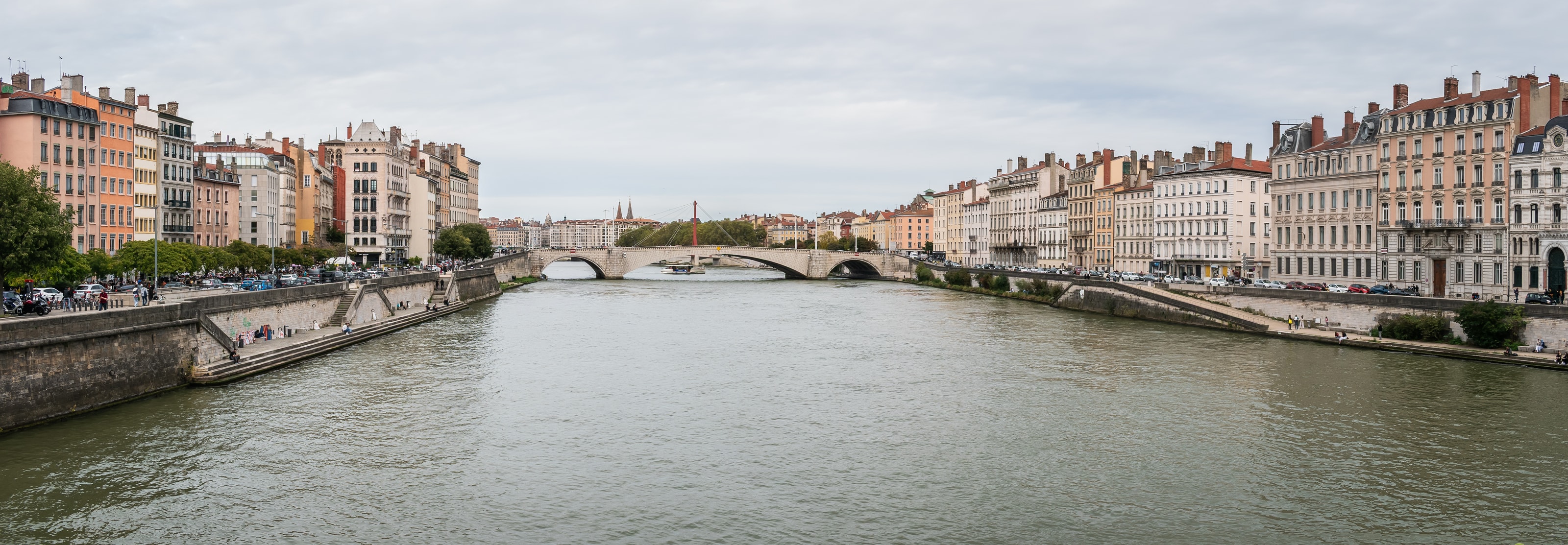
Lyon, Two Rivers, One City
Follow the Saône, cross towards the Rhône and give the confluence its own interval. Lyon's waterways offer a route through an inhabited historic city and its contemporary ambitions.
8 min read
Issue 005 · 18 November 2026
Twelve cities seen through their rivers, working shores and the spaces made beside them.
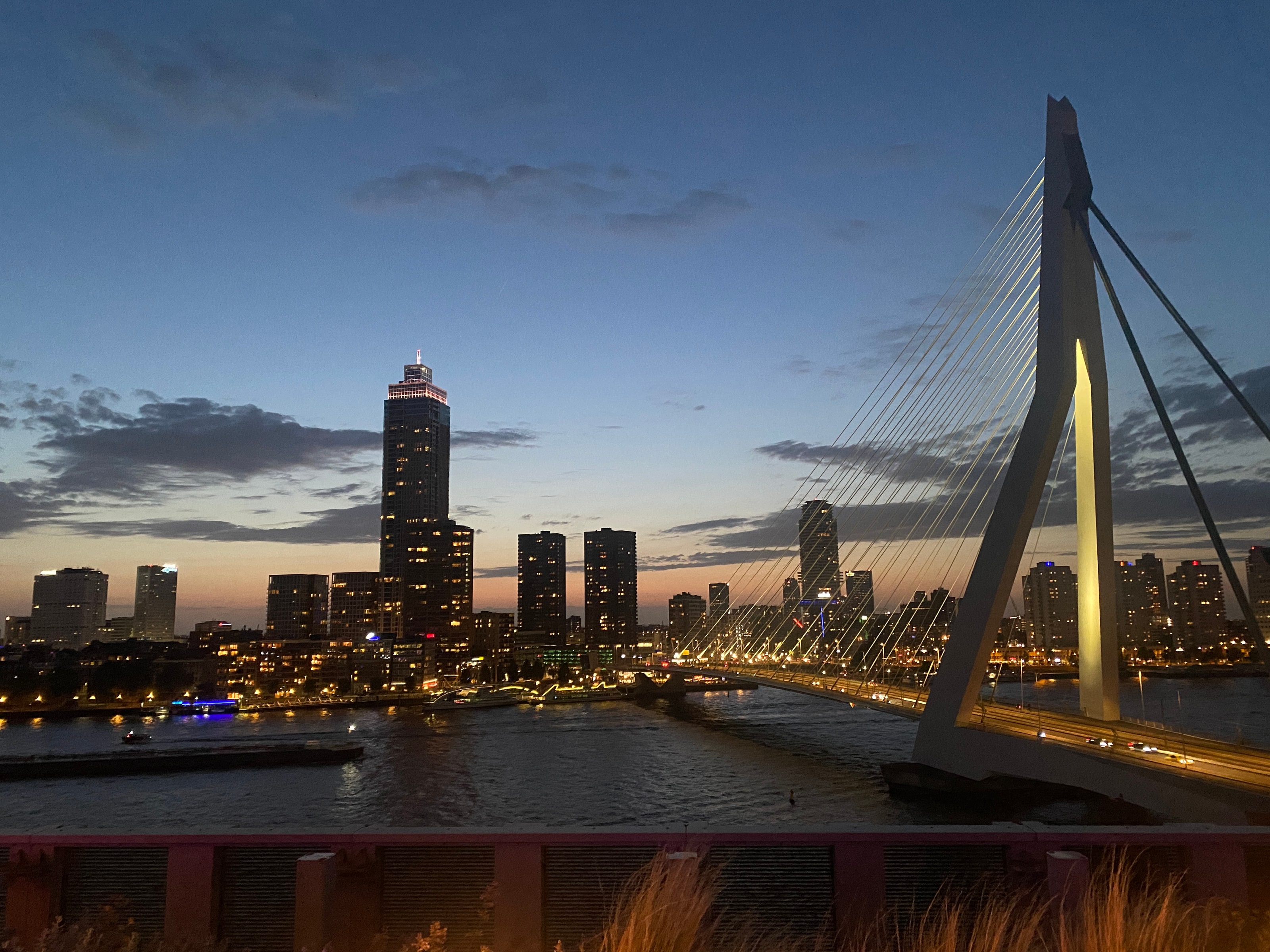
Read the cover storyA river on a city map can look like an empty space: a blue strip between the streets where the journey will happen. This issue starts with the opposite proposition. The water is part of the journey, and the decisions made around it can tell us as much about a city as its monuments. In Rotterdam, that means looking beyond the bridge on our cover to a square designed to hold rain. In Utrecht, it means noticing the difference between the street and the wharf below. Hamburg’s tide, Pittsburgh’s confluence and Brisbane’s ferry routes ask different questions of the same apparently simple act: standing beside a river and looking across. These are not twelve versions of a waterfront walk. Some edges were built for trade; others have become places to sit, meet or move through. In Suzhou, water belongs to an intricate urban fabric. In Osaka, the riverbank offers a way into a city too often reduced to its busiest signs. Luang Prabang sits between rivers that cannot be understood merely as a picturesque border. The distinctions matter more than the resemblance. Aswan makes that especially clear. The story of rescued monuments is remarkable, but it cannot stand in for the whole history of Nubia. Elsewhere, Montevideo’s broad estuary and Perth’s Swan River bring us to public places whose meaning depends on more than the view. Lyon’s two rivers, meanwhile, remind us that even within one city there need not be a single waterfront character. We have treated photographs as dated records, not promises about the weather or the scene awaiting the next visitor. The practical boxes are starting points, too: ferries, access arrangements and exposed paths still require current local checks. A place does not become less interesting because its conditions are changeable. Our invitation is to give these edges some attention without asking them all to offer the same thing. Look at what connects the two banks, what is protected from the water, and what has been given room to flood. Notice who uses the shore. The view is a beginning; the city continues beyond it. The Rivileo Editors
Follow the Saône, cross towards the Rhône and give the confluence its own interval. Lyon's waterways offer a route through an inhabited historic city and its contemporary ambitions.
8 min read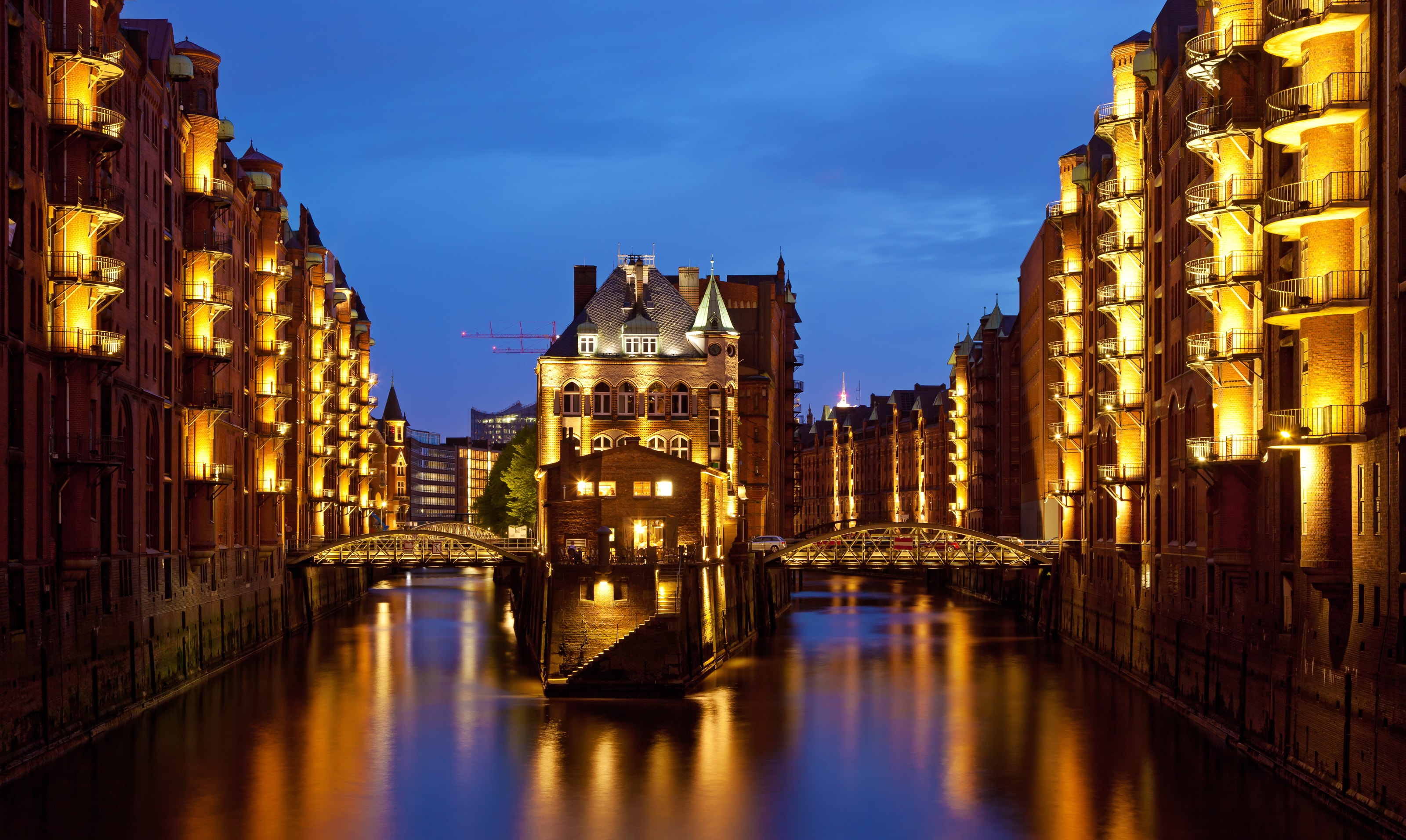
Speicherstadt's brickwork and canals tell a commercial story, while the Elbe sets practical conditions. A considered visit keeps heritage, public transport and the tide in the same frame.
8 min read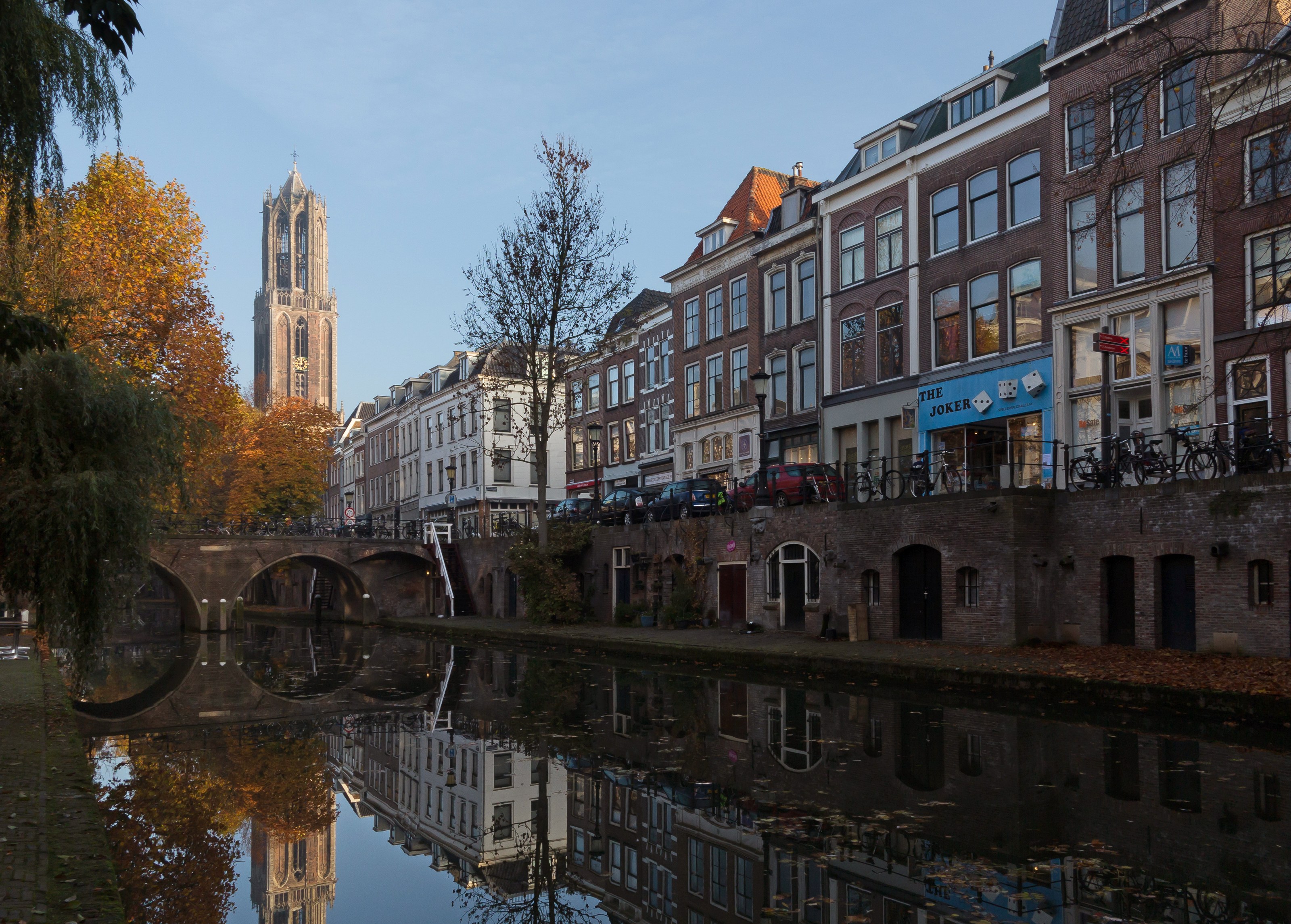
Below the Oudegracht's pavements, another frontage meets the water. Utrecht's wharves reveal a city built in section—and maintained through constant negotiation.
8 min read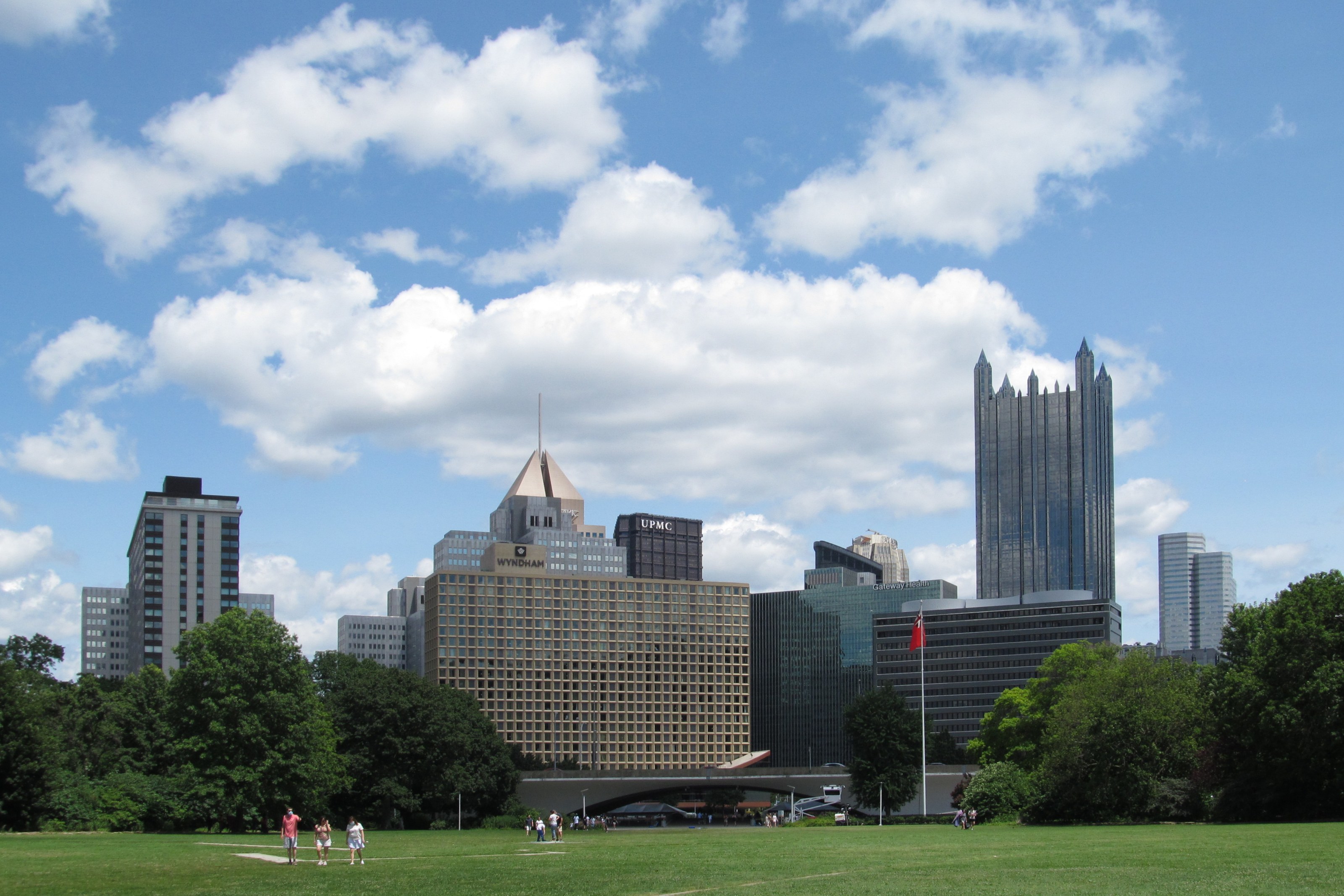
At the Forks of the Ohio, a familiar skyline gains a complicated foreground: contested ground, a remade park and river paths that remain part of the working city.
8 min read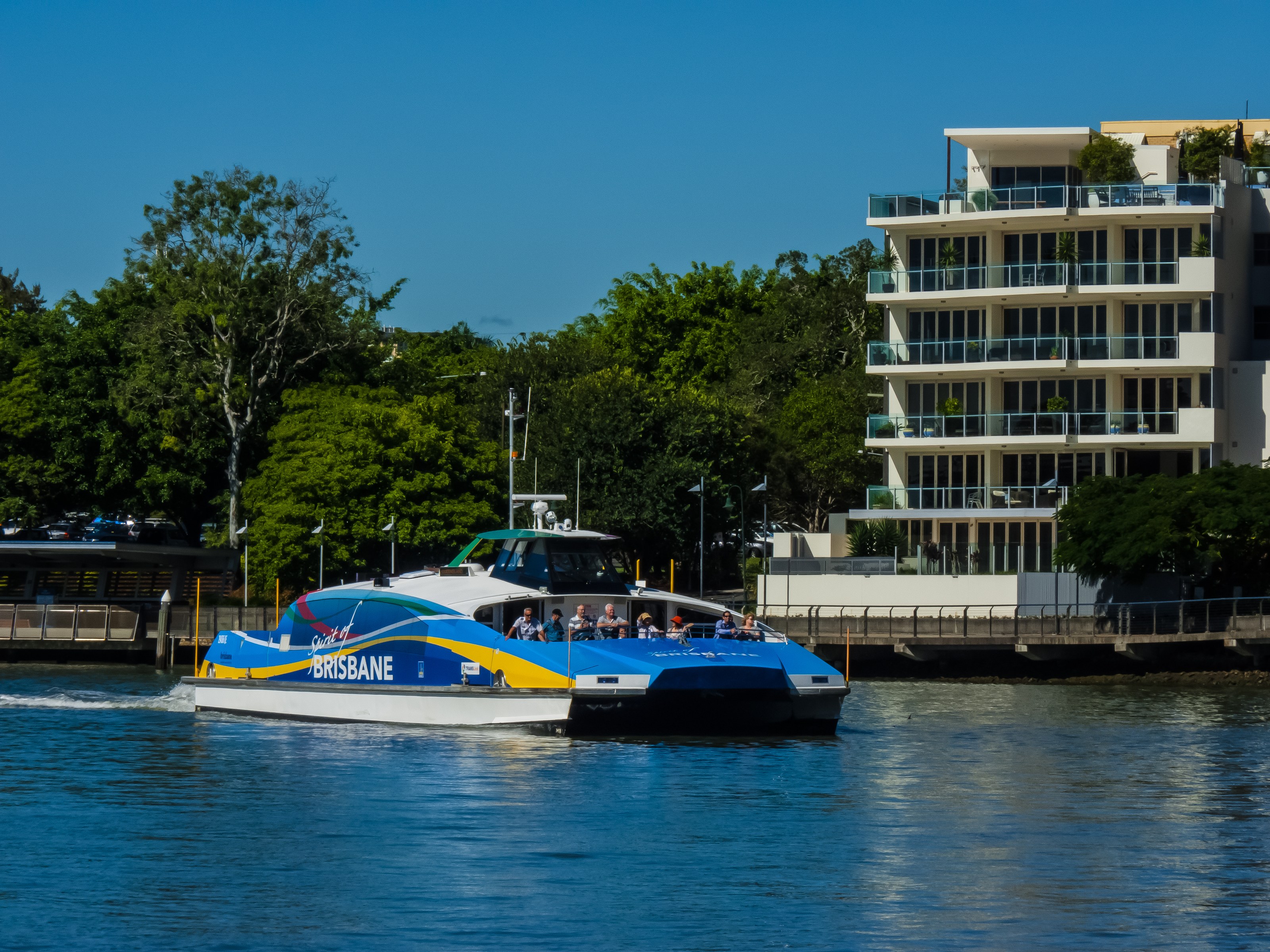
Scheduled ferries and modest riverbank walks offer a useful way into Brisbane: a city whose water carries daily journeys as well as views, and whose edges demand continuing care.
9 min read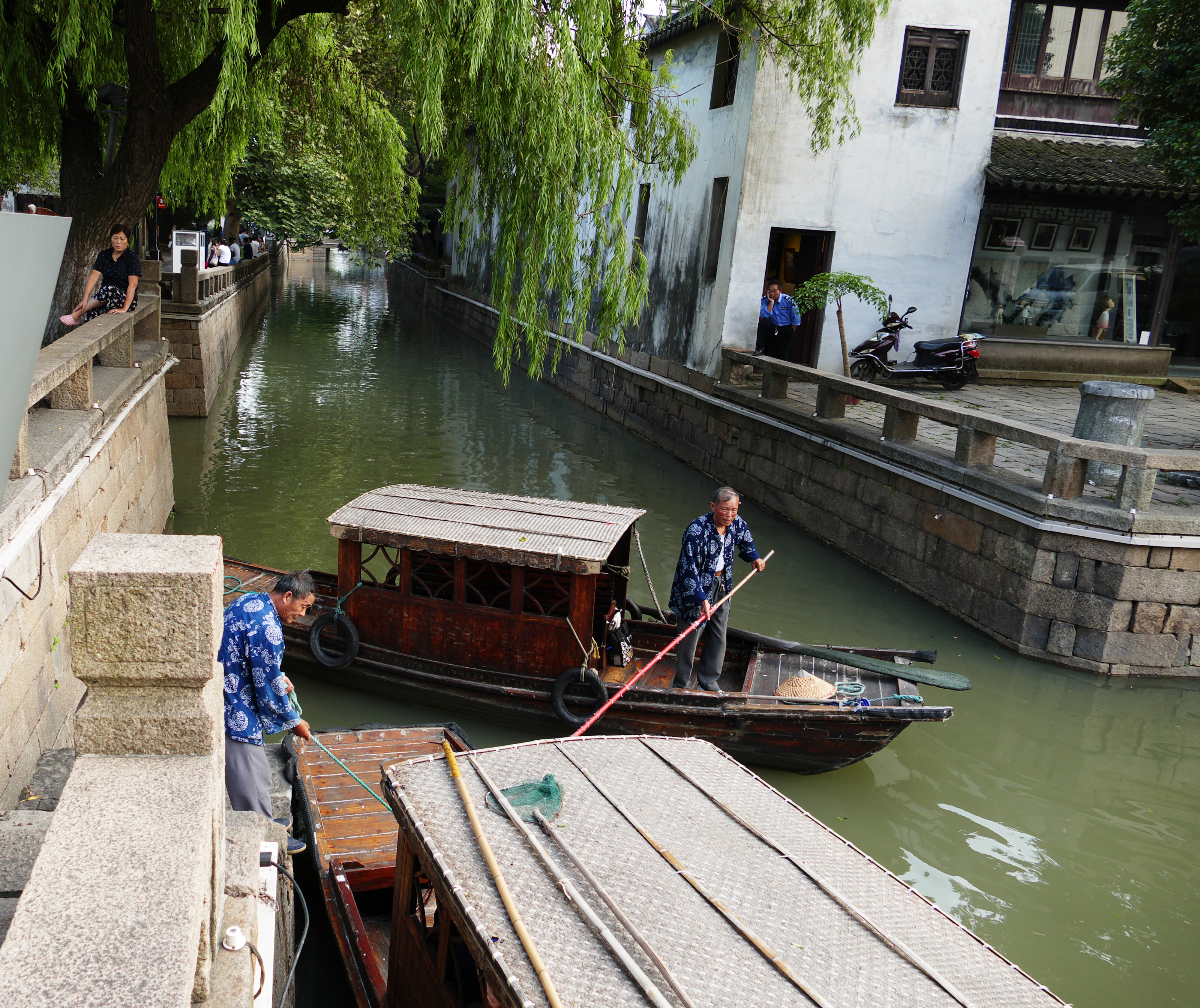
A canal-side neighbourhood and a classical garden reveal two uses of water: one carries the eye through the city; the other asks it to stay.
9 min read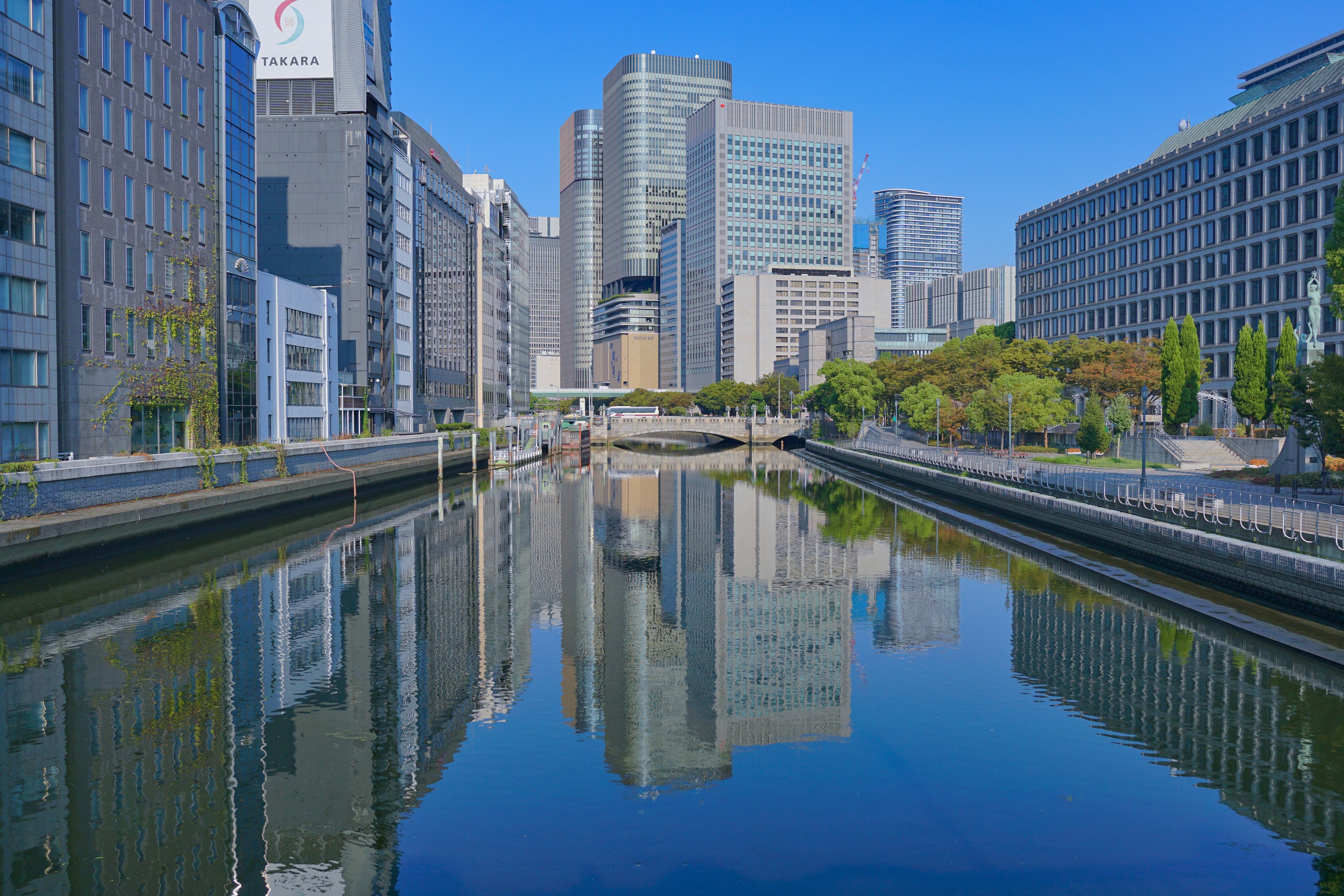
Between the Dojima and Tosabori rivers, Nakanoshima gives Osaka another register: civic architecture, parkland and the space to look across rather than rush through.
9 min read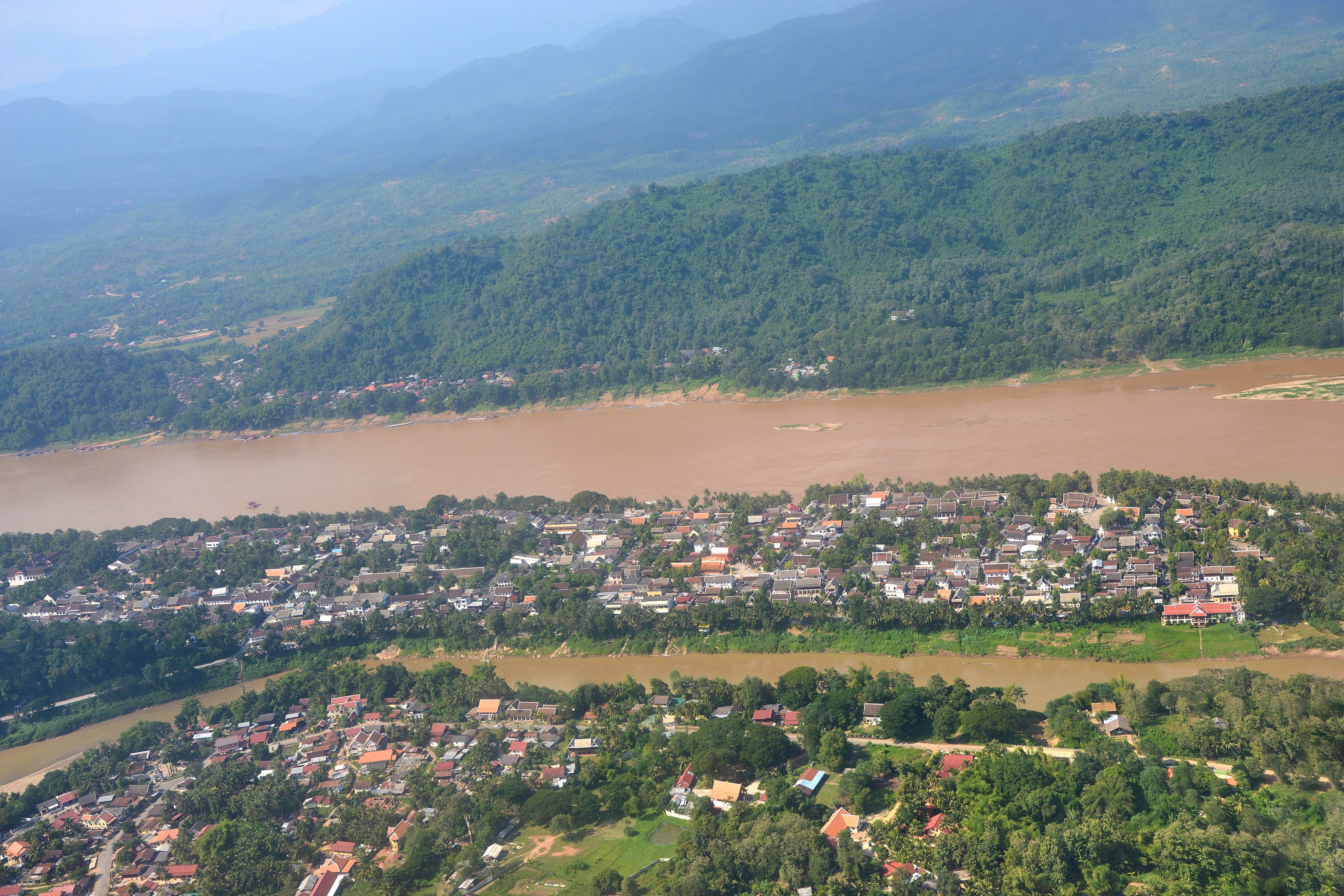
The Mekong and Nam Khan give Luang Prabang a memorable outline. A thoughtful walk leaves room within it for worship, work and the limits of a visitor's knowledge.
9 min read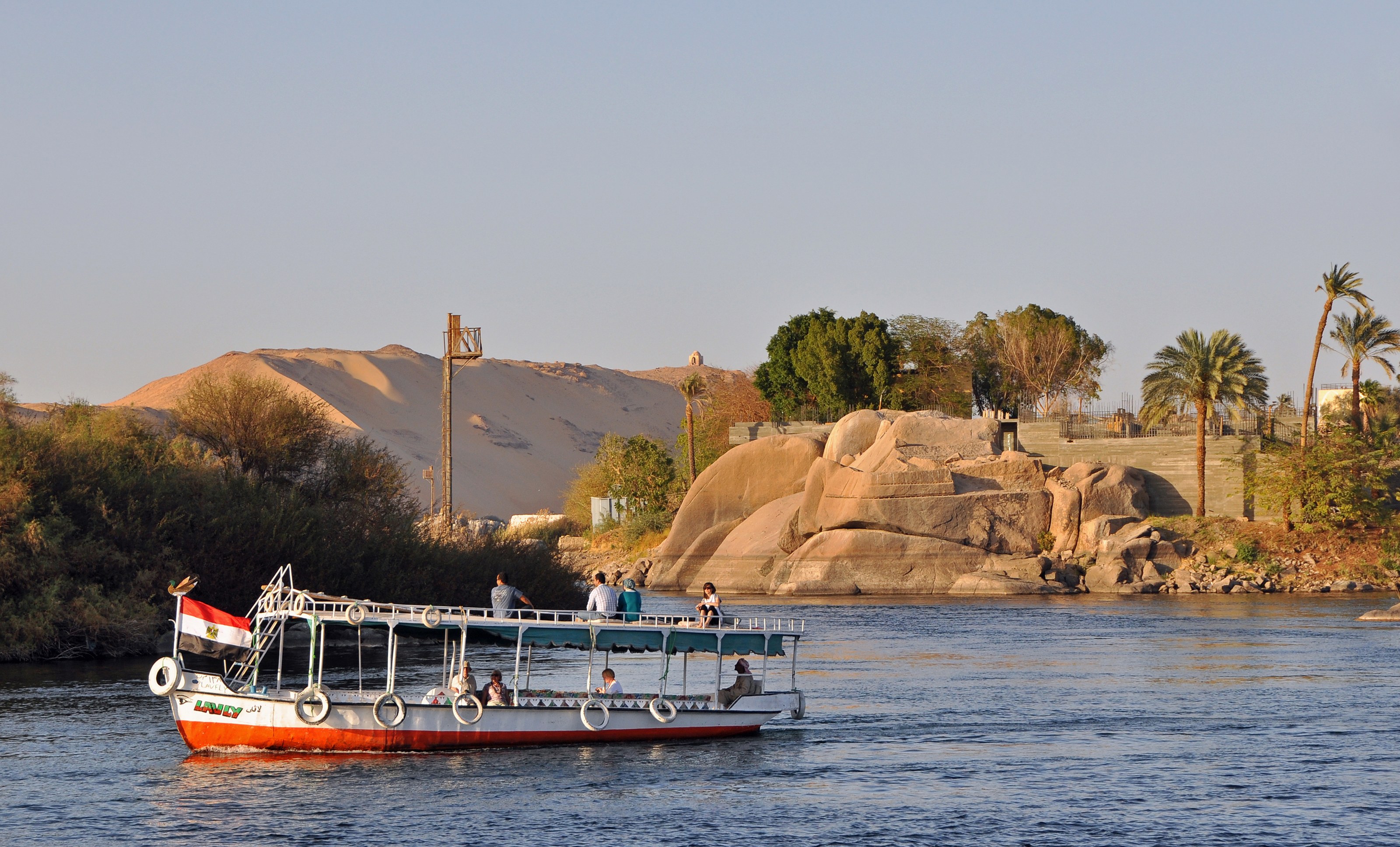
A museum, a relocated temple and a riverbank view reveal an Aswan shaped by choices about water, heritage and what a visitor can responsibly claim to understand.
8 min read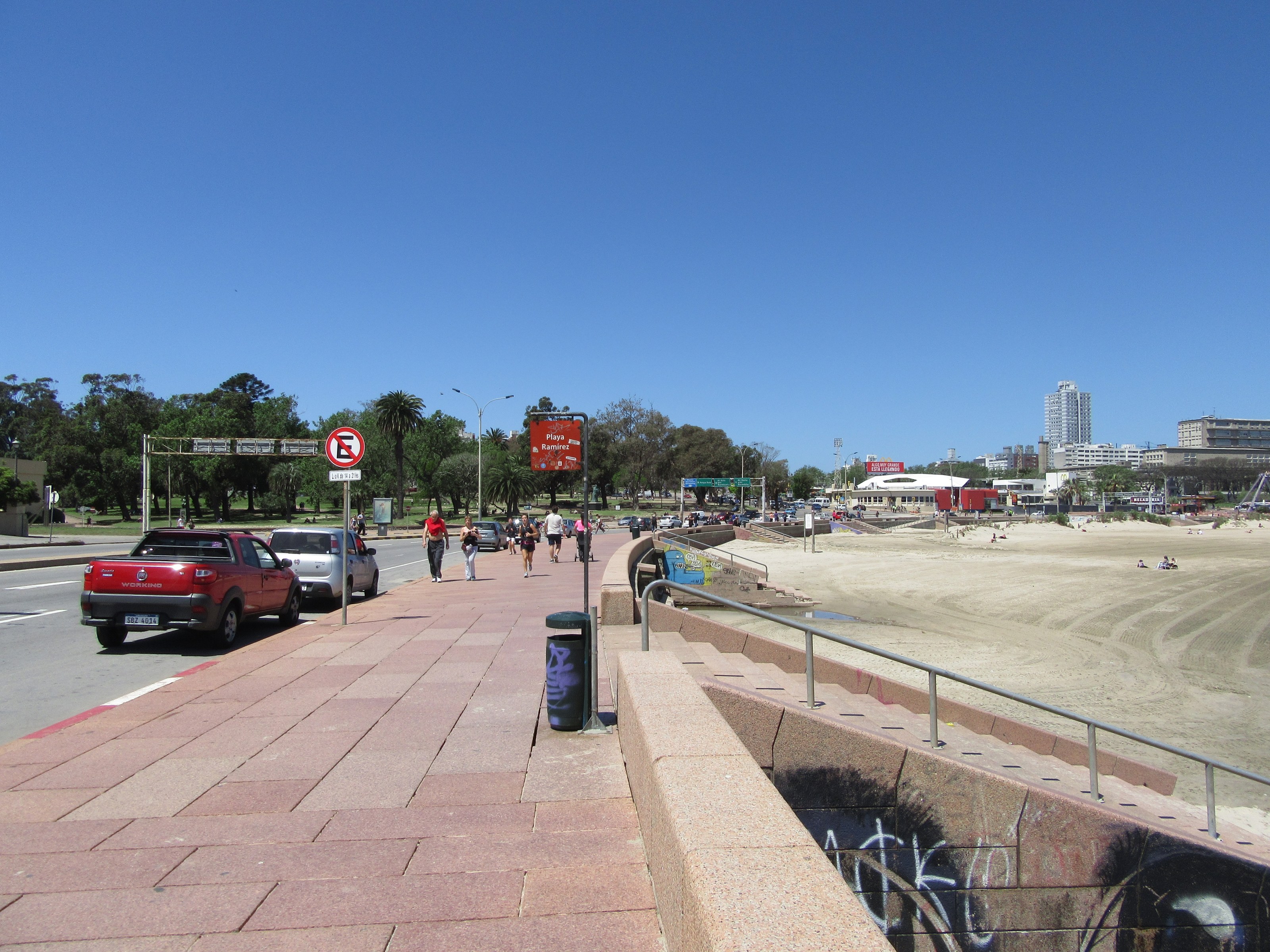
Montevideo's Rambla is more than a line beside the water: it is a constructed urban edge, an estuary frontage and a public space whose pleasures depend on the conditions.
9 min read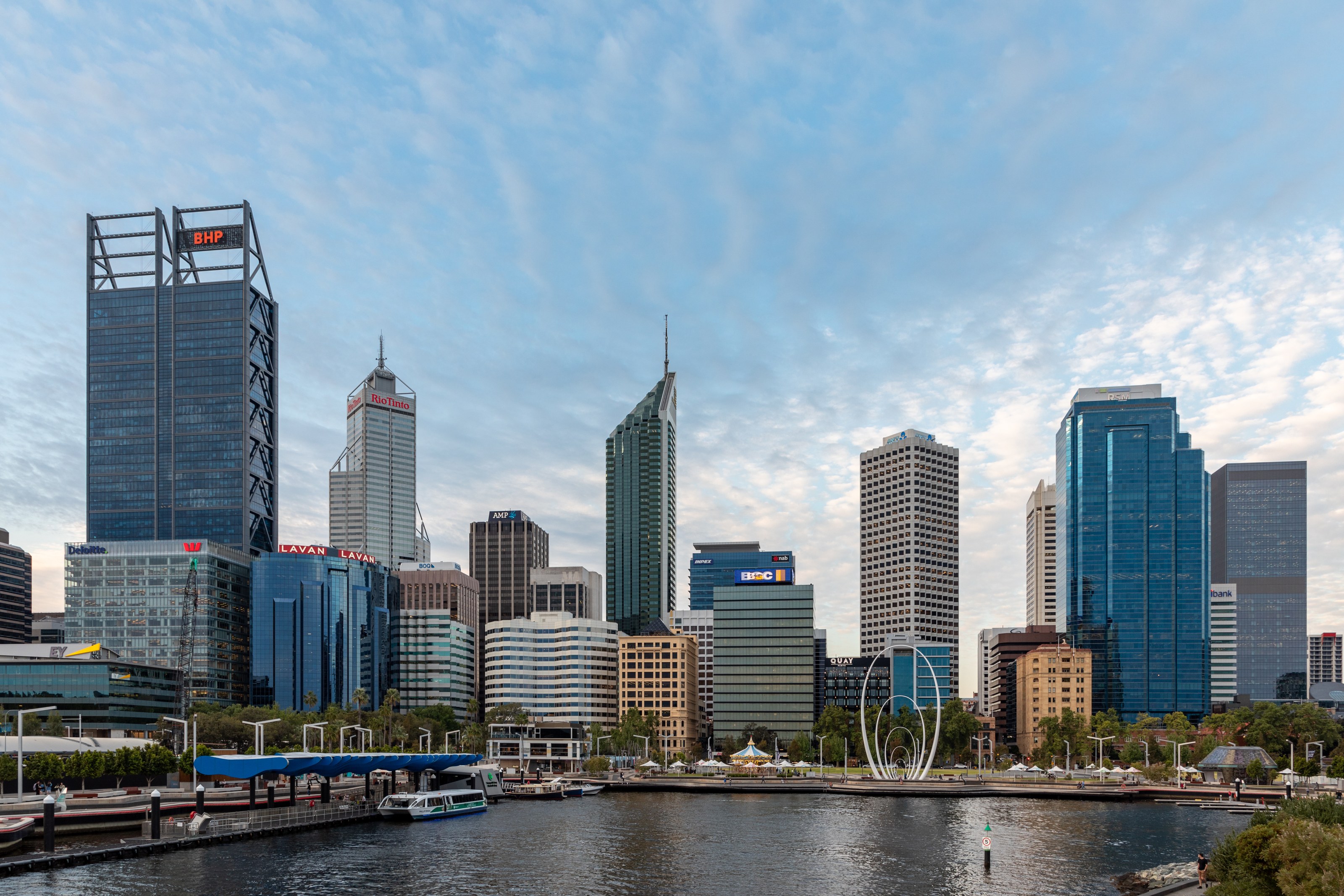
A ferry crossing from Elizabeth Quay to South Perth changes the scale of the skyline and opens a more attentive encounter with the river, Whadjuk Country and Mindeerup.
9 min readDownload the complete A4 edition with a cover, contents, page numbers, and photography credits.
Download the PDF edition