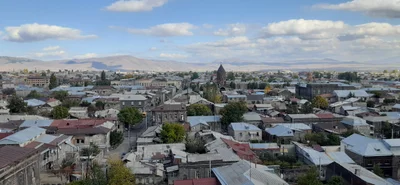
Gyumri (Armenian: Գյումրի, pronounced [ɡjumˈɾi]) is an urban municipal community and the second-largest city in Armenia, serving as the administrative center of Shirak Province in the northwestern part of the country. By the end of the 19th century, when the city was known as Alexandropol, it became the largest city of Russian-ruled Eastern Armenia with a population above that of Yerevan. The city became renowned as a cultural hub, while also carrying significance as a major center of Russian troops during Russo-Turkish wars of the 19th century.
The city underwent a tumultuous period during and after World War I. While Russian forces withdrew from the South Caucasus due to the October Revolution, the city became host to large numbers of Armenian refugees fleeing the Armenian Genocide, in particular hosting 22,000 orphaned children in around 170 orphanage buildings. It was renamed Leninakan during the Soviet period and became a major industrial and textile center in Soviet Armenia. The city's population rapidly grew to above 200,000 prior to the 1988 Spitak earthquake, when it was devastated, with the city's population being reduced to 121,976 as of the 2011 census. The city was renamed Gyumri under modern independent Armenia soon after the breakup of the Soviet Union, and post-earthquake reconstruction efforts continue.
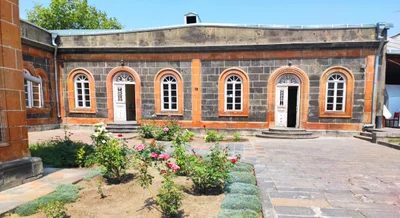
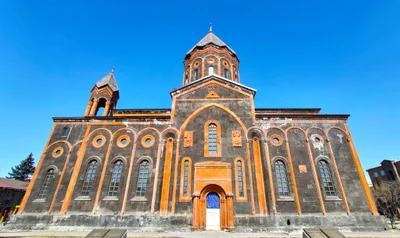
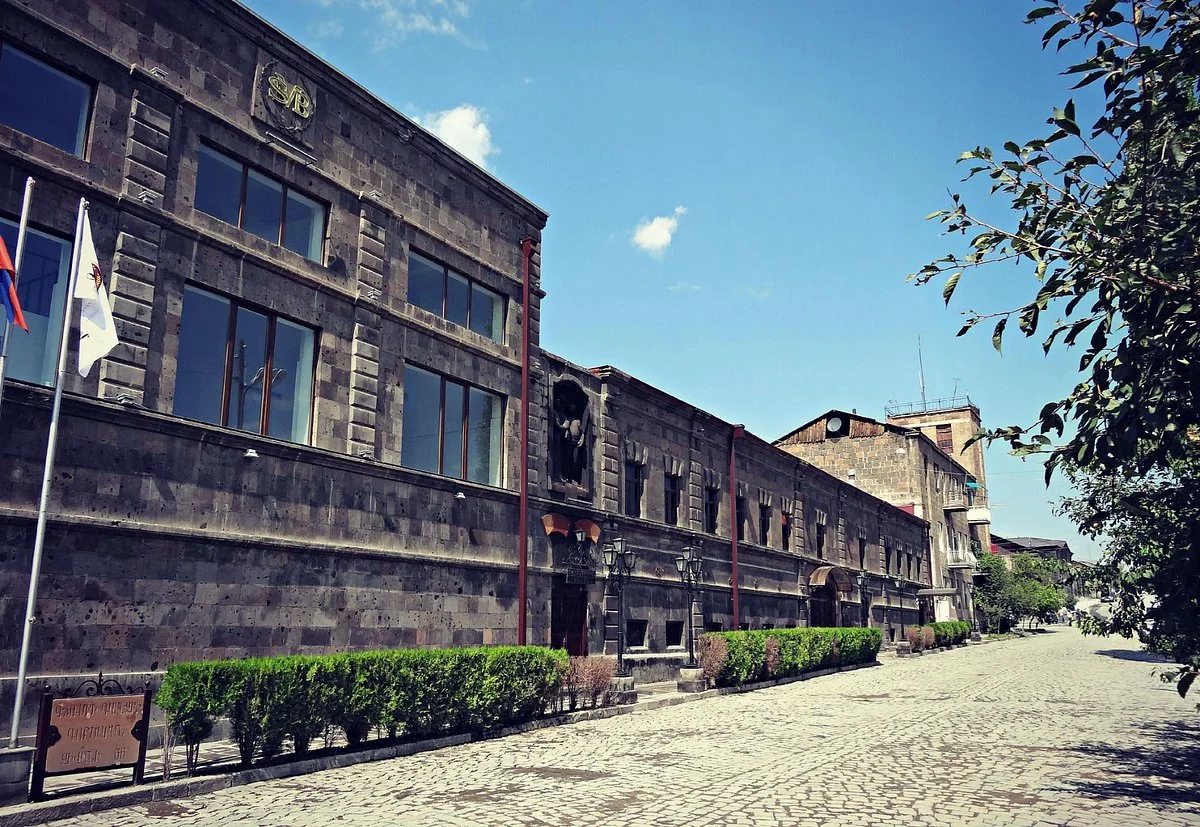
Today, Gyumri continues to grapple with the lasting effects of the 1988 earthquake, but remains known as the cultural hub of Armenia due to the many artists and craftsman who originated from the city. The city is also in particular notable for the large Kumayri historic district that managed to mostly survive the 1988 earthquake, dating back mainly to the 19th century and being one of the few surviving places in the world with authentic urban Armenian architecture.
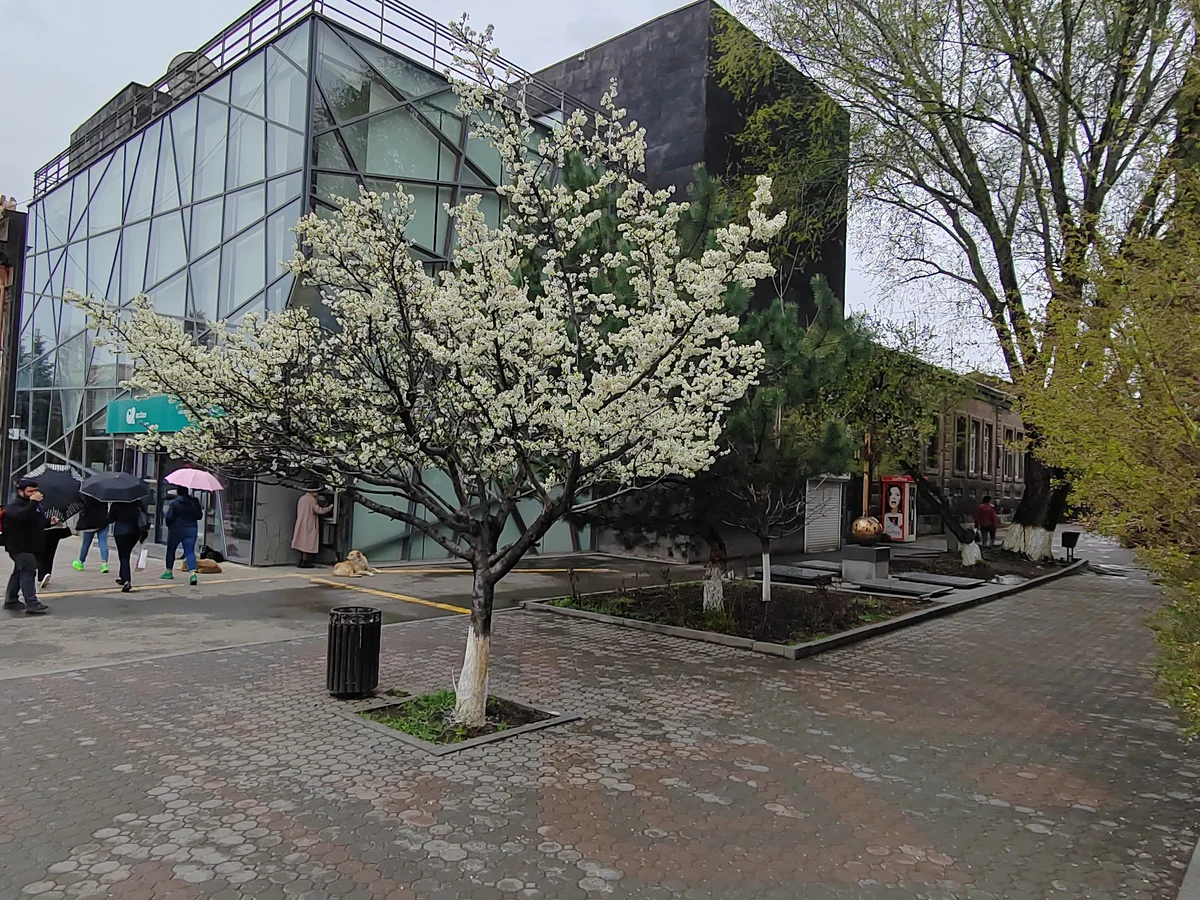
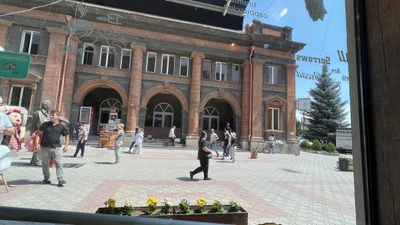
There are several restaurants on Rijkov Street, the main pedestrian street leading from Peace Circle Park to the central square and by the park and square.
All restaurants close during holidays without notice. Proceed with caution if visiting around New Years or Christmas
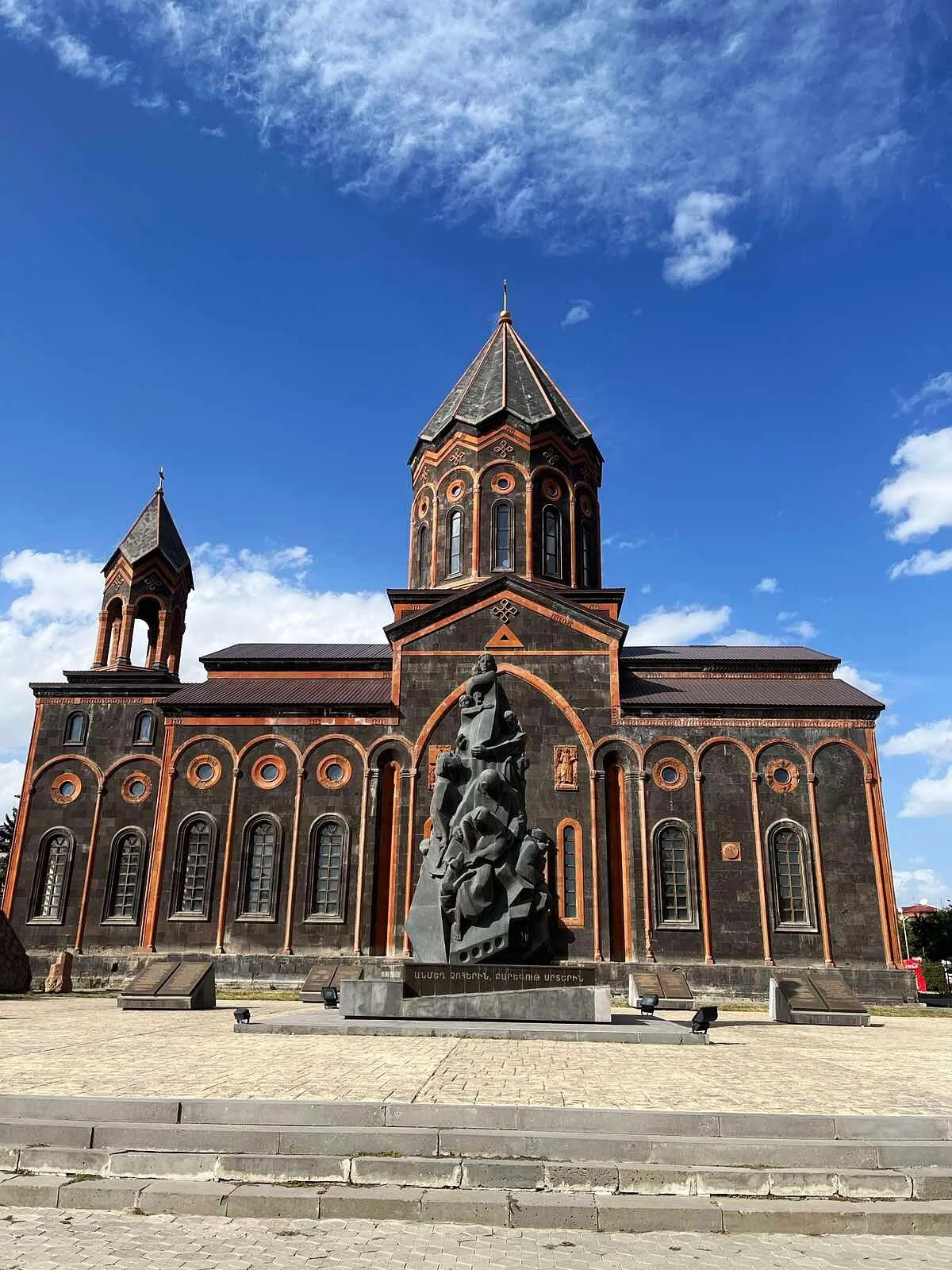
Off the main square, by the smaller black church, there is a diagonal pedestrian avenue with some shops and some outdoor vendors.
The city centre has a number of ATMs accepting international cards.
=
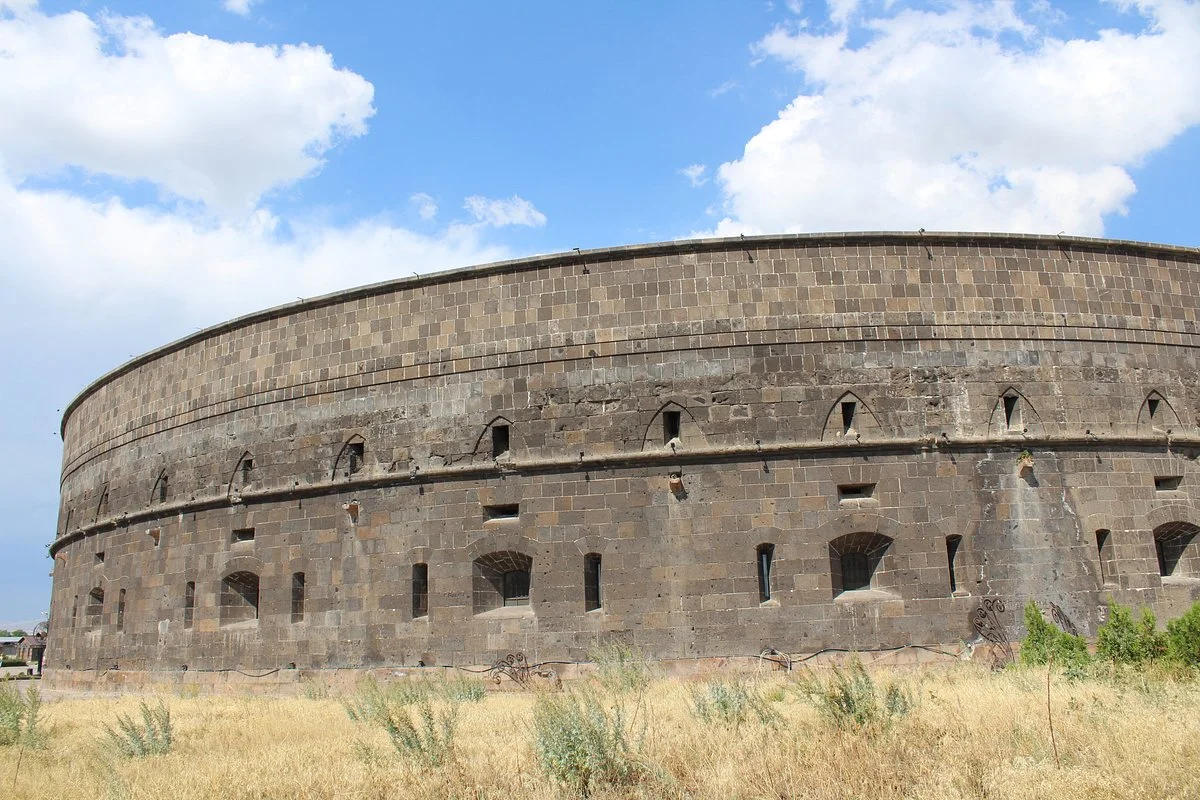
Gyumri's historic town center is quite walkable, and fun to explore, but beyond that it is a bit of a sprawling town, and to see everything it has to offer in a day, a car is needed. If you haven't come with your own, a taxi in town, with a meter, is probably your only realistic option, and a pretty good one at that. If you care to try and figure out the numbers of the local van routes (marshrutka), you can have quite an adventure. It may be hard to make it to some of the fringe sites though in a marshrutka, like the fortress.