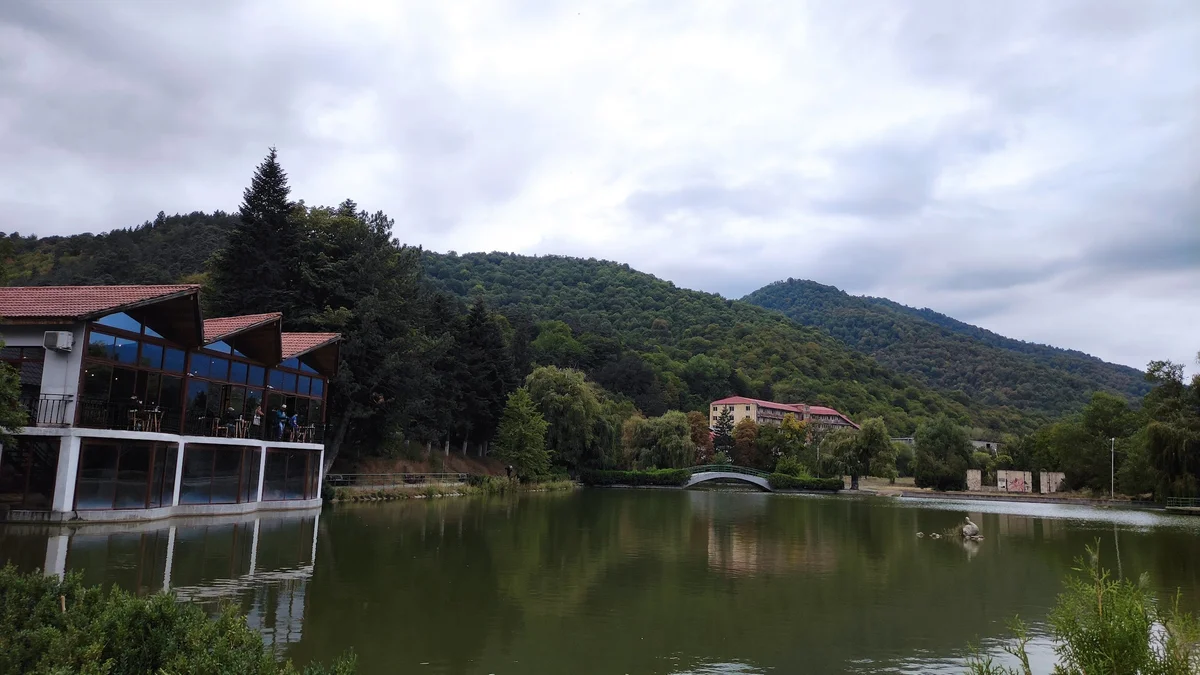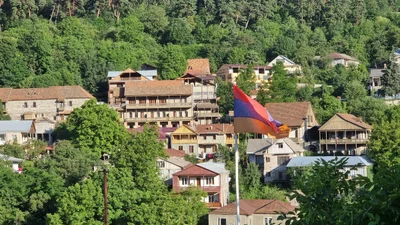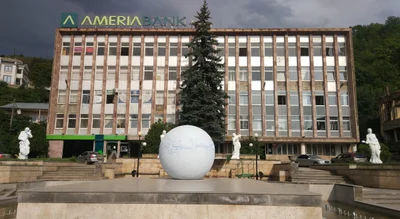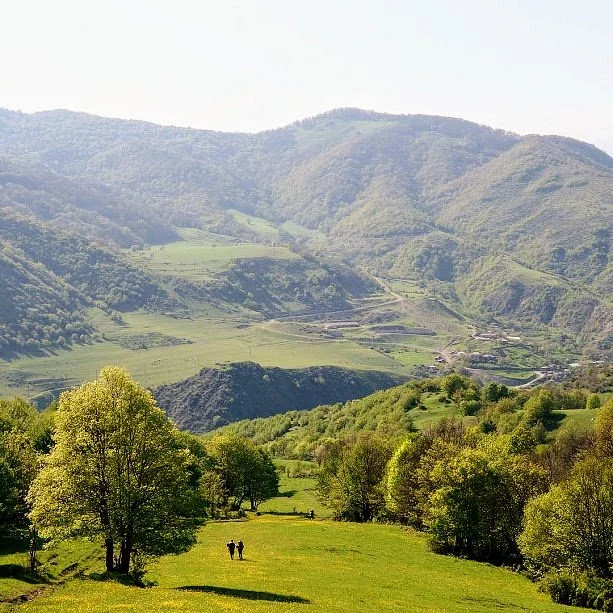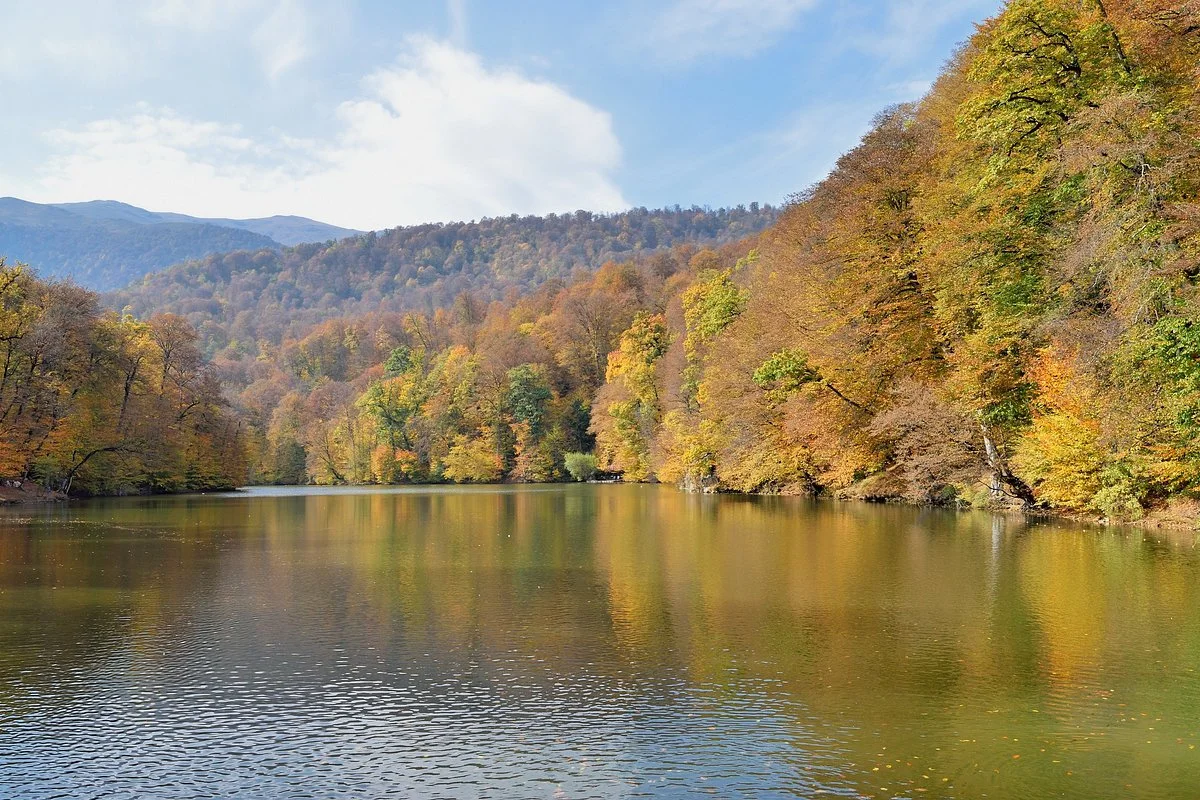
Dilijan (Armenian: Դիլիջան) is a spa town and urban municipal community in the Dilijan Municipality of the Tavush Province of Armenia. The town is one of the most important resorts in Armenia, situated within the Dilijan National Park. The forested town is home to numerous Armenian artists, composers, and filmmakers and features some traditional Armenian architecture. The town is often referred to as the Armenian Switzerland or Little Switzerland by the locals.
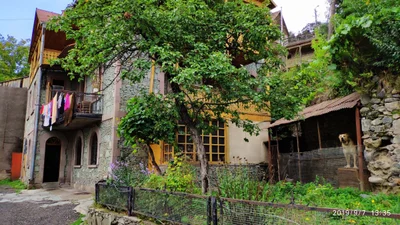
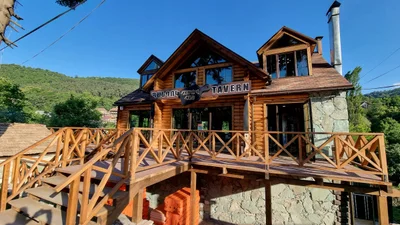
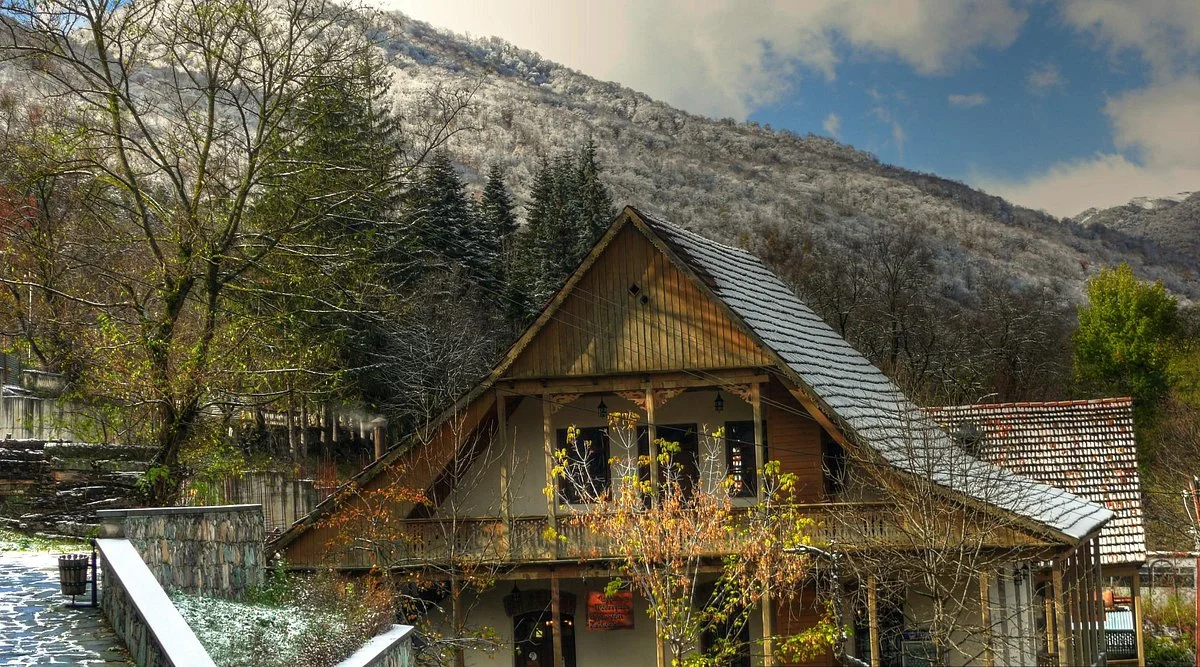
Sharambeyan Street in the city centre, has been preserved and maintained as the heart of Dilijan's old town, complete with craftsman's workshops, a gallery and a museum. Hiking, mountain biking, and picnicking are popular recreational activities. As of the 2011 census, Dilijan has a population of 17,712. Dilijan is currently the fastest-growing urban settlement in Armenia.
Tufenkian hotel organises various courses and tours:
No information available
No information available
=
=
From specific destinations:
The first settlements in this area were established around the end of the second millennium and beginning of first millennium BC. Some excavated collections of artifacts from that period are exhibited in the museums of Moscow, Saint Petersburg, Tbilisi, Baku and Yerevan, with the reminder kept in the Dilijan Geological Museum.
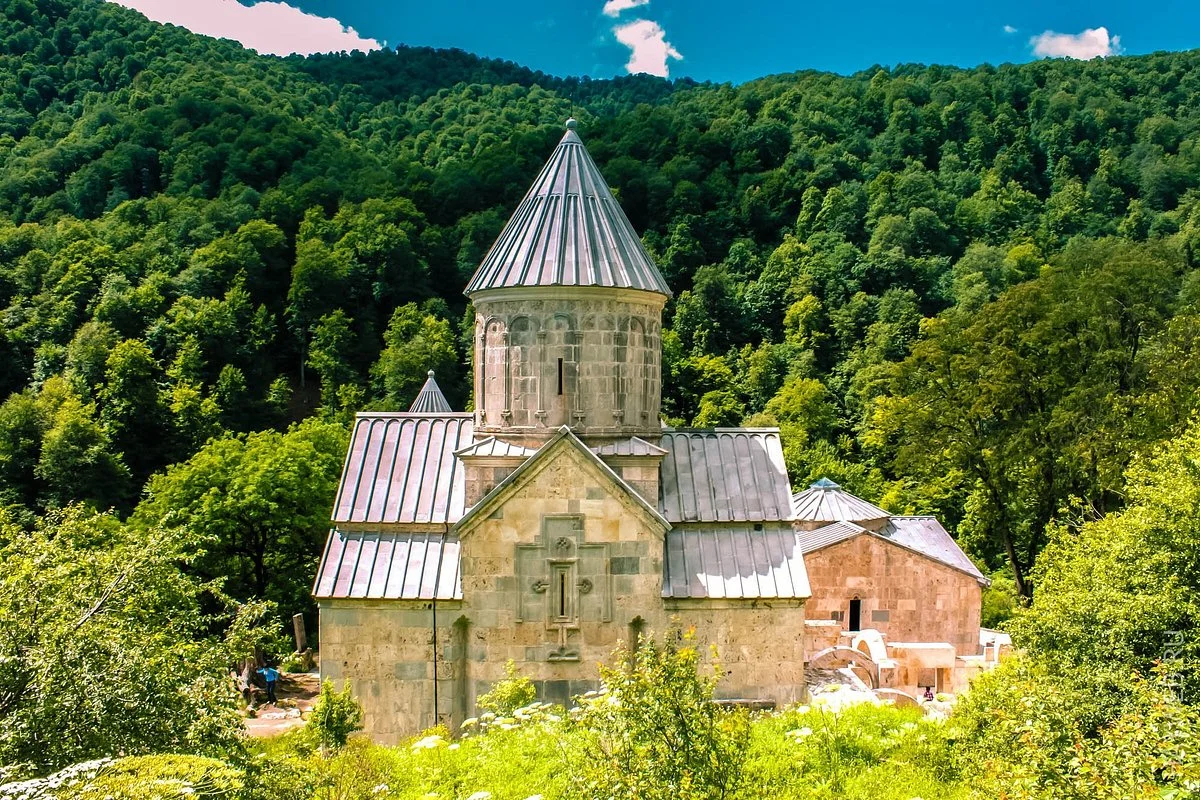
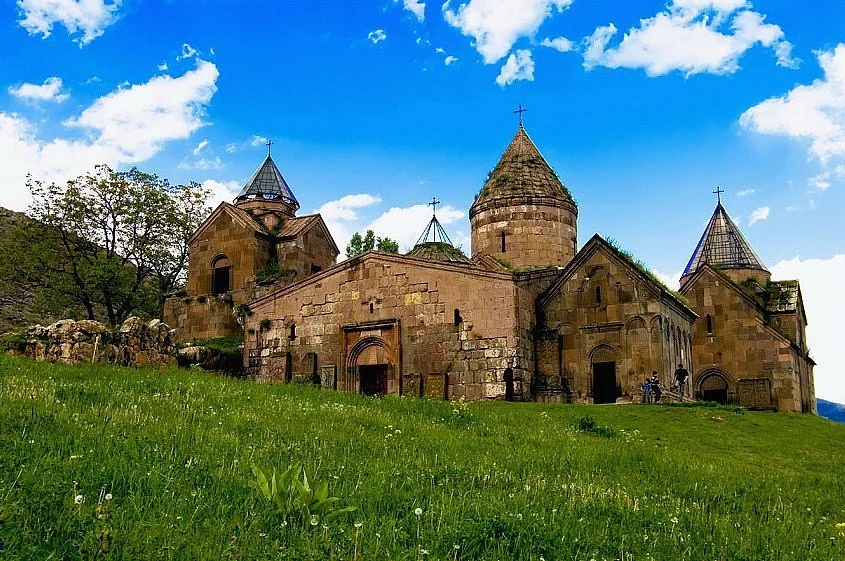
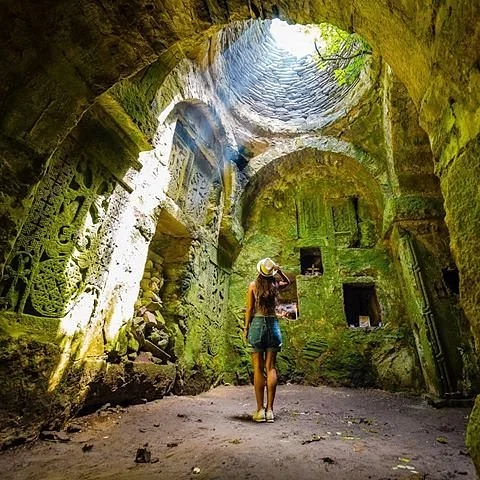
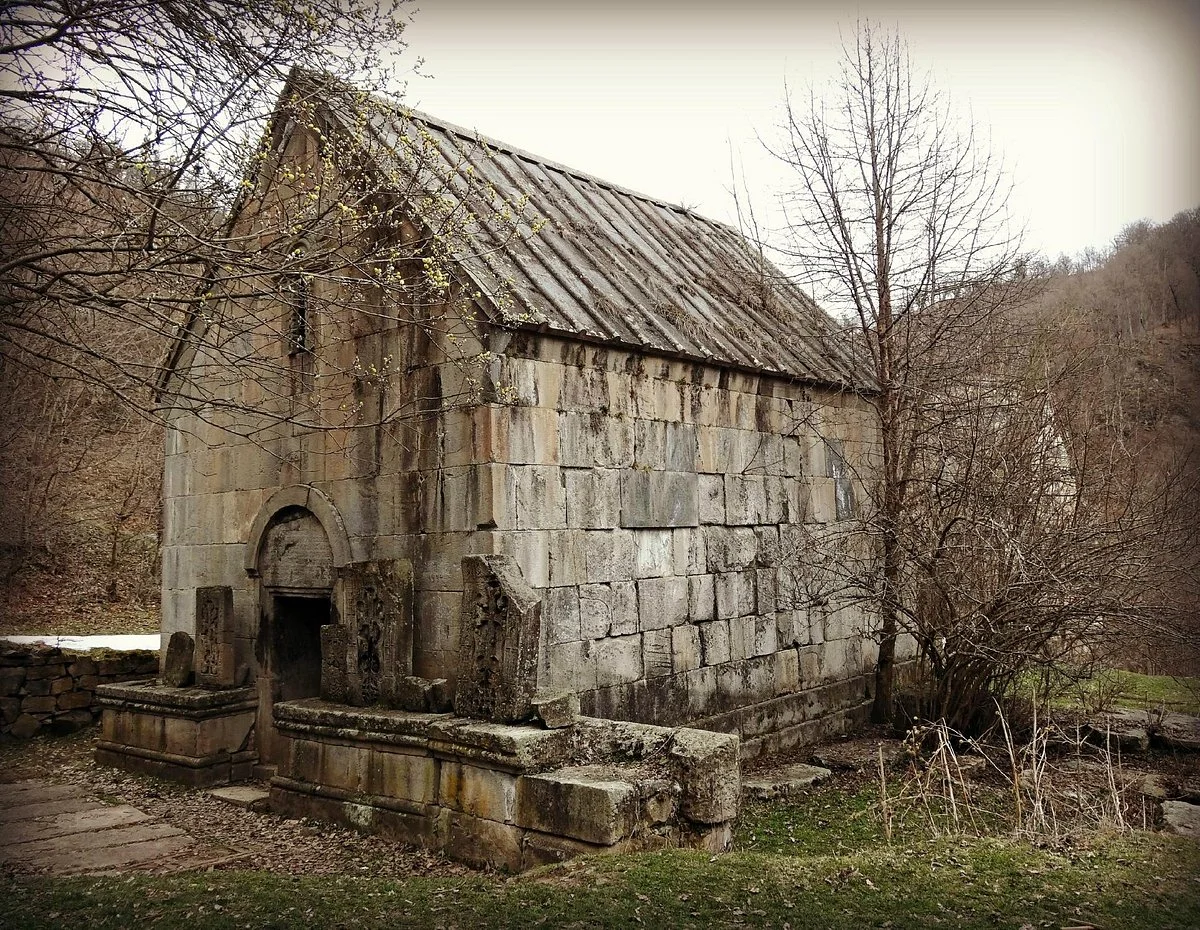
During the Medieval period this territory belonged to the Arsacid kings and was one of their favourite forest and a summer resorts used for hunting. A bit later, in the 13th century, Bujur Dili settlement was founded here. The monasteries of Haghartsin and Goshavank were built between the 10th and 13th centuries, quickly developed and have served as cultural and educational centers in the intervening centuries. Some other important religious and educational centers have also survived in Dilijan, such as the Jukhtak Vank Monastery and Matosavank Monastery.
Since the town came under Russian rule in 1801, the population has gradually grown. A school, library and several theaters were opened. In the second half of the 19th century Dilijan’s fame as of a resort center started to grow.
During Soviet years it was already widely known as a mountain climatic and balneological resort; there used to be 35 major sanatoriums hosting tens of thousands people yearly. It was popular among creative people, musicians and painters. However, all its fame faded away quite quickly after the collapse of Soviet Union, the number of tourists fell dramatically, and sanatoriums and all other tourist-oriented infrastructure went into a serious decline. The situation has started to improve. Tourists (mainly wealthy Armenians and some foreigners as well) have started coming back, giving a fresh breath to the town. New hotels and restaurants have started to appear again. There are still many signs of decline; there is a feel of abandonment and some provincial neglect (which is somehow inherent to the majority of Armenian towns). Nonetheless, pristine nature, calm and relaxed atmosphere and ancient monasteries are still the main points of interest and the main reasons to visit the town.