Dhaka ( DAH-kə or DAK-ə; Bengali: ঢাকা, romanized: Ḍhākā, IPA: [ˈɖʱaka]), formerly known as Dacca, is the capital and largest city of Bangladesh. It is the ninth-largest and seventh-most densely populated city in the world. Dhaka is a megacity, and has a population of 10.2 million residents as of 2022, and a population of over 22.4 million residents in Dhaka Metropolitan Area. It is widely considered to be the most densely populated built-up urban area in the world. Dhaka is the most important cultural, economic, and scientific hub of Eastern South Asia, as well as a major Muslim-majority city. Dhaka ranks third in South Asia and 39th in the world in terms of GDP. Lying on the Ganges Delta, it is bounded by the Buriganga, Turag, Dhaleshwari and Shitalakshya rivers. Dhaka is also the largest Bengali-speaking city in the world.
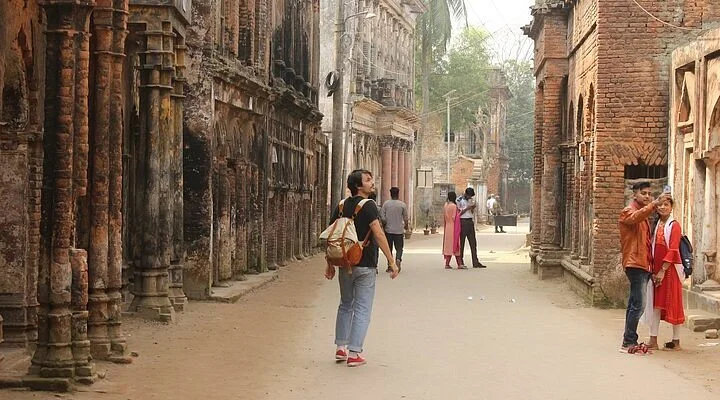
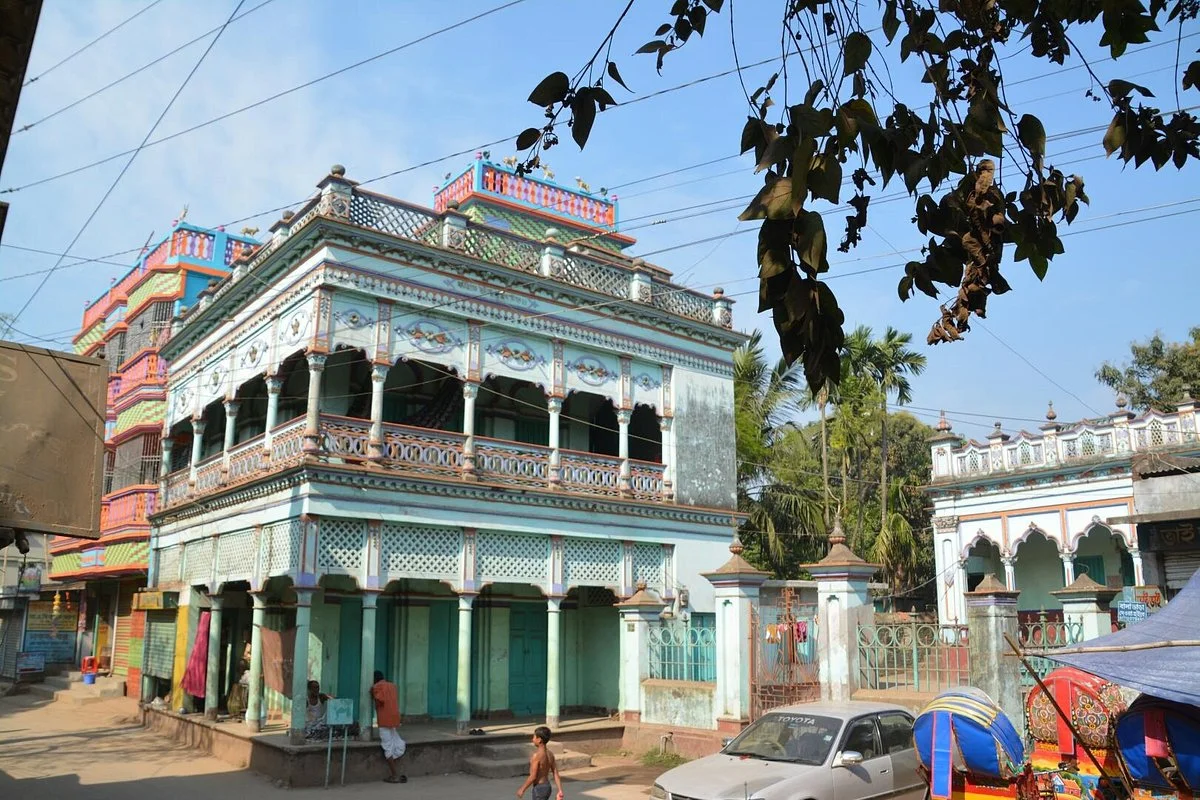
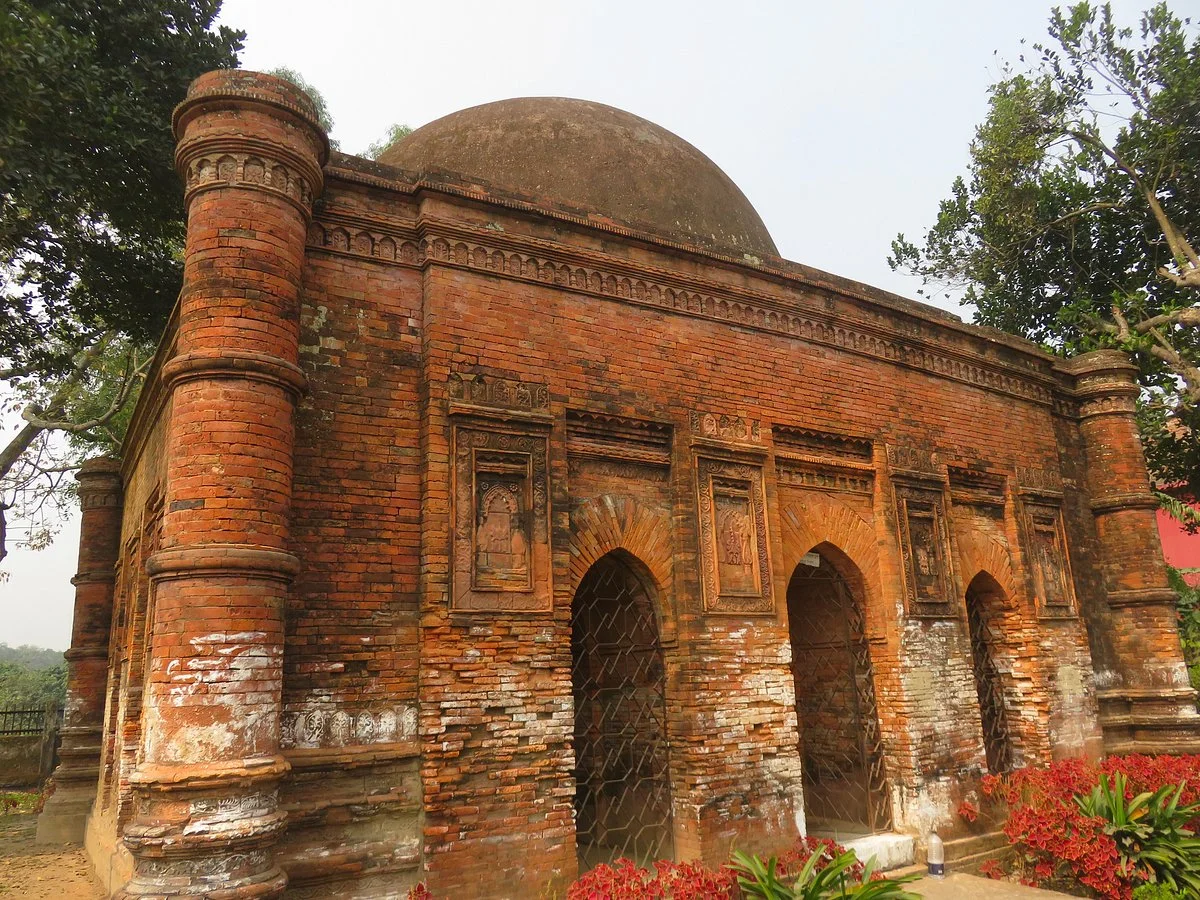
The area of Dhaka has been inhabited since the first millennium. An early modern city developed from the 17th century as a provincial capital and commercial centre of the Mughal Empire. Dhaka was the capital of a proto-industrialised Mughal Bengal for 75 years (1608–39 and 1660–1704). It was the hub of the muslin trade in Bengal and one of the most prosperous cities in the world. The Mughal city was named Jahangirnagar (The City of Jahangir) in honour of the erstwhile ruling emperor Jahangir. The city's wealthy Mughal elite included princes and the sons of Mughal emperors. The pre-colonial city's glory peaked in the 17th and 18th centuries when it was home to merchants from across Eurasia. The Port of Dhaka was a major trading post for both riverine and seaborne trade. The Mughals decorated the city with well-laid gardens, tombs, mosques, palaces, and forts. The city was once called the Venice of the East.Under British rule, the city saw the introduction of electricity, railways, cinemas, Western-style universities and colleges and a modern water supply. It became an important administrative and educational centre in the British Raj, as the capital of Eastern Bengal and Assam province after 1905. In 1947, after the end of British rule, the city became the administrative capital of East Pakistan. It was declared the legislative capital of Pakistan in 1962. In 1971, after the Liberation War, it became the capital of independent Bangladesh. In 2008, Dhaka celebrated 400 years as a municipal city.A beta-global city, Dhaka is the centre of political, economic and cultural life in Bangladesh. It is the seat of the Government of Bangladesh, many Bangladeshi companies, and leading Bangladeshi educational, scientific, research, and cultural organizations. Since its establishment as a modern capital city, the population, area and social and economic diversity of Dhaka have grown tremendously. The city is now one of the most densely industrialized regions in the country. The city accounts for 35% of Bangladesh's economy. The Dhaka Stock Exchange has over 750 listed companies. Dhaka hosts over 50 diplomatic missions; as well as the headquarters of BIMSTEC, CIRDAP, and the International Jute Study Group. Dhaka has a renowned culinary heritage. The city's culture is known for its rickshaws, Kachi Biryani, art festivals, street food, and religious diversity. Dhaka's most prominent architectural landmark is the modernist Jatiyo Sangshad Bhaban; while it has a heritage of 2000 buildings from the Mughal and British periods. The city is associated with two Nobel laureates. Dhaka's annual Bengali New Year parade, its Jamdani sari, and its rickshaw art have been recognized by UNESCO as the intangible cultural heritage of humanity. The city has produced many writers and poets in several languages, especially in Bengali and English.
Visit the famous places in Dhaka.
Dhaka has an enormous variety of food catering to all budgets. Old Dhaka is overflowing with cheap Bangladeshi food where a meal can cost from Tk 50. In the upscale areas such as Gulshan and Banani there are Chinese, Indian, Thai, Vietnamese, Greek and Mexican restaurants, and franchises such as Pizza Hut and KFC - all at prices that the majority can't afford. Reservations are usually not required in most restaurants. A lot of the Buffet-style restaurants in this area have Tk 250–400, fixed price menu.
Local sweets (misti/mishti) like rasogollah and golap jam/pantuya/ledikeni are excellent, these are bite-sized soft milk curd balls dipped (drenched) in syrup, and come in white and red varieties. Shops throughout the town (and especially near Gulshan) sell imported condiments from Dubai, Europe, Malaysia and the US at a premium. Imported chocolate is especially expensive - and usually not in the best condition as it gets melted and re-solidified daily in the tropical heat. Fresh is better.
Be careful when buying food from street vendors as health and hygiene standards are not always top notch. Unlike Bangkok—street food in Dhaka is only for locals. Foreigners should stick to larger, organized (and unfortunately a little expensive) food outlets. In organized food outlets or in street stalls stick with more popular outlets where there are people inside or in line as that can indicate quality as the locals (and some travellers) and most likely to be clean and good eating. An empty restaurant or a lone food cart (with no customers) should be avoided as it's empty for a reason.
There is a party network between the different expat clubs (Dutch Club, Canadian Club, Nordic Club, International Club, American Club, etc.) and some Bangladeshi clubs (Heritage, Privilege, etc.) These clubs usually require membership to enter, or befriend a member and have them sign you in. From there, you can purchase a book of tickets or a cash card and then use it to order your drinks.
Although alcohol is most easily available at the international clubs and top hotels, there are quite a few local places to find a drink for the enterprising traveller. Local bars are to be found in most neighbourhoods but can be difficult to locate due to lack of advertising. Popular brands of beer (Heineken, Carlsberg, Tuborg, Foster's etc.) and major types of spirits are available at these places, and at much lower prices than at hotel bars.
You can try:
If you go shopping ready to bargain then there are certainly bargains to be had among the bazars and markets of Dhaka. To get a feel for what things should cost in the local markets check prices in the Western-style fixed-price shops and then deduct 10%.
There are a huge variety of options for accommodation in the city, varying from unkempt dormitory beds for only a few US dollars, to huge multinational hotels that have penthouses for thousands of US dollars per night. As of July 2016, there were 70 hotels in Dhaka.
It's not a lie; Dhaka is one of the most congested cities in the world due in large part to being one of the most populous cities in the world. Dhaka has often been referred to as the "Traffic Capital of the World", and you can literally spend hours in traffic.
A poorly developed road network, an inefficient traffic system, an unskilled traffic police force, poor efficacy of traffic laws, constant construction, lack of adequate parking spaces, and bad driving habits are some of the many reasons why Dhaka has immense congestion problems.
If you're struggling to find a fair fare with a driver among the multitude of transportation options, try walking a short distance to the next one. It's important to note that not all drivers are dishonest and it's better to seek out the reliable ones and give them your business. In the event that a driver demands more money upon arrival, it's best to stick to the agreed or metered fare and leave. It's also crucial to ensure that the driver knows where you're headed from the beginning, unless you're able to direct them yourself. Some drivers may claim to have local knowledge but end up taking a longer route, so be cautious. Additionally, it's recommended to carry a card with your hotel or hostel information written on it so that you can easily find your way back. A card with the actual address of your accommodation can make things even simpler.
Dhaka emerged as a cosmopolitan city during the Mughal Empire. Today, Dhaka is South Asia's second most populous capital after Delhi and an important financial center alongside Mumbai and Karachi.
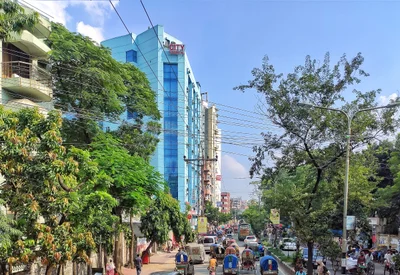
Modern Dhaka is a thriving, colourful and congested metropolis. Being one of the most densely populated places on the planet, Dhaka can be one of the most frenetic cities in the world. Its streets and rivers are filled with colourful chaos. The city plays host to the highest number of rickshaws in the world. Dhaka is also the center of Bangladesh's textile industry, the country's principal foreign exchange earner. Experiencing the city for the first time may seem overwhelming.