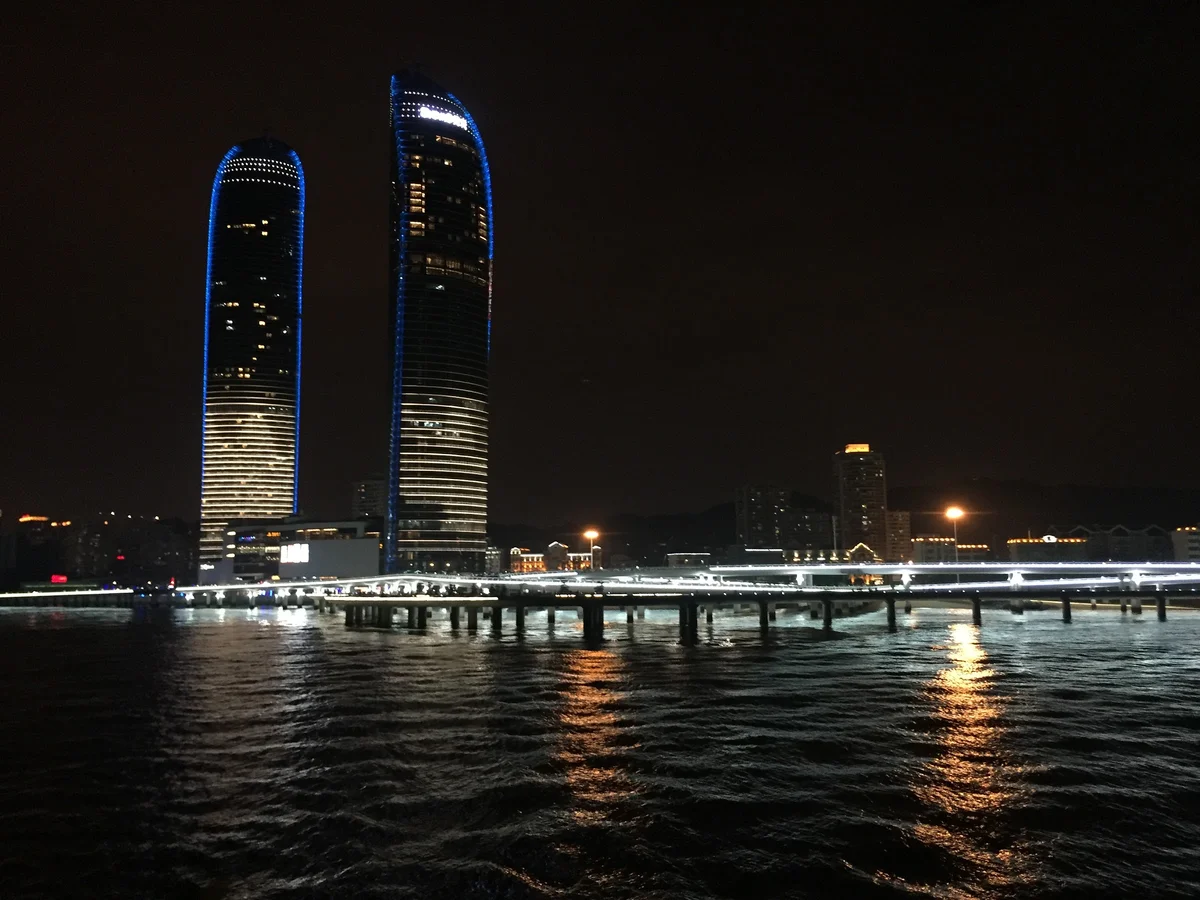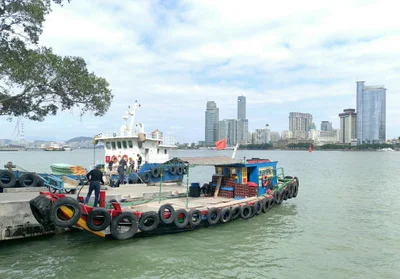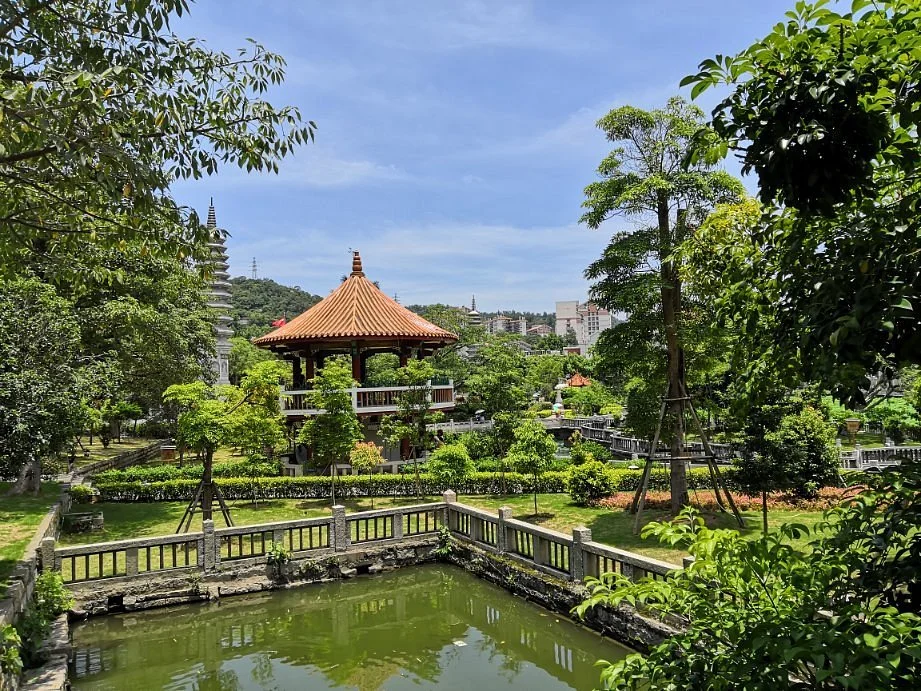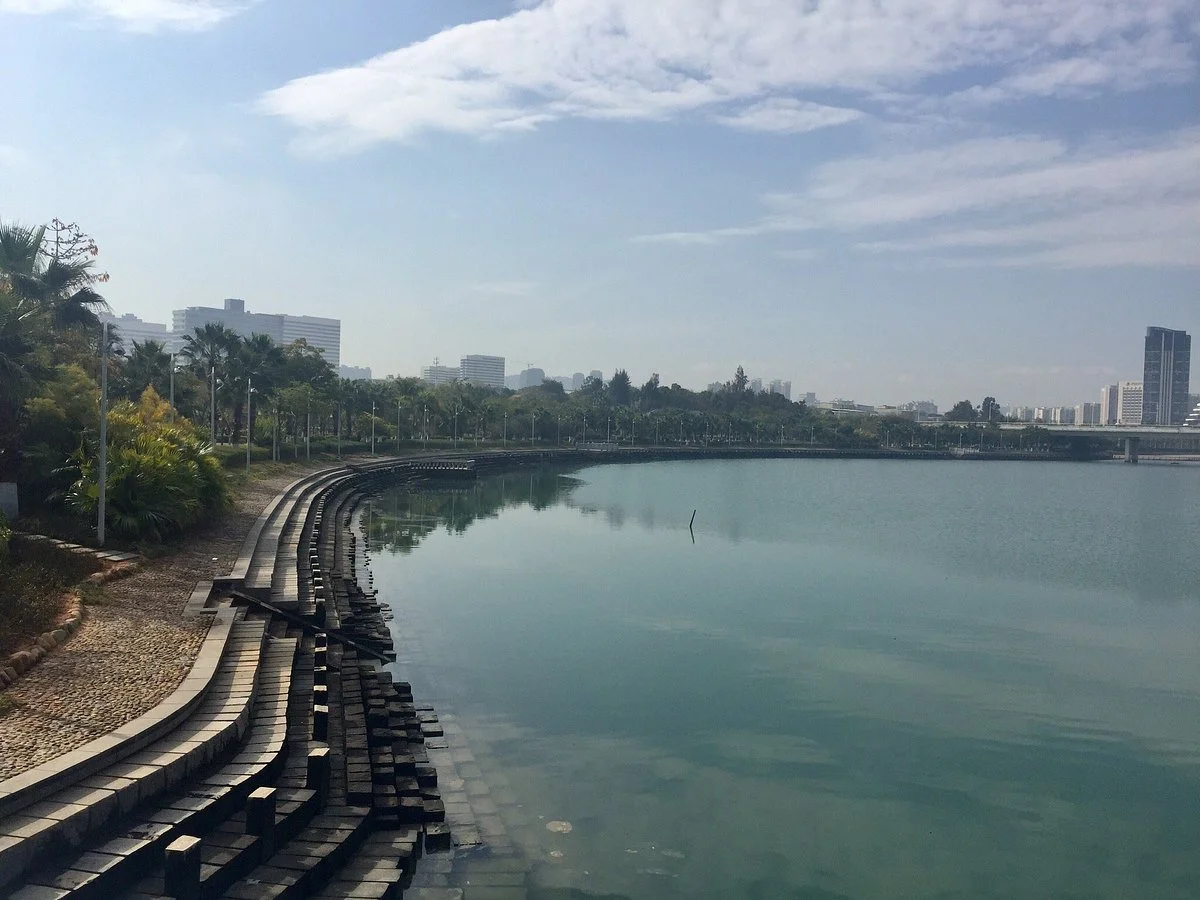
Xiamen is a sub-provincial city in southeastern Fujian, People's Republic of China, beside the Taiwan Strait. It is divided into six districts: Huli, Siming, Jimei, Tong'an, Haicang, and Xiang'an. All together, these cover an area of 1,700.61 square kilometers (656.61 sq mi) with a population of 5,163,970 as of 2020 and estimated at 5.308 million as of 31 December 2022. The urbanized area of the city has spread from its original island to include most parts of all six of its districts, as well as 4 Zhangzhou districts (Xiangcheng, Longwen, Longhai and Changtai), which form a built-up area of 7,284,148 inhabitants. This area also connects with Quanzhou in the north, making up a metropolis of nearly ten million people. The Kinmen Islands (Quemoy) administered by the Republic of China (Taiwan) lie less than 6 kilometers (4 mi) away separated by Xiamen Bay. As part of the Opening Up Policy under Deng Xiaoping, Xiamen became one of China's original four special economic zones opened to foreign investment and trade in the early 1980s.
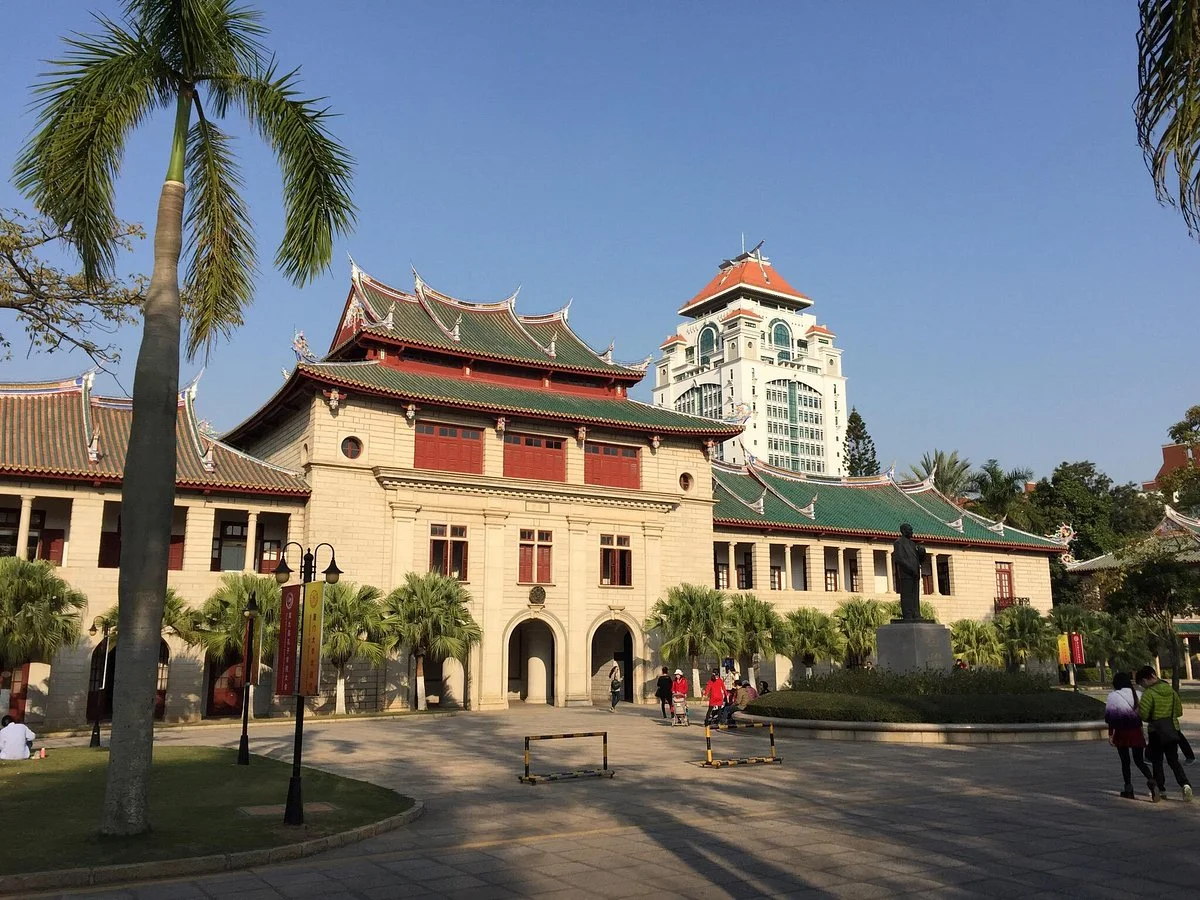
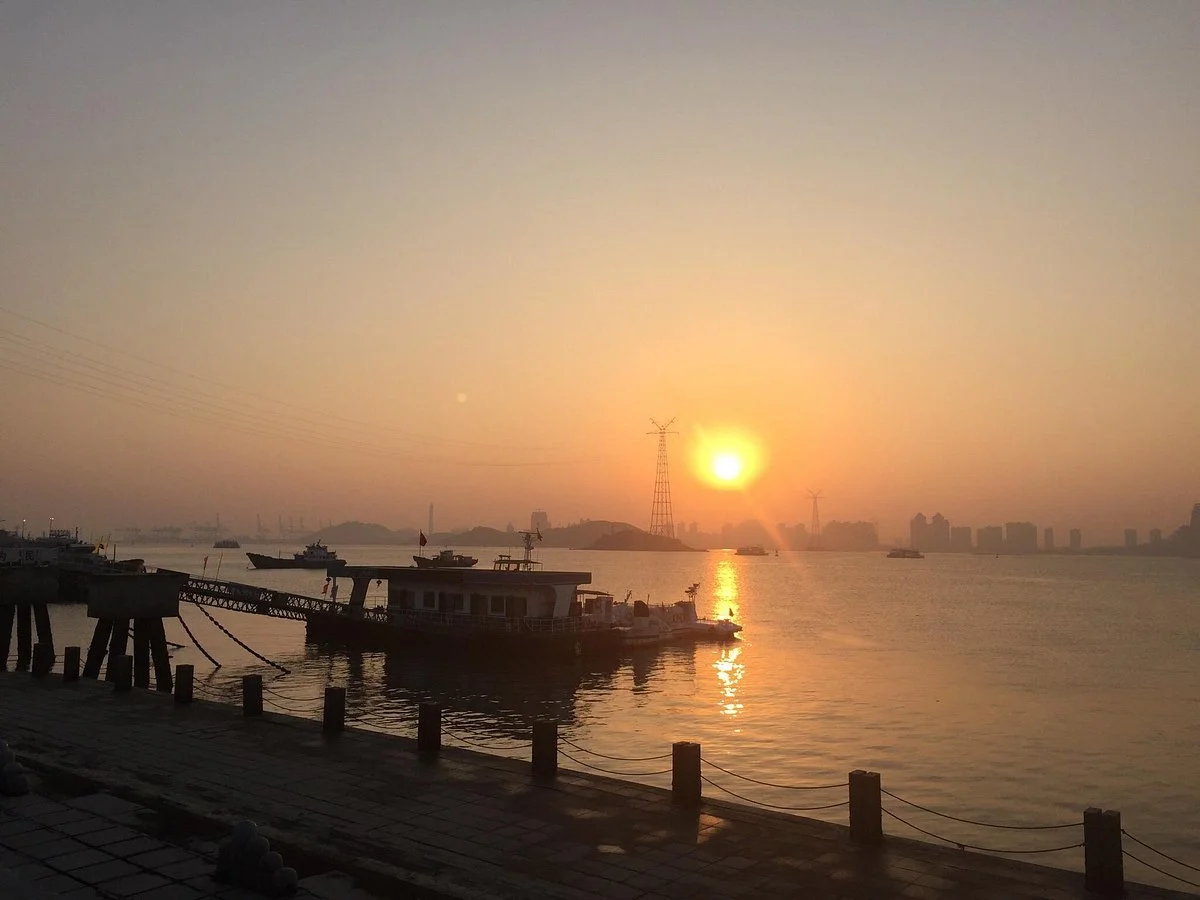
Xiamen Island possessed a major international seaport. The port of Xiamen is a well-developed first-class trunk line port in the Asia-Pacific region. It is ranked the 7th-largest container port in China and ranks 13th in the world. It is the 4th port in China with the capacity to handle 6th-generation large container ships. On 31 August 2010, Xiamen Port incorporated the neighboring port of Zhangzhou to form the largest port of China's Southeast. Ever since the 12th century, Xiamen was also an important origin for many migrants to Singapore, Malaysia, Indonesia and the Philippines. The overseas Chinese used to support Xiamen's educational and cultural institutions. Xiamen is classified as a Large-Port Metropolis.Xiamen is one of the top 40 cities in the world by scientific research as tracked by the Nature Index. The city is home to several major universities, including Xiamen, one of China's most prestigious universities as a member of the Double First Class Universities, Huaqiao, Jimei, Xiamen University of Technology and Xiamen Medical College.
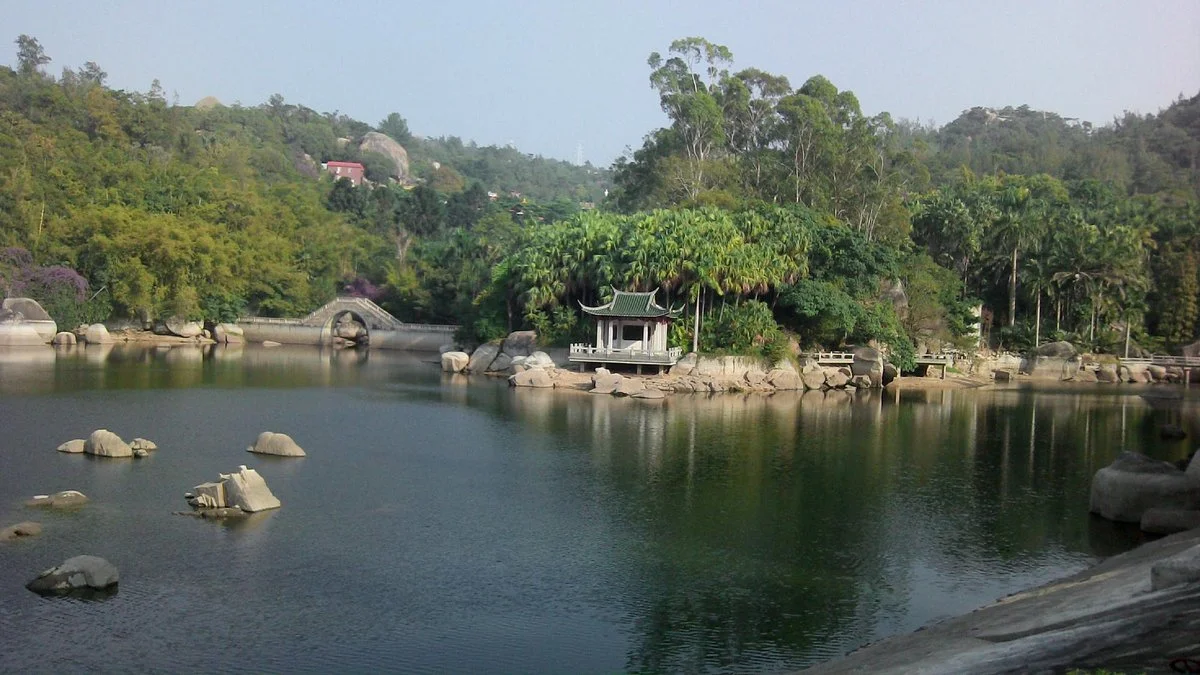
Xiamen has a few large clumps of interesting stuff to see. Gulangyu may be the main tourist area, but there is quite a lot on Xiamen Island as well, and some out in the suburbs.
Xiamen local foods:
As everywhere in China, there are many tea houses in Xiamen and many KTVs (the 'K' is for Karaoke); both are quite popular with locals. See China#Drink for background information. A local speciality is kung fu tea (工夫茶), a type of black tea that is also popular in Chaozhou and in Taiwan.
Xiamen also has many bars and discos in a more-or-less western style; these are generally more affordable than comparable places in Shanghai or Beijing. Although crowded, these places are generally safe. Some caution is required, however, since pickpockets sometimes take advantage of the crowding and drunken customers sometimes get combative.
Also, most of the major hotels have live music from Filipino cover bands in their bars.
Alternative and cheaper nightlife can be found in Zengcuo An, formerly a separate village now a neighborhood near Xiamen University. Here you find a lot of cheap pubs, open-air BBQ´s and casual gatherings of students and other young people who enjoy the sunset and mild Xiamen nights over a drink.
That area also has many hotels, mostly small and moderately priced.
Zhongshan Road Pedestrian Street (中山路步行街) runs inland off Lujiang Road (which runs along the coast) near the Gulangyu ferry terminal, through a historical part of the city. This is major shopping area with interesting smaller streets off it. The opening time is generally from 09:00-22:00 The buildings along Zhongshan Road combine a European architecture style with Chinese.
Other major shopping streets in the area are Siming Road and Jukou Street. The area also has many smaller streets with shopping; most are off to the left as you come up Zhongshan Road from the sea.
As you come along Zhongshan from the sea, you can look for a set of stairs going off to your right a short way along; these lead to a smaller parallel street with many little shops and street vendors. From the inland end of that (Siming Road), turn left to get back to Zhongshan Road at the inland end of the pedestrian area.
Xiamen University Street is actually half a street because the other side is part of Nanputuo Temple. Hundreds of shops line the street which is only a few hundred meters. Most of these shops sell garments and cultural things, and the book stores are also worth a look. Since they cater to students, these stores are often more reasonably priced than other areas, but some haggling may be needed to get the best prices.
There is also much tourist-oriented shopping on Gulangyu.
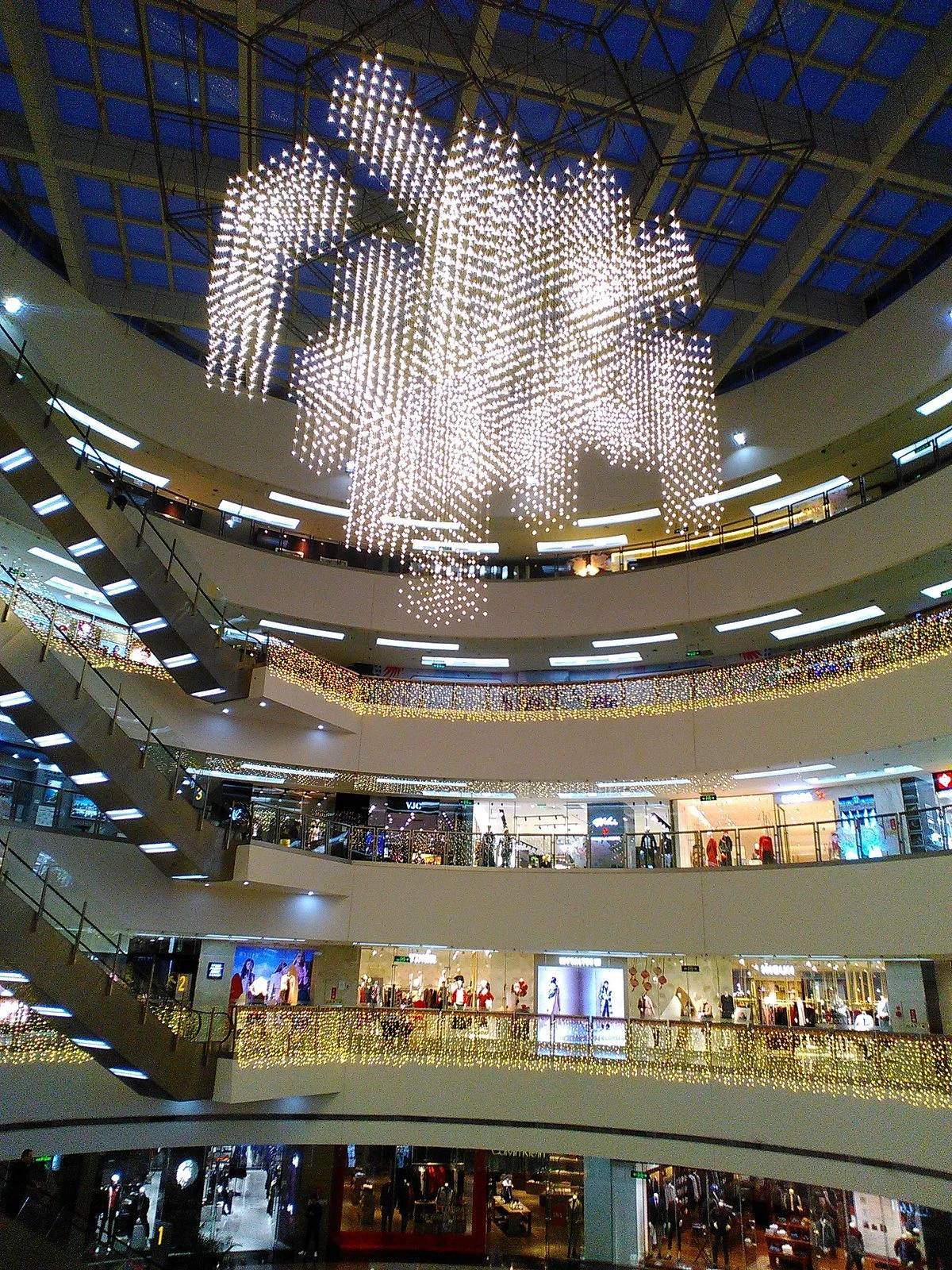
Xiamen has a number of modern enclosed shopping malls or large standalone chain stores. Here are some of the main ones:
Most of these sell everything from fresh vegetables to clothing and LCD TV's.
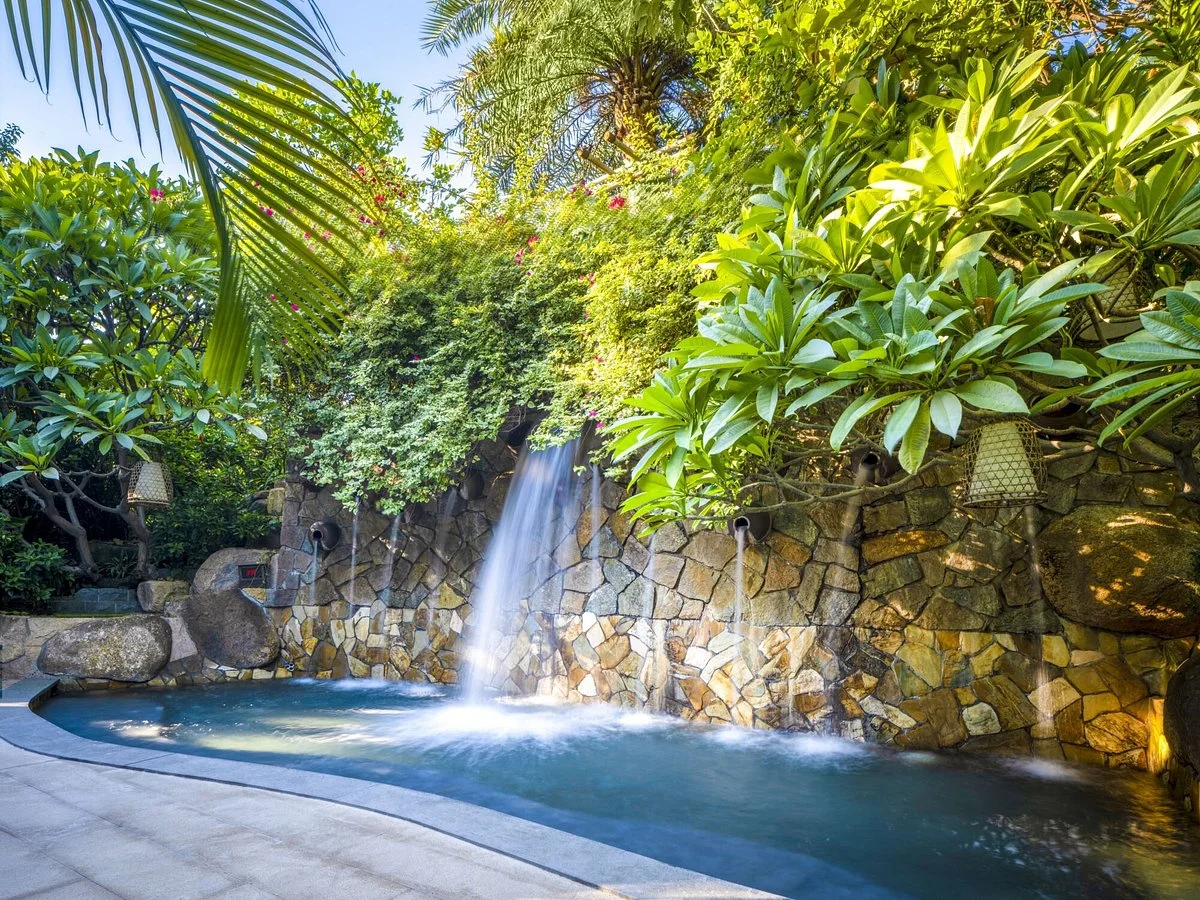
This lists accommodation on Xiamen Island only. Staying in Jimei instead might save a little money and could be reasonably convenient if you choose a place near a BRT stop. There is also plenty of accommodation on Gulangyu.
Xiamen has a major airport and good road and rail connections; it is easily reached from anywhere in China and many places beyond.
Local public transit is easiest to pay for with the Xiamen public transit mini-app on Alipay or WeChat.
If you are planning on staying in Xiamen for a significant amount of time, you can also get an eKatong (e卡通) stored value card. It can be used in different forms of public transport not only in Xiamen, but also in the neighbouring cities of Quanzhou and Zhangzhou.
The local bus system is very good, but the normal bus routes are listed in Chinese and do not have English on the signs. Signs in the BRT and Metro are bilingual in Chinese and English, while announcements are trilingual in Mandarin, Minnan and English.
Taxis are cheap, starting at ¥8 (plus ¥3 fuel tax – so ¥11) for the first 3 km. After the first 3 km, the meter charge will go up based on distance. Although the meter may read with a decimal, most taxi drivers will round up. On the other hand, as anywhere in China, tipping is not expected.
During the day time, you should be able to get anywhere on Xiamen island, including the airport, for under ¥40. But be wary that some taxi drivers might take advantage of you if they know that you are not a local and might take the longer route to your destination. For example, if the driver says "Huándǎo Lù" after you tell him where you want to go, say bù (no), because that is the ring road that circles the entire island and although it is scenic, it is likely the most expensive way to go.
There is a frequent ferry service to/from Gulangyu. Non-Xiamen residents have to take the ferry from Dongdu Wharf, accessible via taxi or bus #51. Tickets are ¥35 for the trip to Gulangyu, and ¥18 for the trip back to Xiamen; the ferry ride takes about 20 minutes.
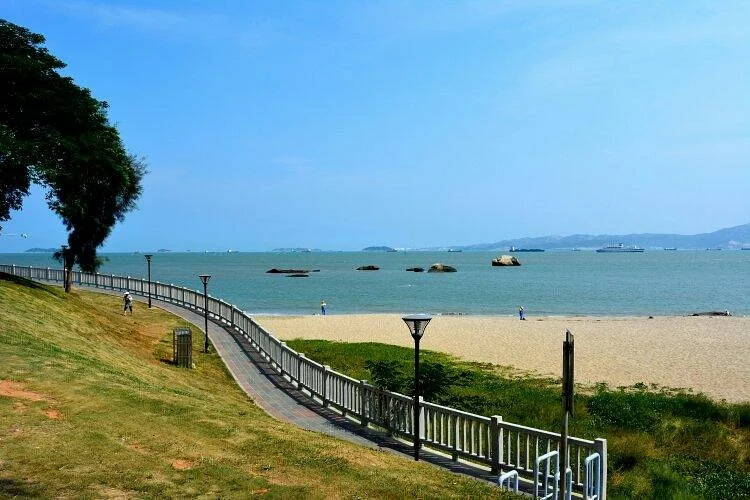
To go around by bicycle is a great way to explore Xiamen, except Gulangyu where bikes are forbidden. Try the Island Ring Road (Huándǎo Lù) which has an extra path for bicycles along much of its length. Start at Xiamen University Beach and go up until the International Exhibition Center. There are various rental stations on the Huándǎo Road, starting at ¥30 per day. Enjoy the sunshine while cruising next to the sea. If you leave the bicycle path, be cautious about the traffic.
Motorcycles are forbidden everywhere on Xiamen Island and enforcement is quite strict in the central areas (e.g. Yundang Lake, Zhongshan Road, etc.). In other areas, enforcement is more relaxed and some people do ride, but this risks a fine or even police seizure of the bike. Motorcycles are allowed in the mainland suburbs (Jimei, Tong'an, Haicang or Xiang'an), but see Driving in China for some cautions.