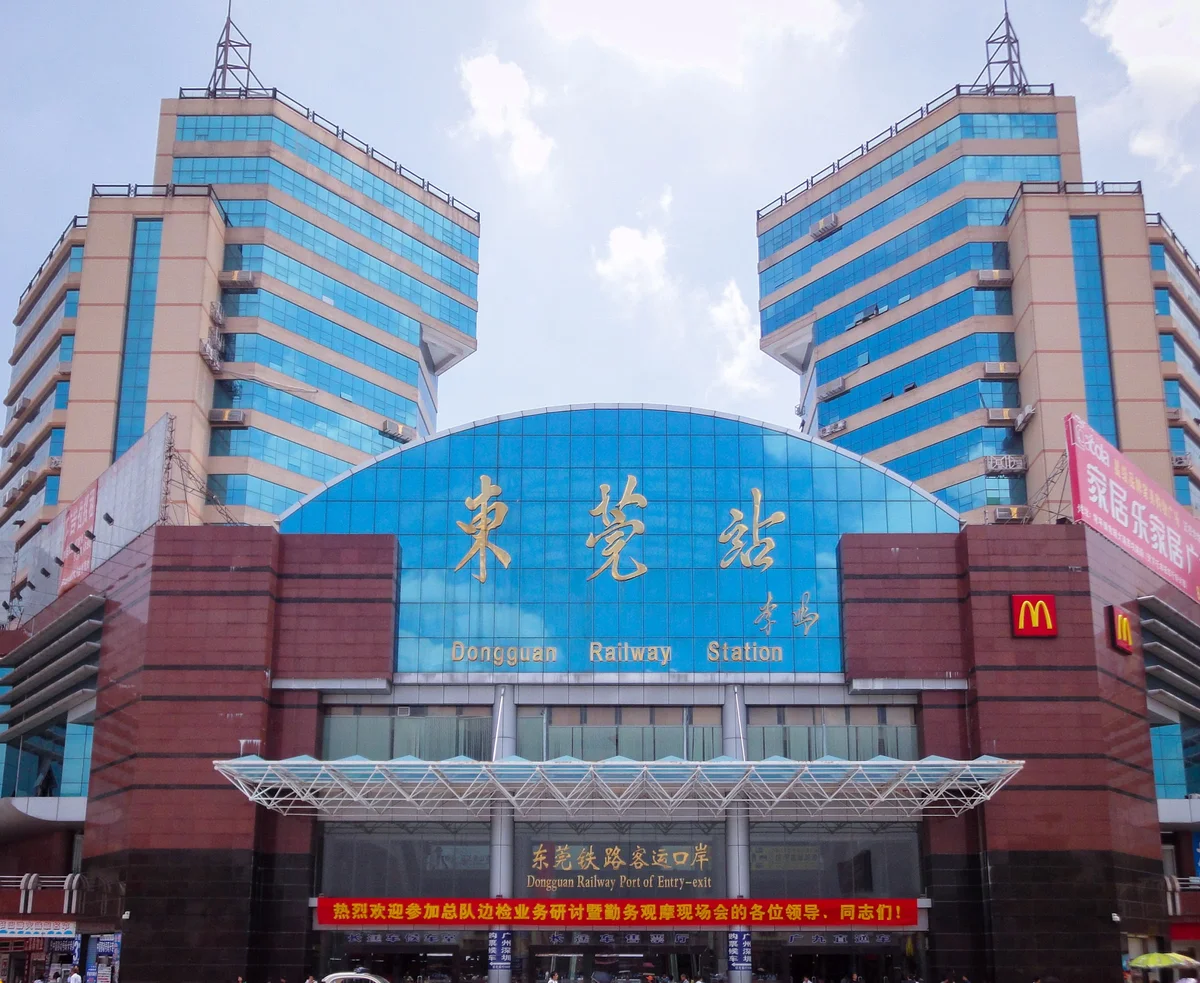
Dongguan is a prefecture-level city in central Guangdong Province, China. An important industrial city in the Pearl River Delta, Dongguan borders the provincial capital of Guangzhou to the north, Huizhou to the northeast, Shenzhen to the south, and the Pearl River to the west. It is part of the Pearl River Delta built-up (or metro) area with more than 65.57 million inhabitants as of the 2020 census spread over nine municipalities across an area of 19,870 square kilometers (7,670 sq mi).Dongguan's city administration is considered especially progressive in seeking foreign direct investment.
Dongguan ranks behind only Shenzhen, Shanghai and Suzhou in exports among Chinese cities, with $65.54 billion in shipments. It is also home to one of the world's largest shopping malls, the New South China Mall, which is seeing increased activity. Although the city is geographically and thus culturally Cantonese in the Weitou form and as well as culturally Hakka in the prefectures of Fenggang and Qingxi, the majority of the modern-day population speaks Mandarin due to the large influx of economic migrants from other parts of China.
The city is home to several universities, including Guangdong University of Science and Technology, Guangdong Medical University and Dongguan University of Technology.
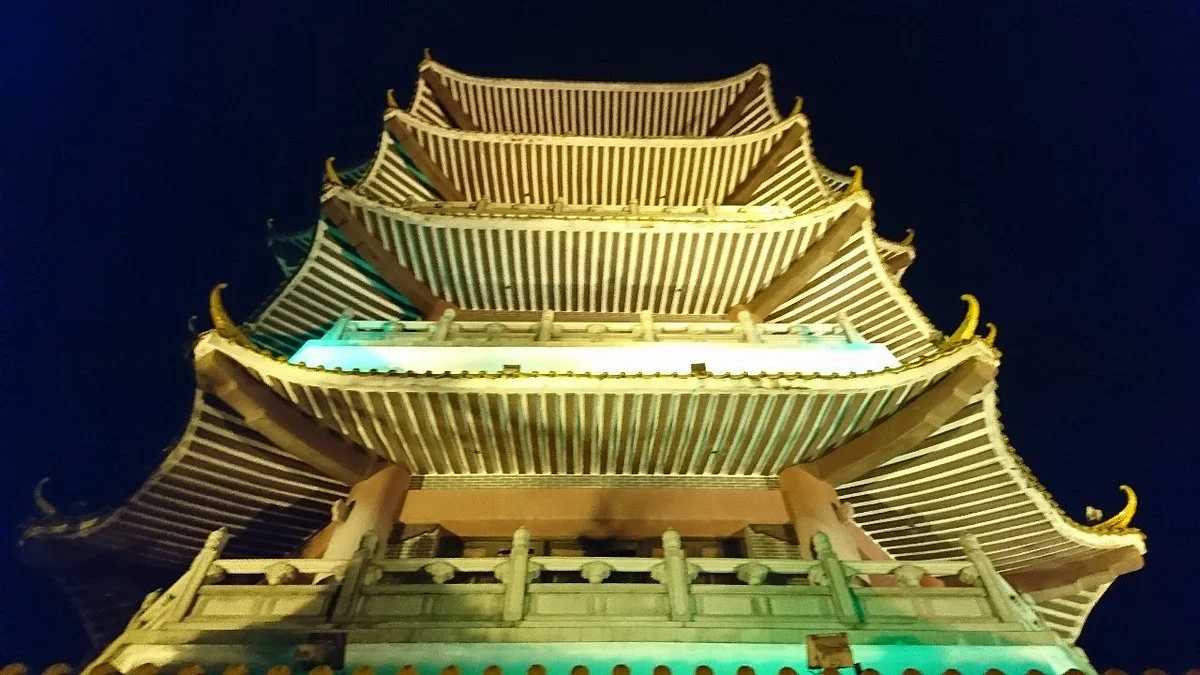
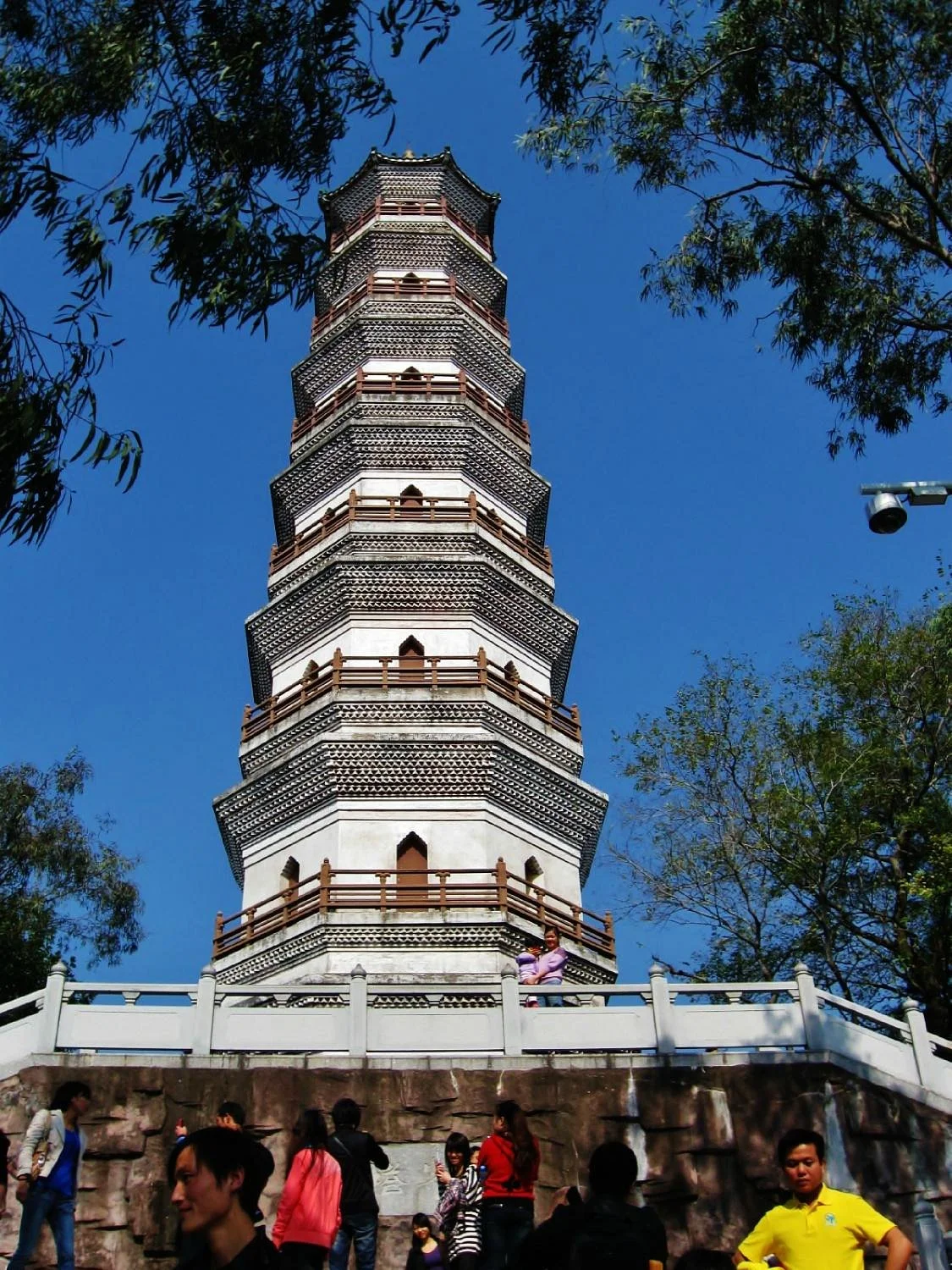
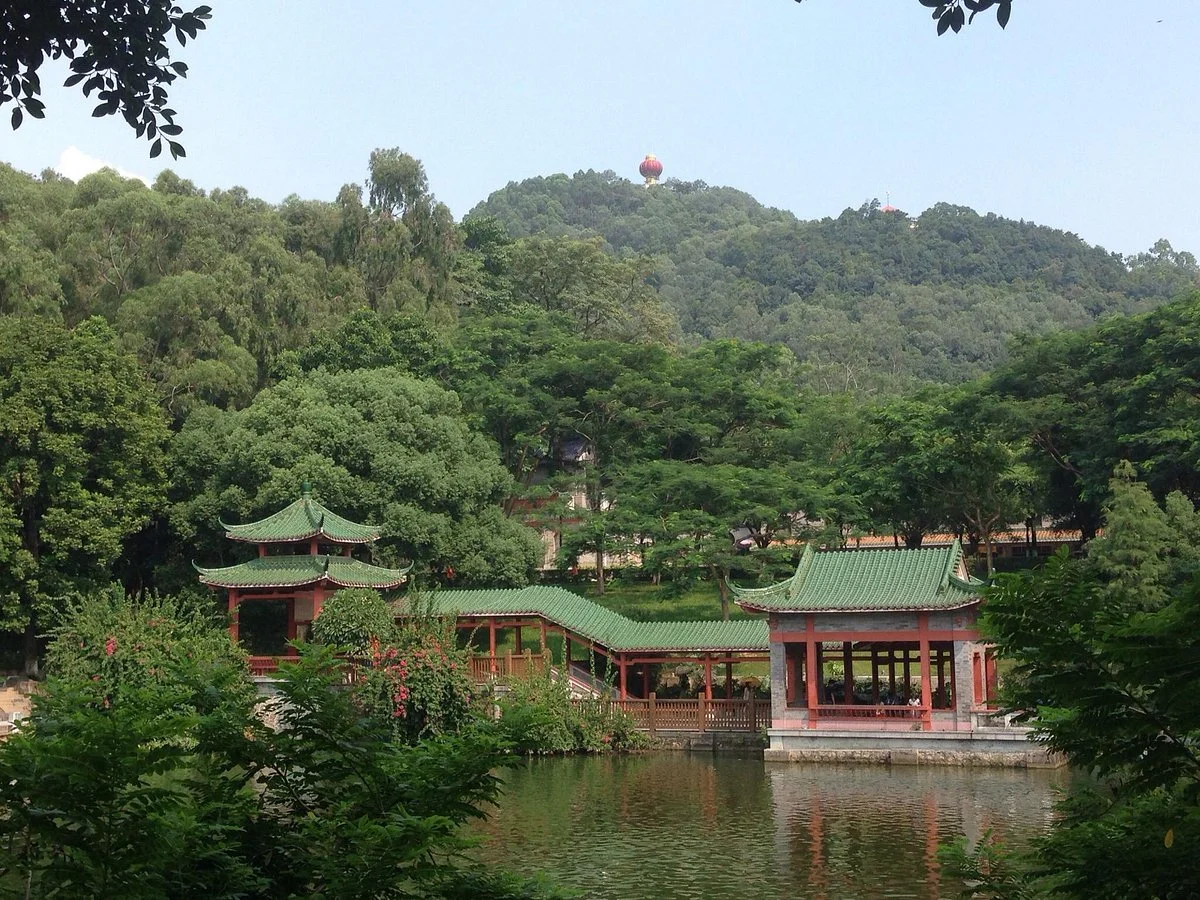
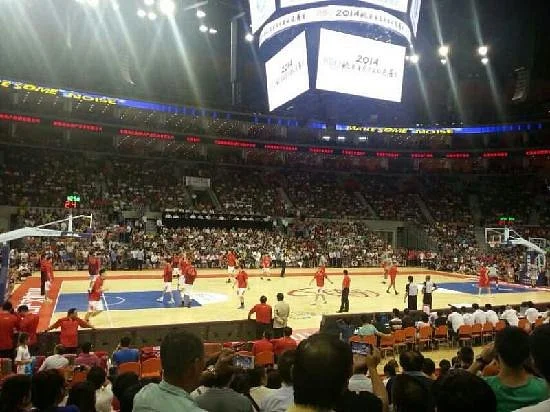
Dongguan has an exhibition center in Dongguan city, which hosts many exhibitions and conferences. There is also a sports center for locals. If you only have a day and want to stay in one area, you might start at Jin'aozhou Pagoda (金鳌洲塔), go east and see Keyuan Garden (可园), and then walk along Dongcheng Avenue (东城大道) for shopping and food. It is not too far to bar street, where you can check out some pretty hopping clubs.
Most four star hotels will have various "foot" massages and sauna services for upwards of ¥150. Saunas and foot massage parlors might be brothels.
Dongguan is known for its Chinese sausages (腊肠 làcháng in Mandarin, laahpchéung in Cantonese) and lychees (荔枝 lìzhī in Mandarin, laihjī in Cantonese).
Most 5-star hotels offer buffets, these are around ¥30-60 for breakfast, ¥100-200 for lunch, and ¥100-300 for dinner.
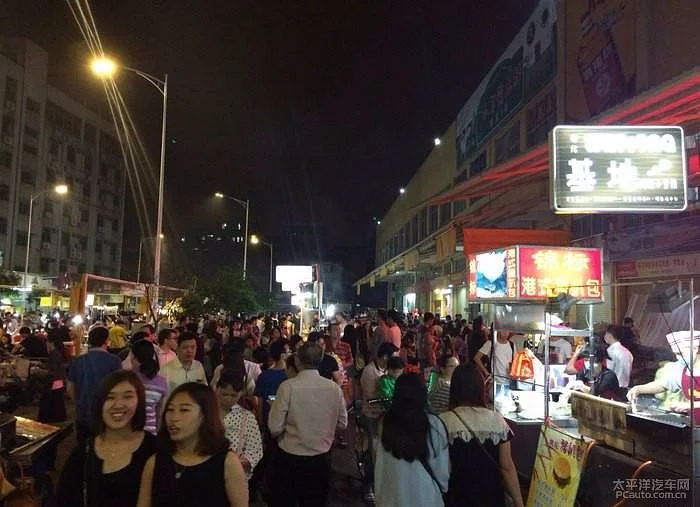
There are many expat-oriented western restaurants in the bar area, particularly on Dongcheng East road. Expect to pay the prices a bit higher than is typical for China, however (but generally cheaper than Hong Kong).
Smaller Chinese restaurants are the likely choice if you wanna be more on a budget - if (not unusually for mainland China) you can manage the lack of the English menus and limited English skills of the staff.
The most popular bars are on or around "Bar Street" (Jiǔbājiē) in Dongcheng. However, like many parts of China, various kinds of services are popular, including prostitution. One should be careful with local girls if they seem to be getting too friendly if you are not looking for such services. Beware of your drink, it is not unheard of foreigners being drugged and robbed. Beer at supermarkets should not cost more than ¥4 a bottle for Tsingtao. Red wine costs from ¥10 a bottle.
Dongguan is well known for its Huanghe Fashion Town located in the Humen District along Renming Road, Renyi Road, Jinglong Road and Yinglong Road. The district houses one of China's largest clothing and textile wholesale markets, which extends over an area of about one square kilometre. Many of the products sold there are exported to Hong Kong and the rest of the world. Everybody can enjoy low wholesale prices, even when buying in small quantities.
The best method for visitors to get around is taxi. Taxis are cheap, and a 30 minute ride should not cost more than ¥80. Beware however, some taxis are used for kidnapping. Be sure to only use the green, licensed Dongguan taxis.
No information available