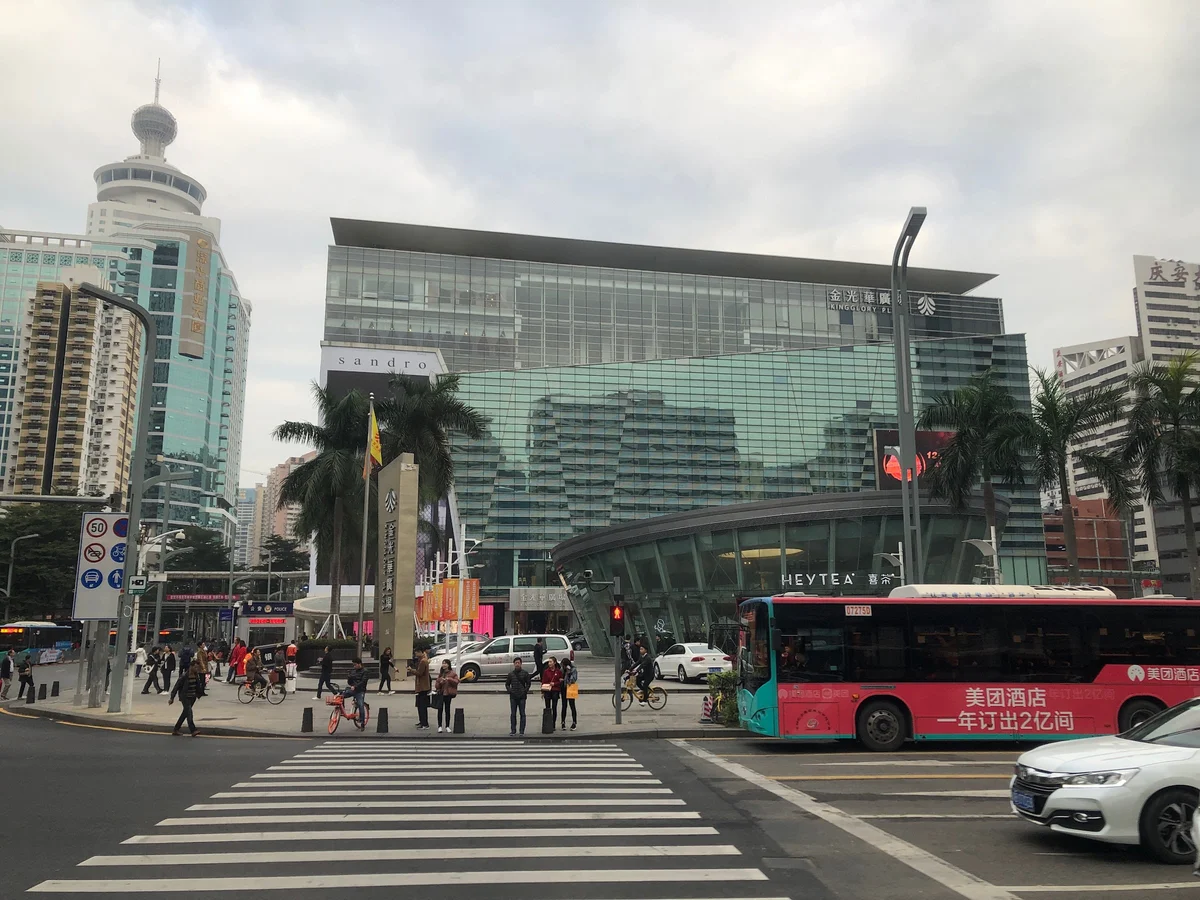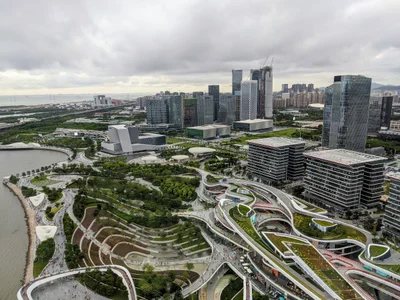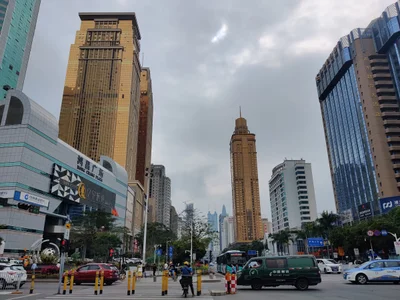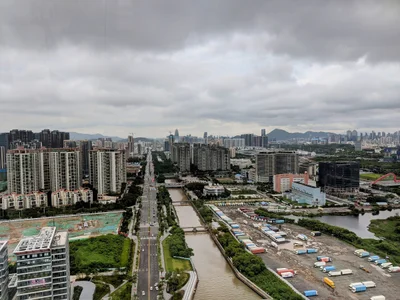
Shenzhen is a city and special economic zone on the east bank of the Pearl River estuary on the central coast of the southern Chinese province of Guangdong, bordering Hong Kong to the south, Dongguan to the north, and Huizhou to the northeast. With a population of 17.56 million in 2020, Shenzhen is the third most populous city by urban population in China after Shanghai and Beijing. Shenzhen is a global center in technology, research, manufacturing, business and economics, finance, tourism and transportation, and the Port of Shenzhen is the world's fourth busiest container port.Shenzhen roughly follows the administrative boundaries of Bao'an County, which was established in imperial times. The southern portion of Bao'an County became part of British Hong Kong after the Opium Wars, while the village of Shenzhen was on the border. Shenzhen railway station was the last stop on the mainland Chinese section of the Kowloon–Canton Railway, and Shenzhen's economy grew and it became a city by 1979.
In the early 1980s, economic reforms introduced by Deng Xiaoping resulted in the city becoming the first special economic zone of China due to its close proximity to Hong Kong, attracting foreign direct investment and migrants searching for opportunities. In thirty years, the city's economy and population boomed and has since emerged as a hub for technology, international trade, and finance. It is the home to the Shenzhen Stock Exchange, one of the largest stock exchanges in the world by market capitalization and the Guangdong Free-Trade Zone. Shenzhen is ranked as an Alpha- (global first-tier) city by the Globalization and World Cities Research Network. Its nominal GDP has surpassed those of its neighboring cities of Guangzhou and Hong Kong and is now among those of the cities with the ten largest economies in the world. Shenzhen also has the eighth most competitive and largest financial center in the world, the seventh-most Fortune Global 500 headquarters of any city in the world, fifth-highest number of billionaires of any city in the world, the second largest number of skyscrapers of any city in the world, the 19th largest scientific research output of any city in the world, and several notable educational institutions, such as Shenzhen University, Southern University of Science and Technology, and Shenzhen Technology University.
The city is a leading global technology hub. In the media Shenzhen is sometimes called China's Silicon Valley. The city's entrepreneurial, innovative, and competitive-based culture has resulted in the city being home to numerous small manufacturers and software companies. Several of these firms have become large technology corporations, such as Huawei, Tencent, and DJI. As an important international city, Shenzhen hosts numerous national and international events every year, such as the 2011 Summer Universiade and the China Hi-Tech Fair.
The residents of Shenzhen are made up of immigrants from all over China, possessing the youngest population structure in the country and an anti-discrimination urban culture.
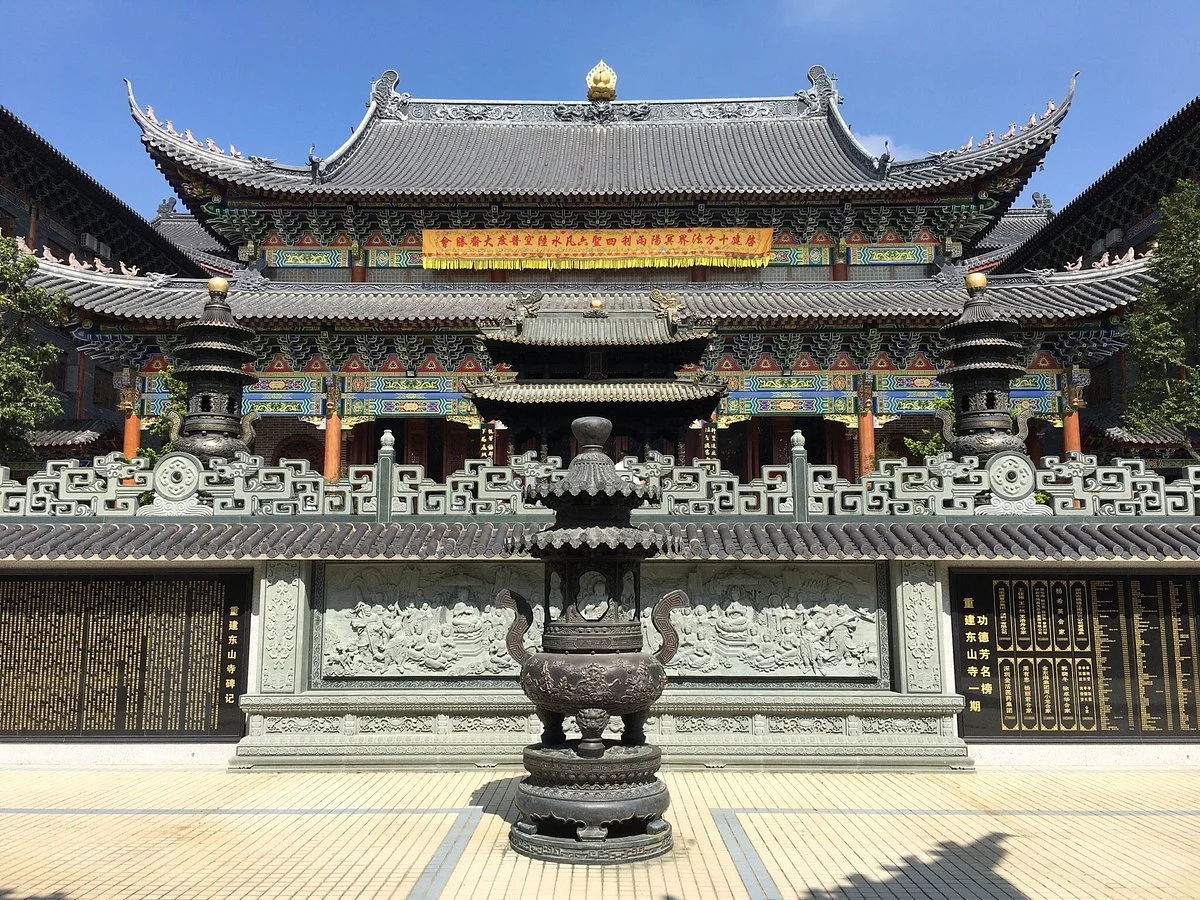
People, even long time Shenzhen residents, will confidently tell you that "Shenzhen has no history". However, there is a surprising number of historic sites, some of great national significance, dating back to the twelfth century. Shenzhen, it seems, was critically involved in a number of historical events, especially the collapse and final stand of the Southern Song Dynasty (13th century), the last stand of the Ming Dynasty (17th century) and the Opium Wars (19th century). Historic sites are concentrated in Nanshan and the eastern parts of the city. Eastern Shenzhen also has several well-preserved traditional Hakka villages. History museums downtown and in Bao'an tell the story of modern Shenzhen's rapid development from farmland and fishing villages to a global hub for technology and commerce.
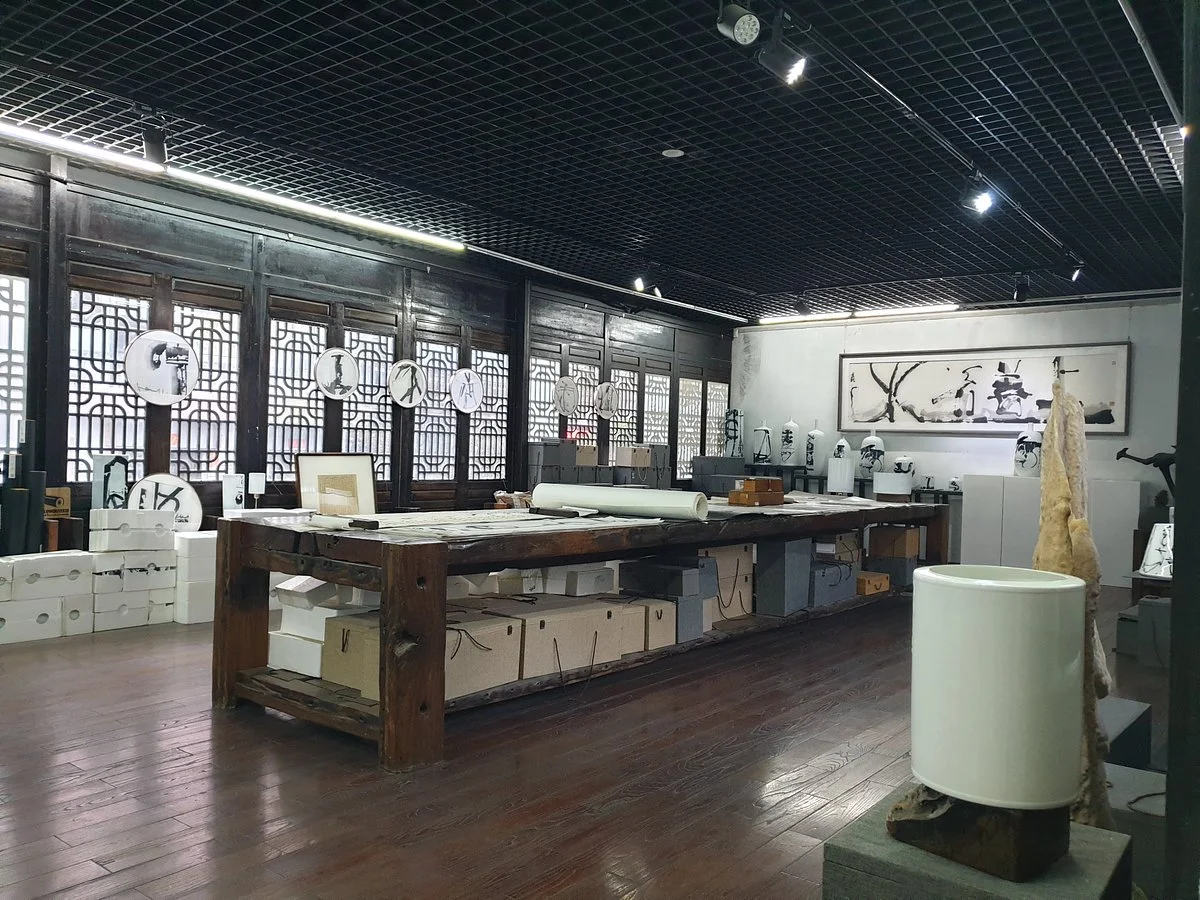
As a center of design and manufacturing, Shenzhen has a variety of museums of design and industry. Some are downtown, but most seem to be scattered through the city's industrial suburbs. There's also a surprisingly rich array of art galleries, mostly downtown and in Nanshan but also some in the suburbs.
Many museums are closed on Mondays.
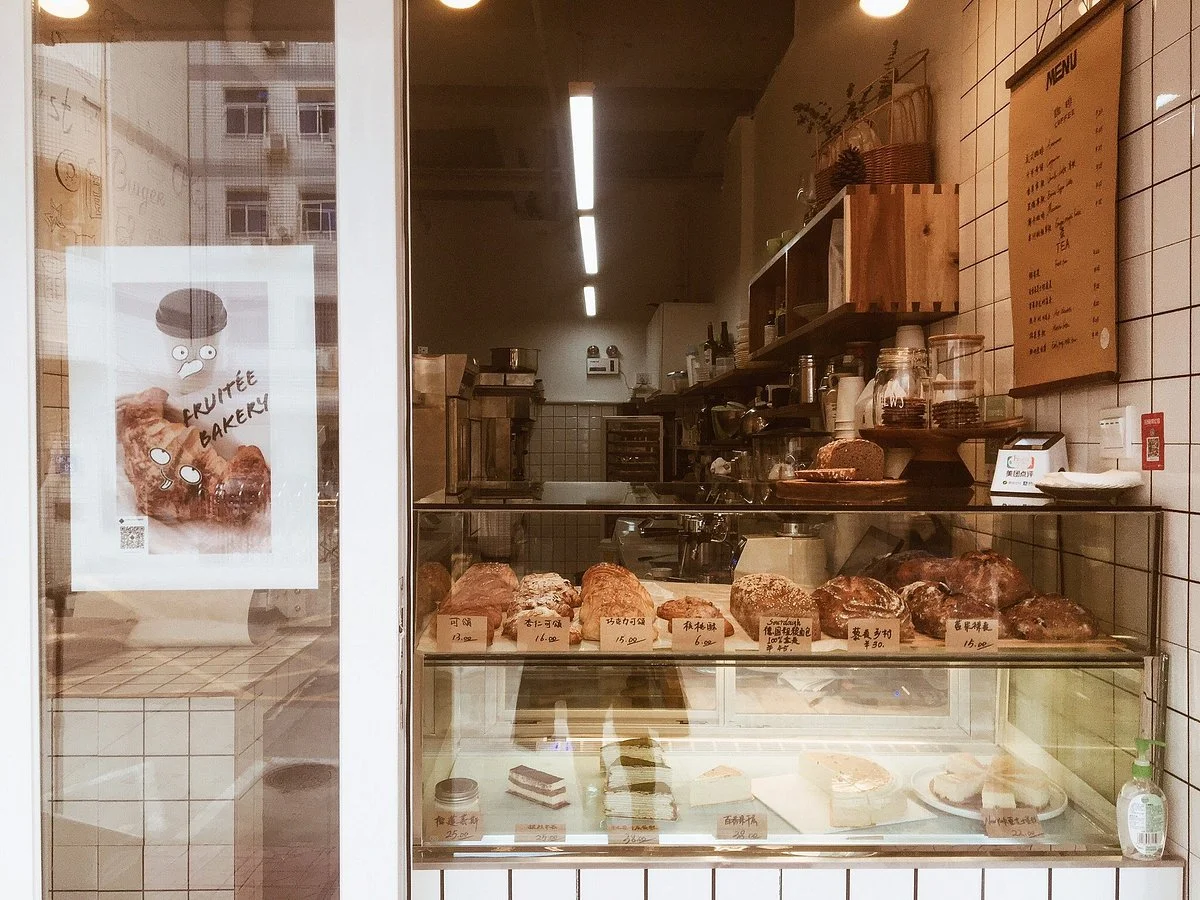
temple Because Shenzhen is a migrant city, all of China's regional cuisines are represented here, with Guangdong, Hunan, and Sichuan food particularly common. Restaurants range from hole-in-the-wall establishments for homesick working class arrivals to opulent food palaces for businessmen and politicians entertaining clients. Spending ¥100 on a fantastic meal is no problem (though, you can spend ¥40 or less on a fantastic meal in Shenzhen). Treat yourself, and enjoy the wonderful food and variety of Shenzhen!
Some outer neighborhoods in Shenzhen are known for a local specialty. Probably the most famous are oysters (生蚝 shēngháo) in Shajing in the far northwest of the city (Bao'an district)—they're said to be the "milk of the ocean floor", and the local ones are delicious and high in protein.
International chains such as McDonald's, KFC, Pizza Hut, and Starbucks are easy to find, especially in malls and Eat Streets (see below), and expensive foreign restaurants catering to expats are scattered throughout the city too. The biggest concentration by far is in Shekou.
As well as casual restaurants and fine dining, Shenzhen is famous for its "Eat Streets". These are agglomerations of cheap and cheerful restaurants serving food from all over China. Despite the name, they're not limited to a single street; they may be spread over a small area of streets and alleys. They are not elaborate but they are friendly and fun and some of the food is to die for. Different Eat Streets often specialise in food from different parts of China. See district articles for individual listings.
If you want to drink beer, Tsing Tao is a popular Chinese beer, or try Shenzhen's own Kingway Beer (金威啤酒), brewed in two locations in Shenzhen and available in any convenience store, bar, or restaurant. In stores such as a.best, Carrefour or Wal-Mart it will cost ¥3.50 per can, or ¥3.80 for a large bottle (you will need a bottle opener). 7-Eleven sells Kingway for ¥9, and local restaurants about ¥12-35. Bars typically charge slightly more than restaurants.
Most of the nightlife is in Futian, Luohu, and Nanshan.
Shenzhen is internationally best known as the epicentre of electronics. The city and surrounding urbanization are home to countless circuit board manufacturers, assembly houses, retailers, and supporting businesses. Many of them will happily give you a tour on request! You can't say you have visited Shenzhen without having strolled through its electronics markets, and filled your backpack with LED strips!
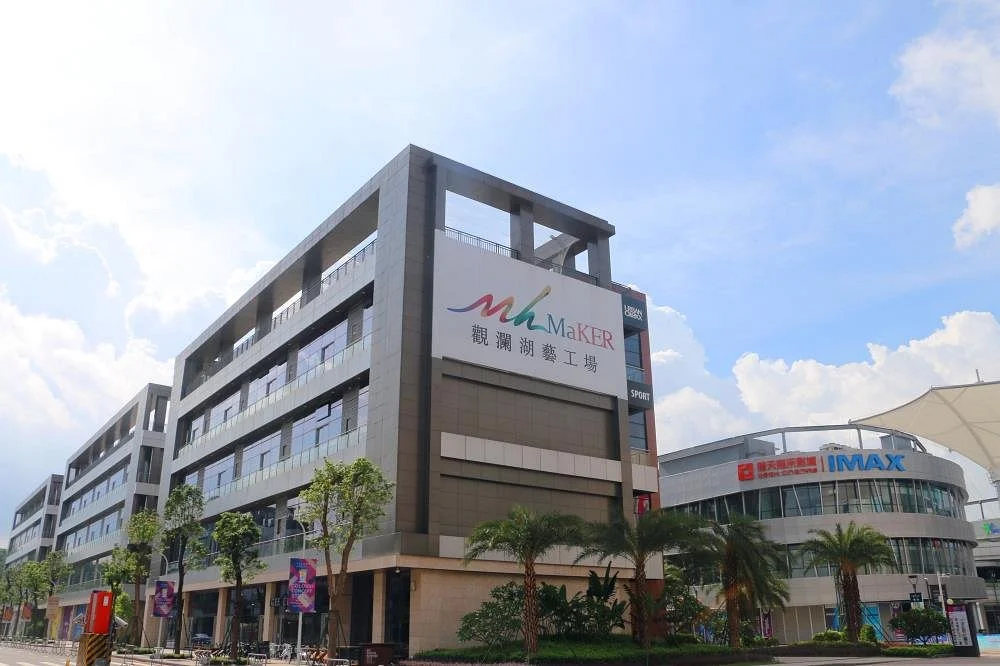
Most of the shopping is downtown: cheap markets for day-trippers from across the border, luxurious malls for the city's nouveau-riche, and the famous electronics markets.
WeChat Pay and Alipay are the primer ways of electronic payment at almost any store; besides this, cash is king. You can withdraw cash from most ATMs with Visa and other cards, but you need a Chinese bank account to use WeChat or Alipay. As for credit cards, as of 2018 they are seldom used by the Chinese and are quickly fading into obscurity. Major credit cards i.e. Visa, Masters, HSBC are sometimes accepted throughout Shenzhen but don't count on it. Always ask first if they accept cards. JCB and American Express have limited coverage. Always contact your bank before travel to ensure that your card will work in China and that you can withdraw cash from ATMs.
At places in Luohu, cash or AliPay/WeChat are highly recommended. Some places charge an extra 10% for credit card purchases. The shop assistants will bring you to shops that have credit card processing machines. At shopping centers, remember to check with the cashiers to see if they accept credit cards before making purchases. There are few shopping centers that accept credit card with passport verification, though you may lose your discount on the purchase.
Be careful when getting change from large notes as people may try to give you Hong Kong dollars instead of Yuan as the coins can look the same. The Hong Kong dollar is worth less than Yuan.
Currency exchanges are available near some border crossings and in Futian metro station. For currency information, see the China page.
Most tourists visit Shenzhen on a day trip from Hong Kong, but there are also plenty of options should you wish to spend the night here.
Attractions in Shenzhen are spread out, so if you want to be able to see different parts of the city, look for lodging near a centrally located metro station (ideally in Futian or Luohu). If you're taking a longer trip and want to get out and explore the far-flung corners of the city, you may want to move around and find lodging in different districts—fortunately, there are plenty of hotels all over Shenzhen, so whatever you're interested in, you can surely find a place to sleep nearby.
Many budget hotels say they don't accept foreigners (most likely they don't want to deal with the extra paperwork), though at some you might be able to talk your way into a room anyway. More expensive hotels shouldn't be a problem, and they're present in both central locations and out-of-the-way districts to serve business travellers.
At Chinese New Year (usually February), prices usually double or substantially increase. Unlike other cities, however, the explosive development of hotels in Shenzhen means rooms, while more expensive, will generally still be available even at the busiest times.
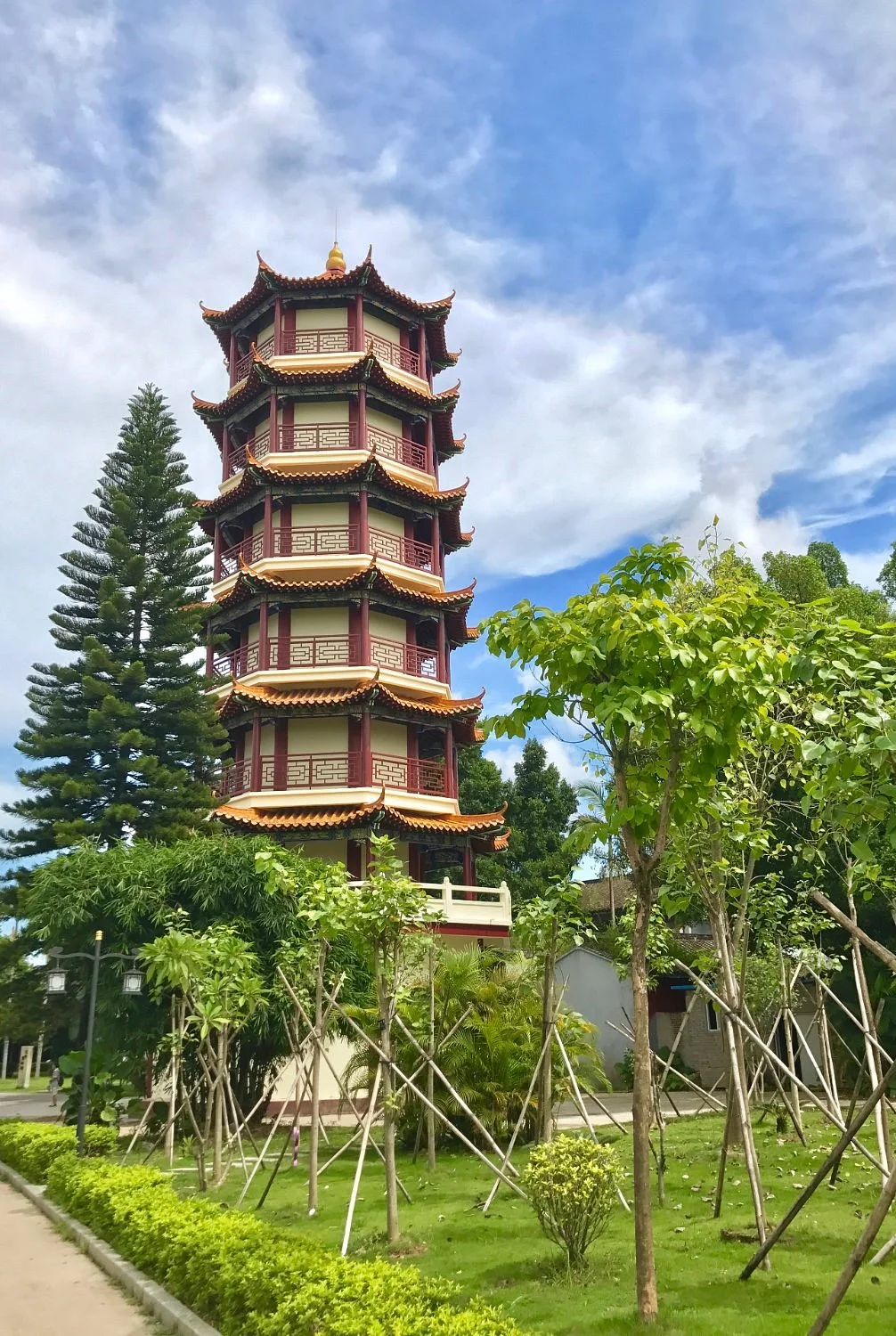
Museum of Hakka Culture Shenzhen is big and spread out, so places can be further apart than they look on a map. When estimating travel time within the city, don't just eyeball it—check a map app to see how long it'll take to get somewhere.
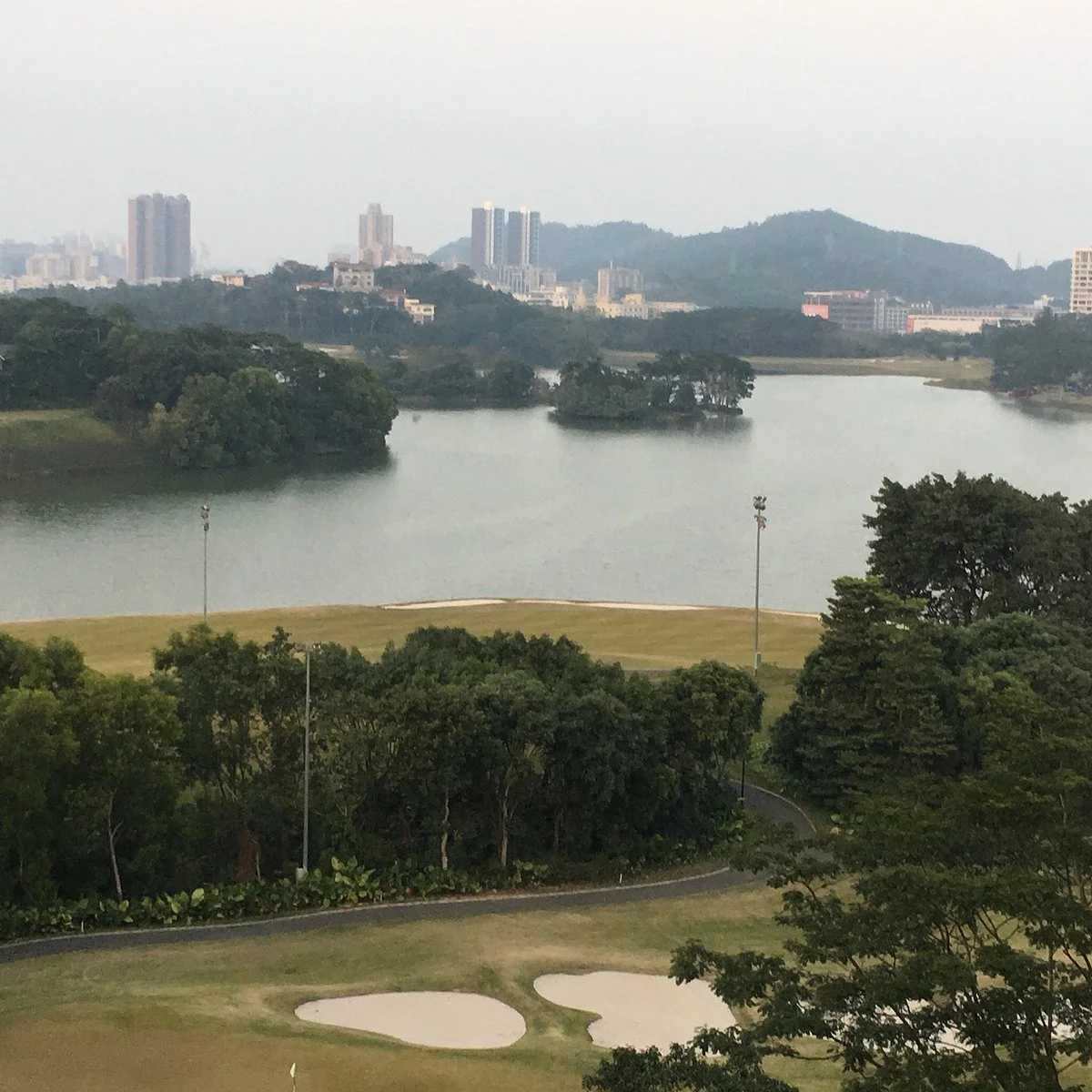
In 1980, Shenzhen was a market town on the Hong Kong border with 30,000 people. (Contrary to the quite widespread myth, Shenzhen was not a fishing community.) Then, Chinese leader Deng Xiaoping designated the city the first of China's Special Economic Zones (SEZs). This was part of the "Reform and Opening Up" policy to revitalize China's economy after its stagnation in the previous decades. The plan was to create a sealed off enclave to experiment with market reforms and performance incentives without posing a threat or risk to the established political and economic system elsewhere in China. Shenzhen won the honor because of its proximity to the abundant capital resources and management expertise across the border in Hong Kong. Since then, it has been a real boom town and today is a bustling city of around 20 million. It's full of skyscrapers and factories, but also surprisingly green with lots of trees, parks, and mountains.
Residents will tell you Shenzhen is a young city, and it's true in two senses: the city itself is new, and it's also full of young people, drawn to Shenzhen from other parts of China by the city's job opportunities. Shenzhen is now the main hub of China's booming tech industry, and saw its GDP surpass that of neighboring Hong Kong in 2018.
Shenzhen has one of the highest population densities in the world, and one of the highest per capita GDPs in China. Somewhat ignored by international travellers, Shenzhen is a popular destination for Chinese domestic tourists who have been attracted by its famous theme parks, but as the city has developed and become richer they are increasingly drawn by Shenzhen's famous architecture, shopping, bars, restaurants and active art scene. Shenzhen's beaches have become famous throughout China, and the city's scenic mountains are popular for hiking. Visitors are also starting to recognize some fascinating historical sites, particularly those related to Hakka culture and Hong Kong's annexation after the Opium Wars, which are scattered throughout the suburban area.