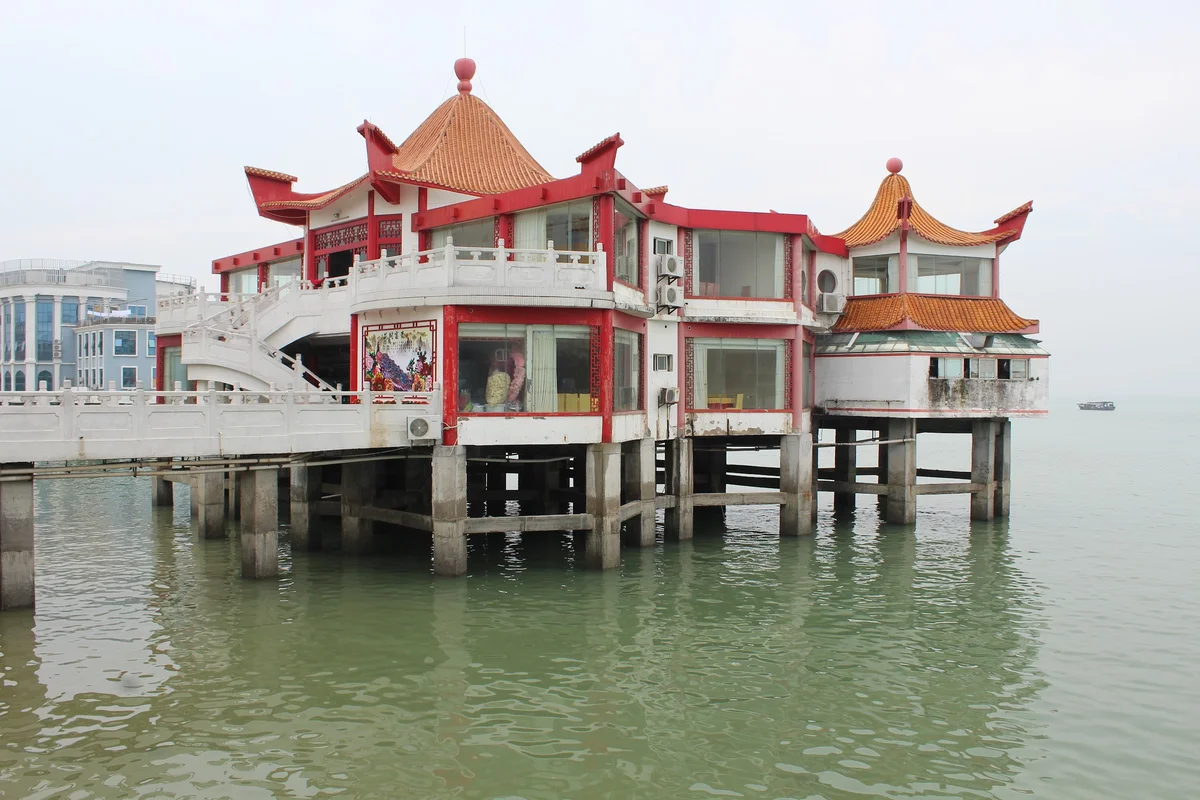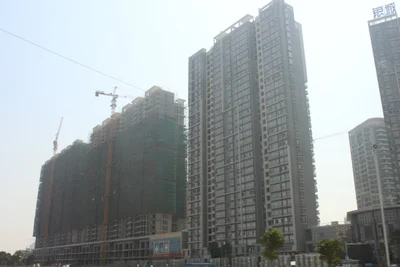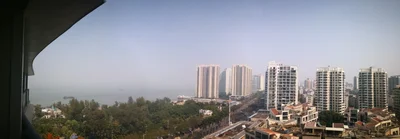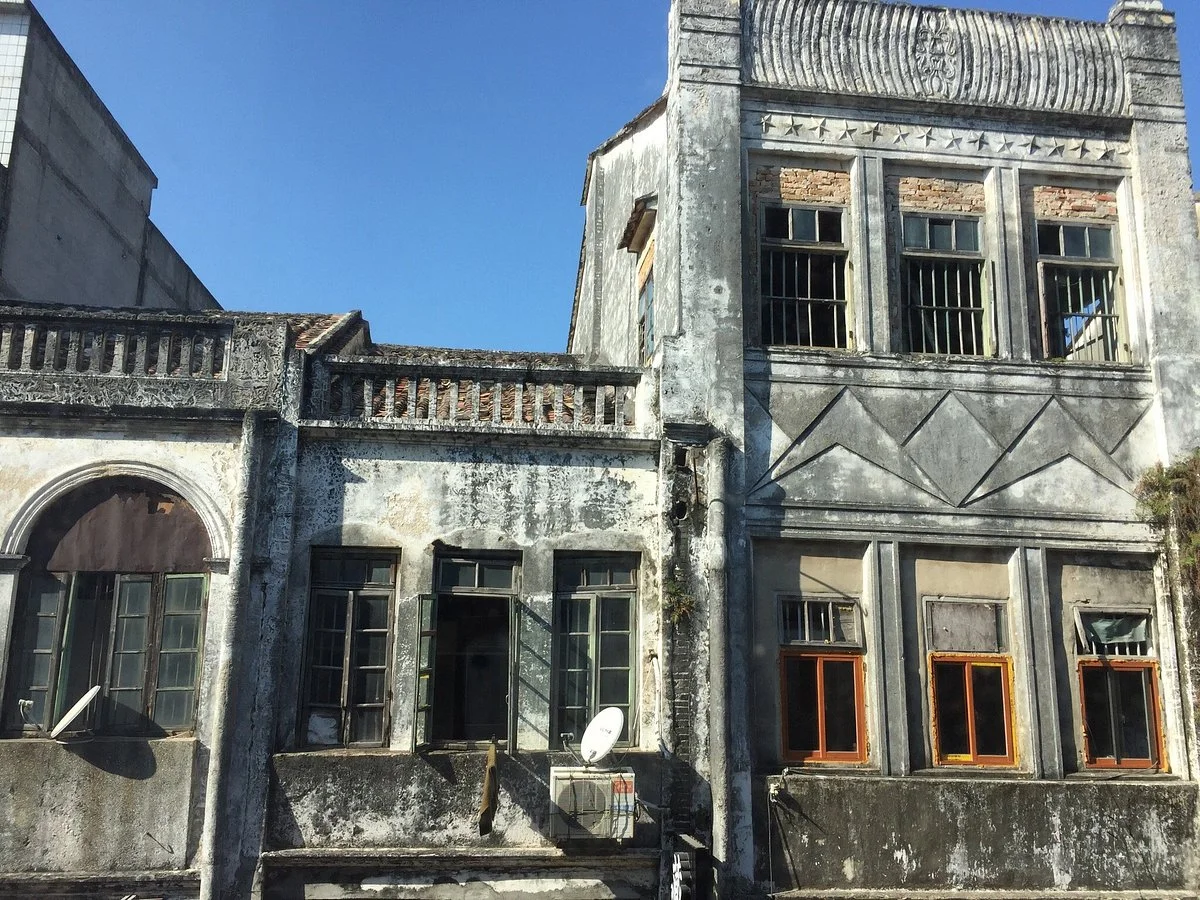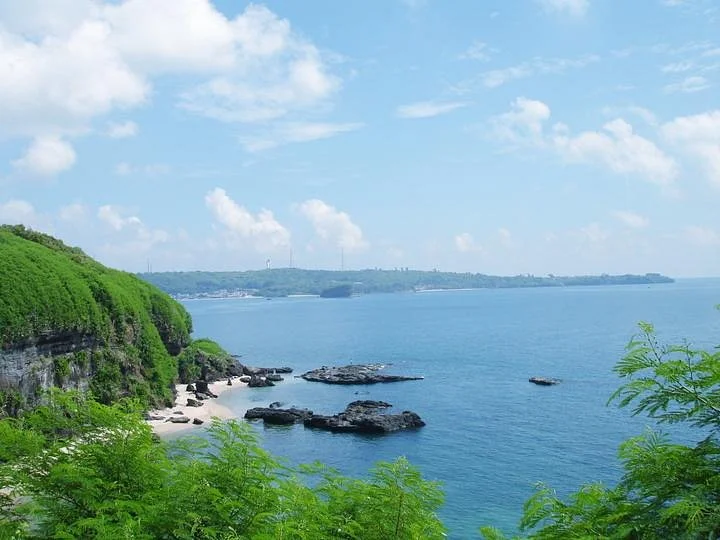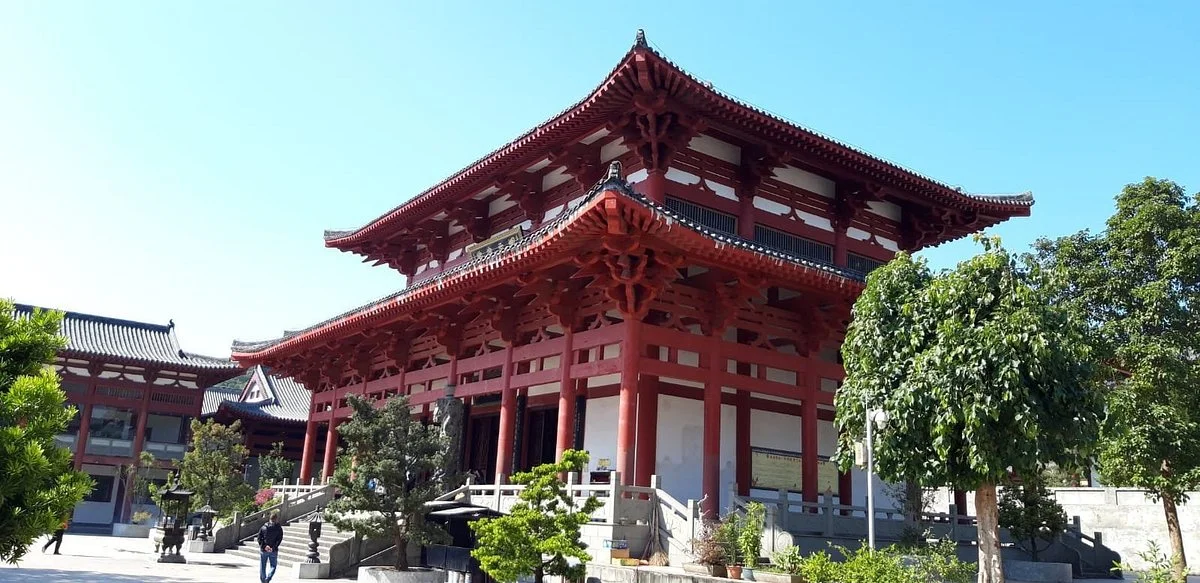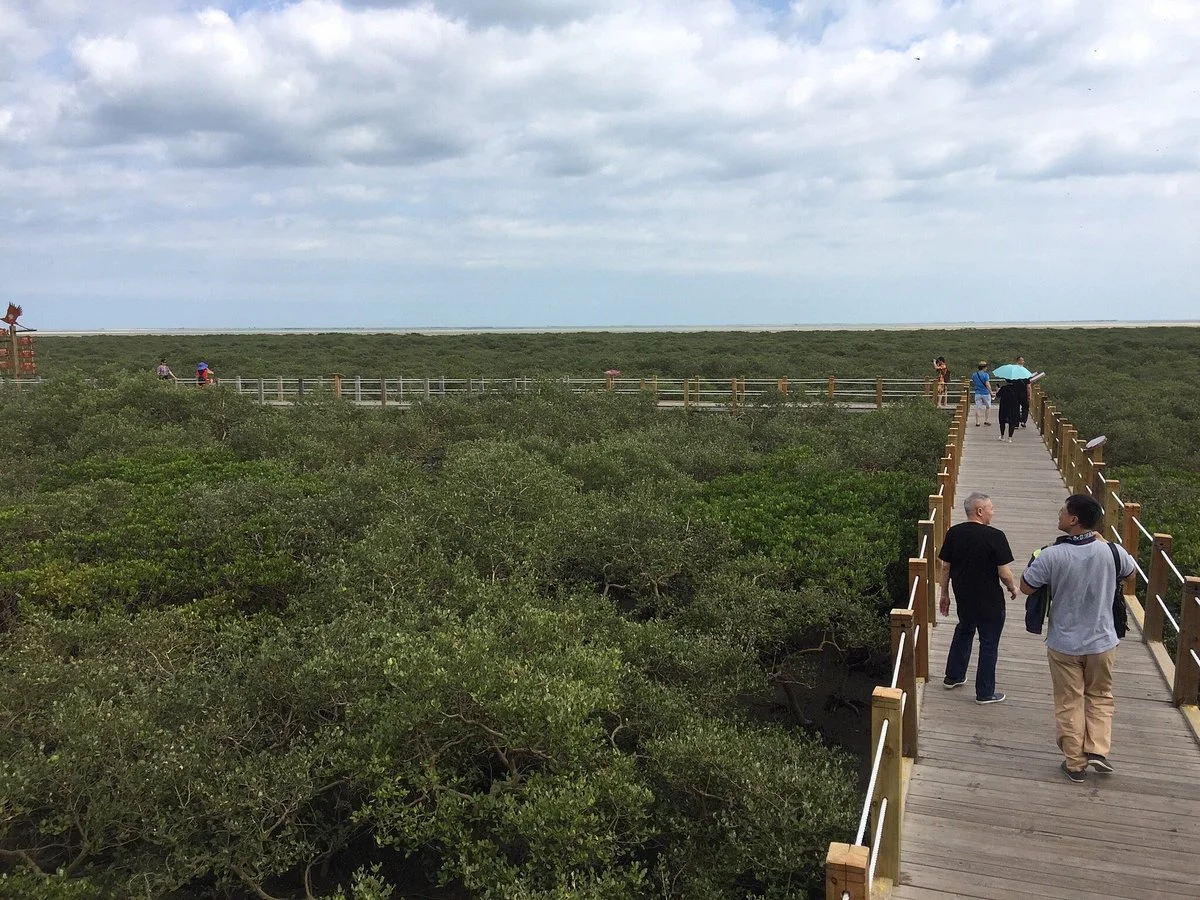
Beihai (Chinese: 北海; pinyin: Běihǎi; Postal romanization: Pakhoi) is a prefecture-level city in the south of Guangxi, People's Republic of China. Its status as a seaport on the north shore of the Gulf of Tonkin has granted it historical importance as a port of international trade for Guangxi, Hunan, Hubei, Sichuan, Guizhou, and Yunnan. Between the years 2006 and 2020, Beihai is predicted to be the world's fastest growing city. Beihai has a large shipyard, but most of the money generated in the city is derived from trade.
In addition, it governs the small islands of Weizhou and Xieyang, and is directly west of Leizhou Peninsula.
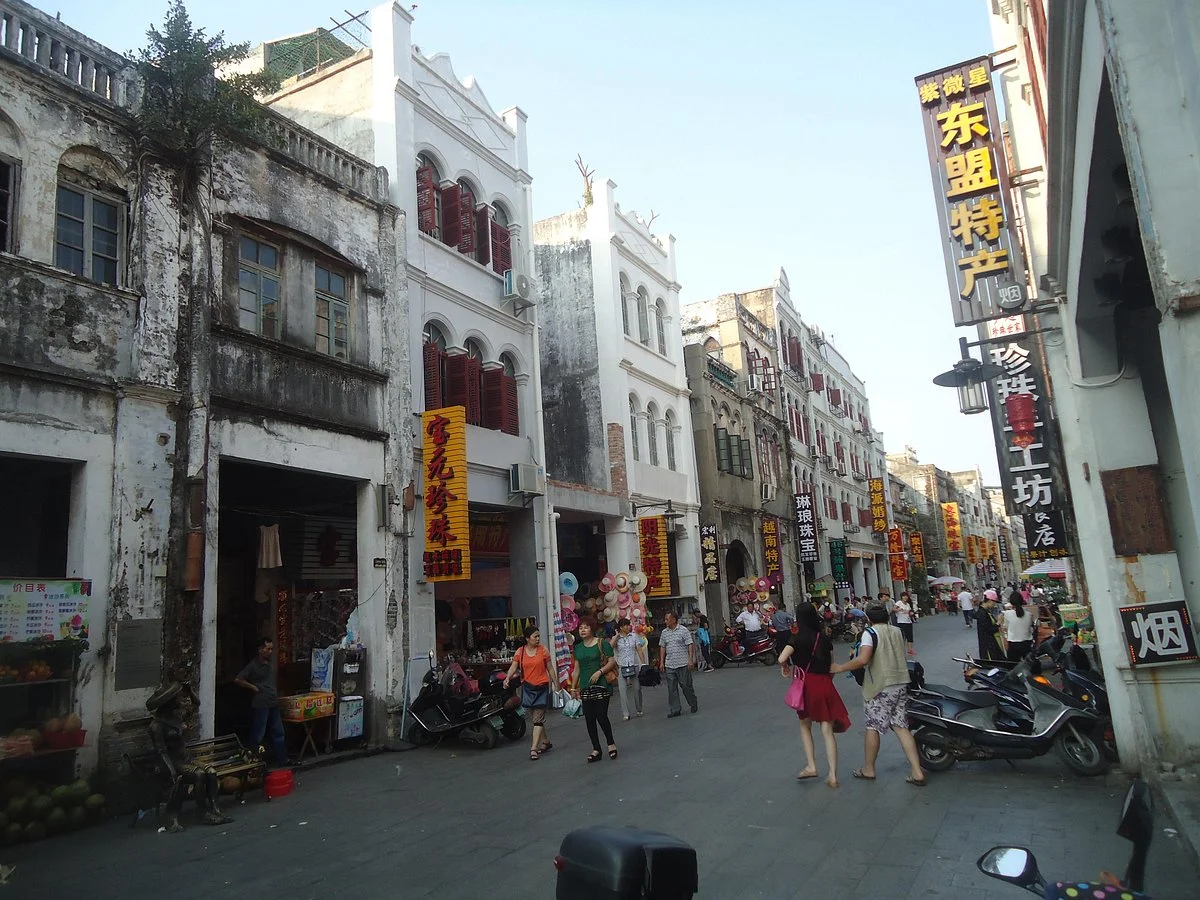
At daytime it is a relaxed pedestrian zone filled with souvenir stores and a few coffee shops.
There is seafood everywhere and it is very cheap, about half the price of Shanghai or Hangzhou. When ordering anything with meat in a restaurant there is a chance of getting rat meat although you ordered beef.
There are two big seafood markets in Beihai, Donghai Market and Nanzhu Market. The price in Donghai Market is much more reasonable, but the quality is a little bit lower than Nanzhu Market. At Beiyun Market (北云市场) and Guizhong Market you can buy raw seafood. Salted and dried aquatic products can be bought in Shuichanpin Market (水产市场). A delicacy in Beihai (as in other coastal/sub tropical Chinese cities) is half a pineapple on a stick. Yours for less than ¥2.
On Seafood Island (Waisha), on the northern shore there are many places (restaurants as well as tents, etc.), which offer various cooked sea foods. But going to the island restaurants may be difficult for those unable to speak Chinese as the price of seafood is quoted per wubaike (500 grams, also known as jin). In the fishing village Dijiao, there are some small eating places which offer cooked sea food much cheaper.
By far, some of the best eating in Beihai takes place at any of the various night markets. Most night markets tend to start around dusk, and food can be purchased from a wide variety of vendors who, in addition to cooking local seafood, vegetables and serving drinks, also provide plastic seats and chairs.
Pizzas are not so special in Bei Hai any more, but do not expect the Italian variety. Among other places, you will find a pizzeria in Changqing Rd, which also offers food specialities of Western countries.
There are a couple of music bars (discos) in the city centre, for example The Nest not far from the main office of China Mobile near Beibuwan Square, and at Old Street and No ONE bar in the Triumph building opposite McDonalds and N0. 88 bar in Guizhou Rd, not far from The Nest. In some of these places you have to order a sixpack at a price range above ¥100 if you want a beer, in others you accordingly get charged more for a single drink. Music is usually trendy, noisy and very little room for dancing.
As mentioned above there are 4 western-owned bars:
The area produces pearls. They are sold in certain central high rises, for instance near RT Mart. Best place for pearls, and also dry fish, is at the aquatic products market on Yunnan road. There are a few shopping malls, such as Walmart and Wanda, and another one near the train-station.
Hotel prices are usually lower than in other tourist cities. The Shangri-La, a five-star hotel, charges about US$60–70 for a single room.
As in all Chinese cities the easiest option is to check the prices of the local hotels through websites like ctrip to get an idea about the price range, then walk to the hotel and check and book the room at the reception.
There are quite a few low cost hotels, for instance near the bus stations: There are a bunch of hotels from ¥35 and up, but do not expect air-conditioning at that rate. Rooms provided with that will cost at least ¥100. Look at the room, then ask for a discount. Depending on the room, the hotel may or may not be willing to turn on the heat during winter months.
A bit more expensive, but still very reasonable, are the hotels around Beibuwan Square, for example Guang'an Hotel on Sichuan Rd.
There is a clean and well done hostel at Qiaogang Town called Seahouse. It has dorm and other style rooms. Dorm is around ¥35-45. The hostel is 50 m from beach.
There are many taxis, motorbike taxis and tricycles. However, they will often try to overcharge you if they know you are not a native of China, or Beihai. Minimum rate for everything moving around apart from taxis stands at ¥4, even though the formal rate is ¥3. Haggling is customary, so do not be afraid to ask for a lower rate. Getting a motorbike ride from the bus station to the port is about ¥10.
Using Didi taxi is also common and easy.
Taxis should use a meter; there is a surcharge of ¥1 to be paid in addition to the fare shown on the meter.
There are many buses going everywhere in the city, but bus lines partly seem to follow rather irrational routes, apparently because the city has been growing rapidly and traffic planning has not kept abreast. Tickets usually cost ¥1-2, to be dropped into a box at the driver's seat, have exact money ready. Buses frequently leave from Beibuwan Square in the centre of the city, but mostly do not run at night.
Hellobike (哈啰单车) share bikes operate in the city. If you have an Alipay account, you can use Alipay to unlock them.
Beihai is not much frequented by foreigners, and English is not widespread. The dialect spoken in Beihai is a form of Cantonese, but quite a few people also understand or even speak Mandarin. The Qiaogang area is home to numerous ethnic Chinese who fled Vietnam as refugees during the Sino-Vietnamese War.