Harbin is a sub-provincial city and the provincial capital of Heilongjiang province, People's Republic of China. It is the largest city of Heilongjiang, as well as being the city with the second-largest urban population (after Shenyang, Liaoning province) and largest metropolitan population (urban and rural regions together) in Northeast China. Harbin has direct jurisdiction over nine metropolitan districts, two county-level cities and seven counties, and is the eighth most populous Chinese city according to the 2020 census. The built-up area of Harbin (which consists of all districts except Shuangcheng and Acheng) had 5,841,929 inhabitants, while the total metropolitan population was up to 10,009,854, making it one of the 100 largest urban areas in the world.
Harbin, whose name was originally a Manchu word meaning "a place for drying fishing nets", grew from a small rural fishing village on the Songhua River to become one of the largest cities in Northeast China. Founded in 1898 with the coming of the Russian-built Chinese Eastern Railway, the city first prospered as a settlement inhabited by an overwhelming majority of immigrants from the Russian Empire. In the 1920s, the city was considered China's fashion capital since new designs from Paris and Moscow reached here first before arriving in Shanghai. From 1932 until 1945, Harbin was the largest city in the Imperial Japanese puppet state of Manchukuo.
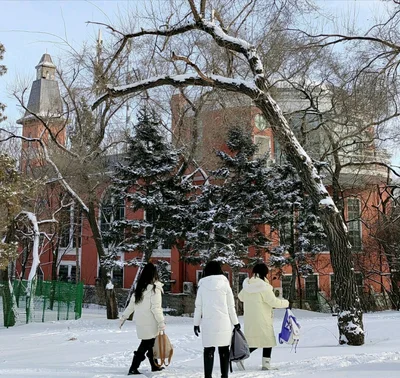
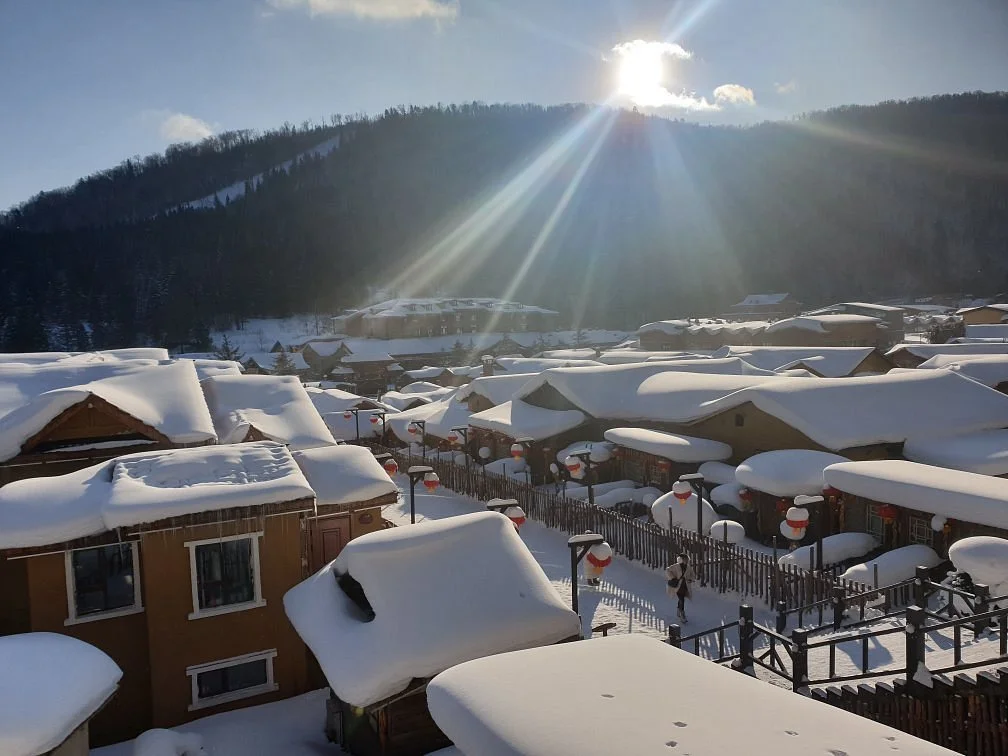
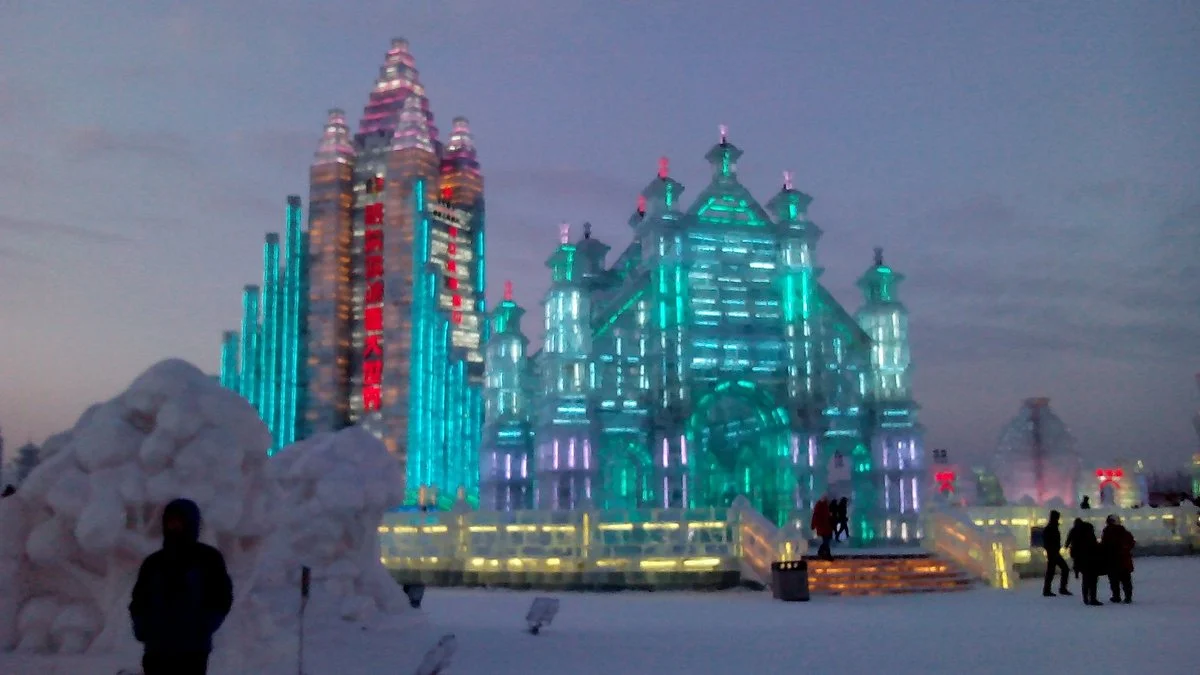
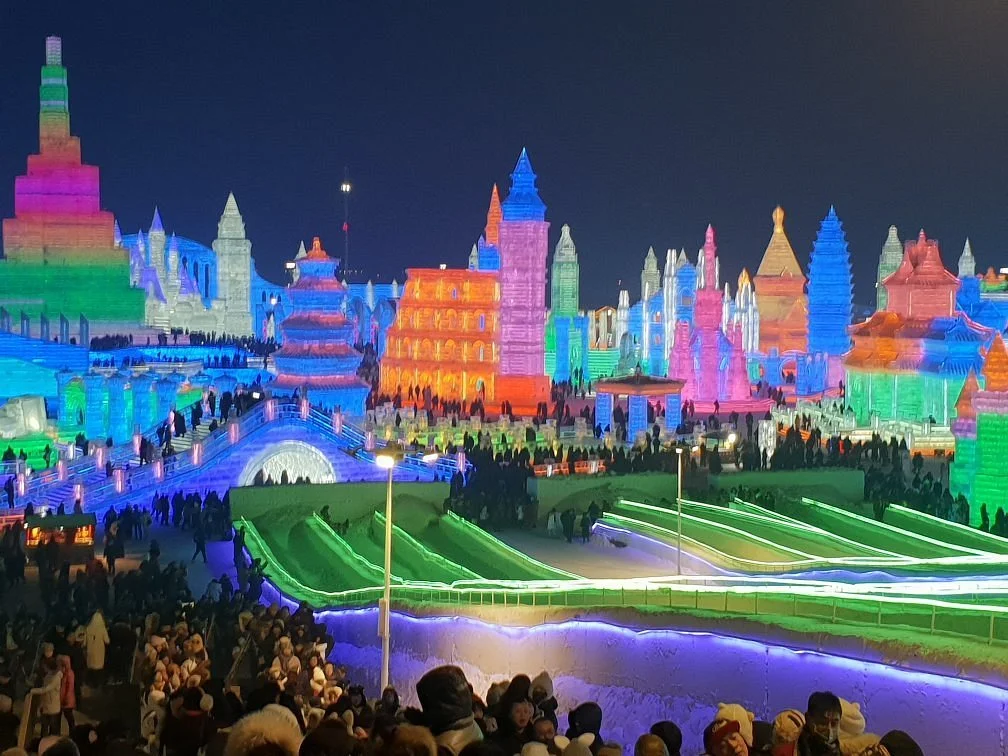
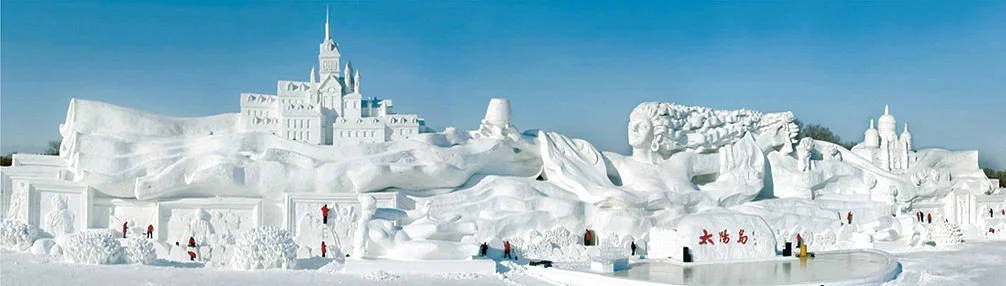
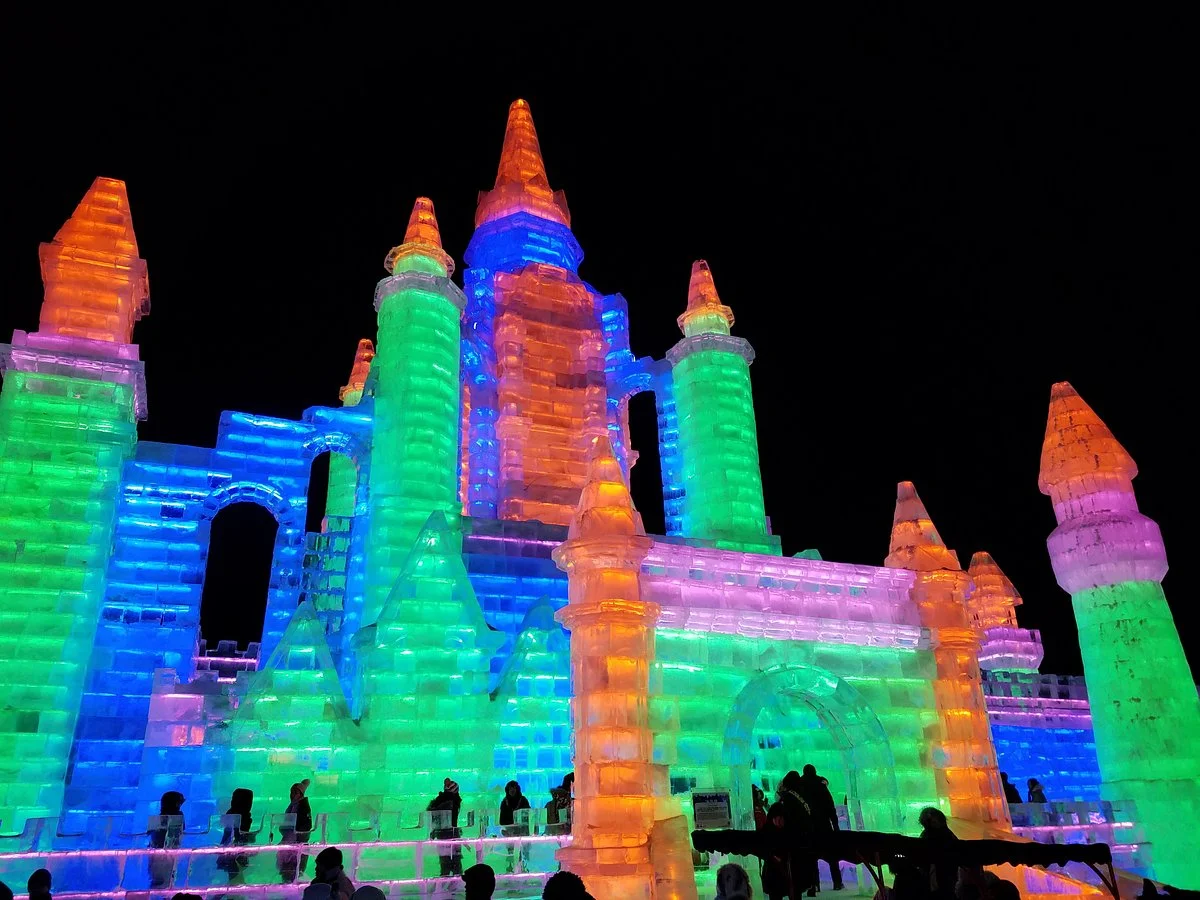
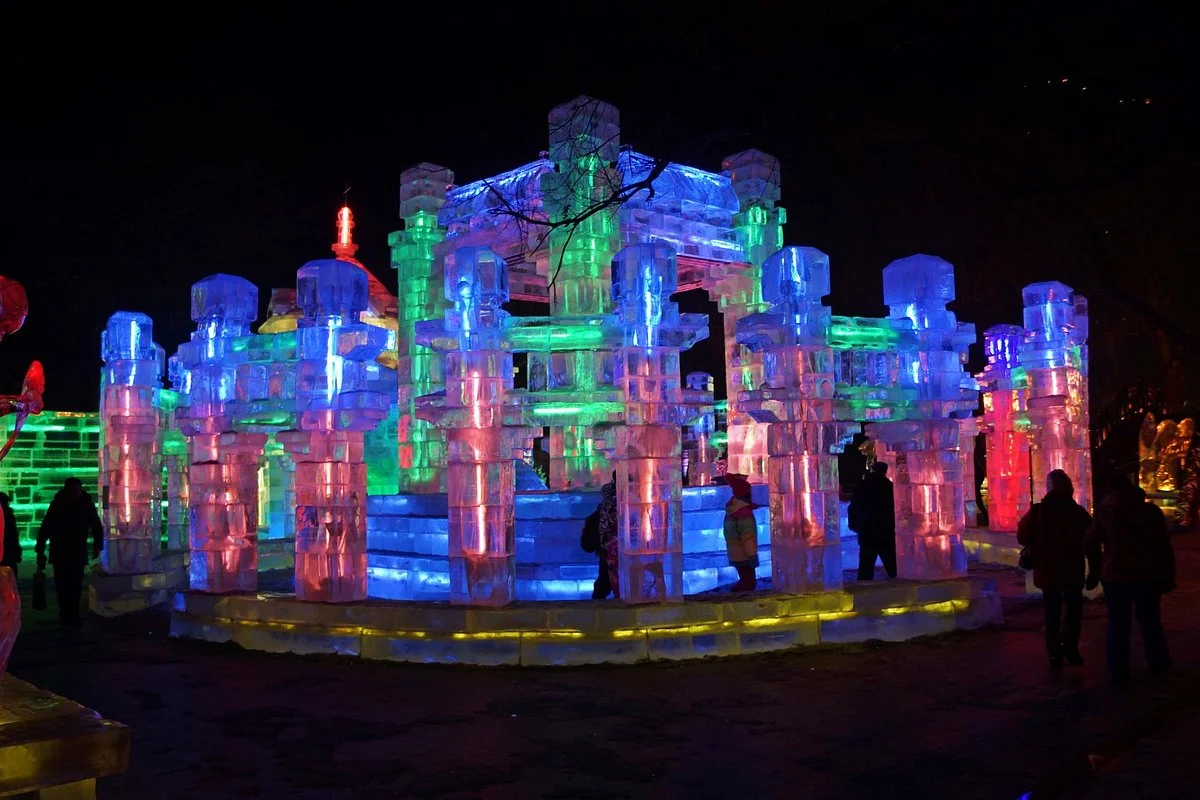
Known for its bitterly cold winters, Harbin is heralded as the Ice City (冰城) for its winter tourism and recreations. Harbin is notable for its ice sculpture festival in the winter. Being well known for its historical Russian legacy and architecture, the city is famed for its European influence and serves as an important gateway in Sino-Russian trade today. Harbin serves as a key political, economic, scientific, cultural and communications hub in Northeast China, as well as an important industrial base of the nation. The city was voted "China Top Tourist City" by the China National Tourism Administration in 2004.Harbin is one of the top 65 cities and metropolitan areas in the world by scientific research output as tracked by the Nature Index. The city hosts several major universities in Northeast China, including Harbin Engineering, Harbin Medical, Northeast Agricultural, Harbin University of Science and Technology, Harbin Normal, Northeast Forestry, and Heilongjiang. Notably, Harbin Institute of Technology is consistently ranked as one of the best universities in the world for engineering.
If there is one thing special about Harbin, it has to be the food. Taking influences from Russia, Mongolia, Korea and of course China, the food in Harbin is much "heartier" than you can find anywhere in China, and stews and other duncai are popular dishes. Because the winters are long here you'll find less exotic ingredients and heavy use of vegetables like cabbage, potatoes, cucumber and corn. Chinese BBQ or shaokao and Hot Pot is also equally popular in Harbin and is a must eat once you get into town.
One thing you will notice is that Dongbei people love to eat, and its not just for the food, but for getting all their friends together at one table and drinking/eating the night away. Thus this city is dominated by restaurants with large tables that seat groups of people. Besides small food stalls, only near the Universities and busy shopping areas will you find cozy little restaurants. In Harbin, liveliness (renao) attracts customers as much as the food; some restaurants are so loud you may need earplugs!
Harbin is also known among the Chinese for its Russian food, though it is often significantly localised and may not be the same as what Russian visitors would be used to back home.
Just because Harbin is below freezing a good amount of the year, doesn't mean it's devoid of nightlife. In fact, Harbin is one of the "rowdier" cities in China. Just don't expect Shanghai or even Beijing "quality" establishments. Most places in Harbin have puke stains on the toilets that are months old. With a good number of foreigners living in the city studying and working, the weekends are always bustling around 2-3 locations such as Blues, The Box, Pacers, or the small bars around the Universities. Dongbei people are reqing (热情) or very lively and seem to drink with almost every meal! Oftentimes at restaurants you'll see drunk men singing away and then lighting up their cigarettes to signal the night is coming to an end. And of course what would be better than to spend the wee hours of the night singing away to the tune of Titanic and Michael Jackson at one of the KTV's that can be found at almost every street corner!
In Harbin, people often start off the night at a cheap shaokao or Hotpot restaurant washed down with ¥1.5 bottles of Hapi. After a long dinner its usually to one of Harbin's clubs or bars to spend the rest of the night. If you are not a fan of the drinking scene, Harbin may not be for you as there isn't much else to do. That being said, there are dozens of small bars and a few cafes, so if you are not one for dancing and loud discos there are plenty of options. Some non-drinking activities include bowling, pool, or visiting a tea house.
Imported Russian goods of all types and qualities are available from tourist shops around town. Look out for vodka, Russian dolls, and chocolate. The local Chinese appeared to have picked up some aspects of Russian cuisine, with western style bread and sausage available around town. Beyond this, the shopping is much like any other city in China.
However in winter, the shops closed quite early due to bitter cold.
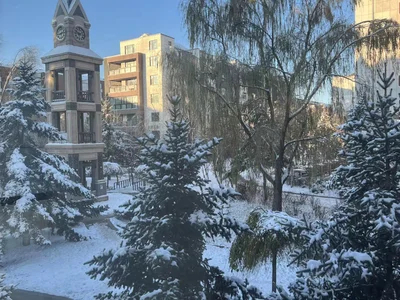
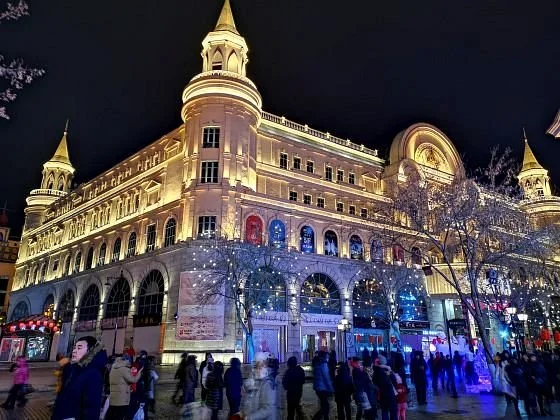
Harbin is China's northernmost major city, with a population in excess of 10 million, and over 4 million in the city center alone. The city has been influenced a lot by neighboring Russia, in particular after the October Revolution of 1917, when the Russians of the White movement that supported the deposed czar escaped the country after the communist takeover, many of whom settled in Harbin. Although most of these Russians were deported back to Russia during the Soviet occupation of Harbin at the end of World War II, or fled following the communist victory in the Chinese Civil War, the Russian influence remains clearly visible in the building styles and foods. As a significant minority of these White Russians were Jewish, Harbin also has much Jewish heritage to explore.
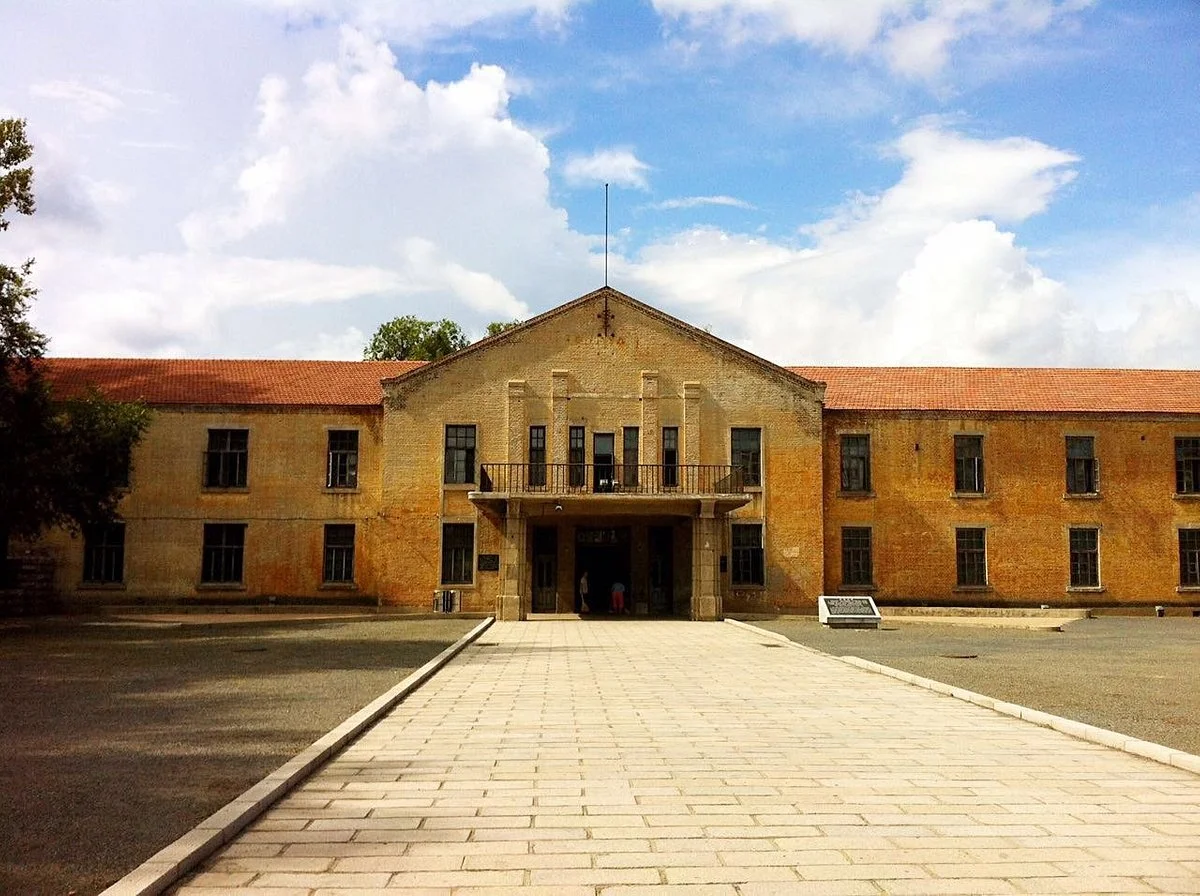
The city was founded in 1897 as a camp for Russian engineers surveying the Trans-Siberian Railway. Labor demands brought in a collection of outcasts from across Russia, Poland and even from within Manchuria. The city was captured by the Japanese during World War II and later taken back by the Soviet Union in 1945, before being returned to China in 1952. Once nothing more than a Russian-built outpost of the railway line, Harbin has managed to become a major player in its own right and the capital of Heilongjiang Province.