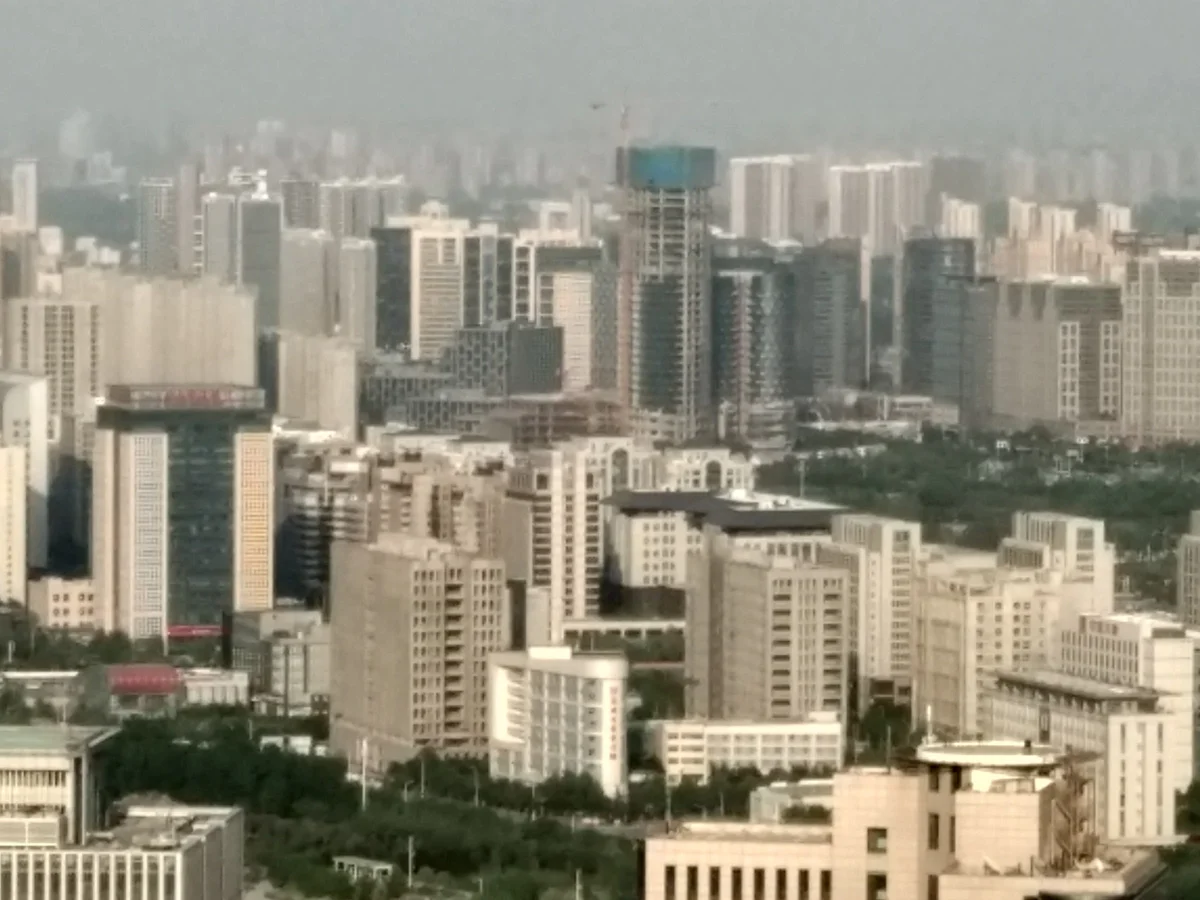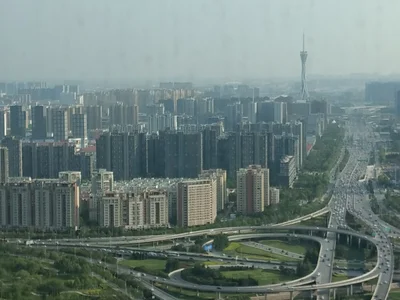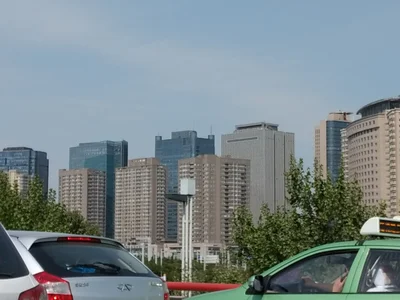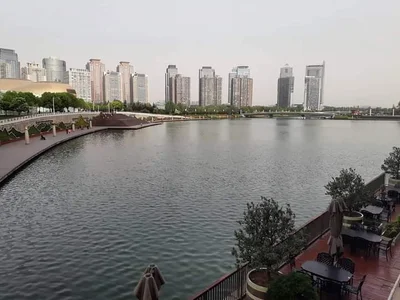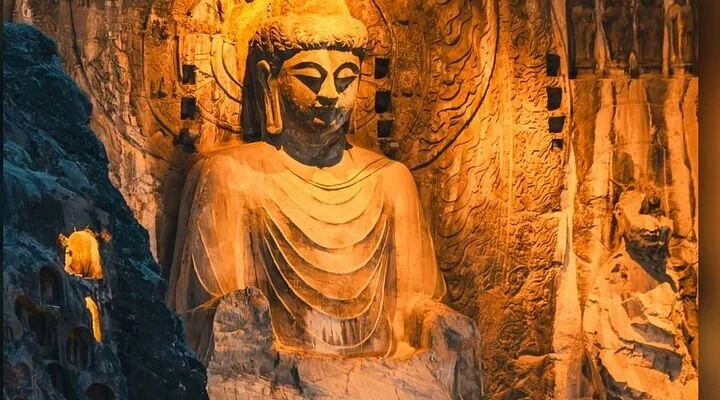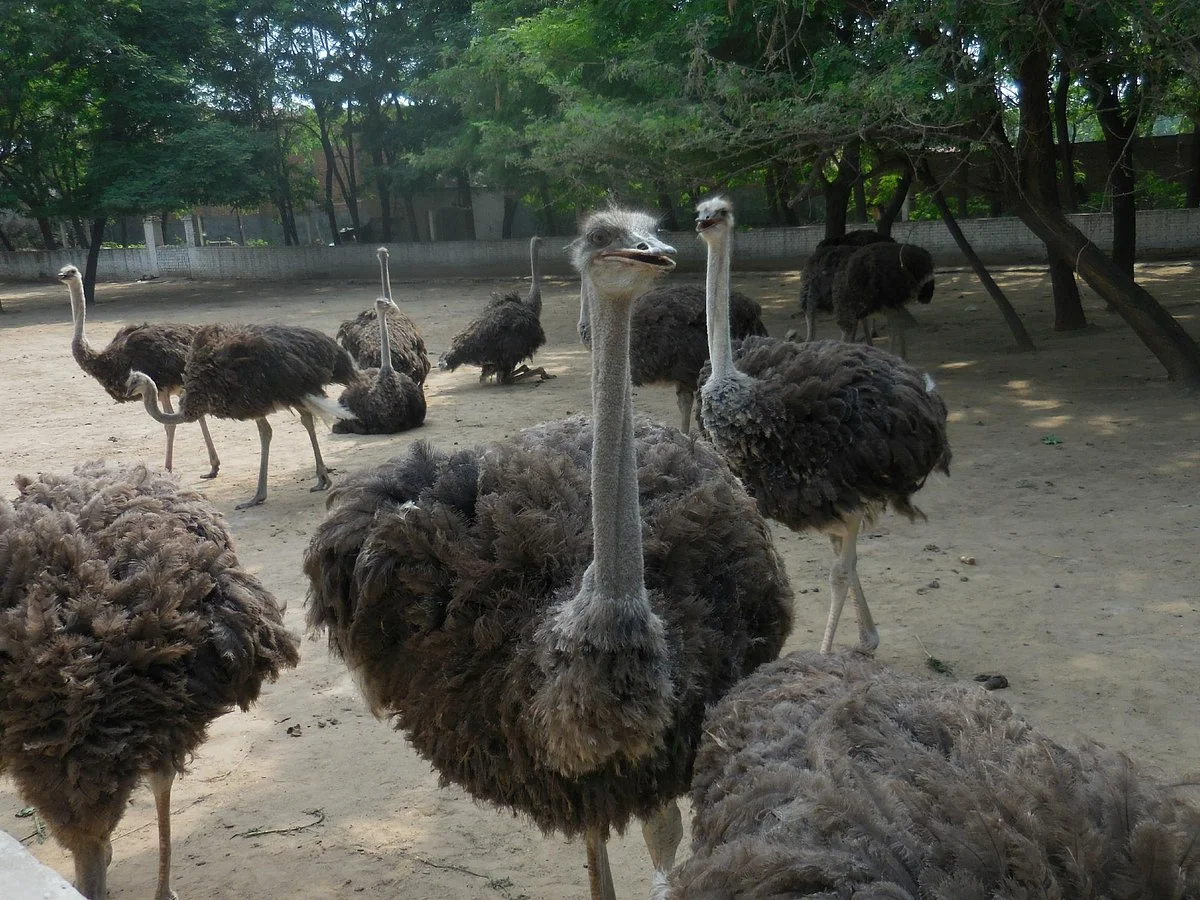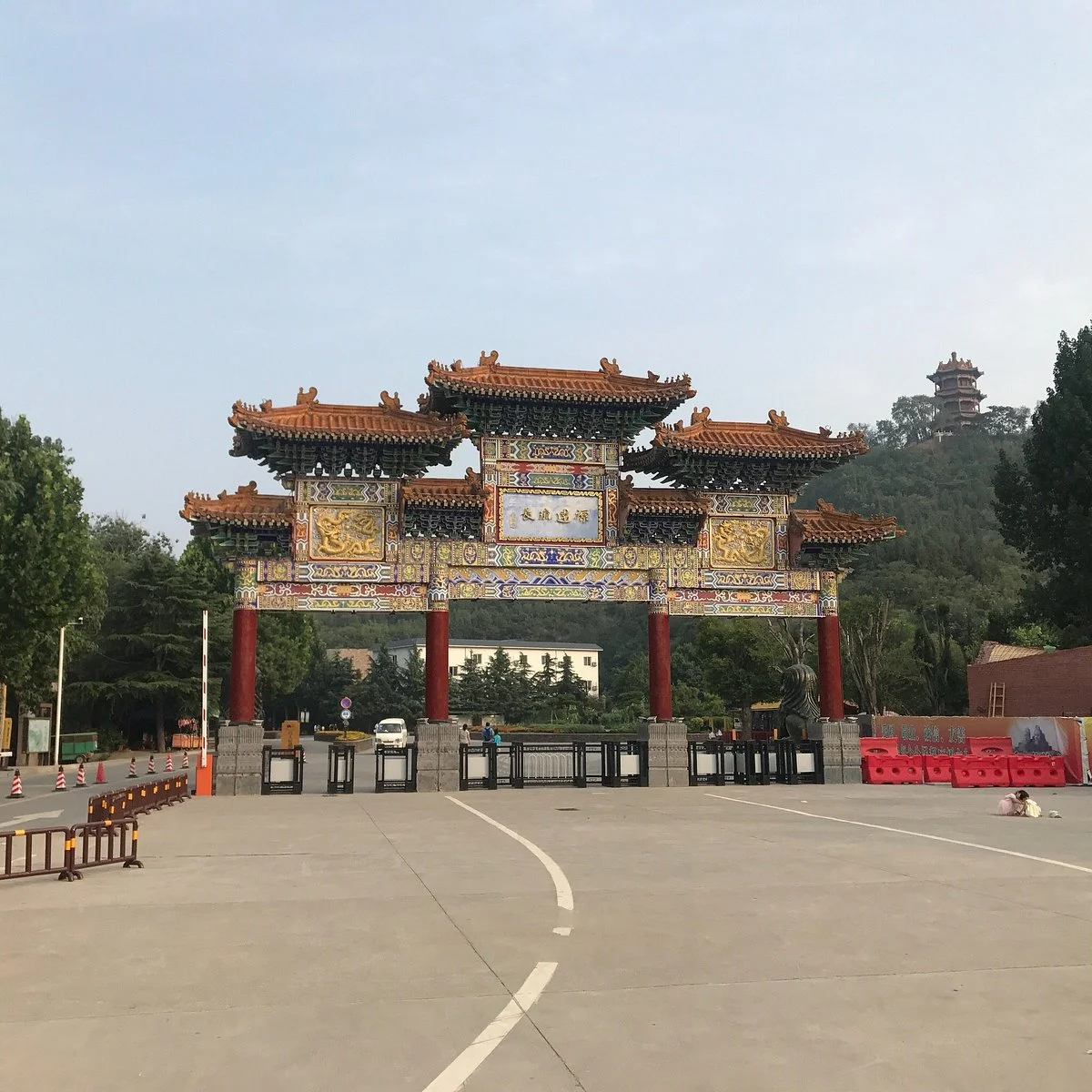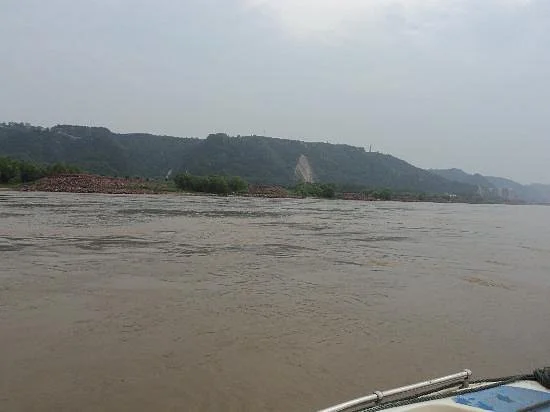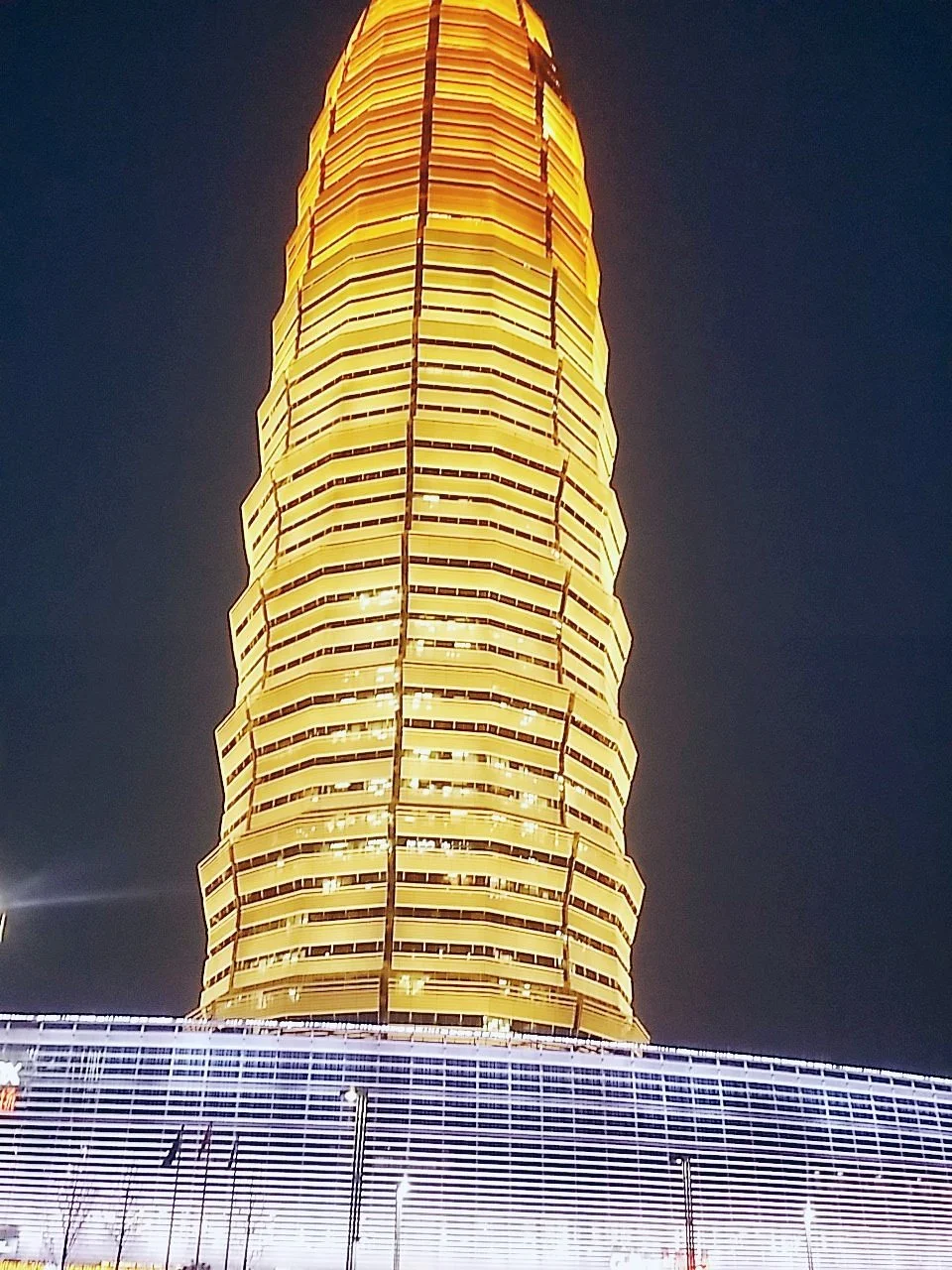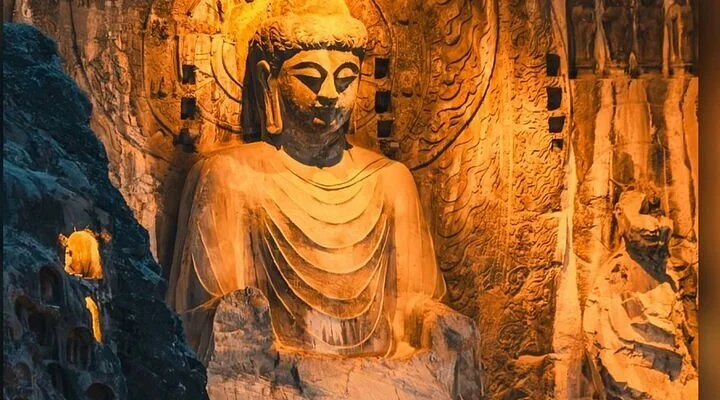
Zhengzhou is the capital and largest city of Henan Province in the central part of the People's Republic of China. Located in northern Henan, it is one of the National Central Cities in China, and serves as the political, economic, technological, and educational center of the province. The Zhengzhou metropolitan area (including Zhengzhou and Kaifeng) is the core area of the Central Plains Economic Zone.The city lies on the southern bank of the Yellow River.
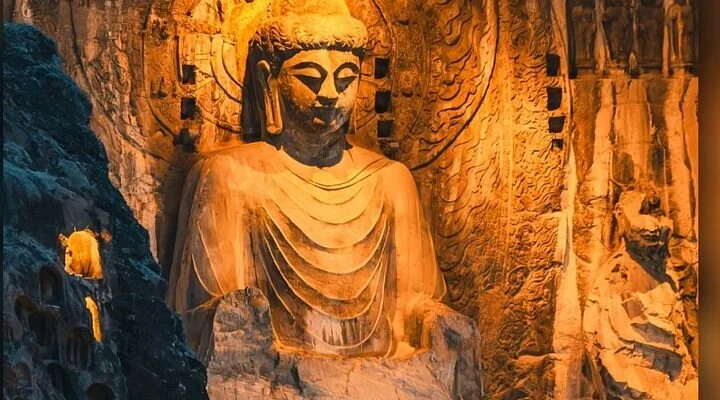
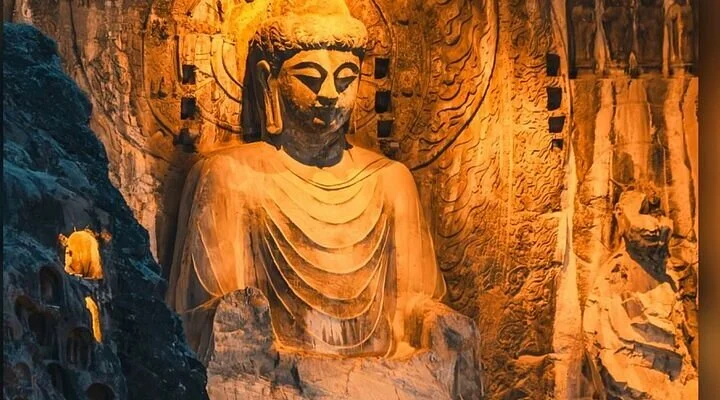
Zhengzhou is a major hub of China's domestic and international transportation network; for example, it is connected to Europe. and an international airport. Zhengzhou is a National Civilized City and a State-list Famous Historical and Culture City. As of 2020, there are two World Cultural Heritage Sites in Zhengzhou.
The Zhengzhou Commodity Exchange (ZCE) is China's first futures exchange. Zhengzhou Airport Economy Zone is China's first Airport Economy Zone.As of the 2020 Chinese census, the prefecture-level city of Zhengzhou had a population of 12,600,574 inhabitants, whom 10,260,667 lived in its built-up (or metro) area made of 6 urban districts plus Zhongmu county, Xinzheng and Xingyang cities now largely being conurbated.
The city had a total GDP of 1.014 trillion (RMB) in 2018.
Greater Zhengzhou was named as one of the 13 emerging mega-cities in China in a July 2012 report by the Economist Intelligence Unit, and officially named as the eighth National Central City in 2017 by the central government in Beijing.Zhengzhou is a major city for scientific research, appearing among the world's top 100 cities as tracked by the Nature Index. The city is home to several national key universities in China, notably Zhengzhou University, Henan University, Henan Agricultural University, Henan University of Chinese Medicine, and Henan University of Technology.
=
There's relatively few things to do in Zhengzhou but a possible evening might involve eating at a Sichuan or Henanese restaurant, buying yourself a bottle of decent Dynasty wine, parleying with the local clientele, getting lazy, and rounding off the evening at a KTV bar.
Zhengzhou has a diverse array of fine Chinese cuisine. Its location at China's center means you can find almost any type of Chinese food here. The city is big enough to have a scattering of cosmopolitan restaurants, and while there are a number of imitation Korean, Japanese, Indian, and Western options about, you will do best to stick with Chinese food.
One of the most representative delicacies in Zhengzhou, braised noodles.
Zhengzhou braised noodles are made from high-quality fresh lamb and lamb bones. After soaking, the bones and meat are boiled together over high heat to form a white soup, and then flour is mixed to form a soft noodle. After repeated kneading, the noodles are manually pulled into strips of varying widths and thicknesses and placed in the pot. The lamb is then paired with yellow cauliflower, black fungus, and vermicelli. When dining, small dishes such as coriander, chili oil, and sugar garlic are added to make the taste more fresh.
There are bars around the city, but the best area for drinking is around the tree-lined Weiyi Road:
Other areas:
Large department stores and international brands tend to be concentrated around Erqi (February 7) Square. The two major department stores are Kingbird (金博大) and Beijing Hualien (北京华联), which are next to each other. Both stores have supermarkets in their basements.
Some of the most interesting gifts can be purchased at the city's antique market. Most of the shop owners will have a calculator handy so you can bargain by typing in prices. Consider that you got a good deal if you pay half of what they originally quoted. The people are friendly but many of the shops sell fake antiques made to look old. Nevertheless there are interesting items that will decorate your walls or look great on a stand back at home. You can even impress your friends by telling them you bought them an antique from China.
Some of the small shops sell real antiquities. You'll know when you're buying one because the prices will rise dramatically from about ¥100 or less for fake goods to well over ¥5,000 for the real deal.
China will not let foreigners take antiques out of the country that are over 200 years old or possibly even more recent items depending on their cultural value.
Make sure you know where your wallet is at all times. There are some unsavory characters in the markets. This is, in fact, true of Zhengzhou in general, which has a reputation for pickpockets. Buses are especially risky. Keep your wallet in your front pocket.
Zhengzhou City is a national transport hub for railway, aviation and mail. As of September 2023, Zhengzhou has 2 terminals, 2 runways, 162 air routes, 6 railway stations, 2 main railway lines, 6 high-speed railway lines, 9 metro lines, 11 motorways, and 37 BRT lines.
The city's focal point is Erqi (February 7) Square (二七广场). This large public square comes alive at night, when an entire market fills the space with vendors and locals hanging out. From the square, several main streets fan out to different areas of the city.
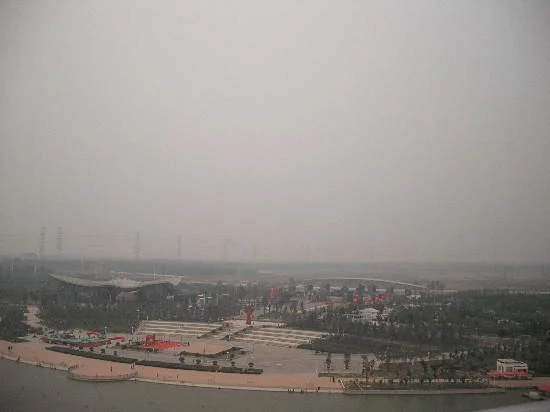
Since Zhengzhou was handpicked to serve as a transportation hub - and does not have a very long history as a large city - the urban planning is more noticeable here than in other places of China. This means there is plenty of green space, tree-lined streets and logical arrangement to the city.
Zhengzhou is relatively spread out, but most sites are accessible by public bus, which costs ¥1 or ¥2 per ride - depending on whether or not there is air-conditioning, those with A/C being more expensive but usually less crowded.
The name Zhengzhou comes from a city in the Sui Dynasty, but its actual location was in modern day Chenggao. During the Tang Dynasty, the name switched here. The area remained an unimportant backwater until it was selected for development by the Chinese Government after 1949. Zhengzhou is now a major transportation hub in the center of the country, and a rapidly growing city.
Zhengzhou City is located in the north-central part of Henan Province, where the middle and lower reaches of the Yellow River divide.
By the end of 2022, the resident population of Zhengzhou City was 12.8 million.