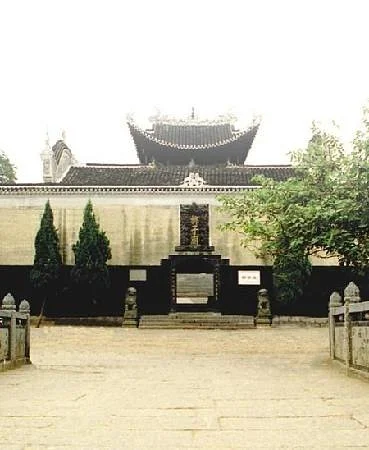
Yongzhou is a prefecture-level city in the south of Hunan province, People's Republic of China, located on the southern bank of the Xiang River, which is formed by the confluence of the Xiao and Xiang Rivers, and bordering Guangdong to the southeast and Guangxi to the southwest. With a history of 2000 years, Yongzhou is one of the four ancient counties in Hunan. Its total area is 22,255.31 square kilometres (8,592.82 sq mi), and at the 2020 Chinese census it had a total population of 5,289,824, of whom 1,146,692 lived in the built-up (or metro) area made of the 2 urban districts.
The city's urban area doesn't have much to offer, but there are a few attractions in Lingling District, 20 km south of the CBD.
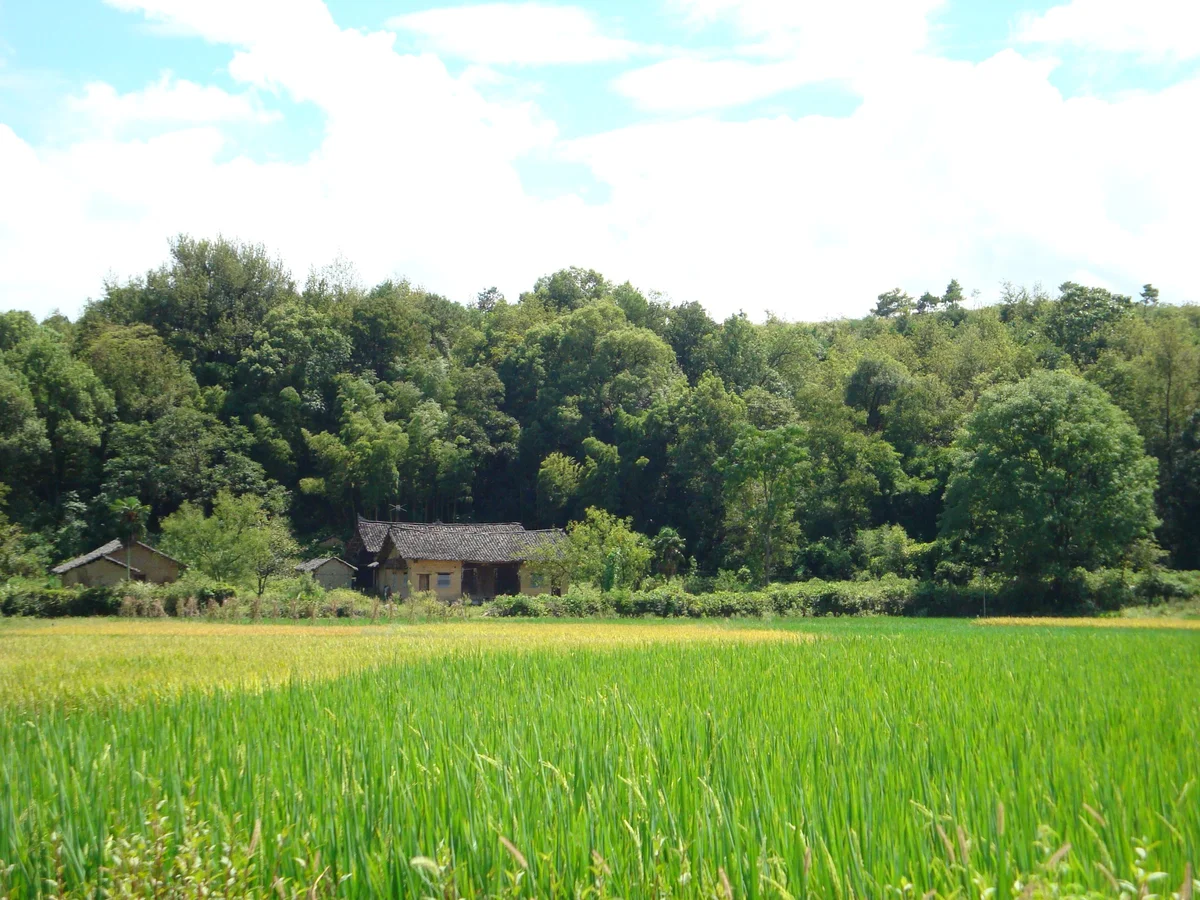
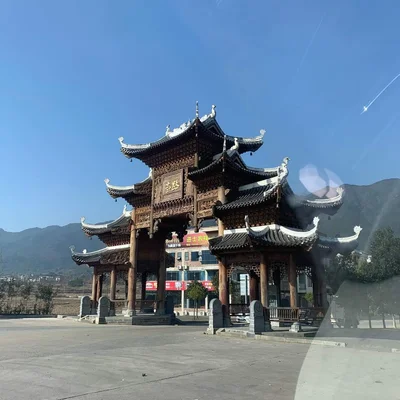
Most of Yongzhou's major attractions, including the Nüshu script, are located in the rural counties in the region.
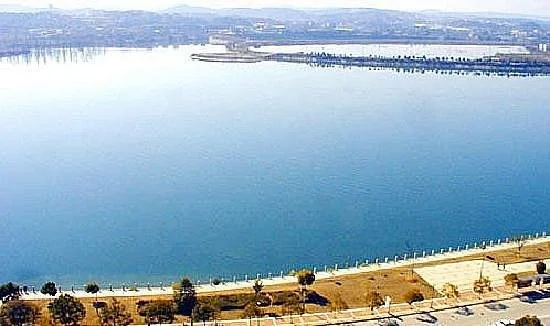
Walk along the Xiang river.
Food here resembles that found in Guangxi. As in the rest of Hunan, people here enjoy fen (粉, a noodle made of rice), which comes with different ingredients. This particular fen is different throughout the province, and it is fun trying out the varieties. The ones here have somewhat of a Guangxi style. Hunanese people love spicy food, so if you cannot handle that, make sure to ask the eatery to use less chili.
Yongzhou is a city with many shopping venues with a wide range of brands to choose from.Prices are listed in no particular order and discounts are often available.
Trains north to Changsha are frequent and cheap. Fast trains are available as well. If coming from the north, just go south to Guangxi and you are near to Guilin, where you have all the fantastic karst formation with hiking and climbing opportunities.
Getting around Yongzhou involves several transportation options.