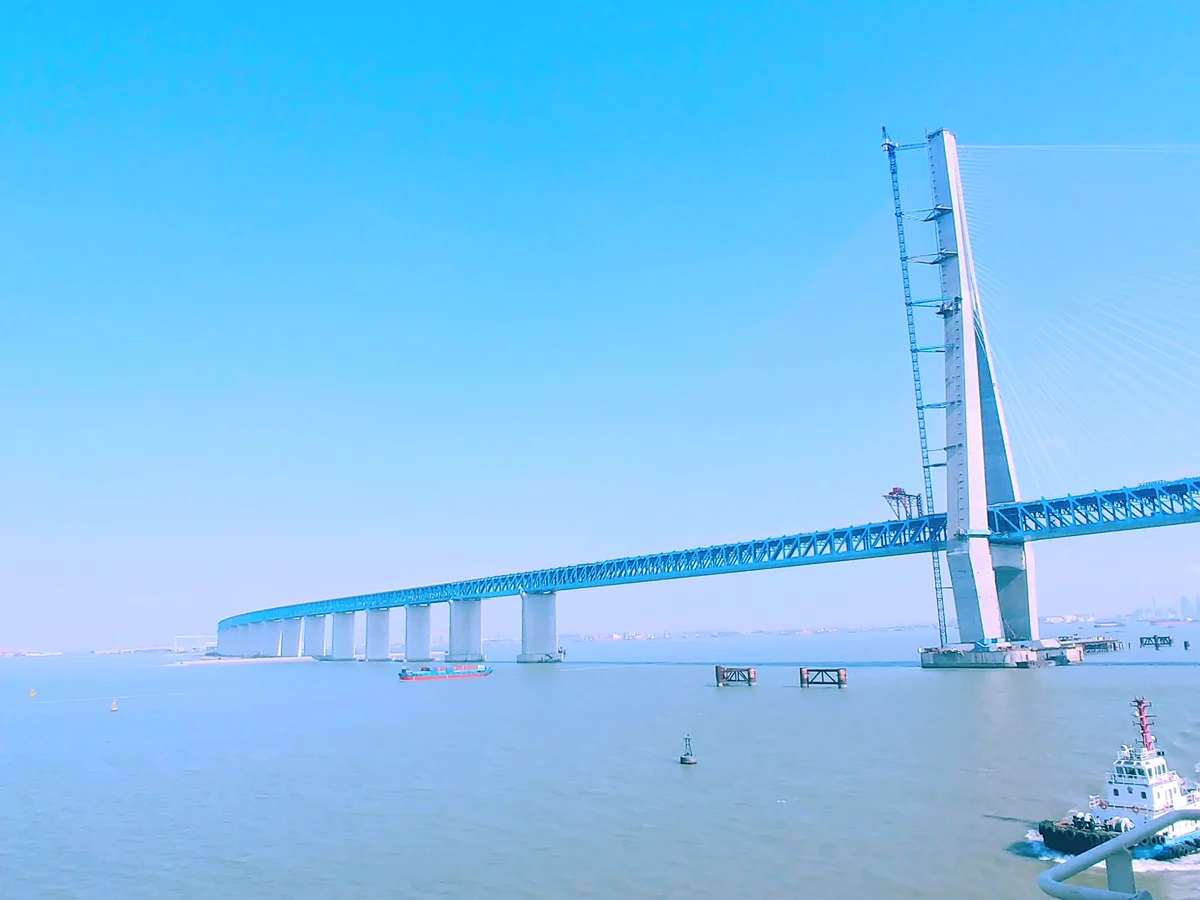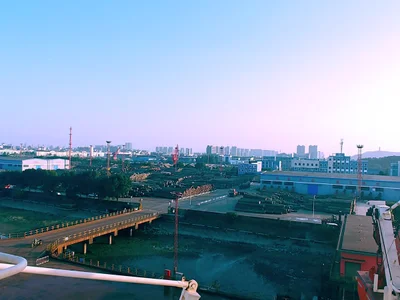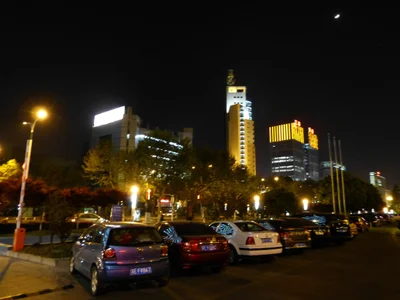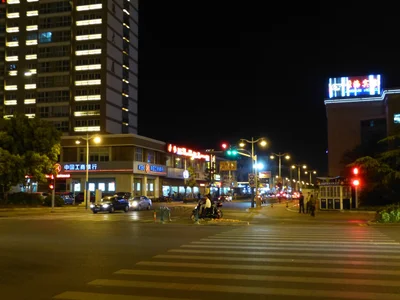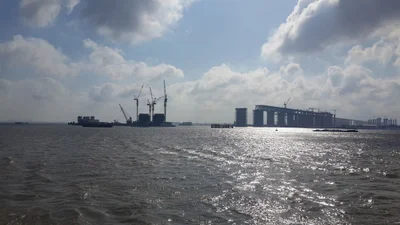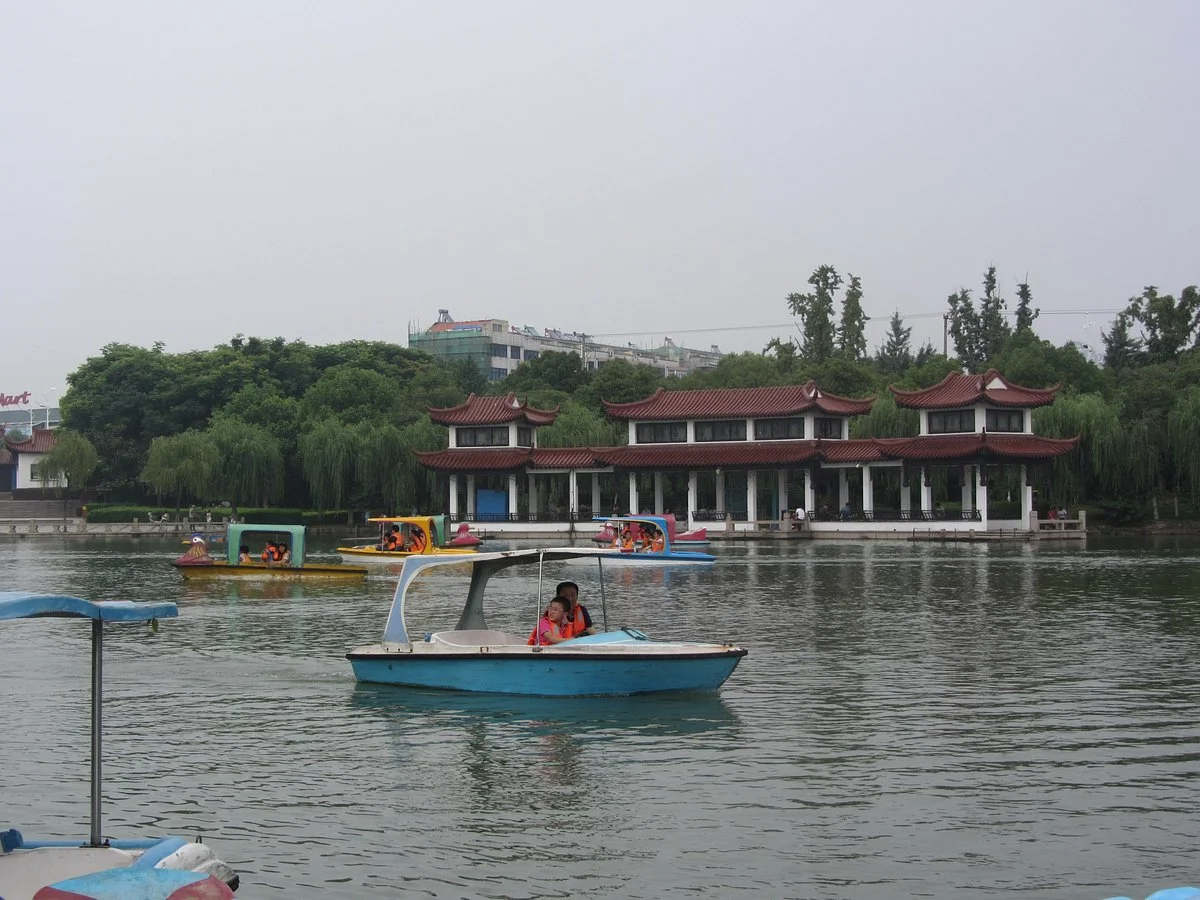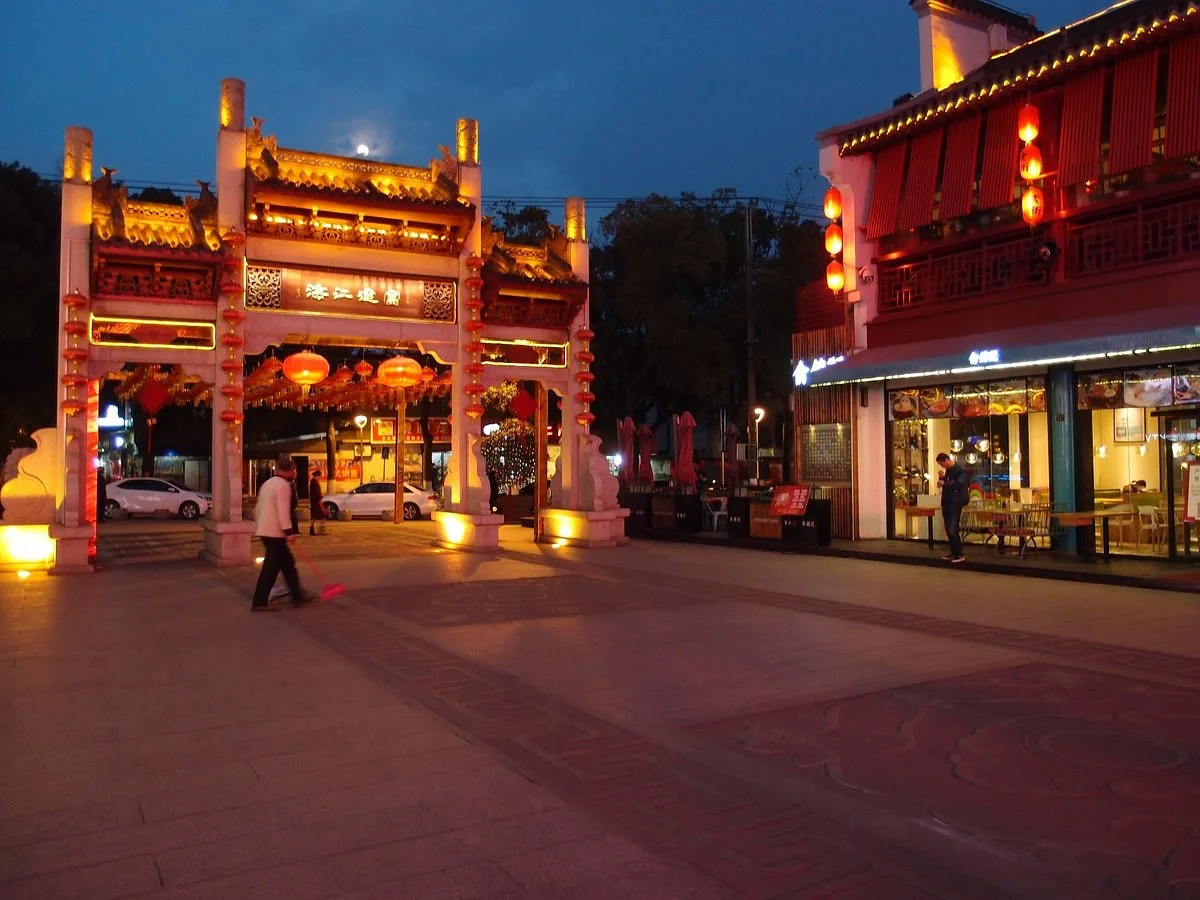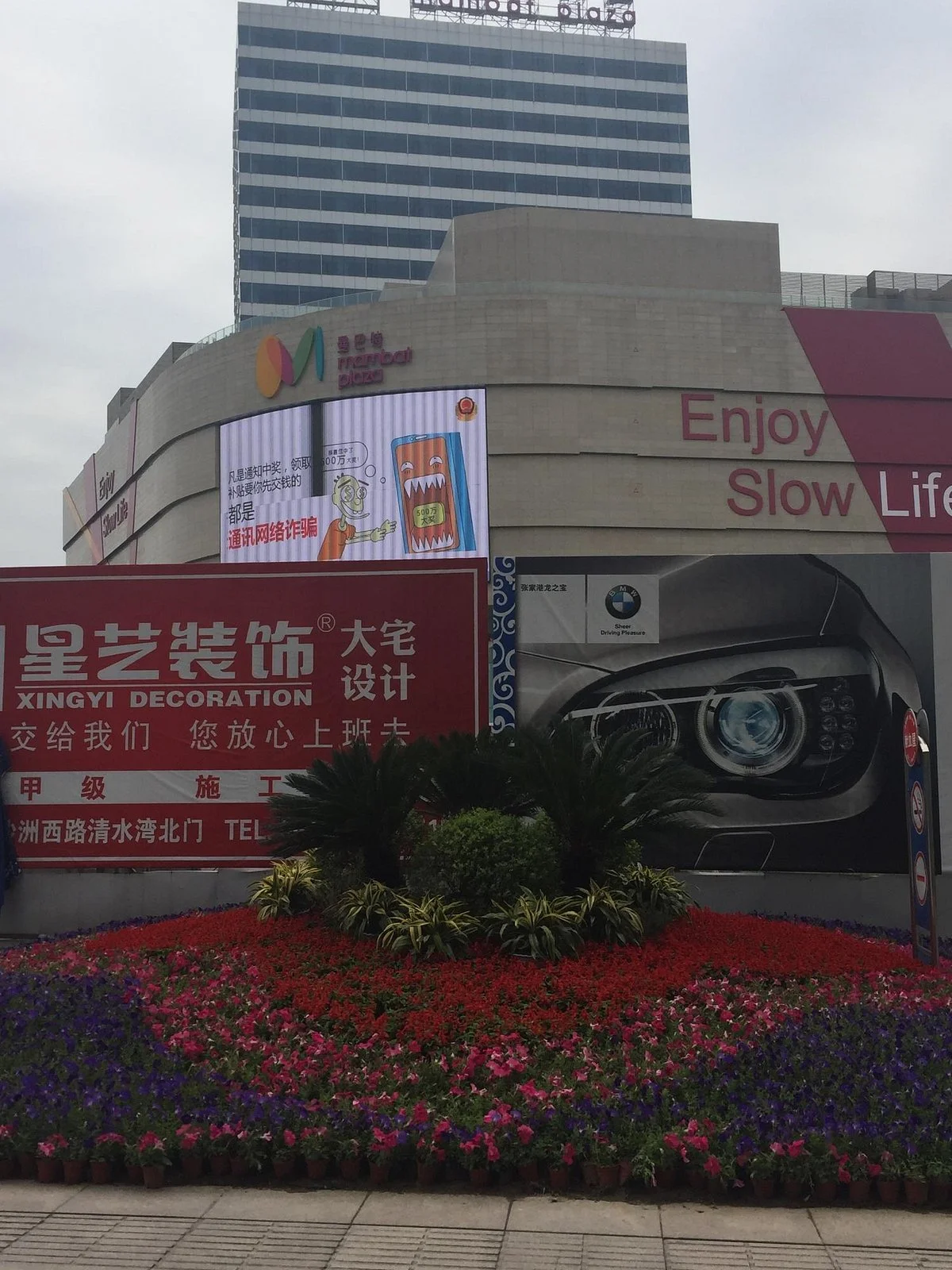
Zhangjiagang (simplified Chinese: 张家港; traditional Chinese: 張家港; pinyin: Zhāngjiāgǎng; Wade–Giles: Chang¹-chia¹-kang³; lit. 'Zhang family port'), formerly Shazhou County (Chinese: 沙洲县), is a county-level city under the administration of Suzhou, Jiangsu province, China and one of the many ports along the Yangtze river.With 1,246,762 inhabitants as of the 2010 census, the city is now part of Jiangyin-Zhangjiagang-Jingjiang built-up or metropolitan area with 3,526,260 inhabitants.
Continued growth will encompass the Yangtze River Delta metropolitan region. It borders the prefecture-level cities of Taizhou and Nantong across the Yangtze River, as well as Wuxi to the west.
Its total area is 986.53 square kilometers, including a land area of 791.05 kilometers.In the top 100 country-level city list in China, Zhangjiagang ranks the third in 2019, and 2020.Zhangjiagang is named a national civilized city in China in 2020, and this is the sixth time that the city achieves this honor.
Outside the hotels, there are two main bars in town which cater to foreigners. They have a decent selection of western drinks, and the prices are among the best in town.
There are many other bars in town, some of which cater to specific tastes, others of which are quite forgettable.
= Regular buses to Zhangjiagang run from most nearby cities, such as Nanjing, Wuxi, and Suzhou. Fares are ¥10-30.
Most of Zhangjiagang is accessible on foot. The streets are clean and well-maintained by Chinese standards. All major roads are marked with signs in Pinyin.
Taxis are cheap and ubiquitous. Flag drop is ¥10, including distance up to 2.8 km. Most of the city center is within that range, though far-flung areas may be a bit higher. A few cab drivers speak a bit of English, but the vast majority do not.
Its difficult to get taxis during the period of 16:45 to 17:15 since the drivers have a shift change.
There is a city bus service, with ¥1 fare. However, it is not traveler-friendly, and can be difficult even for the locals. However for short distances and if routes known, buses are better.
Zhangjiagang was a small rural town until the economic reforms of the mid 1980s brought industry and business to the area. The city has a population of around 1.4 million (2021). Administratively, it is a county-level city within the prefecture-level city Suzhou.