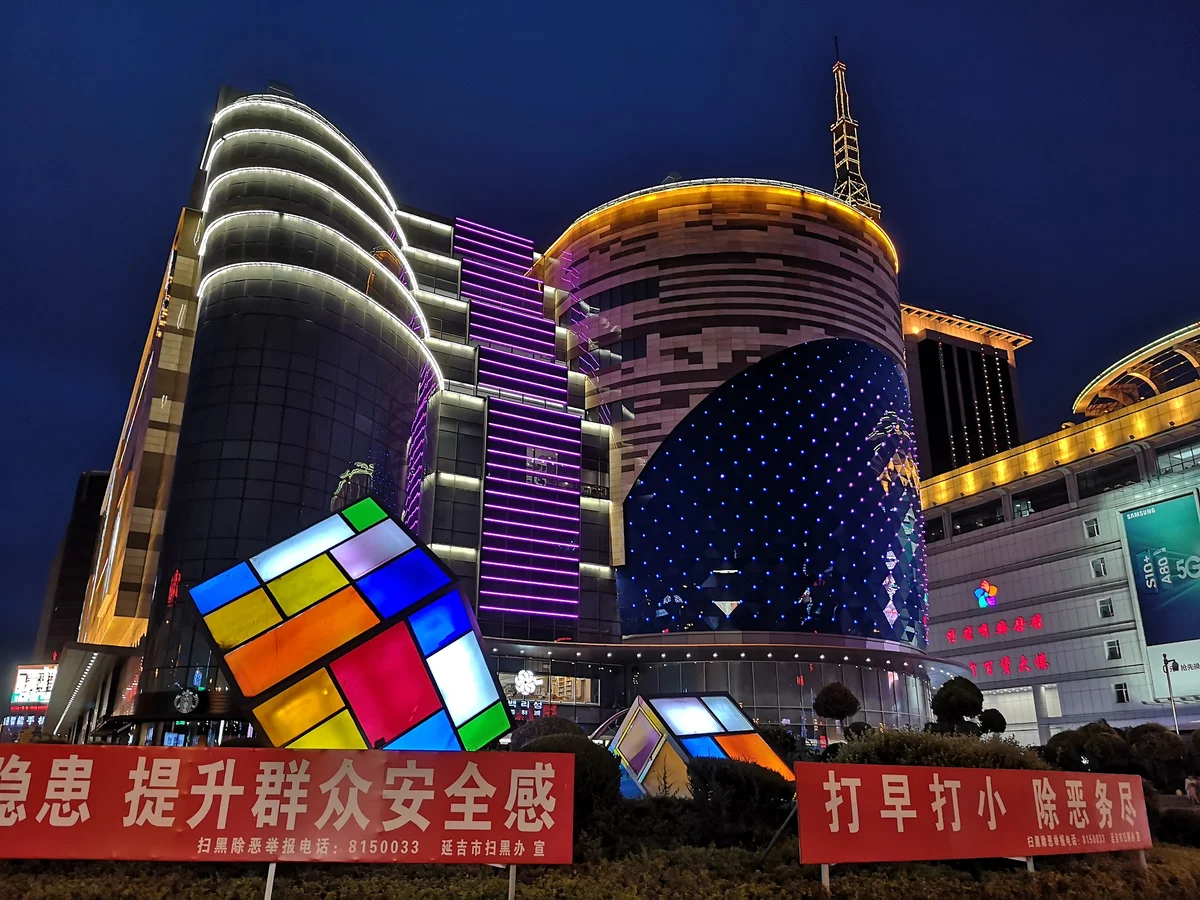
Yanji (Chinese: 延吉; Korean: 연길; alternately romanized as Yenki or Yenji) is a county-level city in the east of China's Jilin Province, and is the seat of the Yanbian Korean Autonomous Prefecture. Its population is approximately 400,000 of which a significant portion is ethnic Korean. Yanji is a busy hub of transport and trade between China and North Korea. The city is home to Yanbian University, a comprehensive university and the only Project 211 university in Yanji.
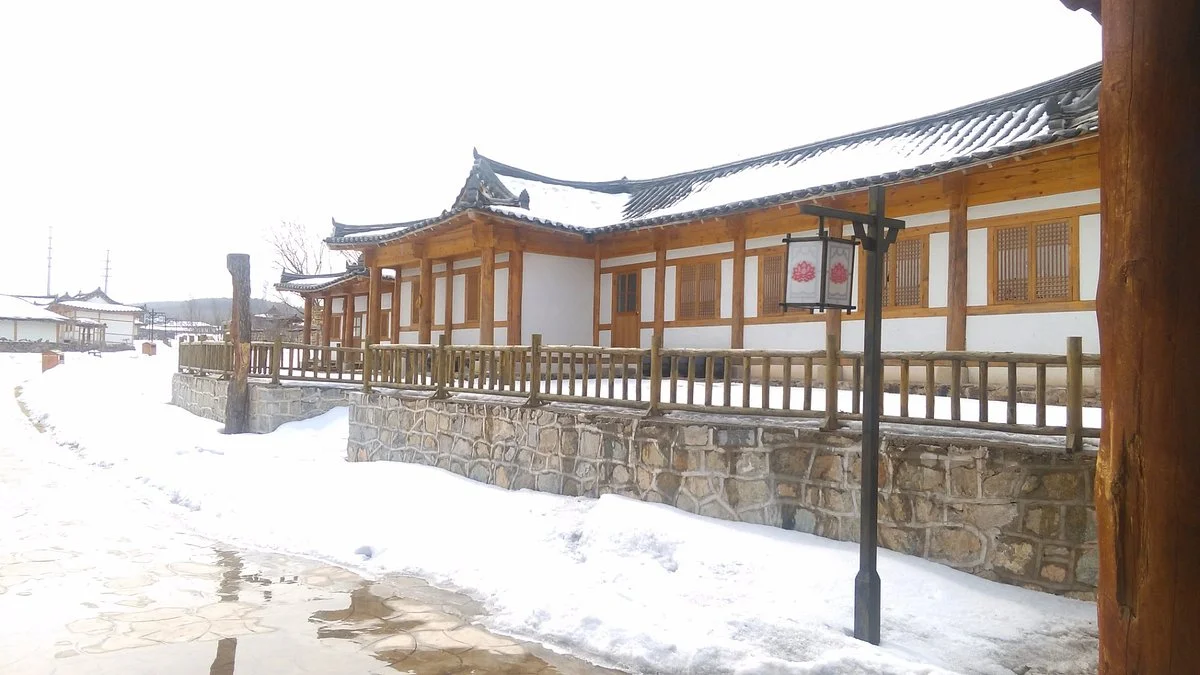
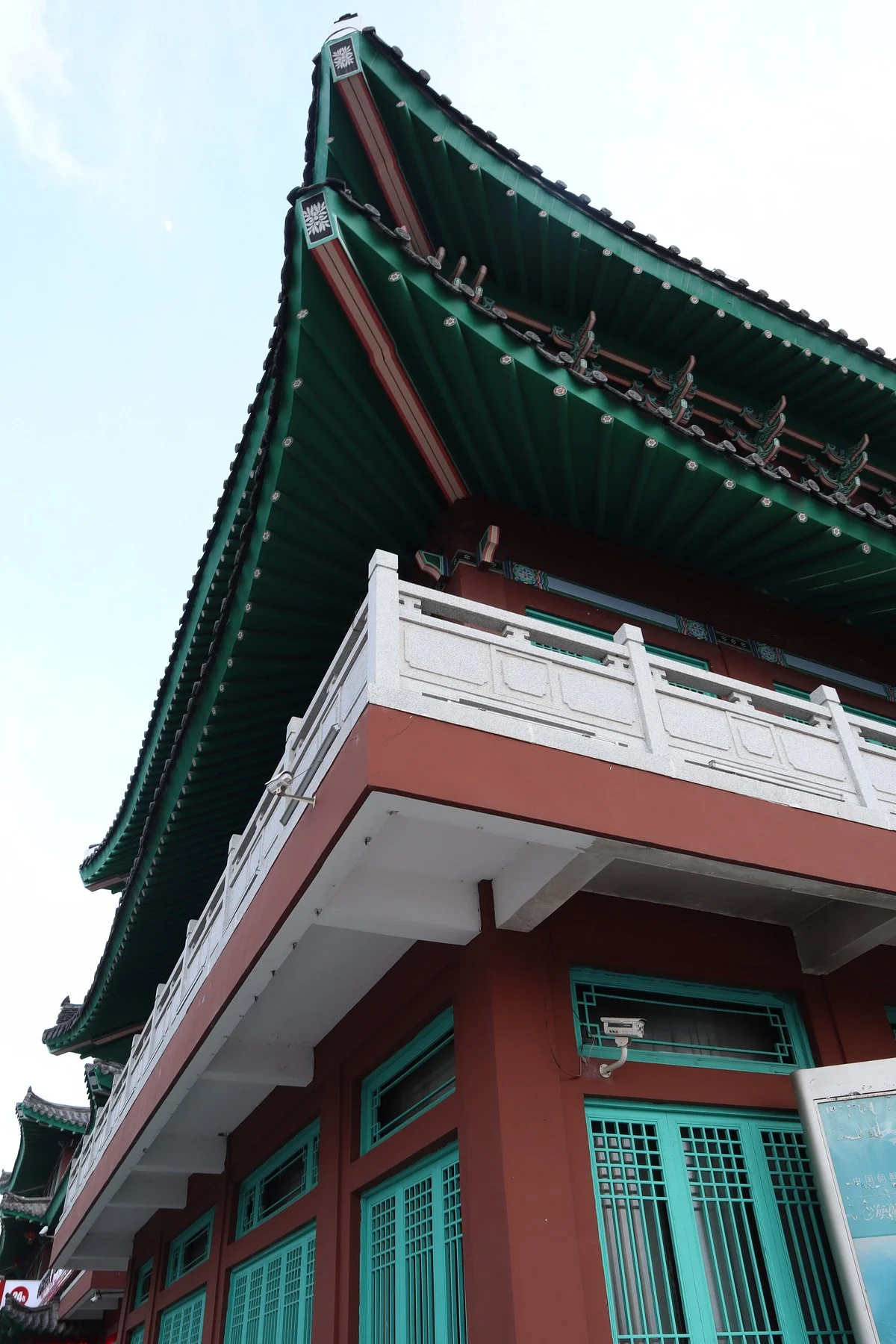
Yanji is not much of a sightseeing destination; there is no outstanding architecture (apart from a few Russian-style buildings which are relatively new), nor stunning scenery in the immediate surroundings of the city. Rather, it's a non-touristy place to wander, indulge, and get lost in – a melting pot of Korean and Chinese culture, unobtrusive yet busy to a certain point.
That being said, the city is not totally devoid of attractions.
In addition to the above, history/archaeology buffs can visit Longtou Mountain (龙头山; Lóngtóushān), which is a 40-minute drive from the city, near the village of Longmei (龙梅村). The mountain houses royal tombs of the ancient Balhae kingdom which existed between 698–926 AD.
It is possible to visit North Korea, and in particular Rason on visa-free 1- to 4-day trips. Companies such as British run Koryo Tours or Young Pioneer Tours can help arrange these trips for as little as a few hundred euros.
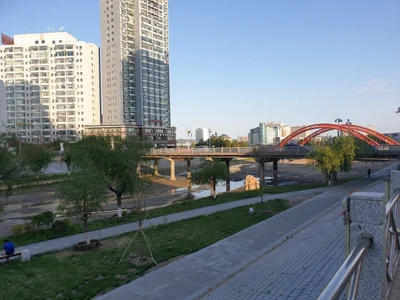
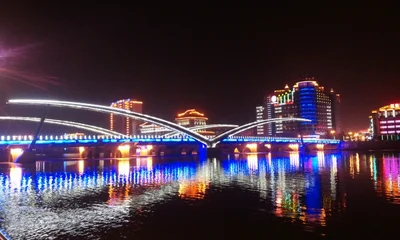
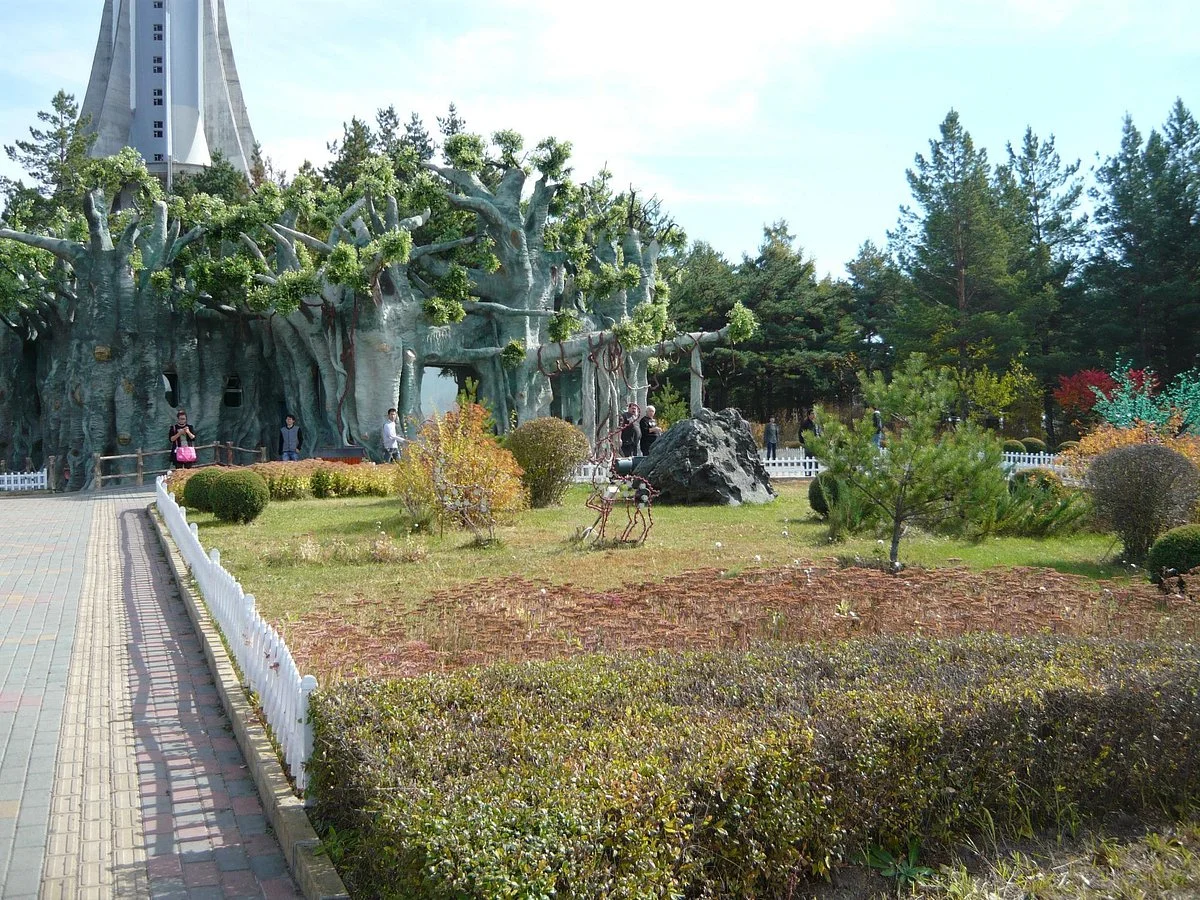
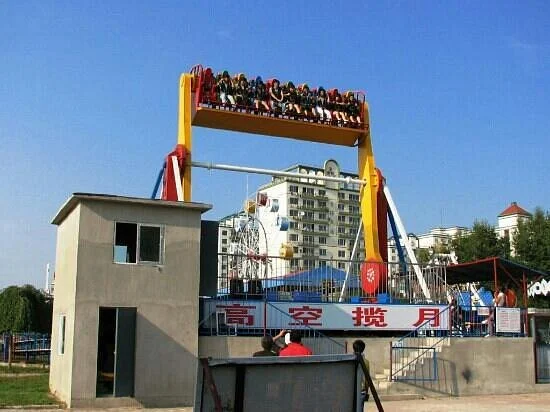
If you spend a couple of nights in this little city, you can check out a small amusement park right next to the bridge of Yanxi Street (延西街; Yanxijie). A dozen small rides, and lots of beer stalls.
Cold noodle; the characteristic food of Korean-Chinese, authentic taste is nowhere else to be found. Sweet, cold, a bit spicy at the same time. Price is ¥10-15. Look for the sign 冷面 (lěngmiàn) or 랭면 (raengmyeon). Some are around Renmin Road and Guangming St.
Also this city is famous for other Korean specialities, like BBQs (including Korean BBQ 韩式烧烤, yanbian chuan 延边串) and Shenjitang (参鸡汤. 삼계탕 samgyetang in Korean), herbs and ginseng chicken soup with boiled rice in it. Also, lots of 'dog meat (狗肉)' restaurants are in the city, too.
Under South Korean influence, you can find a number of decent cafes around the city and it's a lot more than other closer bigger cities. Few clubs are scattered in the city, mostly South Korean DJs are playing Korean pop.
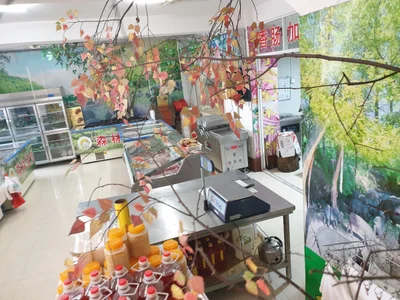
Famous for pine mushroom. There are lots of shops in front of the train station.
Like many other Chinese cities, foreigners are only allowed to stay in the places that meet 'the standard', even if there are plenty of cheap inns. It means you have to pay above ¥100 per person in high season (in low season, it would be around ¥80). If it says inn (Luguan, 旅馆), foreigners are not likely allowed to stay. If it says hotel or motel (宾馆, binguan) you might be able to stay there, but it's more expensive than those small inns (normal inns are ¥20~50 for a room) However there's one option below ¥100 for foreigners.
Yanji is a small city by Chinese standards, but it's big enough for not wanting to walk long distances, especially during the middle of summer or winter. As of 2019, no shared bike systems exist, meaning visitors have to use either taxis or buses to get around.
Koreans first migrated to the Yanji area after a series of famines struck in 1869. The area, called the Yanbian Chaoxianzu (Korean) Autonomous Prefecture, is the home of the largest group of ethnic Koreans living outside of Korea, and while there are a small number of expatriates from North and South Korea, most of the Koreans living here hold Chinese, not Korean citizenship. Since large areas of Yanbian were off-limits to travelers, the tourist facilities and people who speak English are kind of non-existent, but that is changing.
Unlike other Chinese cities, this little city is relatively clean and peaceful. You can find quite a lot of cafes that serve good coffee, and also you will see many tea houses (茶坐) around the city.