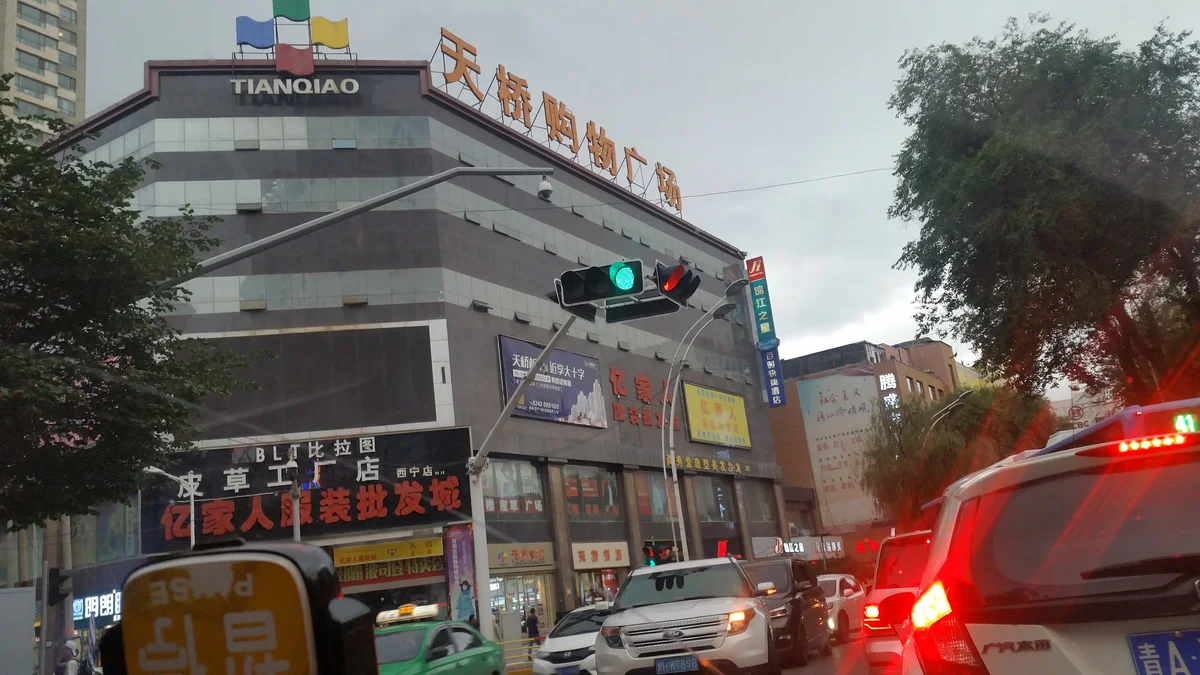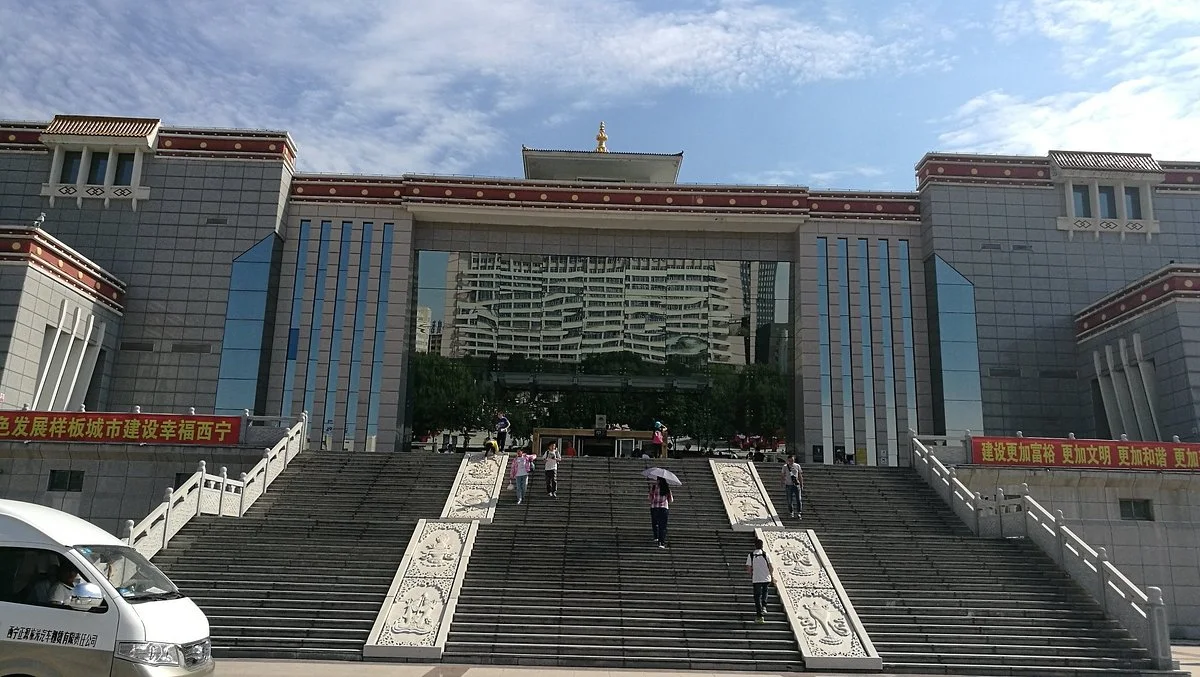
Xi'ning is the capital of Qinghai province in western China and the largest city on the Tibetan Plateau.
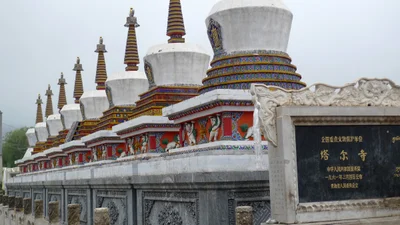
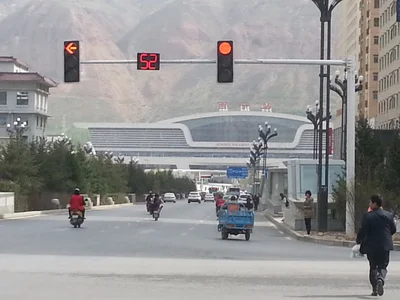
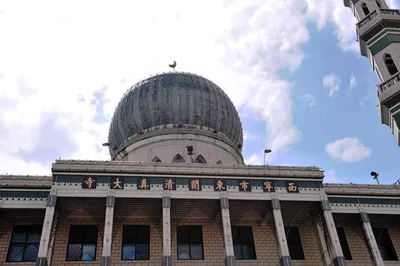
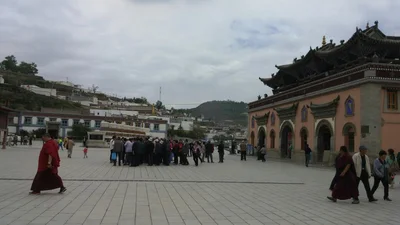
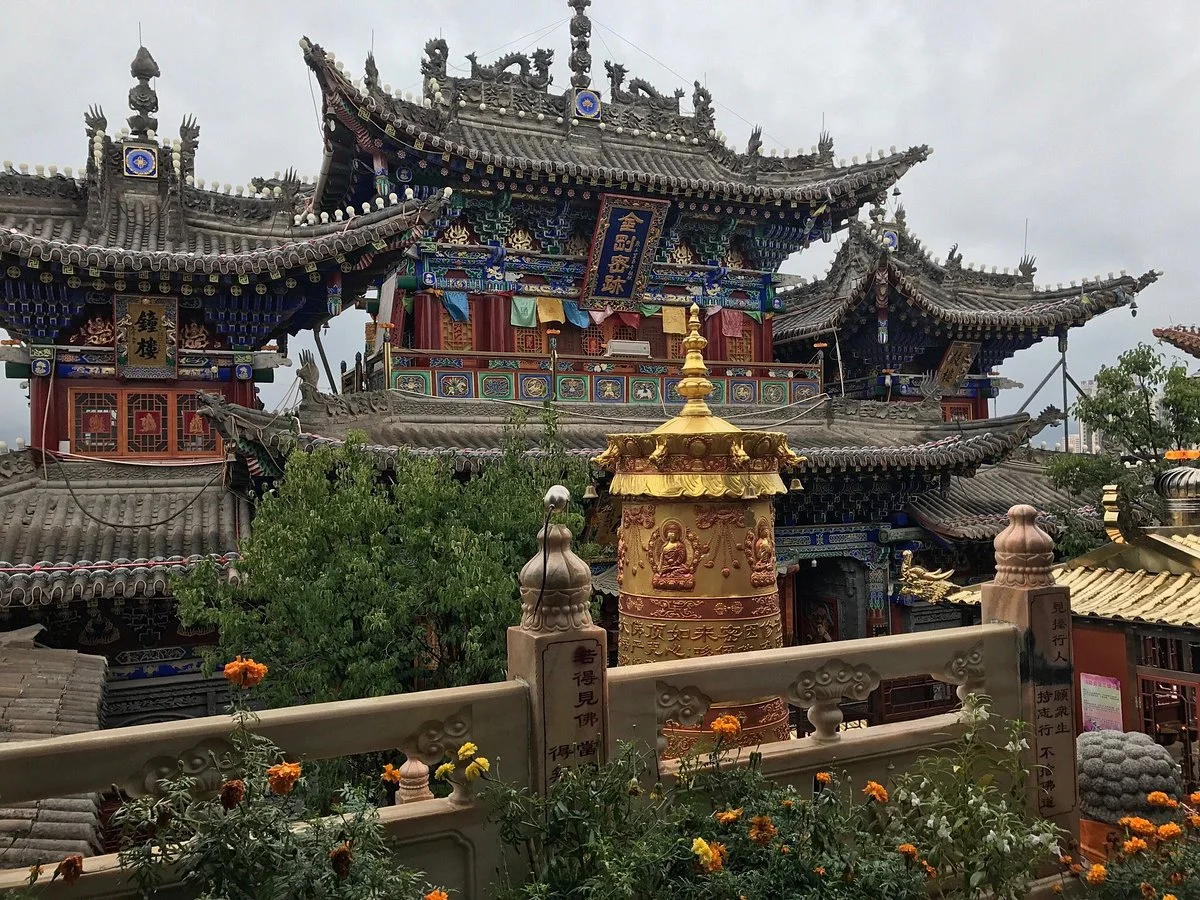
The city was a commercial hub along the Northern Silk Road's Hexi Corridor for over 2000 years, and was a stronghold of the Han, Sui, Tang, and Song dynasties' resistance against nomadic attacks from the west. Although long a part of Gansu province, Xi'ning was added to Qinghai in 1928. Xi'ning holds sites of religious significance to Muslims and Buddhists, including the Dongguan Mosque and Ta'er Monastery. The city lies in the Huangshui River valley, and owing to its high altitude, has a cool climate on the borderline between cool semi-arid and dry winter humid continental. It is connected by the Qinghai–Tibet railway to Lhasa, Tibet and connected by a high-speed railway to Lanzhou, Gansu and Ürümqi, Xinjiang.
The city is home to Qinghai University, a comprehensive university and the only Double First-Class University in Xi'ning.
=
Xining's main minority groups provide a large portion of the food on offer. The Hui, a broad term for Chinese Muslims, serve up spicy noodles, lamb kababs and flatbread (bing). Tibetan food choices are concentrated around the train station, mostly small places the serve momos and noodles and seat guests on small coaches.
Xining is home to numerous factories making Tibetan carpets.
Xining is one of the major gateways to the Tibetan Plateau. It is an ancient highland city on the Yellow River which offers many scenic spots and historical sites. Although the city has a strong Islamic flavor, as it is home to many Hui people, you will start getting a more Tibetan feel as you move away from the city.