Qufu (pronounced [tɕʰý.fû]; Chinese: 曲阜) is a city in southwestern Shandong province, East China. It is located about 130 kilometres (81 mi) south of the provincial capital Jinan and 45 km (28 mi) northeast of the prefectural seat at Jining. Qufu has an area of 815 square kilometers, and a total population of 653,000 inhabitants, of which, 188,000 live in urban areas.Qufu is best known as the hometown of Confucius, who is traditionally believed to have been born at nearby Mount Ni.
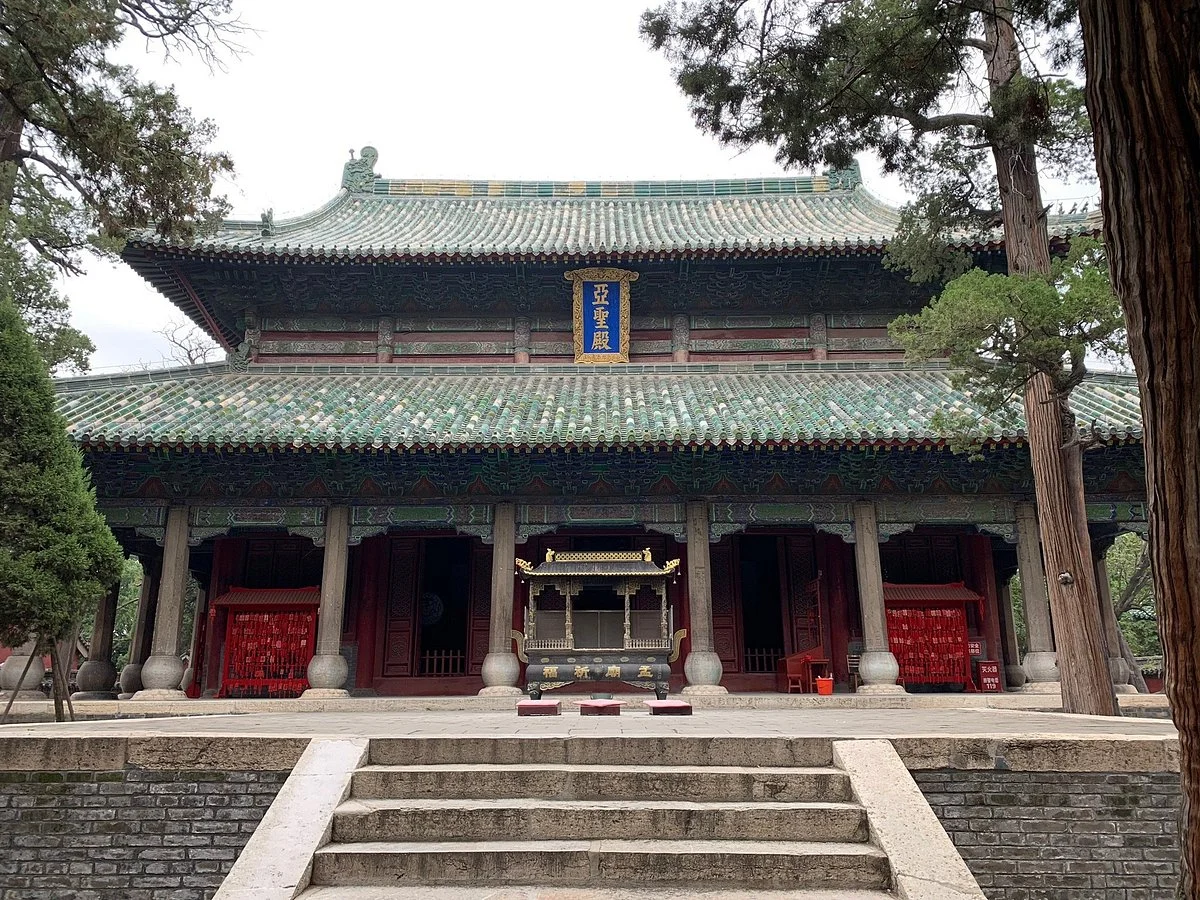
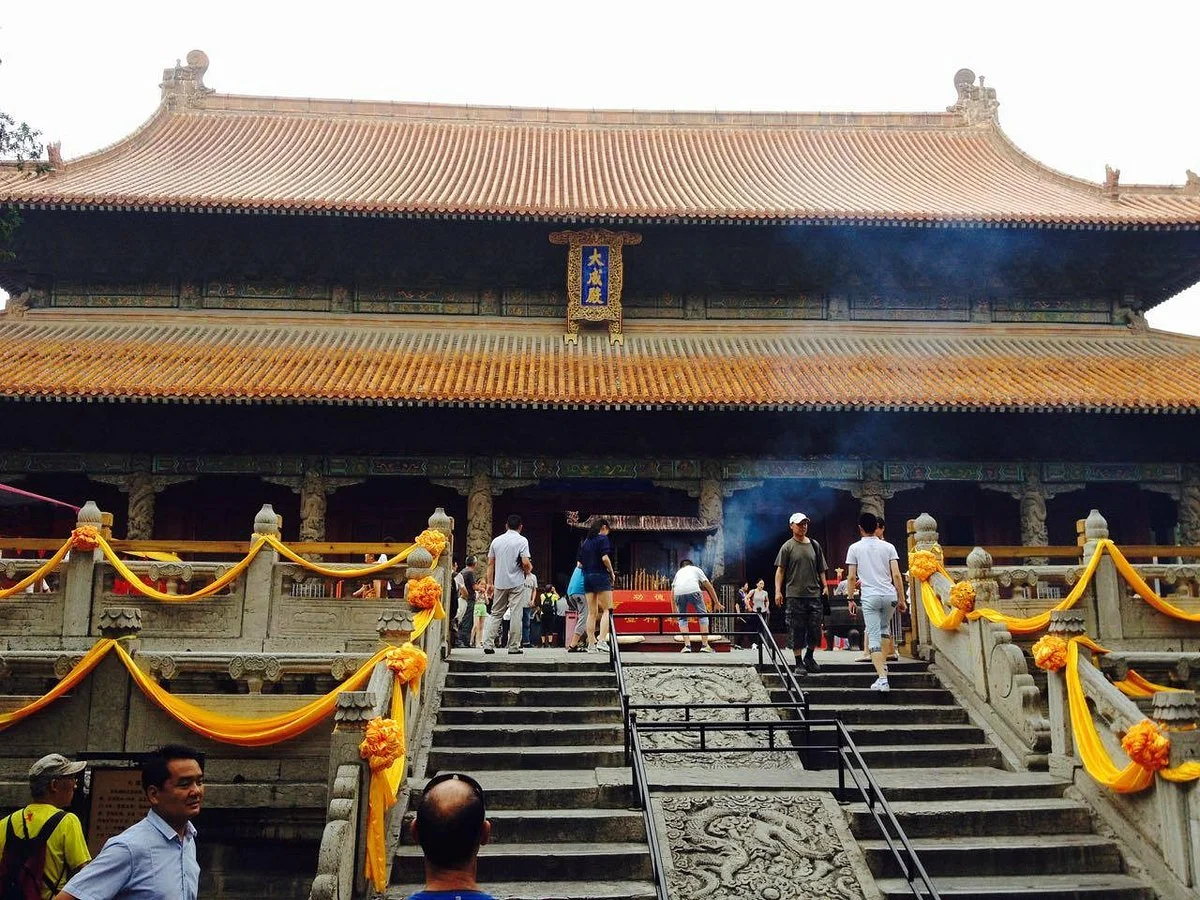
The city contains numerous historic palaces, temples and cemeteries. The three most famous cultural sites of the city, collectively known as San Kong (三孔; 'the Three Confucian [sites]', are the Temple of Confucius (Chinese: 孔庙; pinyin: Kǒngmiào), the Cemetery of Confucius (孔林; Kǒnglín), and the Kong Family Mansion (孔府; Kǒngfǔ). Together, these three sites have been listed as a UNESCO World Heritage Site since 1994.
In July 2015, Qufu became the third International Cittaslow in China.
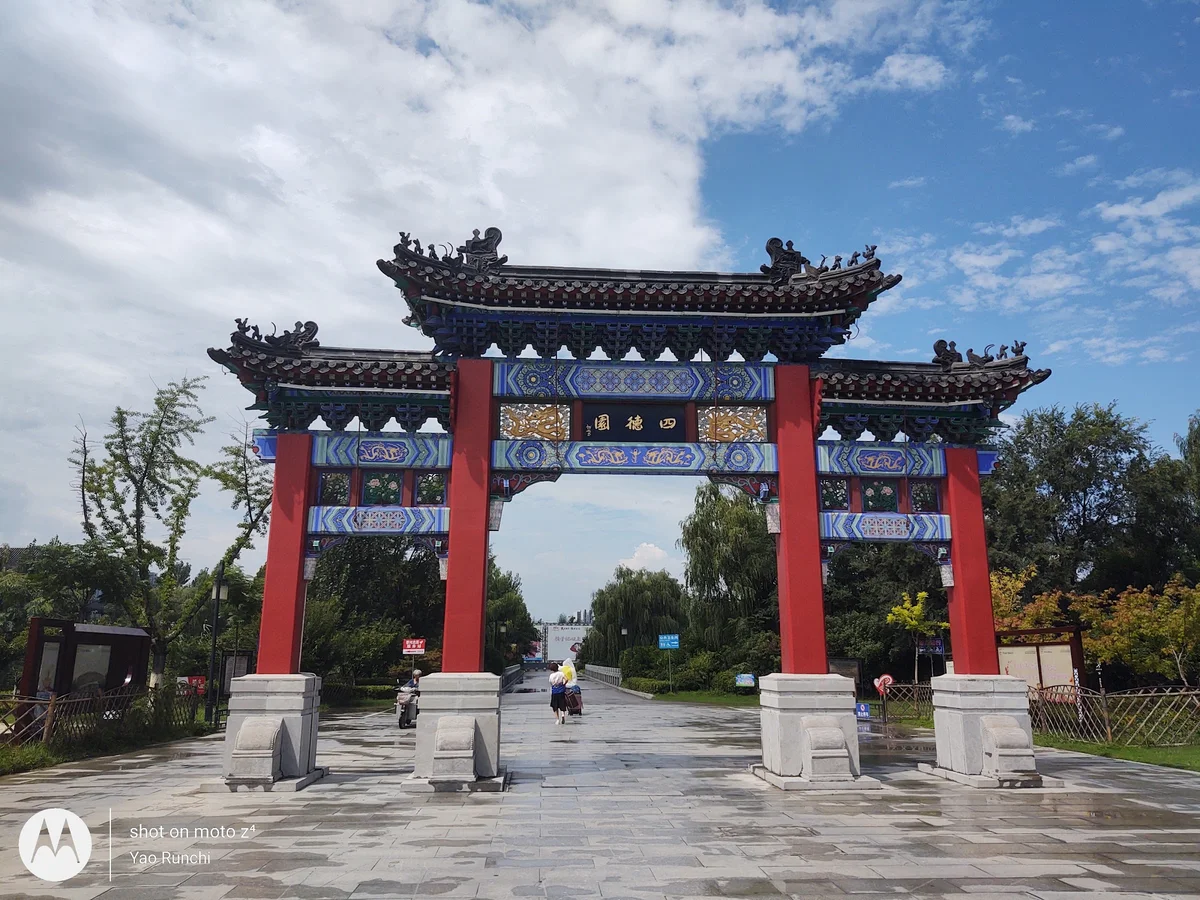
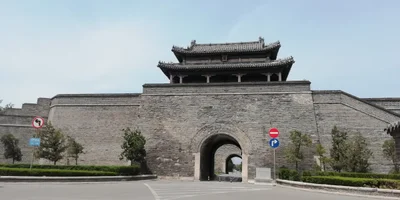
The historical walled city, within which three of the major sites (Temple of Confucius, Kong Family Mansion, and the Yan Hui Temple) and many hotels arejust a couple of kilometers away. The town is quick to walk through and nice along the main streets. There are some old, restored gates and a winding creek to add atmosphere.
The Confucius Cemetery is a kilometer or so north of the present-day city wall. The modern city center is south of the walled city. The Muslim neighborhood with its mosque and a lively market is outside the west gate, while the Song-Dynasty sites associated with the Yellow Emperor and Shaohao are about 4 km east of the old city.
You pay for admission (¥30 to 80 per site, as of 2010) to all the good sites and wander among the sacred buildings, everyday buildings, stelae with inscriptions in Chinese, Mongol, and Manchu, and so forth. A guide or guidebook is essential as many of the sites are very big. Foreign tourists can gain free admission to the Temple of Confucius, Cemetery of Confucius and the Kong Family Mansion if you memorise 5 or more verses of Confucius's Analects in any language, whereas Chinese citizens need to memorise 30.
The main areas to see are the so-called Sān Kǒng ("Three Confucian [sites]"): the Confucian temple, the Confucian mansions, and the Confucian forest (just north of town). During the warm part of the year, it's very touristy and loaded with guides herding sightseers with little flags and megaphones, but in winter the place is almost deserted. English is not widely spoken.
At night the city walls are decorated with ornamental lights. The moat around the walls make for a picturesque walk at night. Many of the local elderly gather around these places to dance.
There is a swanky bar located, literally, in the city wall. It's usually a bit empty, but the bar tenders speak a bit of English and are very friendly. Local expats can be found there on most weekend nights.
A great variety of restaurants can be found in the eastern part of the old walled city, a block or two east of Gulou Ave (the main north-south street of the old city).
For Halal food, fresh produce, tofu, baked goods, etc. head to the Muslim neighborhood: Xiguan St that runs west from the old city's west gate.
Most restaurants you will easily find have marked up prices due to the tourist nature of the city. Beware asking cab-drivers or "wooden cab" drivers as they seem to receive kickbacks. You can expect to pay at least ¥100 getting a meal for two if you are not careful and savvy.
Konfujia in black jar (46%)
There are tourist stands all around the temples and shouts of "hello! hello!" can be irritating. The main buys are copies of the Analects and a "chop" with your name engraved on it or something like that. Otherwise, it's the usual tourist stuff.
Finding a place to sleep isn't difficult, as you will probably be approached by people offering accommodation. Outside of the tourist season you can probably bargain pretty hard on the prices. There are a large number of small and mid-size hotels within the walled city, on the main north-south street and in the blocks to the east. There are also bigger and somewhat more modern-looking hotels in the streets south of the walled city, near the visitor center.
The Qufu International Youth Hostel is a very nice place to stay. With a friendly staff, and entirely new building this is an excellent place to sleep while exploring Qufu and its surroundings. The hostel is located at the northwestern end of the main street inside the city walls. It is ¥140 for a double/triple with private shower.
Muslim visitors may choose to stay at one of a number of halal (清真 qīngzhēn) guesthouses in the Xiguan neighborhood, west of the walled city.
Walk or if you stand in one place too long, hordes of people will offer to transport you via all manner of vehicle, from rickshaw, to bicycle, to taxi, to beast.
The historical central city, surrounded by the restored Ming-era city wall and a moat, and containing Confucius Temple and Kong Family Mansion near its center, is about a mile across, and is small enough to walk. The modern visitor center is located outside the southern gate of the city wall. From the northern gate one can walk to the Confucius Cemetery (Confucius Forest) along a pleasant tree-lined (and, in the summer, vendor-lined) avenue.
Qufu has a small and inexpensive local bus system. The buses run along the east-west street south of the walled city, and can be used to travel to various locations on the city's outskirts, such as Shou Qiu (see below), the Qufu Railway Station (see below), and the intercity bus station.
Qufu has more than 2,500 years of history. Best known as the hometown of China's "first sage", Confucius, it was the home of his descendants - who often ruled the place as feudal lords - for many centuries, until being forced by the Communist revolution to leave China's mainland for Taiwan.
The center of the national cult of Confucius, and the birthplace of the mythical Yellow Emperor (the legendary founder of the Chinese nation), Qufu saw many emperors decorate its temples with stone tablets (steles), praising Confucius and other heroic figures of the past. Usually written in Chinese, but during some dynasties also in Mongol or Manchu, these steles are among the most characteristic objects to be found at the city's historical sites. The most important of them are supported by mighty stone tortoises (which since the Ming era have become known as bixi). Entire books have been published in China cataloguizing Qufu's steles and transcribing their content.
While large Confucian temples can be found throughout China (e.g. Nanjing's Fuzimiao or Jianshui's Wenmiao) and some of its neighboring countries (e.g. Hanoi's Văn Miếu), Qufu's original temple is the "first in honor".
Qufu also boasts a strong Muslim ("Hui") community, concentrated in the Xiguan neighborhood outside of the western gate of the walled city.