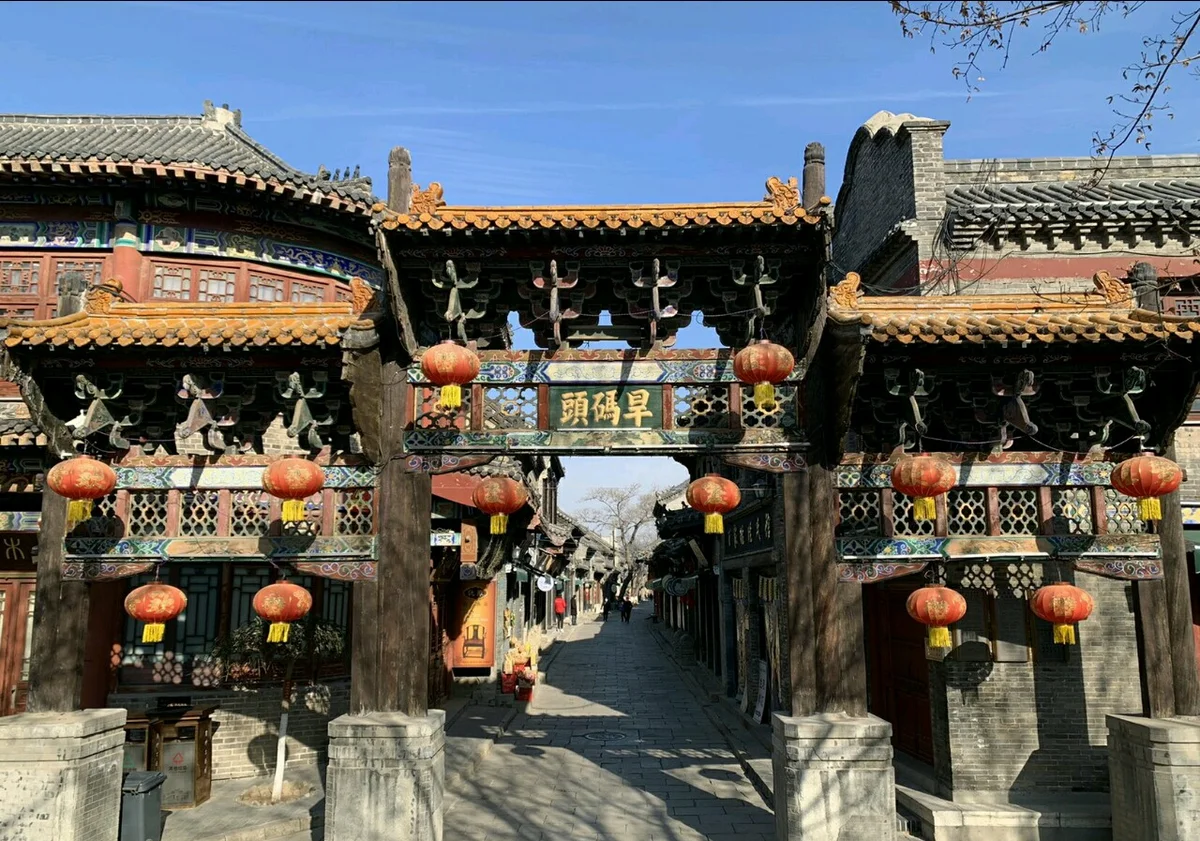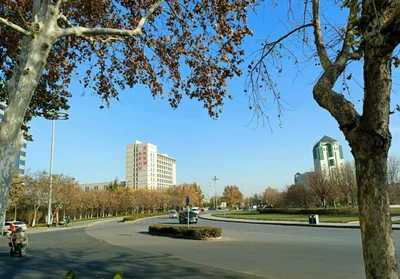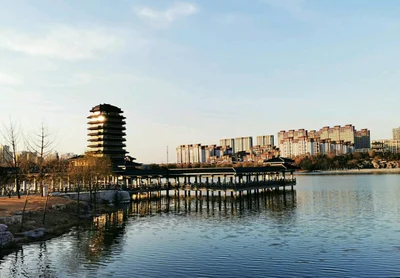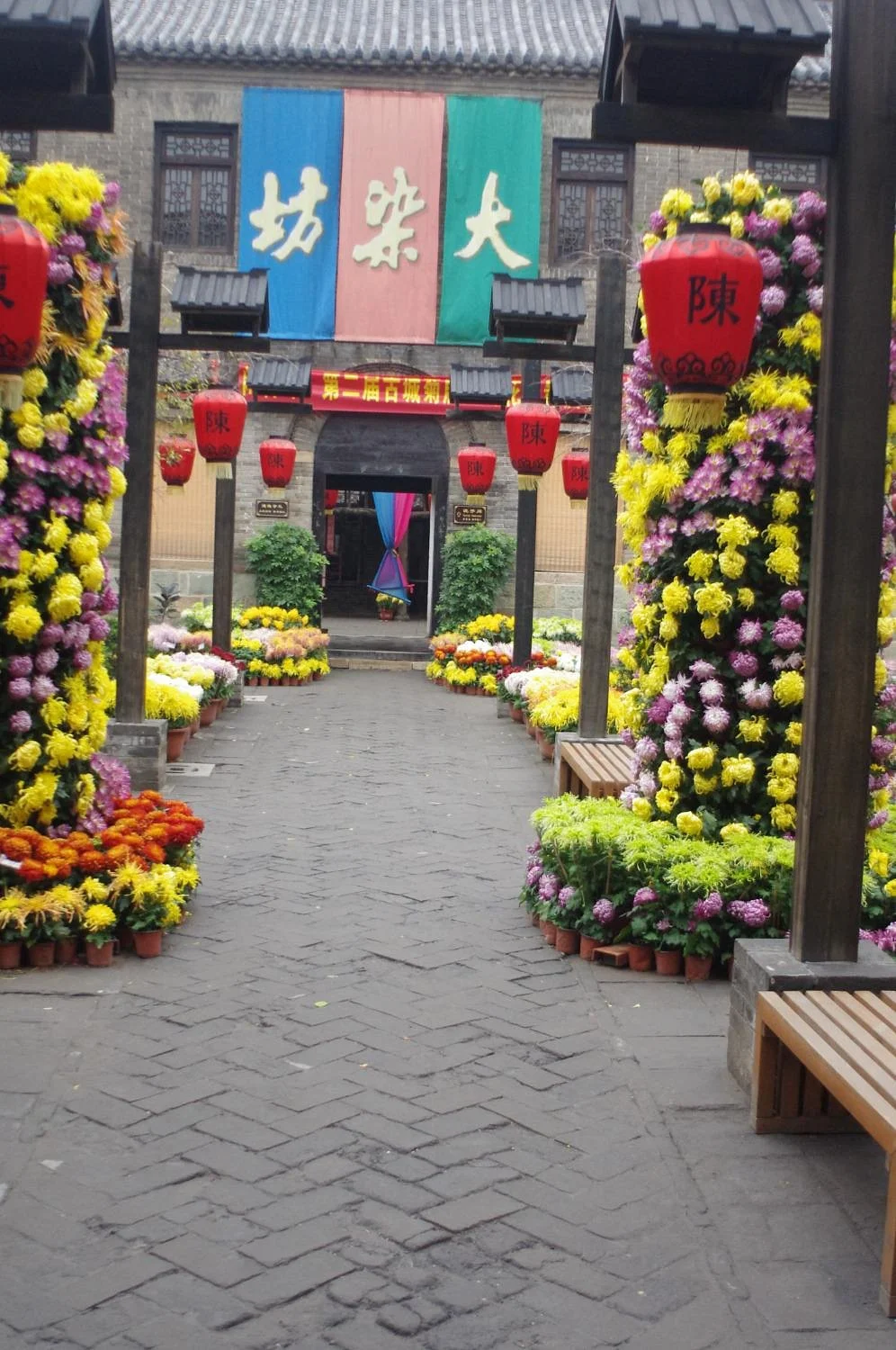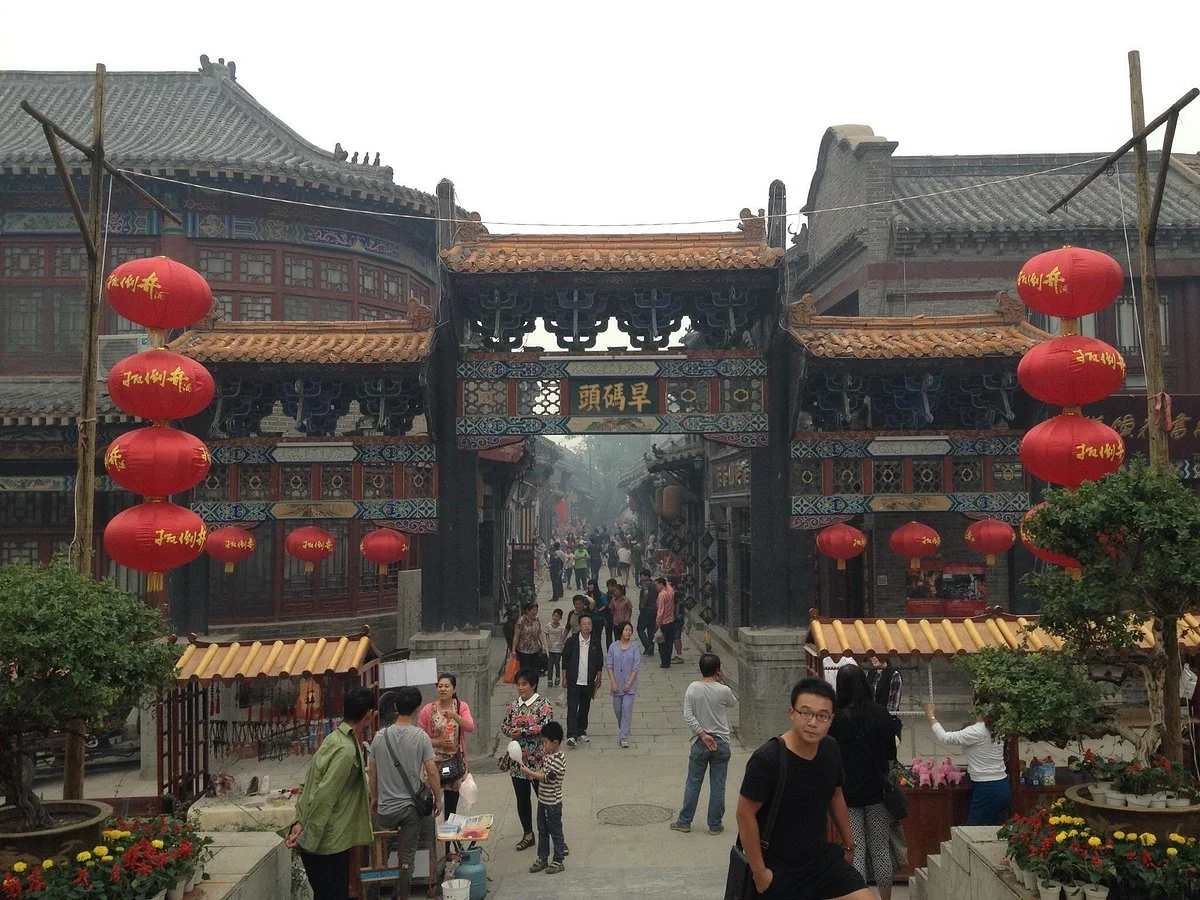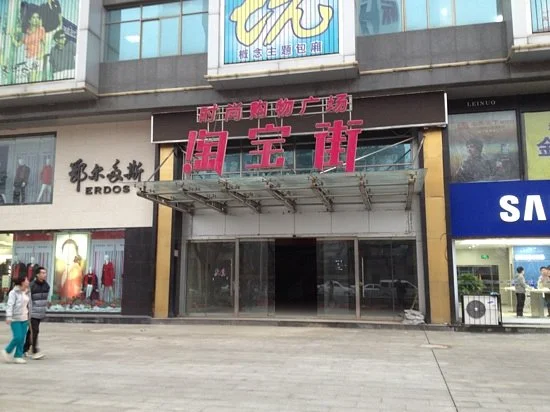
Zibo (Chinese: 淄博) is a prefecture-level city in central Shandong province, China. It borders the provincial capital Jinan to the west, Tai'an to the southwest, Linyi to the south, Weifang to the east, Dongying to the northeast, and Binzhou to the north.
Zibo spans 5,938 square kilometres (2,293 sq mi). As of the 2010 cenus, Zibo's population was 4.53 million, of which 4.41 million lived in the metro area comprising five urban districts—Zhangdian, Zichuan, Boshan, Zhoucun and Linzi–and parts of neighboring counties Huantai, Gaoqing, and Yiyuan.
The Zibo area was the centre of the ancient State of Qi, whose capital Linzi was the most populous city in China at its peak. Pu Songling, a well-known writer of the Qing dynasty, is one of the most famous people from Zibo. As the birthplace of Qi culture, Zibo is a notable tourist city.
Manufacturing holds an important place of the city's economy, particularly ceramics manufacturing. Other key industries include the petrochemical industry, pharmaceuticals, metallurgy, construction materials, machinery and textiles. New industries and high-technology industries, such new materials, fine chemicals, electronics, IT, and biopharmaceutics are also developing rapidly.
According to the 2007-08 Global City Competitiveness Report released by the Chinese Academy of Social Sciences, Zibo was among the top 20 cities in the world in terms of fast economic growth between 2001 and 2005. According to the Oriental Outlook Magazine, Zibo ranks No. 1 on the list of cities that have reasonable real estate prices in China, also ranking No. 2 on the list of cities with good public security in China in 2008. In 2009, the city received the award of "Best 10 Harmonious Cities that enjoy Sustainable Development in China".
Zibo Fried Pork (淄博炸肉): A traditional delicacy in Zibo, this dish involves slicing pork and deep-frying it to a crisp, complemented by a special sauce for a delightful and crunchy taste.
Zhangdian Sesame Cake (张店烧饼): A local specialty snack in Zibo, Zhangdian Sesame Cake is known for its crispy crust and rich fillings.
Jinxiang Big Steamed Bun (金乡大馒头): Originating from Jinxiang County in Zibo, the large steamed bun is characterized by its voluminous size and soft texture, making it a traditional breakfast choice for locals.
Zibo Beef Offal Skewers (淄博牛杂): A distinctive grilled snack in Zibo, beef offal is skewered and grilled until golden and crispy, then coated with a special sauce.
Zhangqiu Meatballs (章丘肉丸): A specialty in Zhangqiu District of Zibo, these meatballs are made from high-quality pork and seasoned with traditional spices.
Zibo Bean Sprouts (淄博豆芽): The bean sprouts produced in Zibo are crunchy, tender, and fragrant, making them a commonly used ingredient in local cuisine.
Zichuan Sugar Fire Cake (淄川糖火烧): A traditional pastry from Zichuan District, Zibo, Sugar Fire Cake boasts a sweet and soft interior encased in a crispy outer layer.
48 Bar (四十八号酒巴) This bar is on Liuquan Lu (六泉路) next to Brazilian Barbeque (巴西烤肉). And is where Zibo's expats as well as locals head on Friday or Saturday Evenings to kick back. The beers are relatively cheap for a foreigner bar: large Qingdao bottles are ¥10. Liquor is a little more expensive at about ¥30 to ¥50 for a single shot of your favourite Vodka, Tequila or Jack Daniel's. Zibo's small expat population make most patrons usually very friendly and they will even let you play music from your phone over the sound system! There is also table football and draughts for those who love bar games.
齐王府-QiWangFu Night Club is a popular nightclub. Taxi drivers are all familiar so getting there should not be a problem. Entrance is usually free for ladies and ¥10-20 for men. Referred to as 'bouncy club' by foreigners in this city. It can be lots of fun if you like dancing. Bigger dance floor than the average Chinese nightclub lots of Chinese techno and drinks aren't too cheap but locals usually head there after they have already done most of their drinking. There are usually games or competitions in between the dancing hosted by the local emcees.
No information available