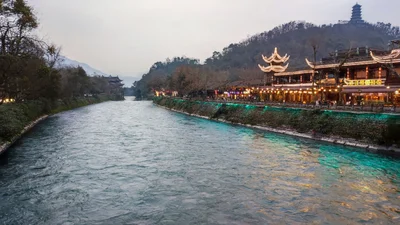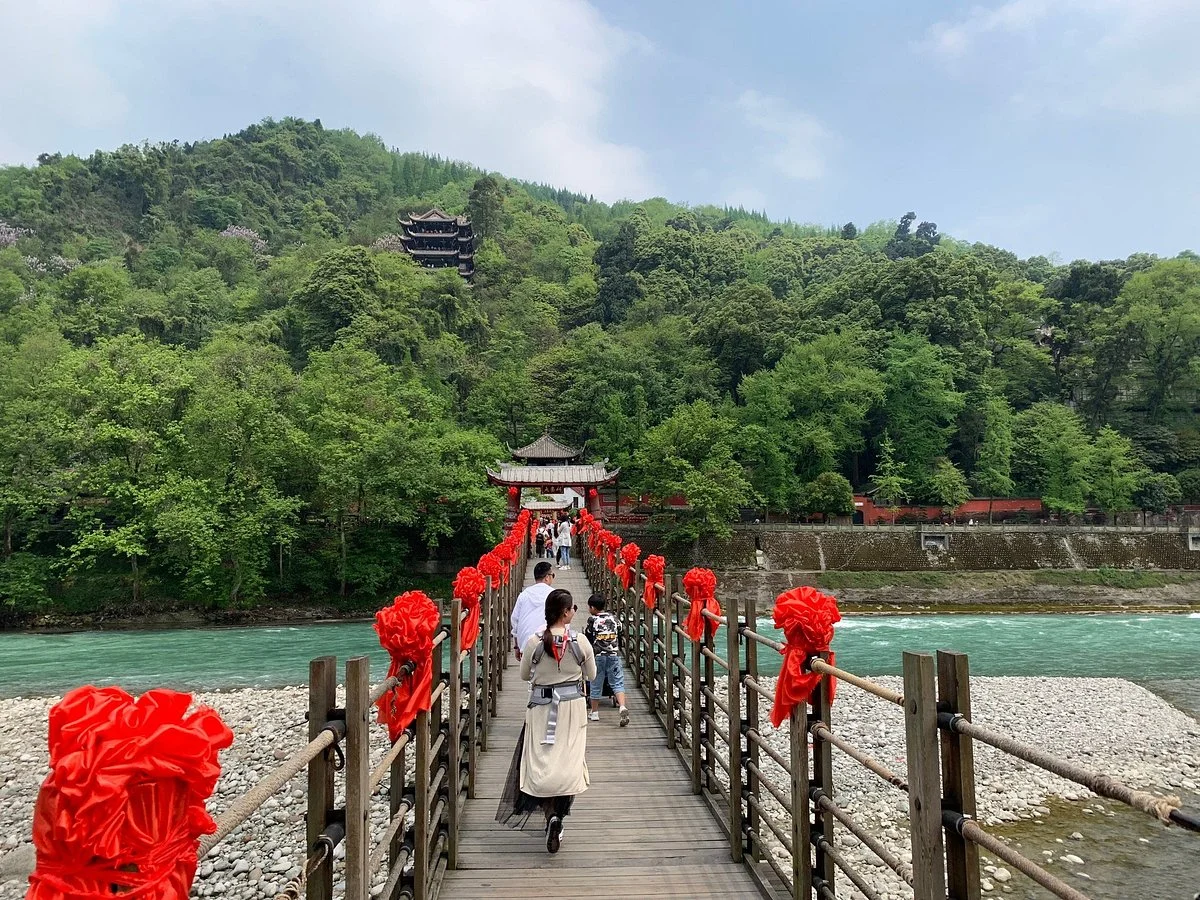
Dujiangyan (Chinese: 都江堰; pinyin: Dūjiāngyàn) is a county-level city of Sichuan Province, Southwest China, it is under the administration of the prefecture-level city of Chengdu. Its north-west region forms a border with southern Ngawa Tibetan and Qiang Autonomous Prefecture. It has an area of 1,208 km2 (466 sq mi) and had a population of 710,056 in 2020.Dujiangyan was formerly a county named Guanxian or Guan County (灌县; 'irrigation" county').
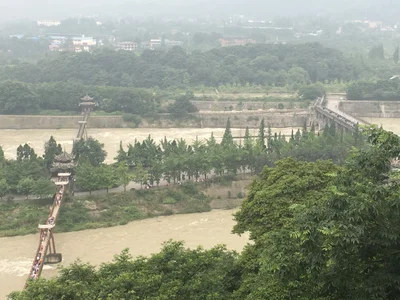
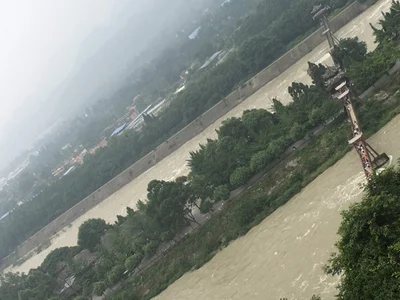
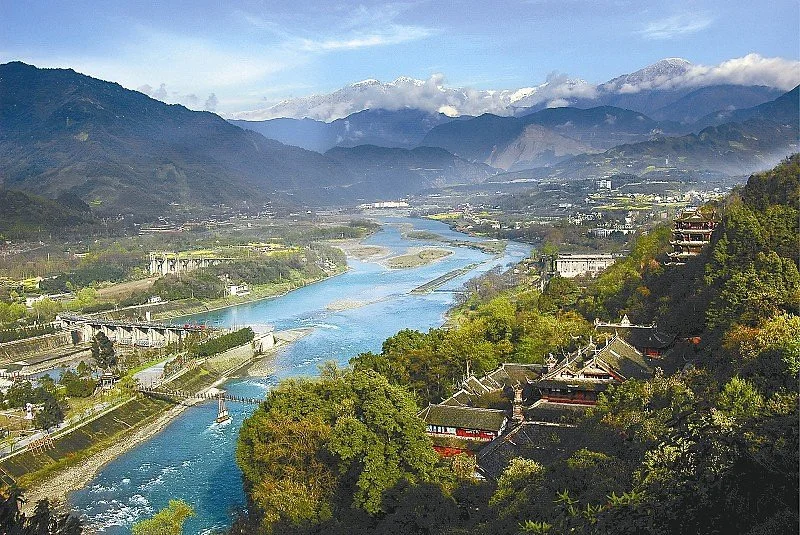
The county became a county-level city in 1988 and was renamed after the Dujiangyan Irrigation System, in the city's northwest, famous for providing Chengdu with water for over two millennia, since around 250 BC.
Lapai Hot Pot: The traditional copper pot adds a sense of ceremony✨Hot hooves, chicken, crispy pork and Qingcheng Mountain specialty cured pork ribs. After stewing, it will not be very salty. The stewed glutinous soybeans absorb the soup of the meat! This pot is especially suitable for replenishing your body after a hard day‘s work.
= A high-speed rail service connects Chengdu to Dujiangyan in about 35 minutes. However, the schedule is irregular and trains are often sold out, so it's highly recommended to buy your tickets a day in advance. Trains depart from one of two Chengdu stations: Chengdu North is the main train station (reached by subway line 1), and Xipu is a suburban station (reached by subway line 2). Trains reach one of two stations in Dujiangyan city: Dujiangyan or Liduigongyuan.
There is an extensive local bus system (see map).
Taxis within the city are cheap. (Starting from ¥4)
In the Warring States period about 2,200 years ago, the engineer Li Bing and his son led the construction of the Dujiangyan irrigation system. This allowed the taming of the river and the irrigation of the surrounding lands. Before the completion of the irrigation system, the plains around the Min River were prone to flash flooding, due to the fast moving river flowing down from the mountains and meeting level ground. The irrigation system protected the area from flooding and drought, making the Chengdu plain one of the most fertile and wealthy regions in China. It may be no coincidence that a few decades later, the State of Qin (which ruled this area) succeeded in conquering the other Chinese states, and unifying China for the first time.