Get around Public buses, Y1.
• Bus 102 - going all along Laocheng lu (老城路), you can take it on crossing Laocheng Eastern street and Qingnian pedestrian street.
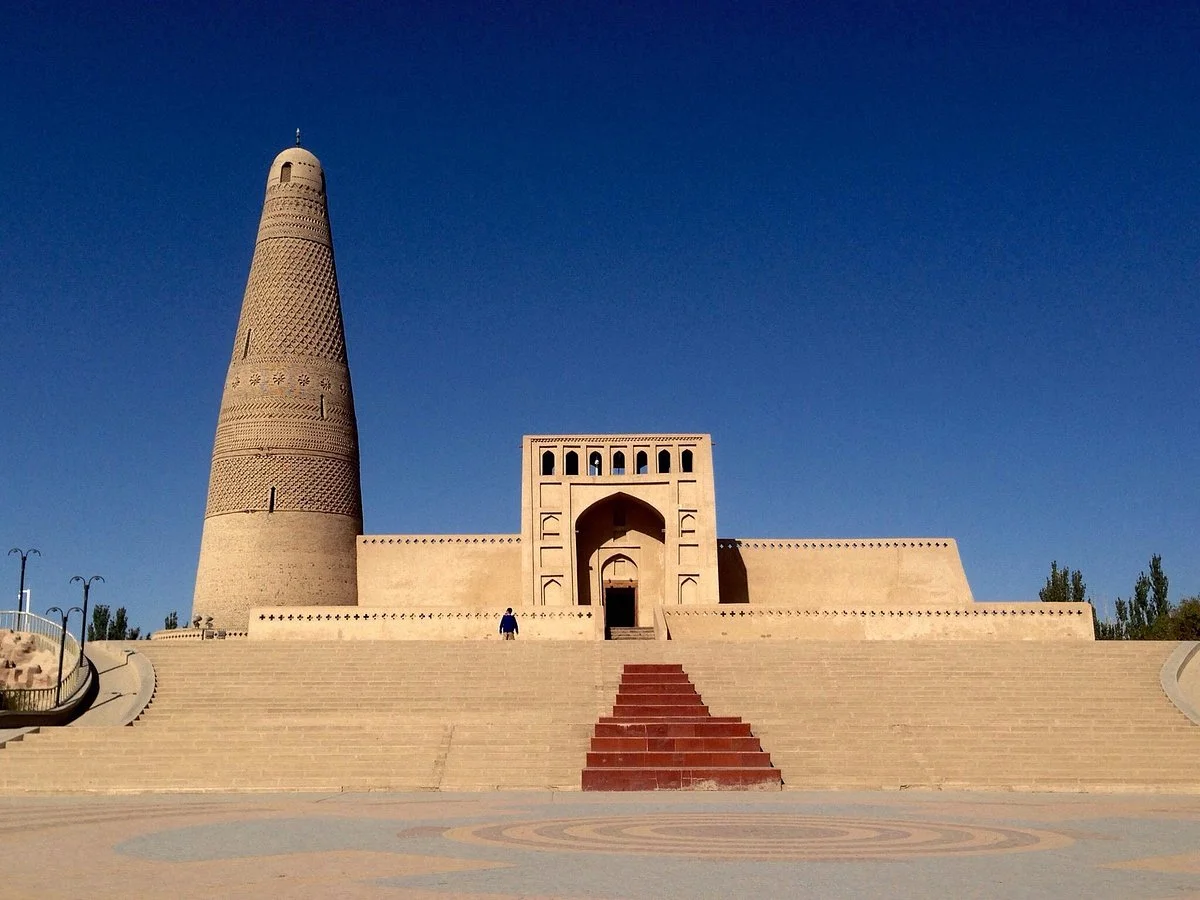
• Direction to East - the last stop is Su Gong Ta (苏公塔) Sugong pagoda = Emin minaret (额敏塔).
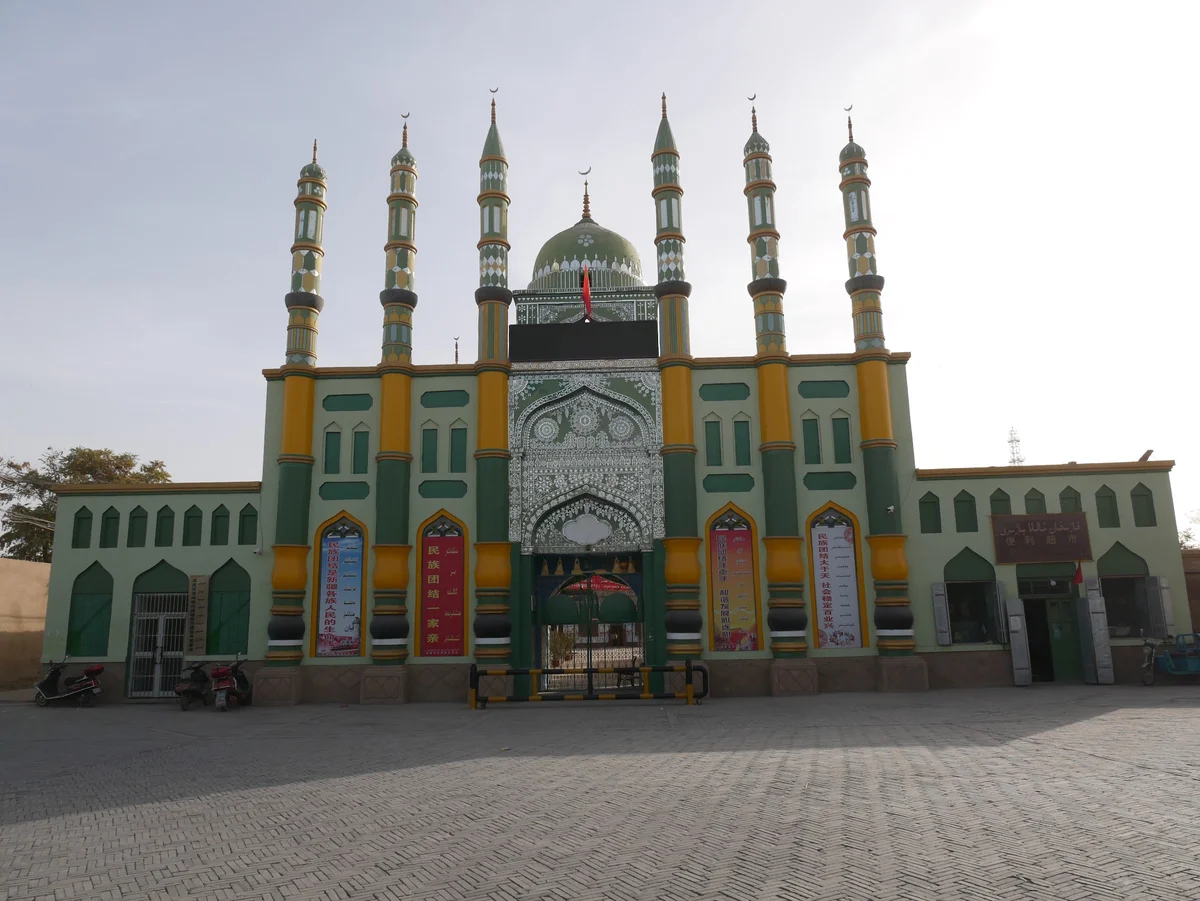
• to West - East mosque, North mosque and West mosque. Take off on the last stop and walk (hitchhike) next 5 km to Jiaohe Ancient City. Alternatively, from the last stop of the line 102, you can hire a vehicle for around ¥10 to take you the rest of the way to the site.
Taxi
Read more Eat Turpan is most famous for its raisins made from locally-grown grapes, so make sure you try some while you are here.
Plenty of delicious dishes can be found in the market, in front of the bus station, or in the pedestrian zone downtown. Cheap (but spicy) food is the norm, with plenty of meat options. Vegetarians better find a Chinese restaurant, many of which are north of the main square ("Grape Girls" square)
艾力热孜快餐店 (ai li re zi kuai can dian) on a parallel alley on the eastern side of the bazaar opposite the long-distance bus station serves excellent laghman (noodles), baked dumplings and barbecue skewers. Try the tandoori lamb or lamb dumplings in black-eyed pea soup for a different taste of Uighur food you won't find in other cities in Xinjiang.
• • Night Market — An alternative to the night market outside the bazaar, this option is more for locals than tourists. — Address: Guanghui Street, near Bezeklik St
Read more See • • Turpan Grape Gully — Nicknamed Green Pearl City, an oasis of greenery, made up of more than 200 hectares of grape. The best grapes in China have been grown here for more than 1,000 years. — Directions: 10km from the city — Price: 60 Y
• • Emin Minaret — Emin Minaret was built in 1777 in honor of the heroic Turpan general, Emin Khoja; it's the tallest minaret in China.
• • Turpan Idikut Ancient City — Ruins of an ancient Silk Road town standing isolated in the Gobi Desert. Built in the 1st century B.C. and called Gaochangbi, it used to be a garrison town. — Directions: 46km southeast of the city, you can get there either by taxi or first by bus to Doushan or Sanbao Township and then by motorbike — Hours: 8AM-5PM — Price: ¥20
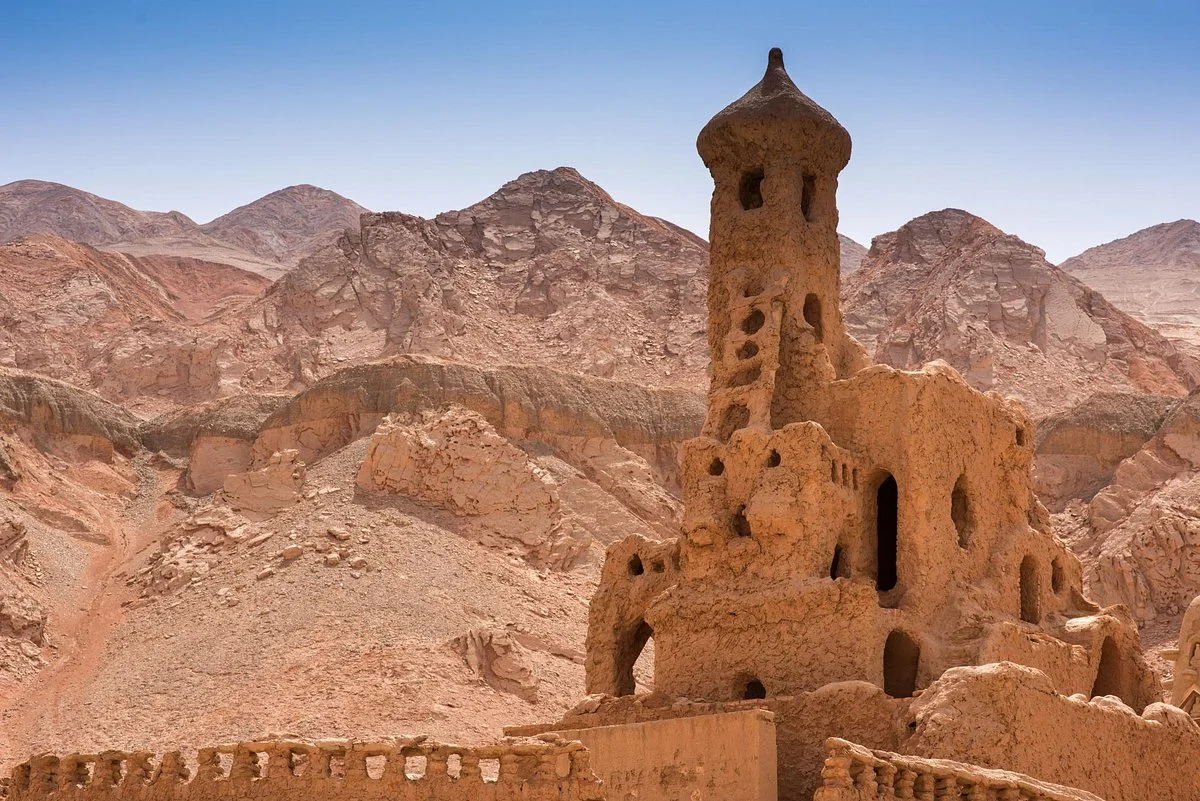
• • Yarghol Ancient City — Ruins of an ancient Silk Road town. This city was established during the Western Han Dynasty and continued through from the period of Northern Wei Dynasty. — Directions: about 20km west of Turpan — Price: ¥40
• • Bezeklik Thousand Buddha Caves — Stand high on the cliffs of west Mutou Valley under the Flaming Mountain. Of the 83 original caves, 57 caves remain. The murals cover an area over 1,200 square meters in more than 40 caves. Beginning in the Southern and Northern Dynasties, the construction experienced Tang Dynasty, the Five Dynasties, Song and Yuan dynasties. The caves had been the Buddhist center of Gaochang. Near the end of the 13 century, the royal family of Gaochang moved to Yongchang, Gansu. Around this same time, Buddhism in Turpan began to decline in popularity with the introduction of Islam. Subsequently, the religious importance of the Bizalkik Thousand Buddha Caves became less apparent. Many of the caves were destroyed during the ensuing religious clashes. Vandals dug out the eyes of many of the portraits human figures contained in the murals. Later, at the beginning of the 20 century, foreign explorers robbed the caves of much of the treasures. Despite all the destruction, the surviving parts, such as the delicate Buddha seat and the bright color of the murals, give us some idea of its past glory. — Directions: 45km east of Turpan
• • Ayding Lake — It's a few kilometers to the south of Turpan and marks the lowest point of China and is 154 meters below sea level. The salt lake completely dry, and there's a monument marking that point.
Read more Drink Wusu beer - all around Xinjiang. Probably only 4% Chinese beer.
John's Information Cafe in the back of the Turpan Hotel sells wine, beer and imported spirits. Grab a bottle to enjoy under the grapes on their patio. (The white wine is maybe the best in China),
Read more