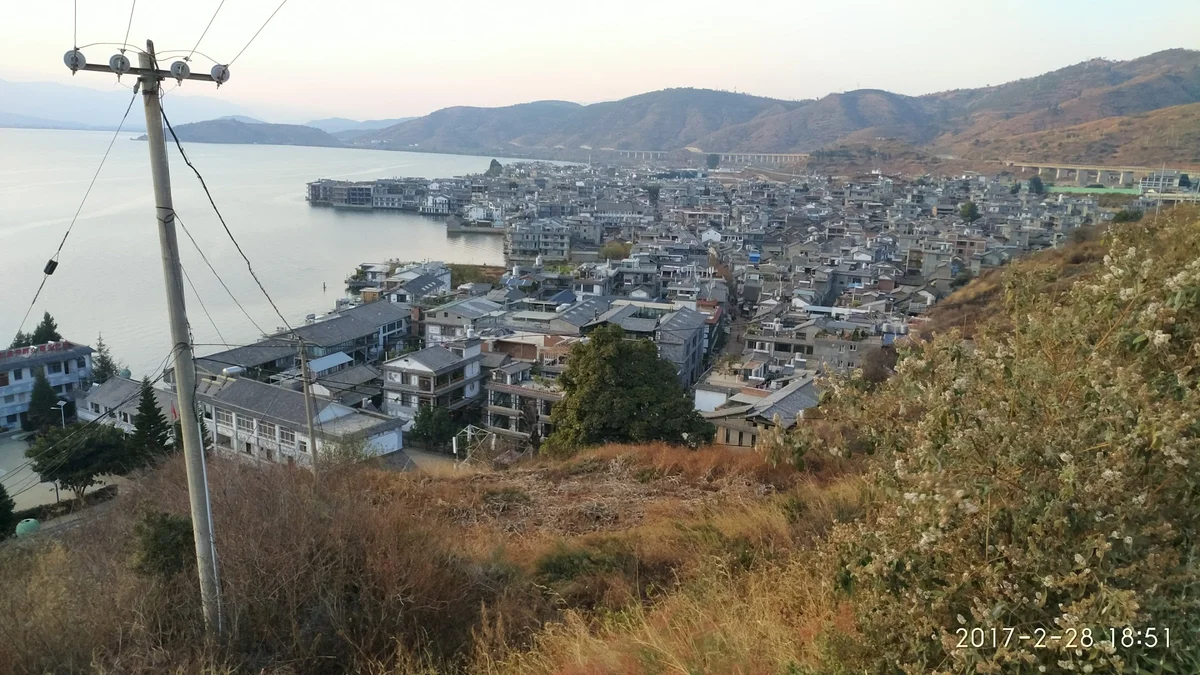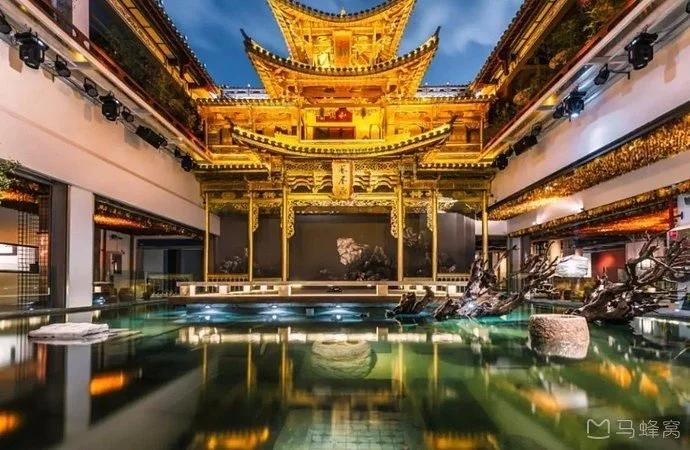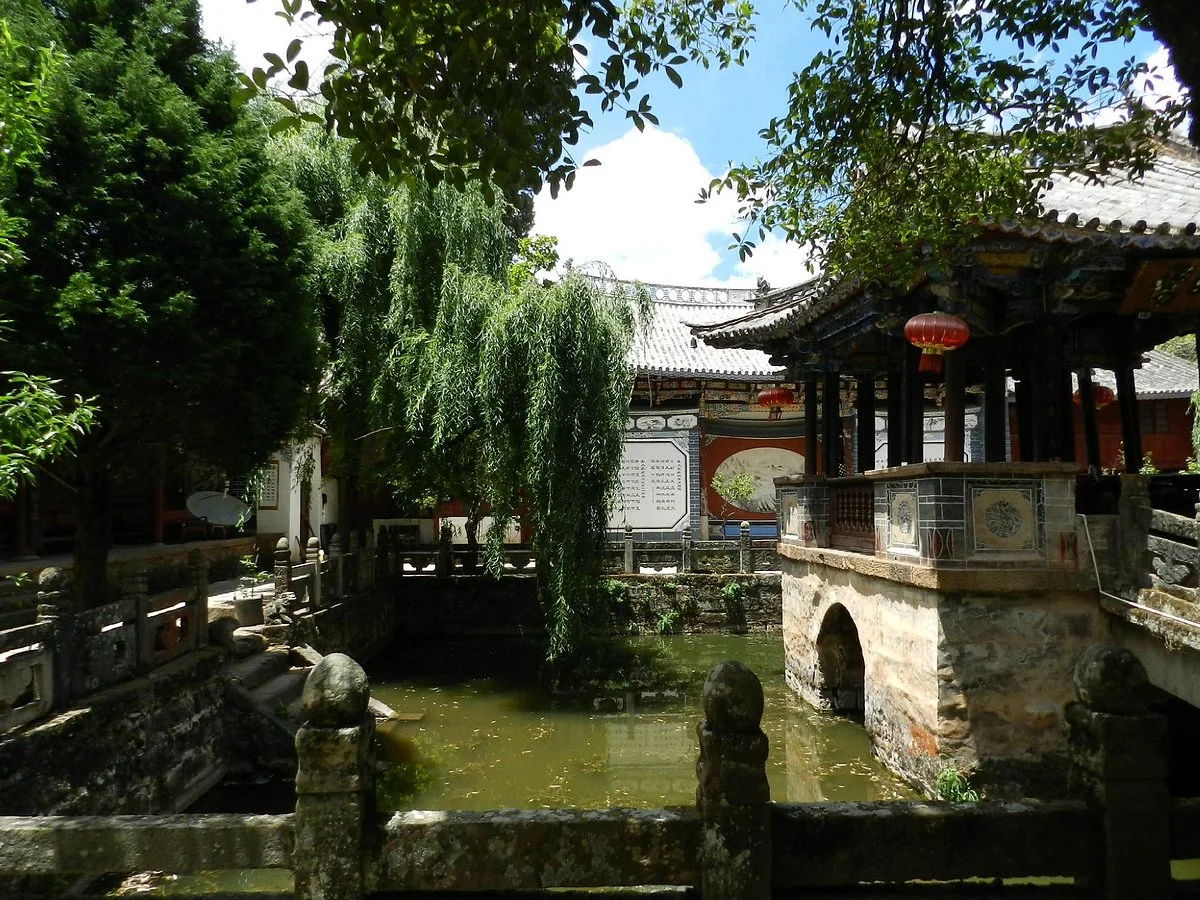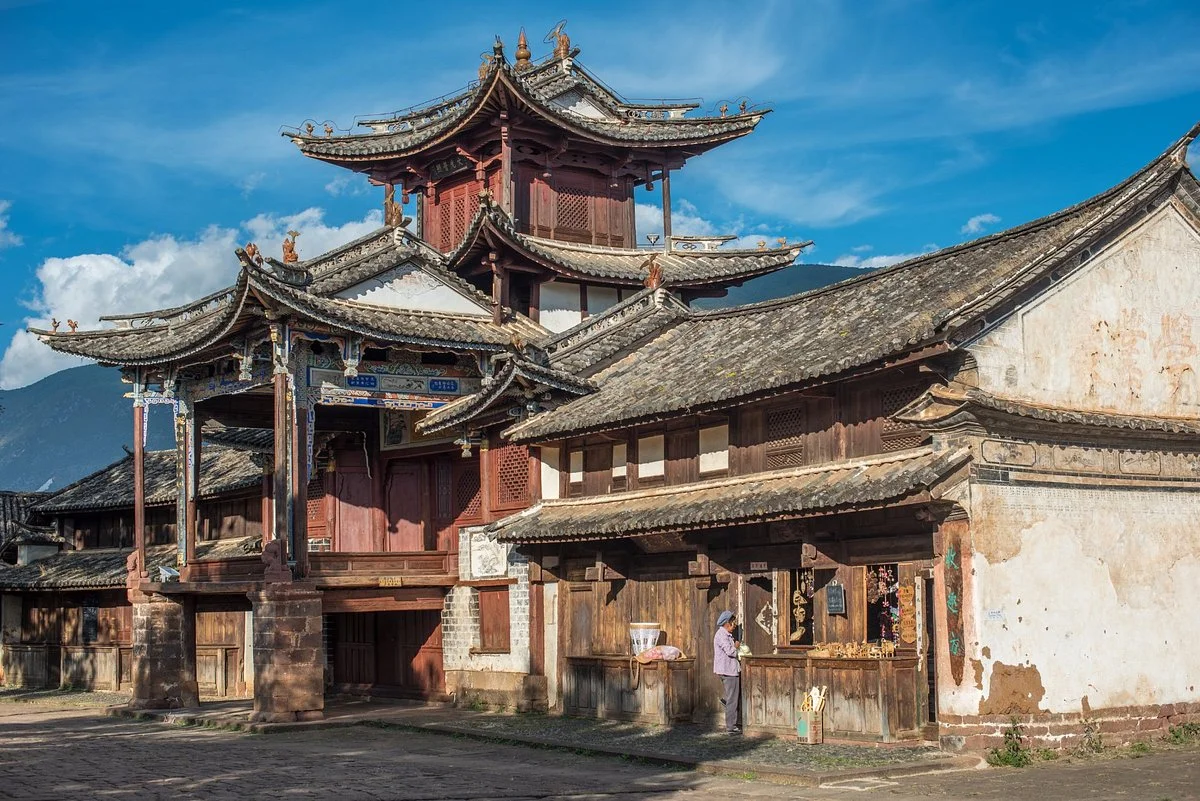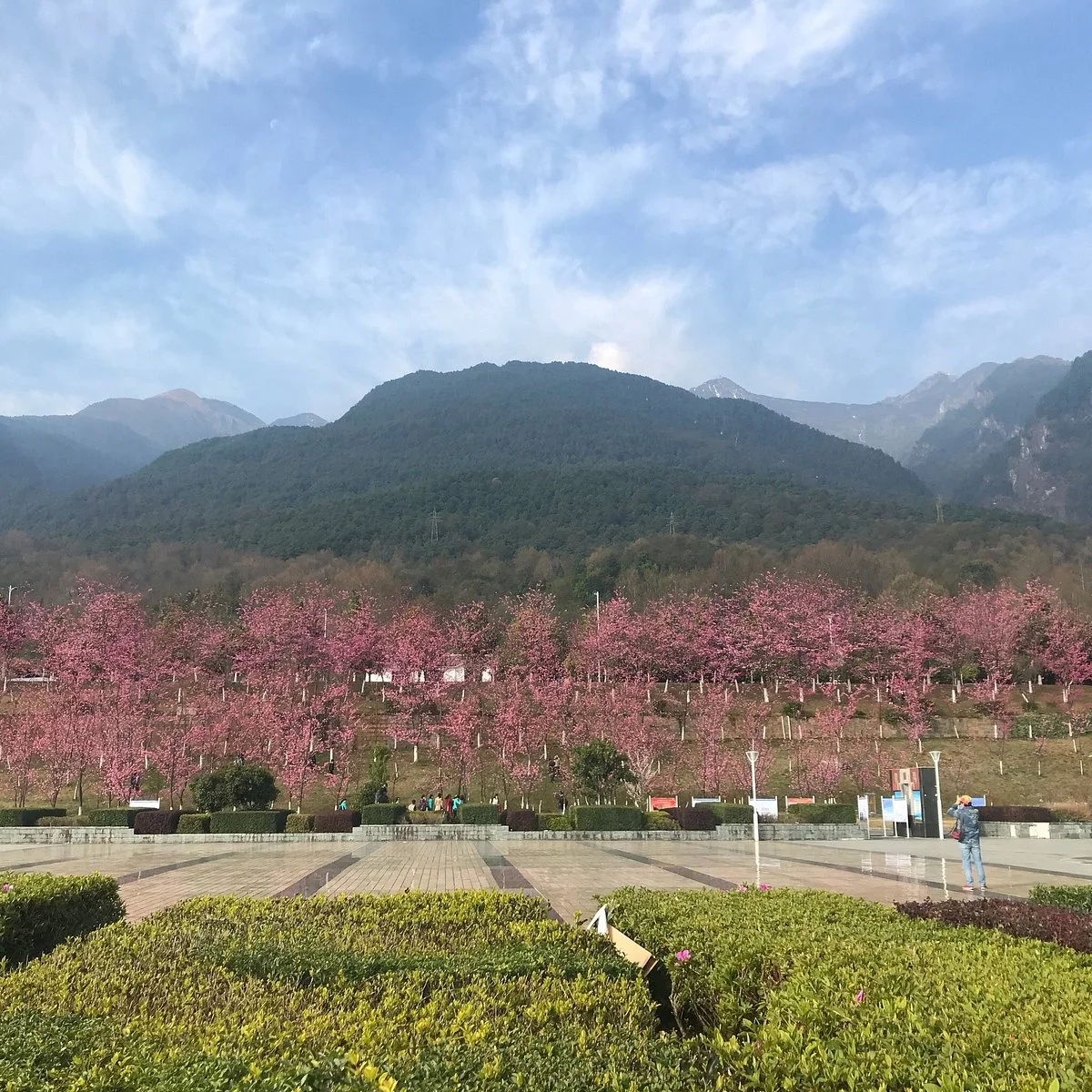
Dali City (Chinese: 大理市, Bai: Dallit sil) is the county-level seat of the Dali Bai Autonomous Prefecture in northwestern Yunnan. Dali City is administered through 12 township-level districts, two of which are also commonly referred to as Dali.
Xiaguan (下关镇) formerly transliterated as Hsia-kuan, is the modern city centre and usually conflated with Dali City by virtue of being its seat. This town is the destination of most long-distance transportation heading to Dali and is sometimes referred to as Dali New Town (大理新镇) to avoid confusion.
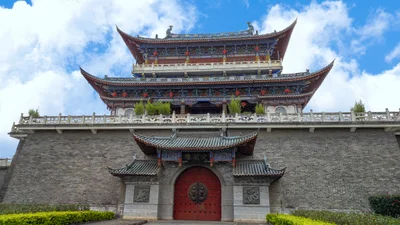
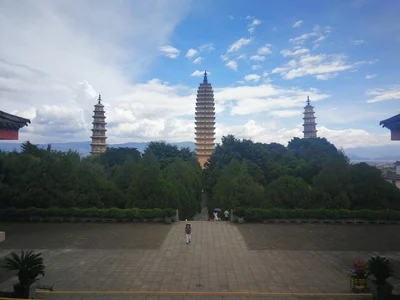
Dali Town (大理镇) formerly known as Tali, is another division of Dali City, located 10 km (6.2 mi) north of Xiaguan. This town, commonly referred to as Dali Old Town (大理古城) to distinguish it from the city seat in Xiaguan, is usually the Dali referred to in tourist publications. The old town is one of the most popular tourist destinations in Yunnan, known for its natural scenery, historical and cultural heritage, and vibrant nightlife.
There are lots of local specialties, especially Bai cuisine (Bai people are the local ethnic group). Bai restaurants are plentiful, especially in the northern part of the old city. Try shuǐxìng yánghuā 水性杨花, an underwater plant whose name is also an idiom meaning "promiscuous"; shùhuā 树花, or "tree flower", a bitter tree fungus; or shùpí 树皮, literally "bark" but actually an even more bitter tree fungus.
Another local specialty is roses, which find their way into juice and pastries.
Try rǔshān 乳扇 the local "Fried cheese" that is a crispy snack often wound around bamboo skewers. Available at restaurants or sometime street stalls.
Xizhou's famous dish is bābā 粑粑, a slightly oily, slightly chewy, slightly flaky thick pancake-like pastry, which you can get sweet or savory.
A bowl of noodle ranged between ¥10-15 (slightly more expensive than Kunming) (as of March 2019). Chinese meal served catering for four people along with beer expect to pay ¥80. Western meals average around ¥25, including a bottle of the local beer. Breakfast prix fixe menus are served everywhere and average around ¥25 including coffee.
Fruit stands and corner stores abound. Try to get a feel for prices before buying if you want to avoid paying exorbitant prices. You can buy apples for ¥4/jin (a half kilo), a bottle of water for ¥2 (as of March 2019).
A 500 ml bottle of Dali Beer will cost you around ¥10-12 in a bar and about ¥4-5 from a grocer. A large selection of beer is on offer but some are coloured green and require an acquired taste. But for the price, there is no excuse not to sample the lot.
Dali has a number of famous local products. Any part of the city that gets a good number of tourists will have plenty of souvenirs, and probably hats (the sun is strong due to the altitude) and fruit. As ever, be prepared to bargain when shopping in Dali. See Yangshuo#Tourist stuff for advice on prices in Chinese tourist towns.
If you are looking for light bites or other daily needs with fair price without paying the "tourist price", check out the 'Si Fang Jie' supermarket, they have three branches in Dali Old Town (Fuxing Street, Yu'er Rd, and near North Gate). Alternatively, you may check 'Da Chang Sheng' supermarket at the junction of PingDeng Rd and Yu'er Rd.
Dali has some of the cheapest accommodation options available in all China. Lots of accommodation to chose from. Expect to pay ¥15-30 for a dorm bed, ¥40 and above for rooms, ¥60-300 for a double room with private shower and toilet.
Dali Old Town is small enough to get around on foot, and being laid out in a grid format it is relatively easy to navigate. The major landmarks are the South and North Gates with Fuxing Road running between them, and Yangren Street (Westerner's Street) lined with cafés and tourist shops. City maps are readily available for around ¥5 but tend not to follow the usual north-at-the-top standard because the natural orientation of someone in Dali is to look towards the huge looming Cangs Mountain which run north-south next to the city. As you look at the mountains and face west, the lake is at your back, or east. This method of orientation makes even more sense when you realize that the entire town gently slopes from the mountains to the lake, making those two landmarks a natural way to find your bearings.
Bikes are available at many guesthouses and rental huts around town and cost ¥5-40 per day. Bikes vary greatly in quality so shop around for the best deal. The Chinese brands Merida and Giant are among the better ones to consider.
Electric scooters and electric micro cars (smaller than a Smart) seem to be license-less, hence available for renting, no driving license required. E-scooters go for different rates depending on the range of the battery, ranging from ¥30 to just bike around the vicinity of the old city to ¥80 for enough battery to comfortably ride all the way around Erhai Lake. The e-car seems to go for about ¥140, and has a range of 100 km.
The e-taxis in Dali Old Town generally cost ¥5 for under 3 km (though most drivers will ask for ¥10). For other locations outside the old town, all prices are negotiable. A taxi to Dali New City will cost around ¥40.
In addition to the Old Town, Dali is a Prefecture of over 10,000 km 2 . A whole range of destinations exist within the Prefecture that are perfect for the adventurous traveller. All are relatively easily accessible from either Dali Old Town or Dali New City, the major city 13 km to the south. A lot of useful information is available from the cafes within the old town on day trips around the prefecture.
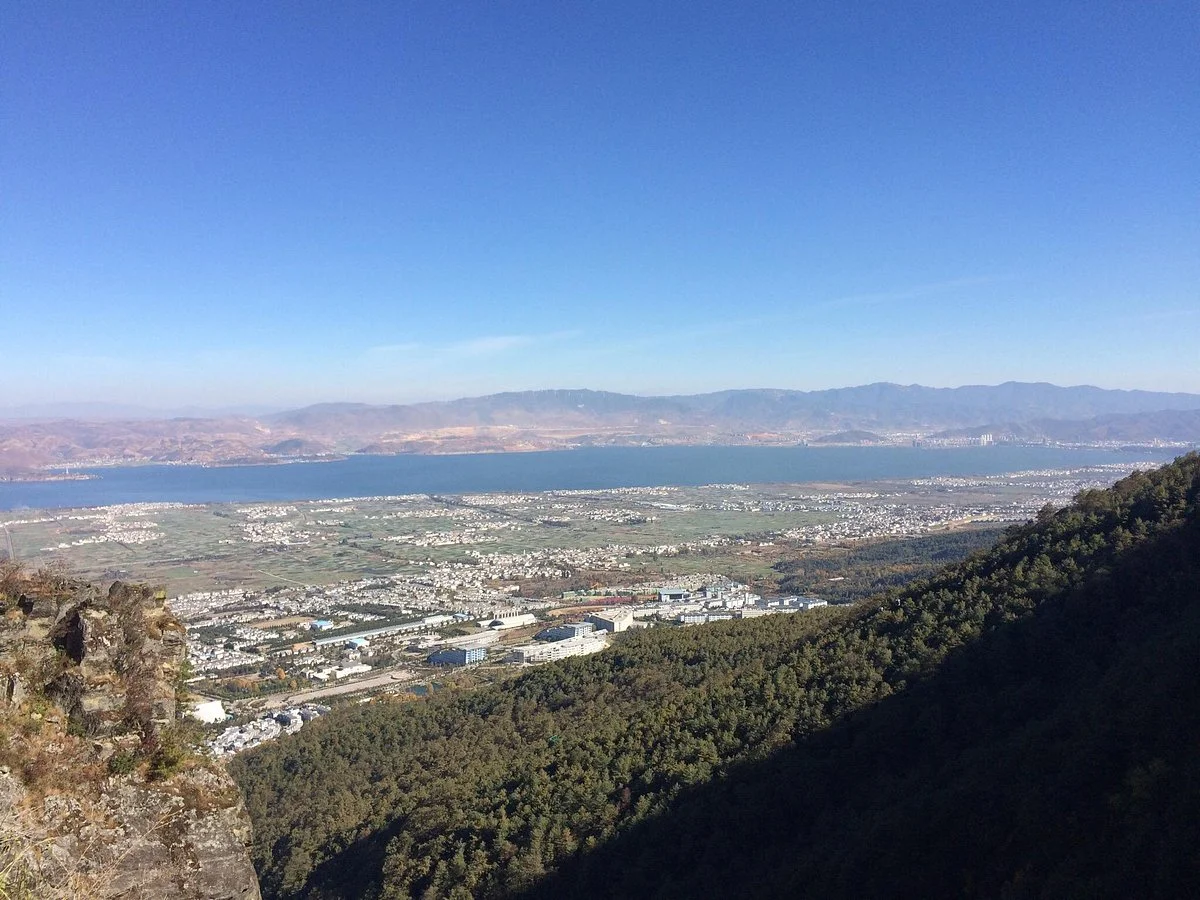
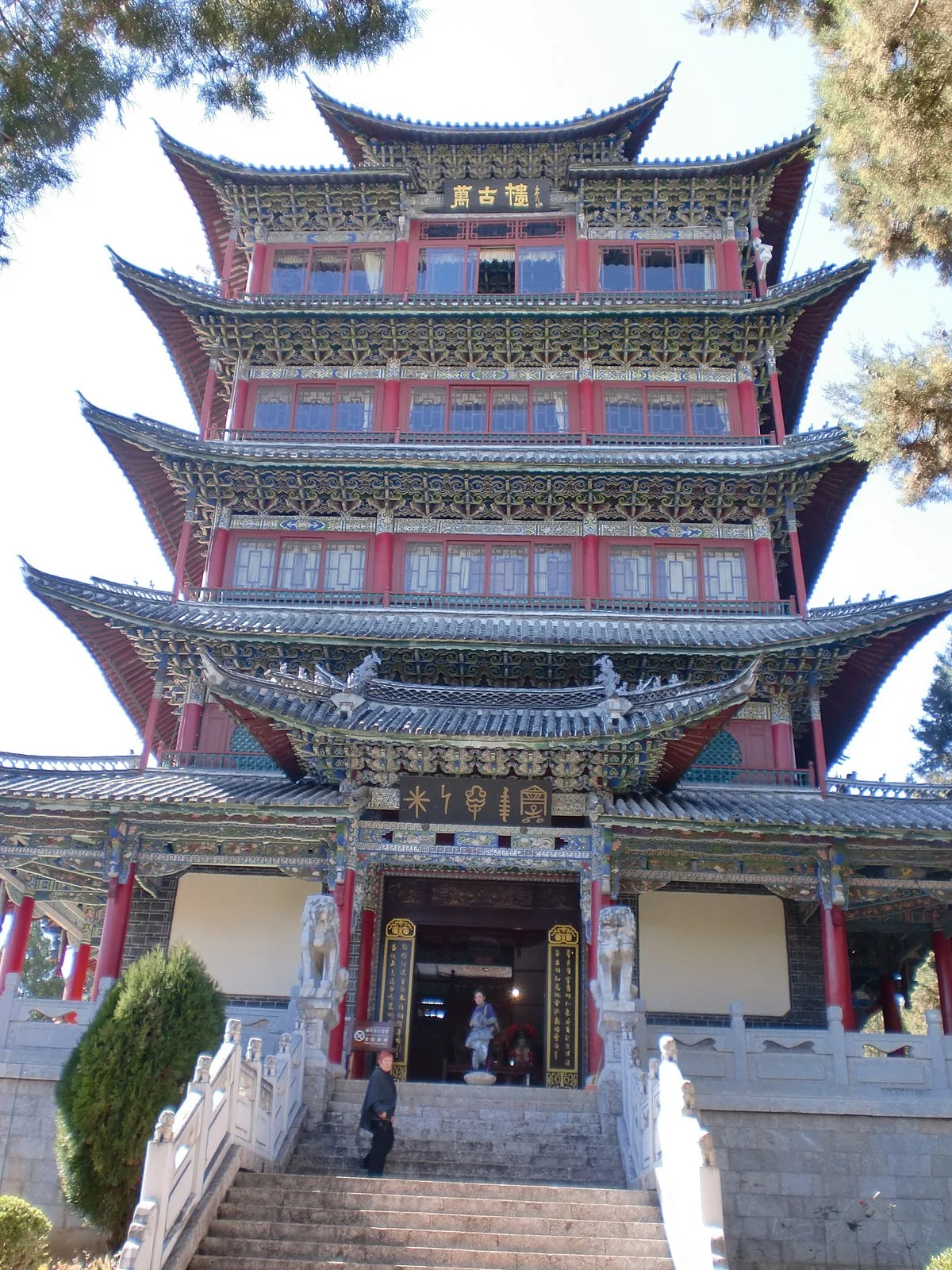
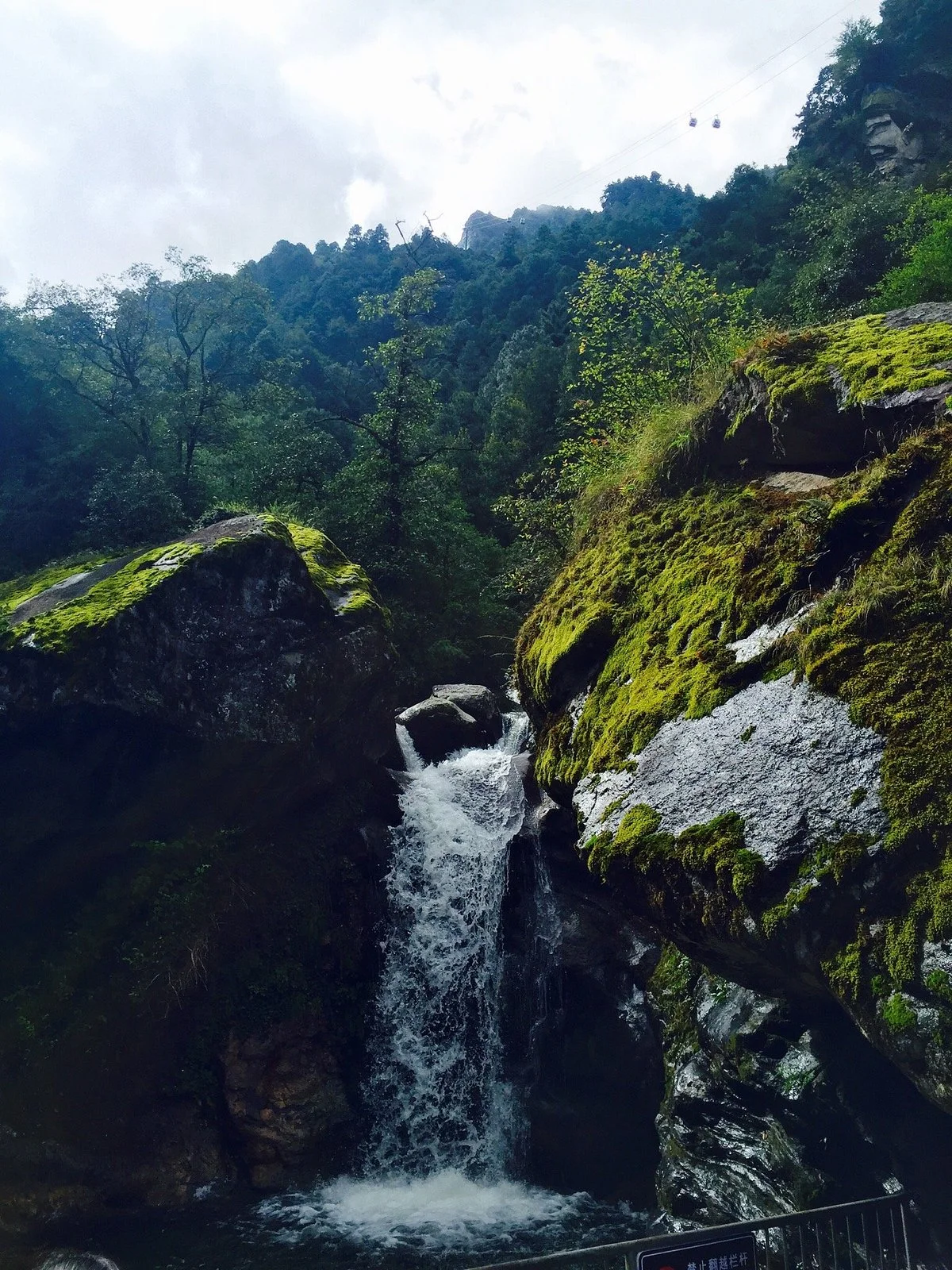
Dali is a popular tourist destination for domestic Chinese tourists, one of the string of towns described in Yunnan tourist trail leading up to the beautiful Tiger Leaping Gorge. It is a medium-sized city of 650,000 but its tourist draw is the "Old Town." (大理古城). Like many Chinese tourist destinations, the old town, which has architecture that dates back to the Ming dynasty, has been extensively renovated, rebuilt and modernized, including newly constructed city walls and gates. You can still see the remnants of the old wall in the form of long mounds that surround the old city, but Dali is no longer a walled city by any means. The old town section of Dali is sandwiched between two multi-lane highways. While it lacks the authentic rustic charm of other old Chinese cities (e.g. Pingyao or even Lijiang) and much of the old town has been renovated and is devoted to tacky knick-knack stores for Chinese tourists, it does sit in the shadow of a beautiful mountain range, the Cangshan and is close to the large Erhai lake. There is an expensive cable car (¥90) that you can take to reach the top and there are some hiking paths that offer beautiful views of Lake Erhai.
But do not expect to find a small ancient city in the beautiful mountains of Yunnan; this is not what you will get. Dali is very spread-out and it takes almost an hour by bus #8 to get from the train station in the modern part of town to the old town. In addition to the popular old town and various traditional villages scattered around the lake, Dali now has an urban core filled with modern buildings, 20-story residential towers, and a Wal-Mart. You can also see factories belching emissions on the other side of Lake Erhai.