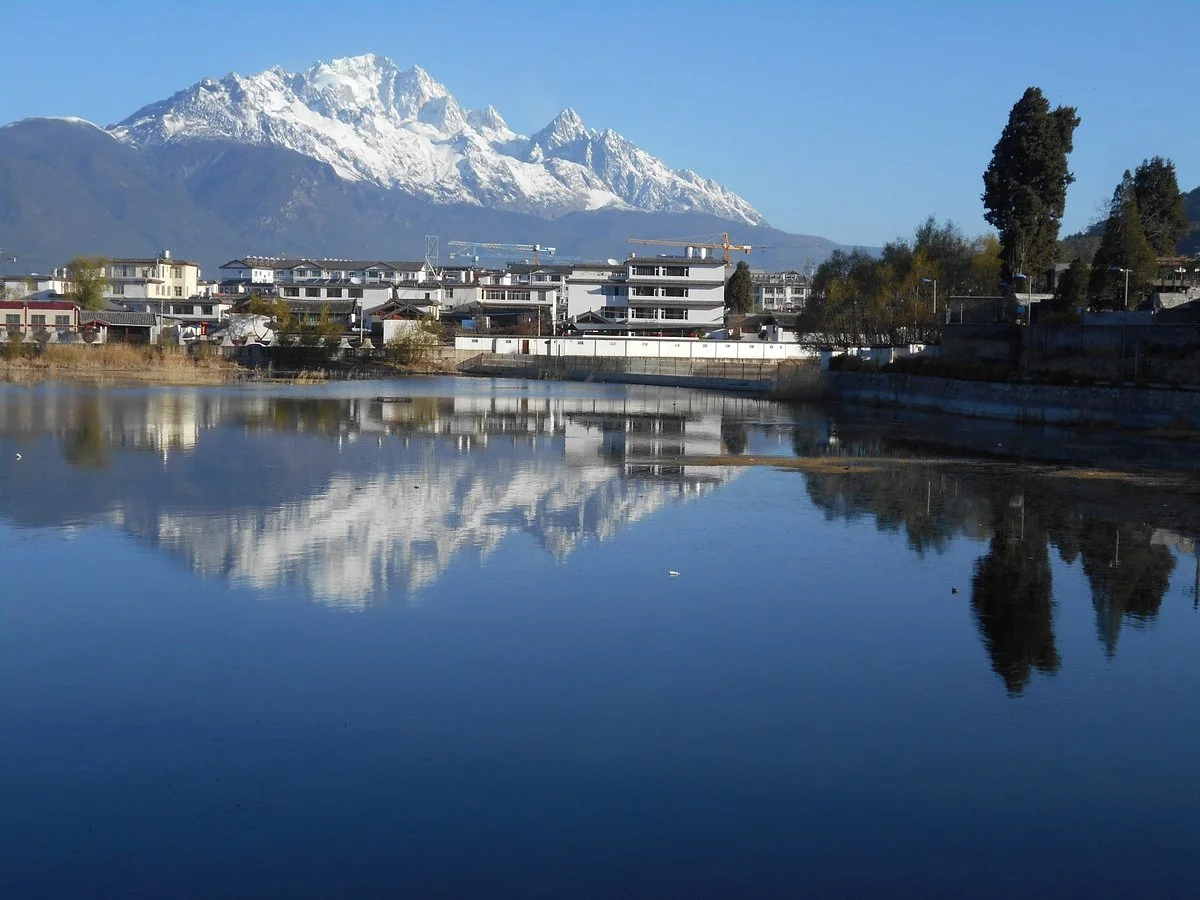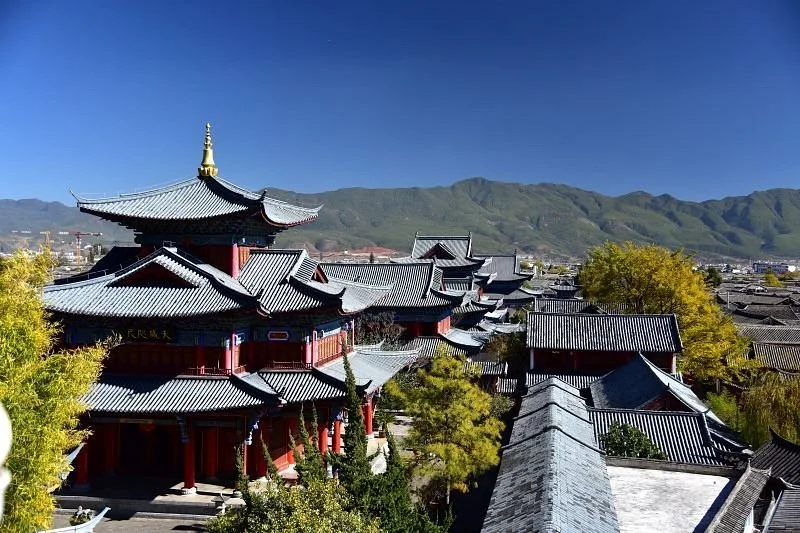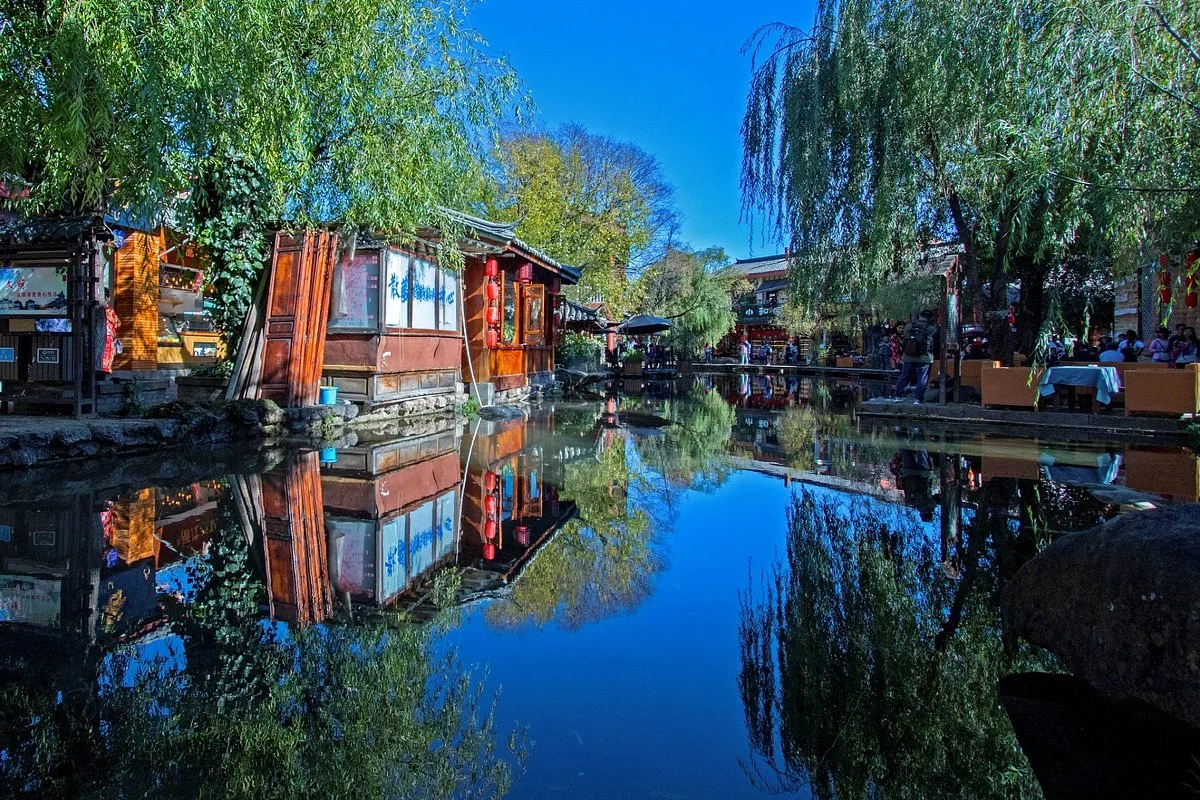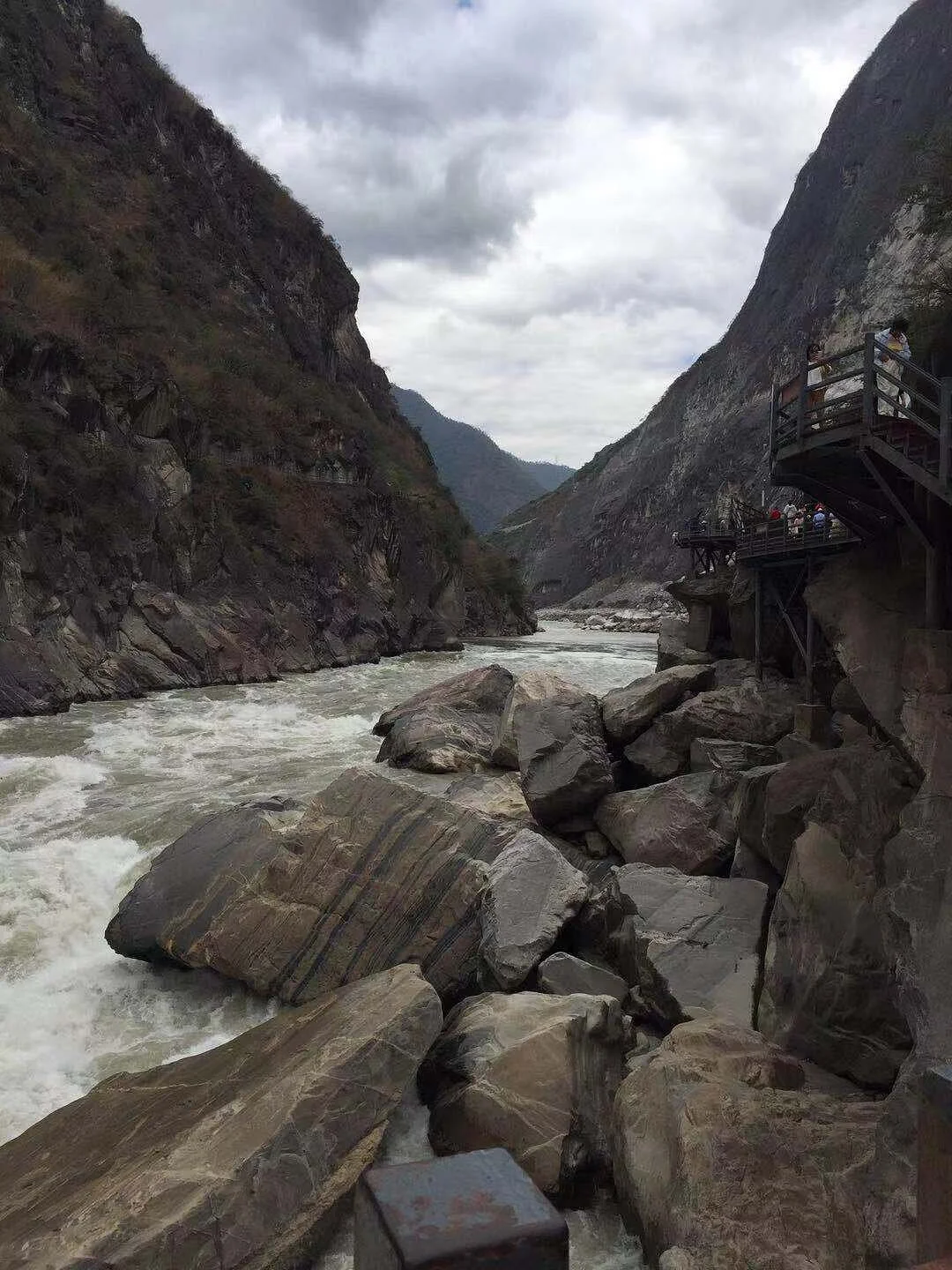
Lijiang (Chinese: 丽江), formerly romanized as Likiang, is a prefecture-level city in the northwest of Yunnan Province, China. It has an area of 21,219 square kilometres (8,193 sq mi) and had a population of 1,253,878 at the 2020 census whom 288,787 lived in the built-up area (metro) made of Gucheng District. Lijiang is famous for its UNESCO Heritage Site, the Old Town of Lijiang, which contains a mixture of different historical architecture styles and a complex, ancient water-supply system.
There are three primary types of restaurants in Lijiang: Naxi, Tibetan, and Sichuan. Some restaurants offer more than one type of food. Much Western food is also available, but more expensive. A bowl of noodle costs from ¥12-15 (slightly more pricier than Dali) (as of Jul 2019).
Lots of local snack-type foods available from street vendors, including:
There are a couple of local drinks worthy of special mention. Lijiang Yinjiu and Sulima (both commonly available in Lijiang) are modern renditions of ancient beer types of the Naxi and Mosuo people and far more enjoyable than the typical bland Chinese lager. Yunnan is famous for tea, as well (though Pu'er, Yunnan's best-known tea town, is way down south on the road to Xishuangbanna) and every fourth shop is a tea shop specializing in the length and breadth of Chinese tea, the likes of which you will not find in your average Western Chinatown. See Chinese cuisine#Tea for details.
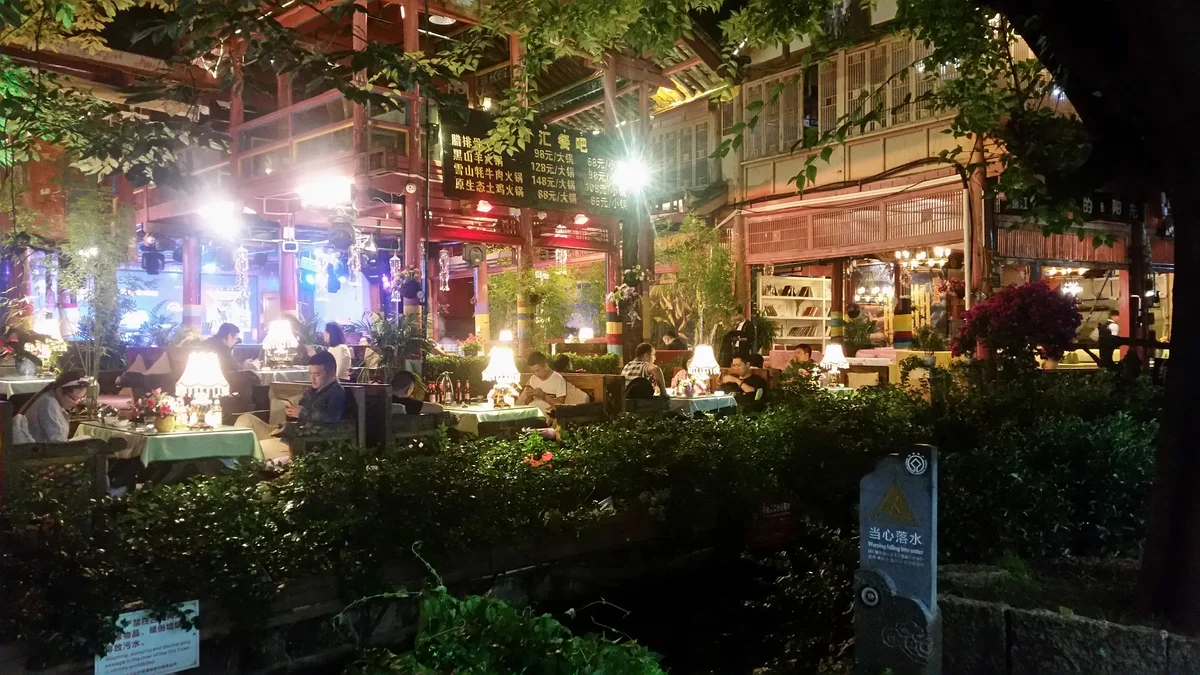
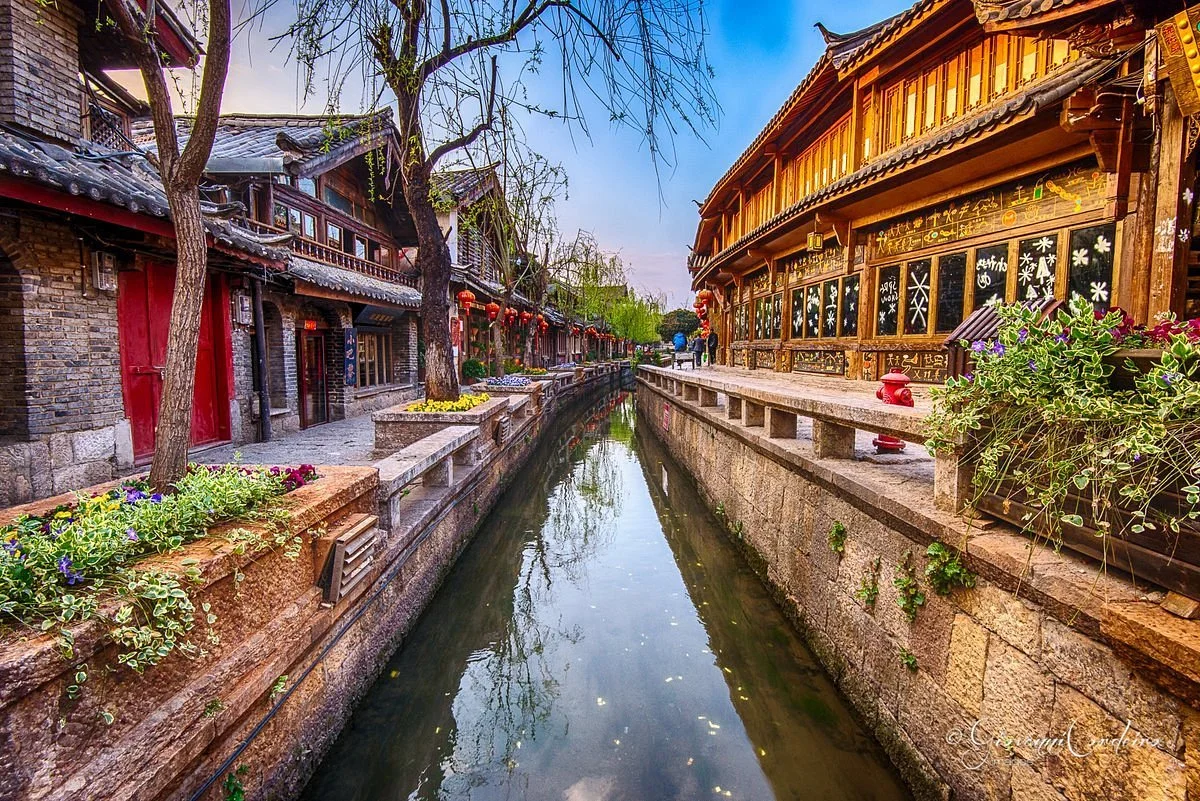
Unlike the rest of China, Lijiang's cafés and restaurants shut down around 11PM. The bars have to shut down their music at 23:30. But you can drink until you finish your alcohol. Along the canal you find find it packed with bars. It's packed with people even on rainy days. The cost for a dozen beers ranges from ¥98 at 21:00, all the way to ¥600 around 23:00. The bars along the canal are the most touristy. If you walk past Four Square street deeper into the old town you will find less touristy bars where you aren't constantly asked to buy flowers for the girls.
There are too many bars inside old town to list, but here are a few:
Loads of tourist shops available in old town. Probably overpriced, but Lijiang does not have as many cases of the Westerner price being too much higher than the Chinese price as in many other parts of China.
If you are looking for supermarket that offers fair prices, there is none in Old Town. The nearest option will be 'Dragon Life Supermarket' near the South Gate, along the southwestern part of Old Town, or 'Good Mood Supermarket' near the North entrance of Black Dragon Pool.
Lijiang has plenty of hotels to fit all budgets and styles.
It is sometimes difficult to find specific addresses in the old town; the best option, especially in low season, is to walk around town and check out prices and rooms to see which suits you best, as there are many different options to choose from. In the winter, ensure that there is a heated mattress pad or heating in the room as the nights are quite chilly.
Most guest houses in the traditional architectural style are in the old town. As taxis are not allowed to enter the old town, they have to stop at the gates. So either be prepared to carry your luggage a bit or call the hotel to send someone to carry your luggage on a cart.
Walking is the only option in the old town, while taxis are often the easiest way around the rest of town, meter starts from ¥9 (as of Mar 2019). Make sure you have the exact location info or address for the cab driver. Some of them do not know a whole lot more than you do.
Fracture alert: watch where you are walking. It is easy to trip on the cobblestones or fall into the canals from the walkways or bridges, many of which do not have handrails. The cobblestones can be very slippery when wet.
To see the sights outside the old town, the options are walking, biking, public bus, private mini-bus, or taxi. The public bus mainly stays within the city and stops. The mini-buses are the same price as the public bus within the city. They will have the number of the bus on the front windshield. The price of a mini-bus to a nearby village is ¥1-5, but the starting location within the city is different for most villages. If you do not know where you want to go and are limited on time, the best option is to rent a taxi or mini-bus for the day, but the price can vary wildly from about ¥100 all the way up to ¥300. The price mainly depends on whether you can speak Chinese or not, and how comfortable you look when you try to bargain the deal.
Lijiang is the main center of the Naxi or Nakhi people, though it is by no means a Naxi-only town: at least half a dozen other ethnic groups are represented. The Naxi number under a million and are perhaps best known for their embroidery; they also have their own language with its own hieroglyphic-style writing system, and their own religion, clothing, art, architecture, music and dance. The Chinese government classifies the Mosuo (found mainly further north around Lugu Lake) as part of the Naxi group, but neither the Naxi nor the Mosuo accept this.
Lijiang or nearby Baisha (now a village 12 km north of town) have been important for about 2000 years, when the Naxi settled in the area, and Baisha was the capital of a Naxi kingdom from 658 to 1107. Then the area came under Chinese control and Lijiang became the administrative center. Parts of the old town date back to this period, built during the Song Dynasty (960-1279). The town was built where the Jade River divides into three and its streams form the canals and waterways which flow along the old town streets.
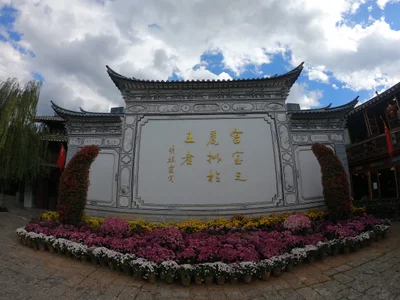
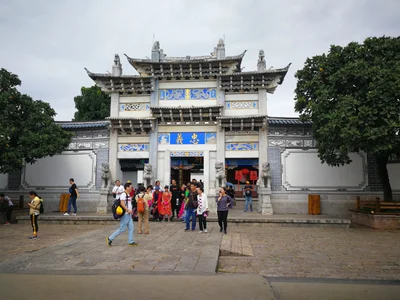
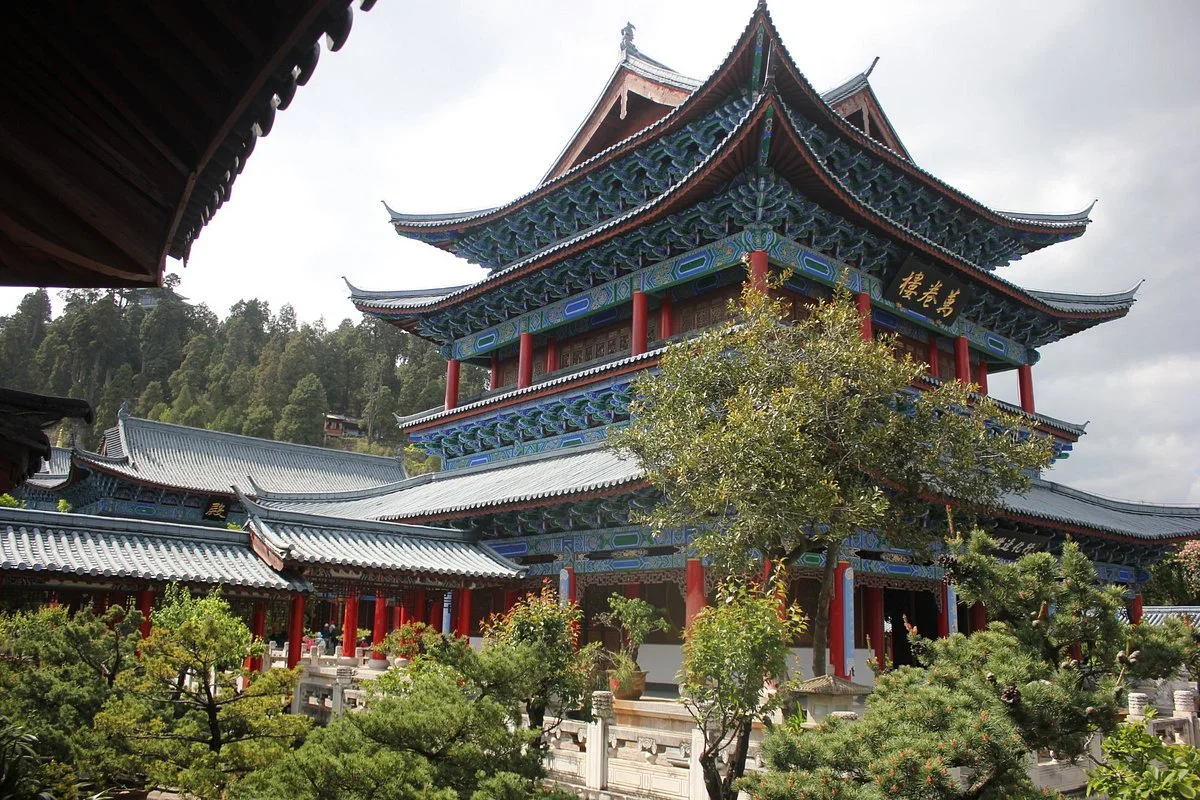
In 1278, the Yuan Dynasty appointed the Naxi chief Mu De hereditary ruler of the area, and the Mu family retained power for about 500 years. Today their palace is one of the major tourist attractions of the old town.
Lijiang became known in the west through two men who lived in or near the town in the early 20th century, Austrian-American botanist Joseph Rock who wrote a Naxi dictionary, several scholarly papers, and many articles for National Geographic, and Russian Peter Goullart who wrote several books. It has been suggested that Rock's articles inspired James Hilton's Lost Horizons novel about a fictional Himalayan paradise, Shangri-la, but the claim is controversial.
After China started to admit foreign tourists in the 1980s, Lijiang began to attract many visitors. To fulfill their needs, local people started restaurants and cafes. Chinese people also long for the lifestyle and the excellent environment in Lijiang and started to pour in.
An earthquake in 1996 flattened large parts of the town, though quite a few of the traditional wooden buildings remained standing while far more of the Mao-era brick or concrete structures collapsed. Since then there has been extensive rebuilding, mainly in traditional styles. There have been some complaints that much of that work followed traditions of central China, rather than locally appropriate ones, but most visitors will just notice a lot of rather pretty old-looking buildings.