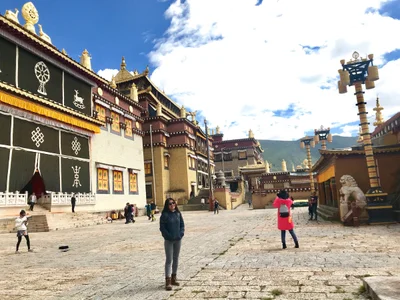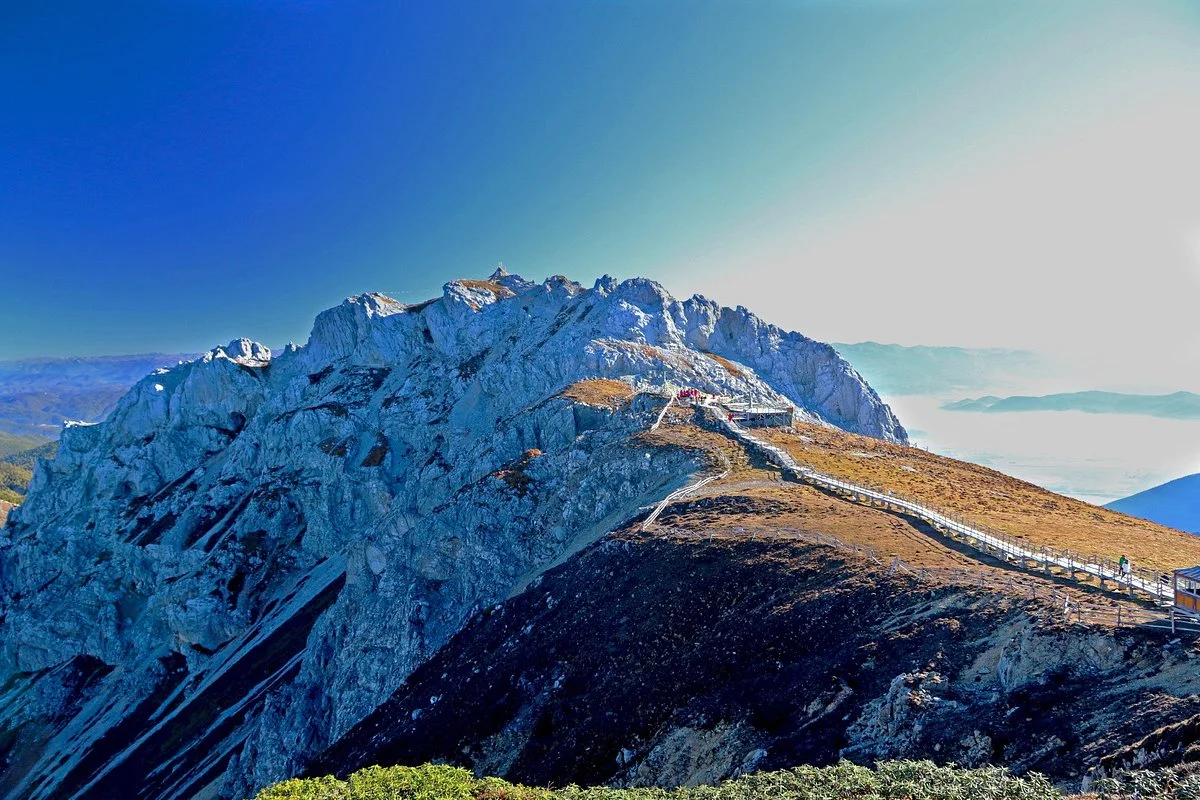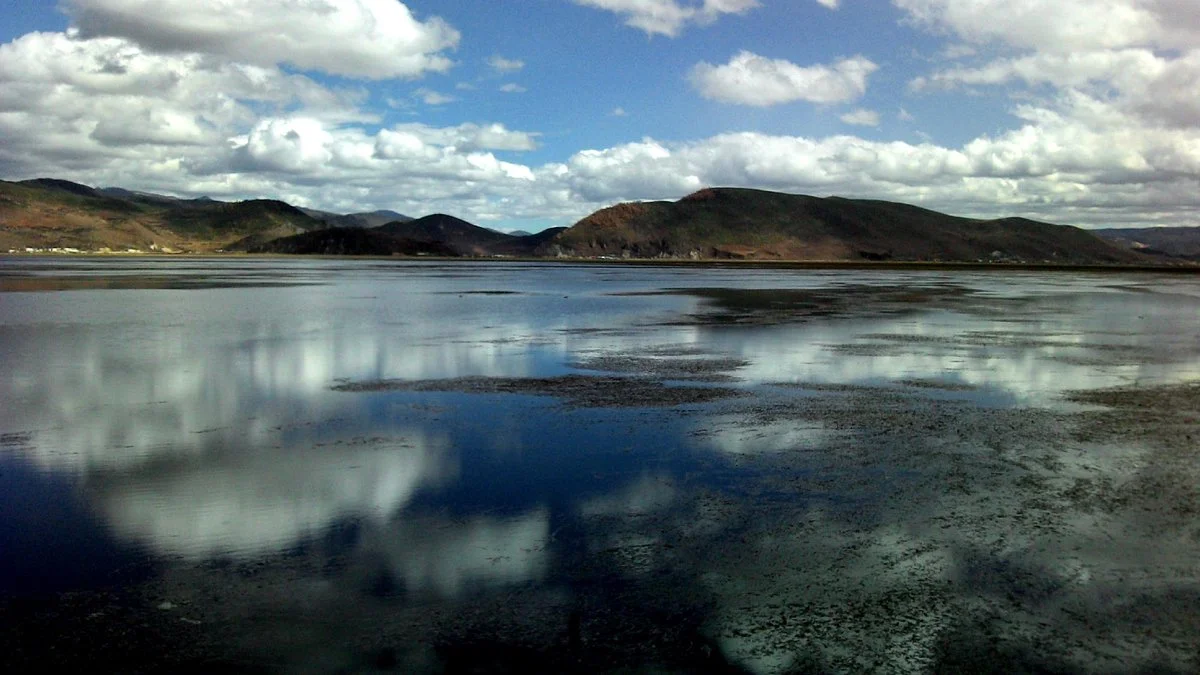
Shangri-La (Chinese: 香格里拉; pinyin: Xiānggélǐlā; Tibetan: སེམས་ཀྱི་ཉི་ཟླ།) is a county-level city in northwestern Yunnan province, China. It is the capital and largest city of Diqing Tibetan Autonomous Prefecture. It is bordered by the city of Lijiang to the south and Sichuan province to the northwest, north, and east.
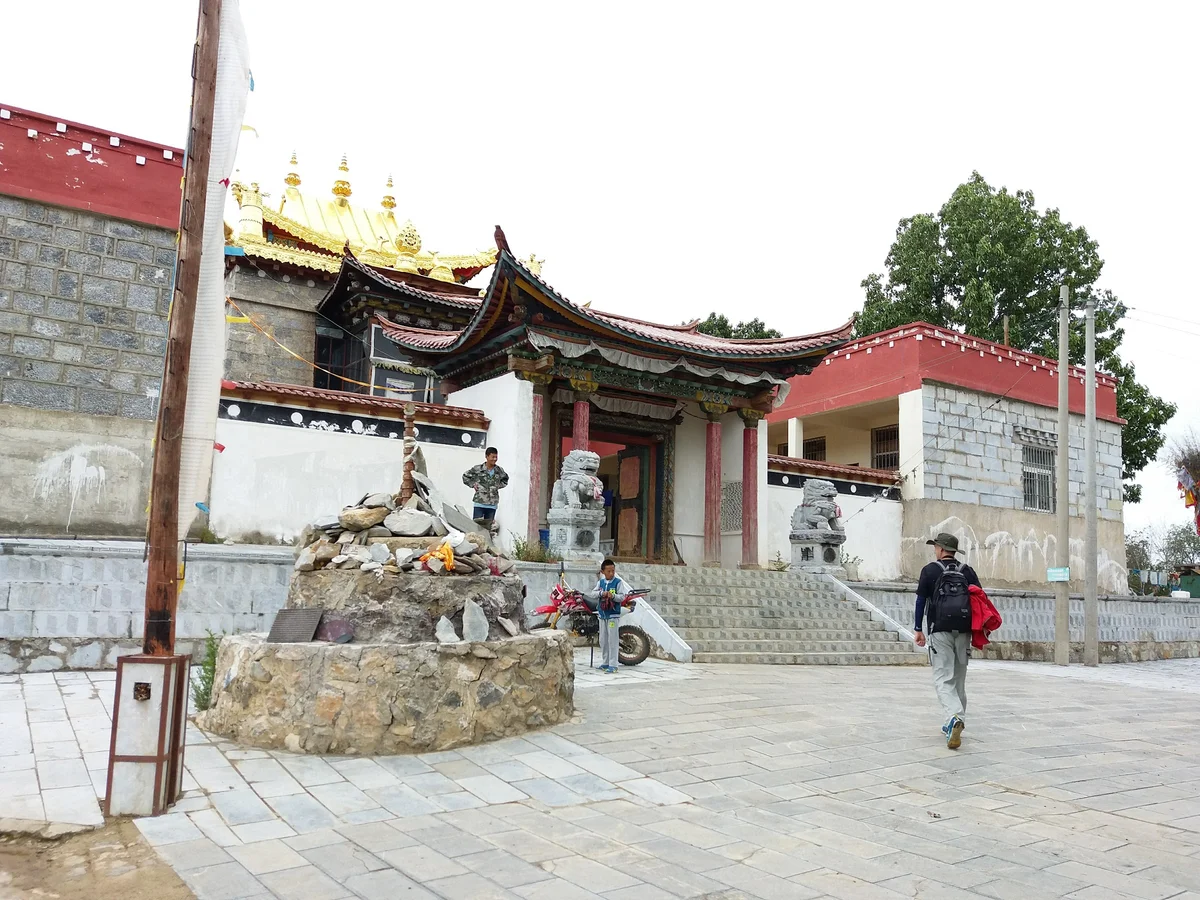
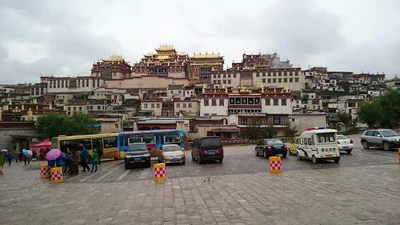
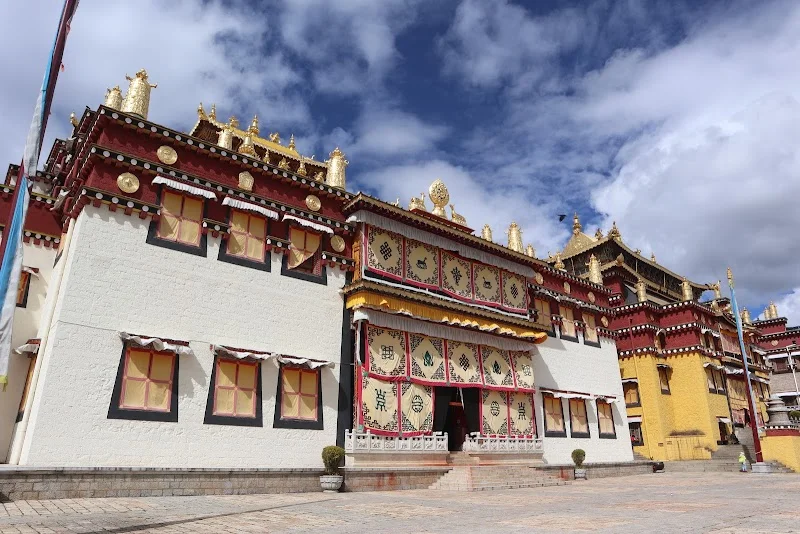
**Away from the large Tsongkapa and Sakyamuni Temples are two smaller ones which are worth visiting. If you are facing the main temples, they are just to your left down the hill towards the large white chorten. **The one closet to the chorten is a Bon temple, the religion which predates Buddhism's acceptance in Tibet during the 9th century AD. Bon emphasizes the protective forces of nature, especially of mountains, and includes Shamanism and elements of black magic. **The second has some of the best artwork in the Monastery. From the second floor, you can access the roof for a commanding view of the area. There is a Bon temple on this floor as well with some fairly dark demonic images. In the courtyard lies a very old Tibeten Mastiff who has lived there since he was born in 1994! **The chorten is worth a walk to and is arguably one of the more important places for local people to worship on the Monastery grounds. It was built in 1981 in honor of the 10th Panchen Lama's visit to Shangri-la for the opening of the newly restored monastery which had been destroyed during the Cultural Revolution. For local Tibetans the 10th Panchen Lama is considered one of the most important religious figures in Tibetan Buddhism. You can see his portrait throughout the Monastery. Take a walk around it clockwise, spin its prayer wheels, and have a fabulous view of Shika Snow Mountain from its west side. **On the way down the long stairs leading to the main entrance/ exit of the Monastery are several smaller temples. They are quite interesting and few tourists visit them, especially the one to the right as you descend the stairs towards the entrance. Look for its beautiful rose garden. **Bus 3 goes direct to the Monastery, filled with pilgrims. For foreign passengers the bus driver will stop at the ticket office and gesture wildly for you to buy a ticket and may not let you continue onwards unless you do. Monks claim the ticket revenue goes to tourist company and not the Monastery.
| address= | lat= | l | directiin the old town, next to the old town square | ph | tollfree= | fax= | hours= | price= | cServes excellent authentic Western food (homemade spaghetti sauce!) and delicious cakes. Equipped with an Espresso machine. Cozy atmosphere, it has several heaters and is great for family. Free wireless available. In & Out bakery next door sells breads, muffins and other savouries. }} | address=Room 409, Building 8B, Huajun Square, Changzheng Road, Shangri-La, Diqing, Yunnan, China | lat= | l | directiwalk to Old Town for only 2 minutes | ph+86-13378876480, +86 887 8228900 | tollfree= | fax= | hours=Daily 06:30-23:00 | price=¥30 | cEstablished by Charles Tang. He loves hiking very much. You can take bus No. 1 or No. 3 to "Huajun Square". "Huajun Square" is just across from "Sto Express". If you raise your head, you can just see four Chinese words "华骏广场". Then follow the arrow on the map and find "Building 8B". After reaching the 4th floor, you will turn right in the hallway and get to "Hiker's Coffee" immediately. Western food, coffee, drink, Shanghai food, Shanghai pan-fried steamed bun (生煎馒头) and pork dumpling (小笼包子) are very good (¥20 for big ones). }} | address=Old Town | lat= | l | directiBehind Old Town Temple Hill | ph +86 887 822 7742 | tollfree= | fax= | hours=Daily 10:00-18:00 | price= | cA locally-run non-profit organization dedicated to preserving Yunnan heritage, the YMHC features a shop selling local traditional handicrafts from the Tibetan, Yi, and Naxi peoples and a Small Library with books in Chinese, Tibetan, and English. Volunteers from across China and abroad contribute to a diverse and lively environment, teaching free English and Chinese classes to local Tibetans, hosts community events, and supporting local environmental initiatives. }}
| address=Qingkou Industrial District | lat= | l | directi | ph+8613116908979 | tollfree= | fax= | hours= | price=brewery tours are ¥80-90 per person, bottles ¥15-30 | lastedit=2016-06-12 | cShangri-La Beer is the only craft brewery of its kind in China. Their local Tibetan beers are brewed using only 3 all-natural ingredients (Tibetan mountain spring water, Tibetan barley, and premium hops) and come in six varieties, from a dry lager to the newly released Fat Douma, a sweeter, double bock wheat beer. It was founded in 2015 by Swiss businessman Sonny, of Tibetan heritage. His parents run the local orphanage. The brewery is outside of town, but transportation is easy to find or coordinate with a hotel or guesthouse. The trip is well worth it, both for the delicious high-quality beer and the company's story, both of which are included in a brewery tour. }}
The city is famous for Tibetan jewelry, yak tails, Nixi pottery, Yi lacquerware, Dried matsutake mushroom and Tibetan medicinal herbs. Very good Tibetan incense. For shopping the new town is better than the old, cheaper prices. There is no problem to find an ATM (one near the "entrance" of the old district).
| address=Old Town | lat= | l | directiNext to Long March Museum | ph +86 136 589 133 23 | tollfree= | fax= | hours=Daily 10:00-20:00 | price=Premium | cA non-profit social enterprise handicraft project selling high-quality, authentic Tibetan handicrafts from over 500 artisans, both local in DiQing Tibetan Autonomous Prefecture and from the Tibet Autonomous Region. All profits are reinvested into the sustainability of the enterprise and the Tibetan artisan community in the form of technical and business training, business loans, and product design and development consultation. }}
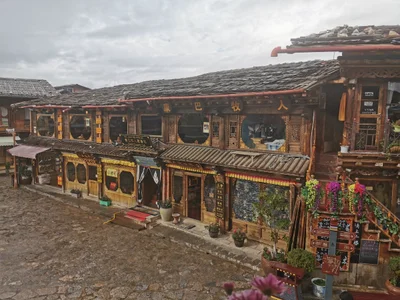
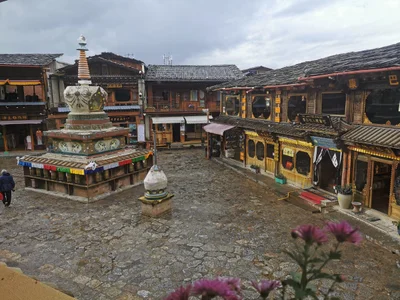
The main area of town runs along the north–south running Changzheng Road. The old town is at the south end of Changzheng Road, and the bus station is at the north end of town.
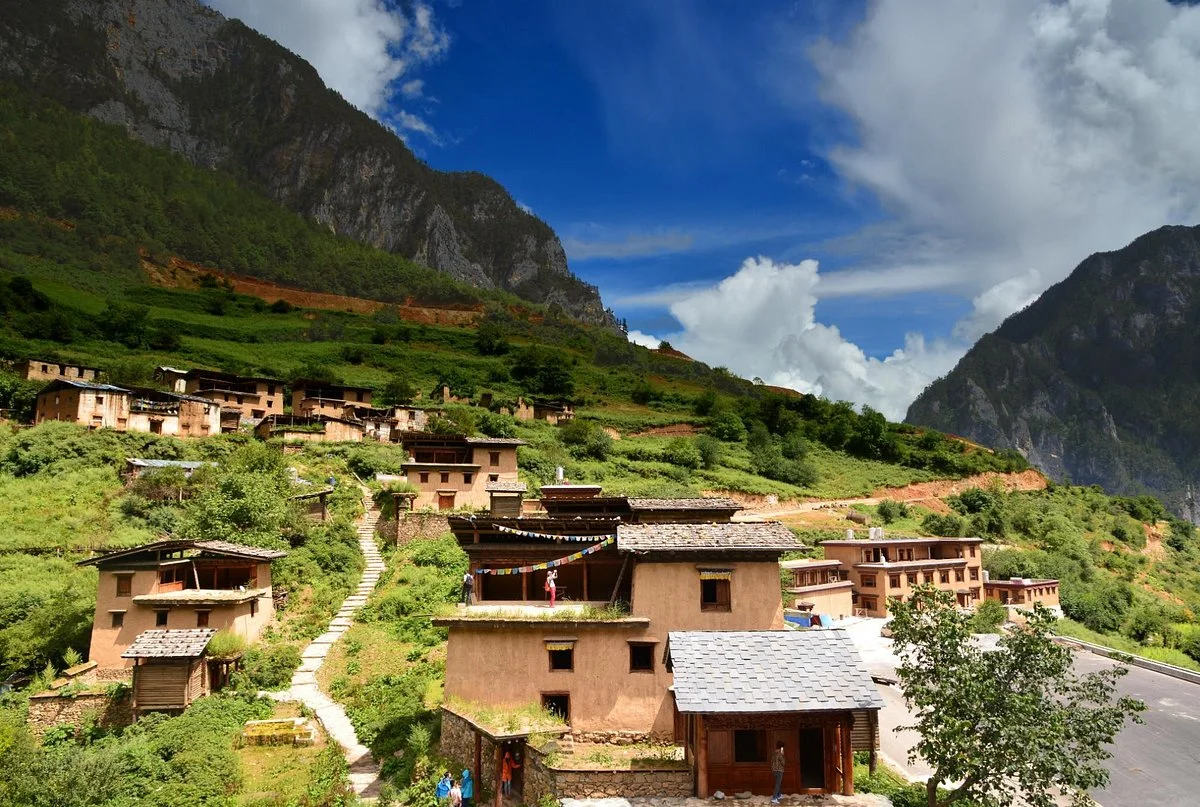
Historically, this area was part of the old Tibetan province of Kham but the Qing Dynasty made it administratively part of Yunnan Province in the 18th century. Today, the town is split between Tibetan and ethnic Han residents, as well as a fair smattering of Naxi, Bai, Yi and Lisu, with the surrounding countryside almost entirely Tibetan.
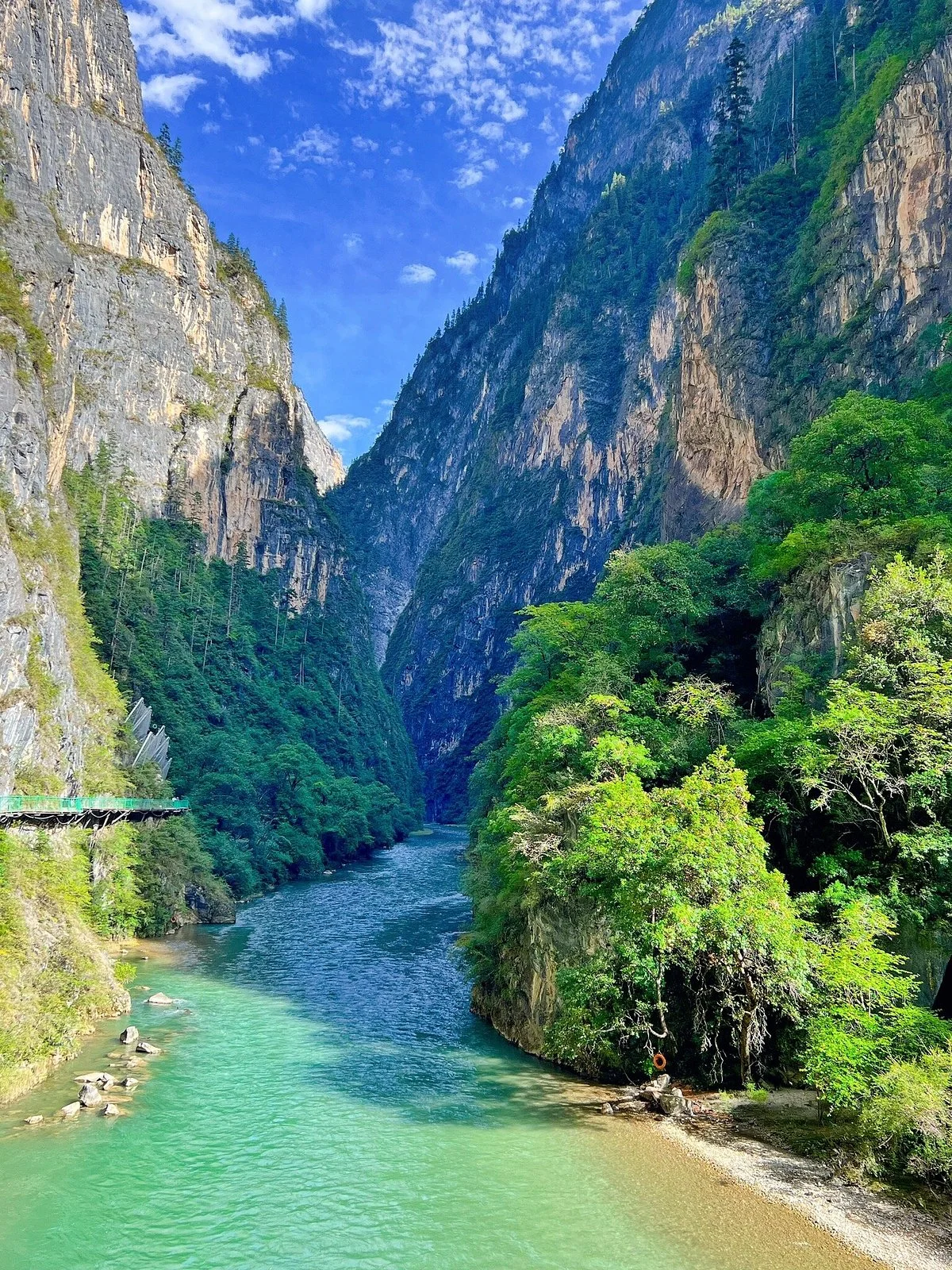
While the crass name change in 2001 was a sign of the desire for increasing mass tourism a la Lijiang, the town has nowhere near Lijiang's crowds, and it's still possible to experience the area's Tibetan heritage and see gorgeous countryside in near isolation.
Zhongdian was renamed Shangrila for marketing reasons, however, signs in bus stations still use Zhongdian. There is also a third name in Tibetan, Gyelthang. The original Shangrila, from James Hilton's novel The Lost Horizon, was a (fictional) hidden paradise whose inhabitants lived for centuries. Hilton (who never went to China) located his Shangri-La in the Kunlun mountains which form the border between Tibet and Xinjiang near the southern branch of the old Silk Road. The Hunza Valley in Pakistan claims to be "the original Shangrila".
Elements of Hilton's story were apparently inspired by National Geographic articles about various places in eastern Tibet, written by an American who lived in Lijiang, hence China's rationale for claiming the name. Local Khampa Tibetans claim that the name Shangri-la was most likely derived from their word for paradise "Shambala," by Hilton through exposure to Rock's writings on the region.