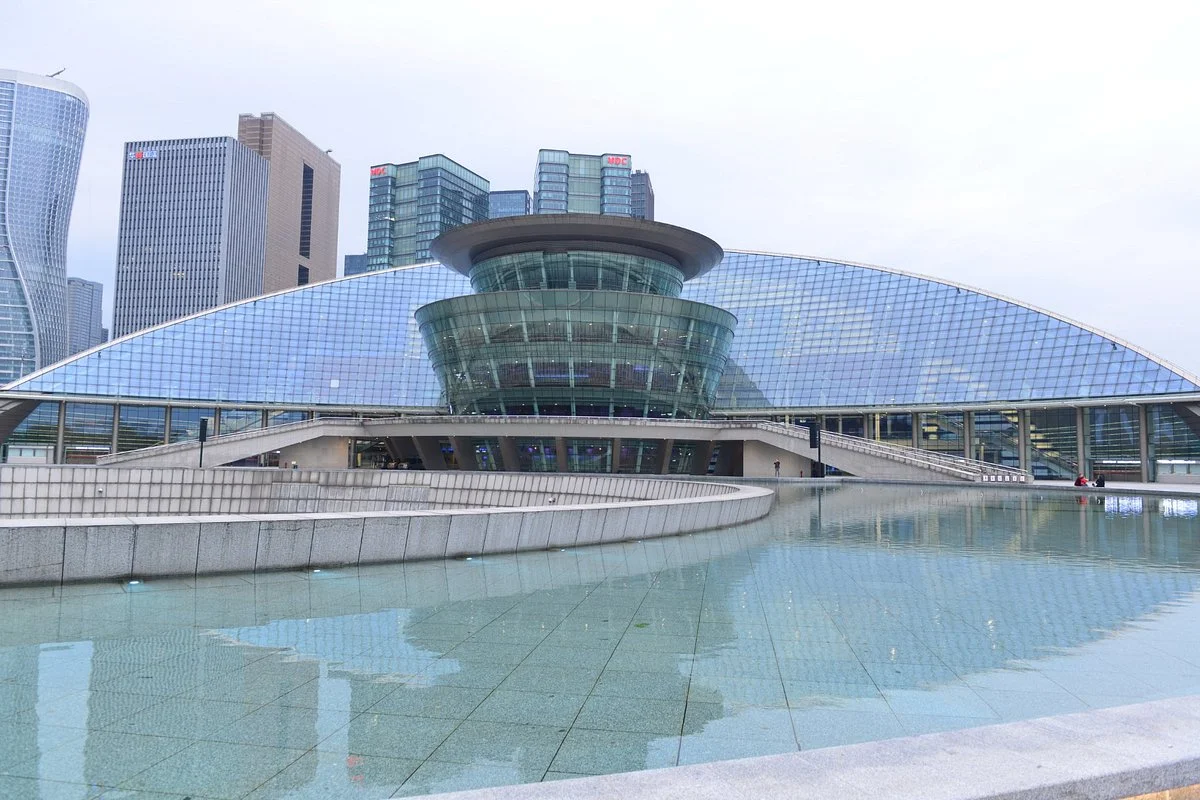
Hangzhou is the capital and most populous city of Zhejiang, China. It is located in the northeastern part of the province, sitting at the head of Hangzhou Bay, which separates Shanghai and Ningbo. Hangzhou grew to prominence as the southern terminus of the Grand Canal and has been one of China's most renowned and prosperous cities for much of the last millennium. It is a major economic and e-commerce hub within China, and the second biggest city in the Yangtze Delta after Shanghai. Hangzhou is classified as a sub-provincial city and forms the core of the Hangzhou metropolitan area, the fourth-largest in China after Guangzhou-Shenzhen Pearl River agglomeration, Shanghai-Suzhou-Wuxi-Changzhou conurbation and Beijing. As of 2022, the Hangzhou metropolitan area was estimated to produce a gross metropolitan product (nominal) of 4 trillion yuan (US$590 billion), making it larger than the economy of Sweden. As of the 2020 Chinese census, it had a total population of 11,936,010 inhabitants. However, its metropolitan area, populated by 13.035 million people over an area of 8,107.9 km2 (3,130.5 sq mi), consists of all urban districts in Hangzhou and 3 urban districts of the city of Shaoxing.Hangzhou has been repeatedly rated as the best commercial city in mainland China by Forbes and the Chinese city with the highest growth potential by the Economist Intelligence Unit. A study conducted by PwC and China Development Research Foundation ranked Hangzhou first among "Chinese Cities of Opportunity". According to the Globalization and World Cities Research Network (GaWC), the city is classified as a Beta (global second-tier) city, together with Chongqing, Nanjing and Tianjin in China. Hangzhou is also one of the world's top 100 financial centers, according to the Global Financial Centres Index. It boasts the eighth largest GDP among cities in mainland China with a GDP of around 1.8 trillion RMB ($280 billion). Home to the headquarters of large global tech companies such as Alibaba Group, Ant Group, and NetEase, Hangzhou is known for attracting professionals and entrepreneurs who work in information technology. As of August 2023, Hangzhou has the tenth-most Fortune Global 500 headquarters of any city in the world and the fourth-most in China – after Beijing, Shanghai and Shenzhen – within its city limits. According to the 2020 Hurun Global Rich List, Hangzhou ranks 11th in the world and 6th in China (after Beijing, Shanghai, Hong Kong, Shenzhen and Guangzhou) in the number of resident billionaires.
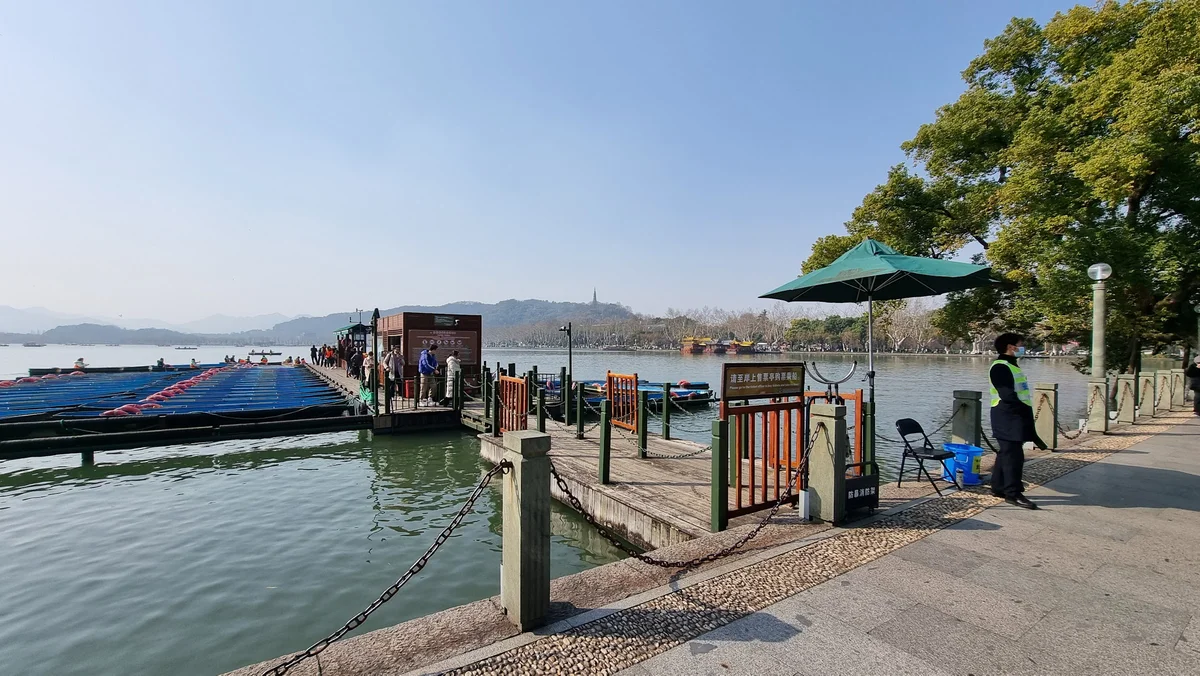
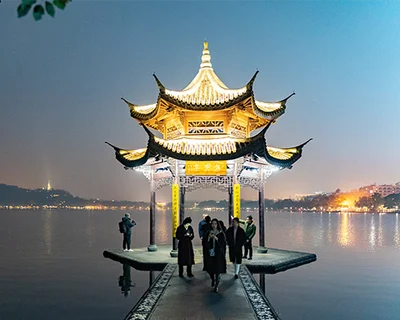
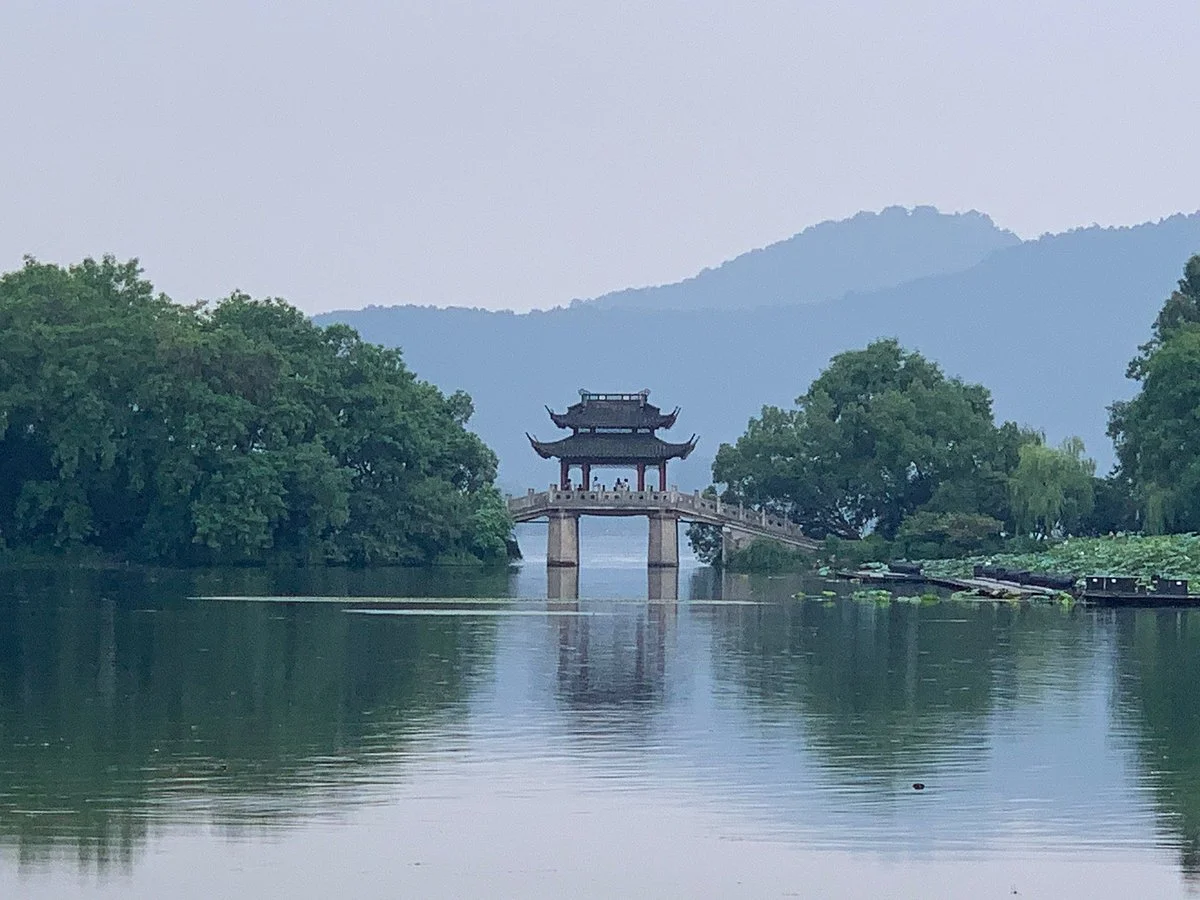
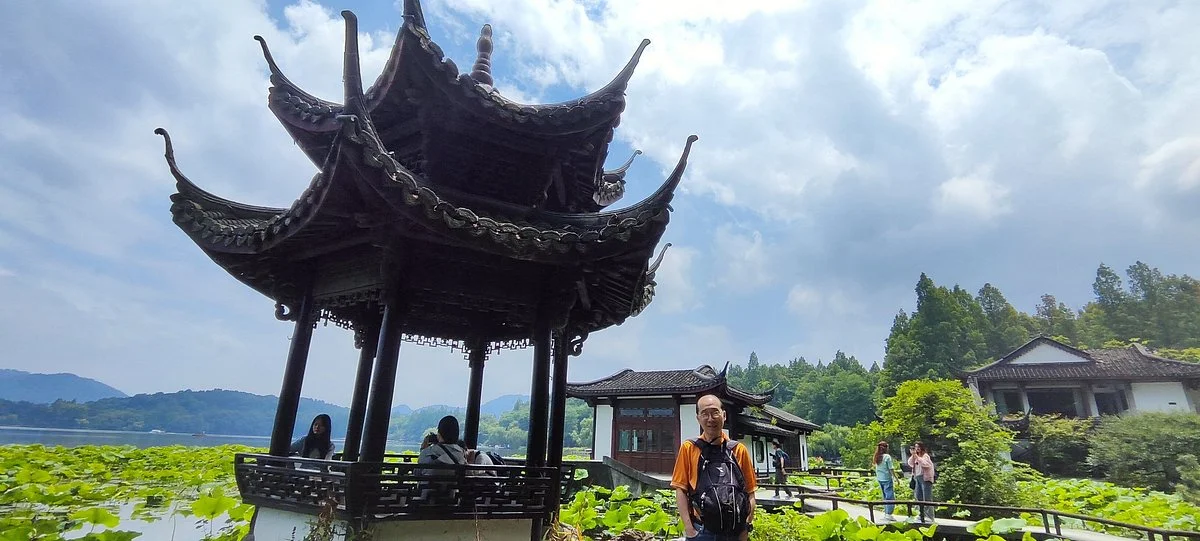
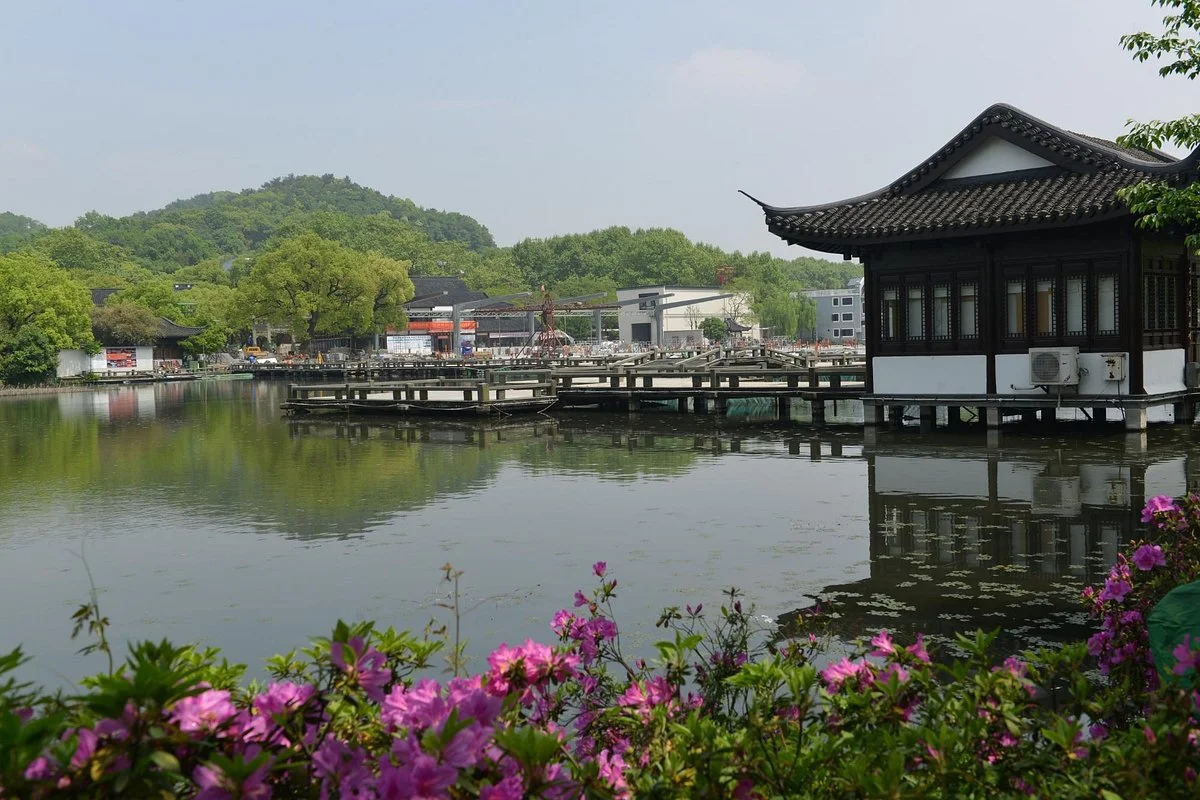
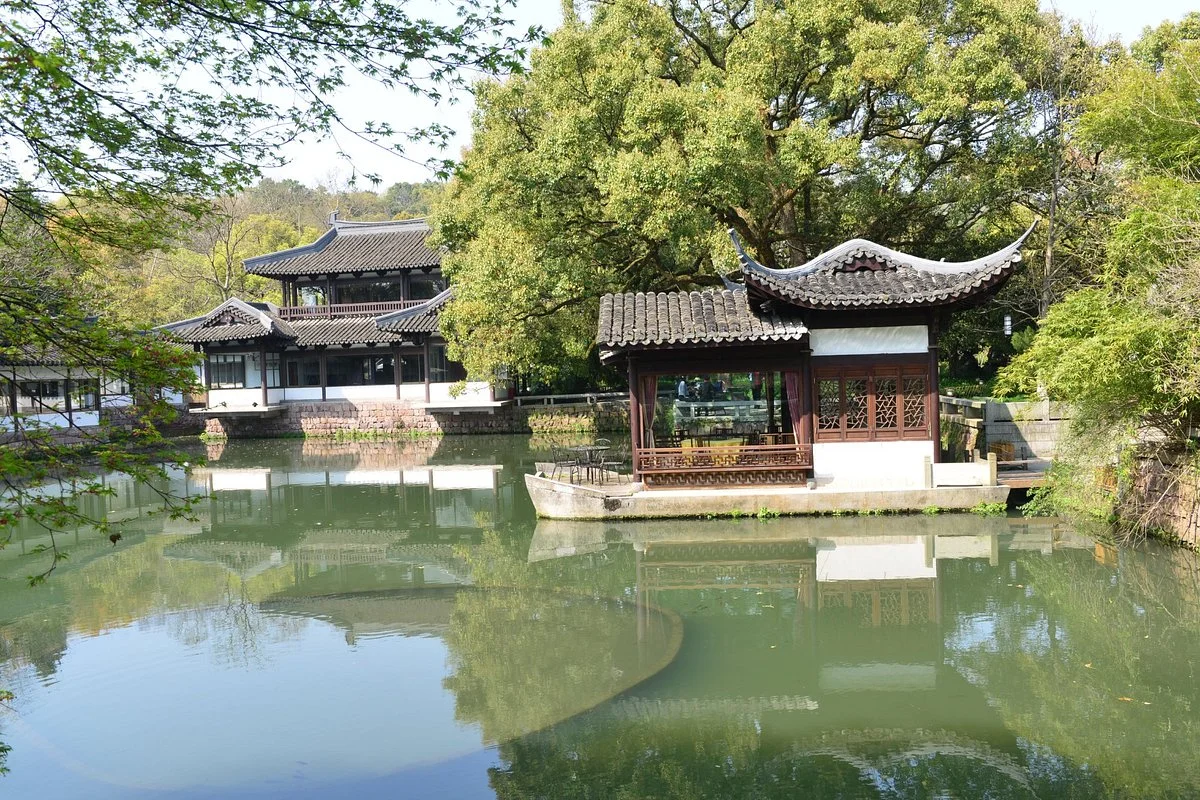
Hangzhou is a major city for scientific research in the Asia-Pacific, ranking 16th globally by scientific outputs. It hosts several notable universities, including Zhejiang, Zhejiang University of Technology, Hangzhou Normal, Hangzhou Dianzi, Zhejiang A&F, Zhejiang Sci-Tech, Zhejiang Chinese Medical, Westlake, China Jiliang and Zhejiang University of Finance and Economics. Its West Lake, a UNESCO World Heritage Site west of the city, is among its best-known attractions. In 2023, it became the third Chinese city to host the Asian Games, after Beijing 1990 and Guangzhou 2010. It was also the second Chinese city to host the Asian Para Games after the Guangzhou 2010. Hangzhou also hosted the 11th G20 summit in 2016.
Hangzhou is one of the premier places to eat in China, and its local cuisine features dishes that consist more of pork and seafood rather than beef and lamb, as those are typically found in the north and west regions of China.
Typical Hangzhou specialties include dongpo rou (东坡肉 dōngpō ròu), an extremely fatty chunk of pork in a syrupy sauce, and cùyú (醋鱼 cùyú), which is fish with a vinegar sauce. There are some characteristic local snacks, for example, small steamed buns (小笼包 xiǎolóngbāo), Xiaoshan dried turnip (萧山萝卜干 xiāoshān luóbo gān), & noodles with preserved vegetables (片儿川 ''piàn'ér chuān''). In Wushan Square, you can find lots of food; the prices are cheap and the quality fine.
If you do not like Hangzhou cuisine, you can find plenty of excellent Sichuan, Shanxi, and Xinjiang restaurants throughout the city. There are also some Western restaurants, but those tend to be expensive.
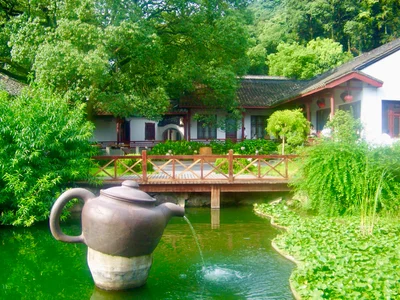
The drink of choice in Hangzhou is tea, as the local Longjing (龙井, also Lung Ching, literally "Dragon Well") is the most famous green tea in China. Longjing is divided into seven grades, the two top being Superior (旗枪 qiqiang) and Special (雀舌 queshe), and the rest numbered from 1 down to 5. Prices for the very best stuff are extremely high— in 2005, a mere 100g plucked from Qing Dynasty emperor Qian Long's personal trees sold for over US$17,000 — but a few cups in a local teahouse shouldn't cost you more than a few dozen yuan. There is a wholesale market in Zhuangtang, however, most of the tea comes from trees outside of the "special" fields in Hangzhou. Prices are ¥15-1,000/500g depending on a multitude of variables.
Traditionally, tea from Longjing is best served with spring water from Hupao (虎跑, "Tiger Run"), which is located next to the West Lake. You might have to purchase the tea from the tea shop in Hupao, instead of bringing your own. It's about ¥20 per cup, but you get a thermal full of hot water with the purchase. Do consider mixing the leaves with bottled water, as construction project run off introduces chemicals other than water into the streams.
For bars, Nanshan Road all night every night should keep any visitor occupied. An up-and-coming part of town is on Shuguang Road has several old and new bars that are a little less hectic than those of Nanshan Road, including local expat hangout Maya Bar, packed-out local You To, rock music bar Travellers, and many more. Shuguang Road runs north from the north-west corner of the Lake. The Huanglong soccer stadium is full of dance / performance bars around the perimeter of the building.
=
The easiest way around Hangzhou is the metro system, with 3 lines and 78 stations operational, covering 82 km as of June 2018. (Seven additional lines are under construction.)
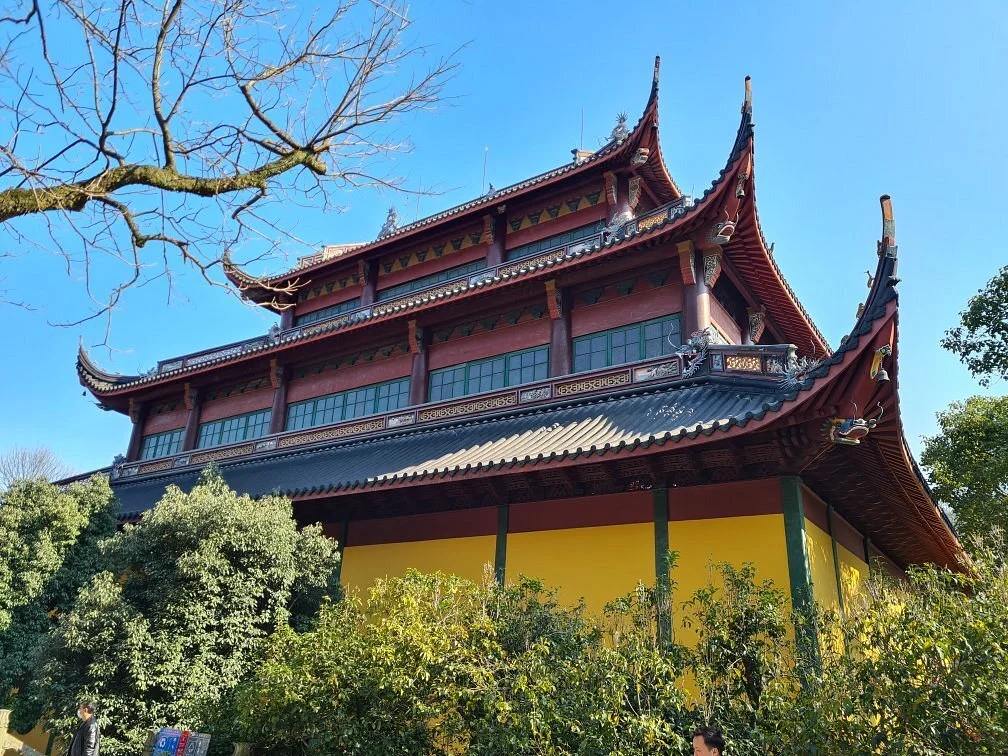
Famed for its natural scenery, Hangzhou and its West Lake (西湖; Xīhú) have been immortalized by countless poets and artists. The city was the capital of the Southern Song Dynasty from 1127 until the Mongol conquest of 1276. The city's population is estimated to have been as high as one million in those days, making it the largest city in the world at the time. Even Marco Polo claimed to have passed through, calling it beyond dispute the finest and the noblest in the world. The West Lake Cultural Landscape has been listed as a UNESCO World Heritage site since 2011.
With the gradual silting up of its harbor, much of the city's trade and industry passed north to nearby Shanghai, but the city still has a bustling population of 8.7 million and ranks as one of China's most popular tourist attractions.