Eat Watermelon has been grown by Pinghu people since ancient times, and honored as the best watermelon in Southern China for over 800 years. It's delicious and famous for the advantages of Pinghu, such as high content of sugar, juiciness, fine pulp and thin rind. The watermelon enjoys high fame both at home and abroad, and is exported to faraway places including Hong Kong, Macao, and Southeast Asia.
Zaodan, Pinghu egg, is a sort of special egg that is preserved preserved in wine. These eggs are soft, crystal like, mellow, fragrant, nutritious, and tasty, having the function of improving appetite, digestion and blood circulation. These preserved eggs first appeared over 250 years ago during the reign of Emperor Yongzheng of Qing Dynasty, and later were awarded a gold tablet by Emperor Qianlong for being a first-class local tribute to the imperial court.
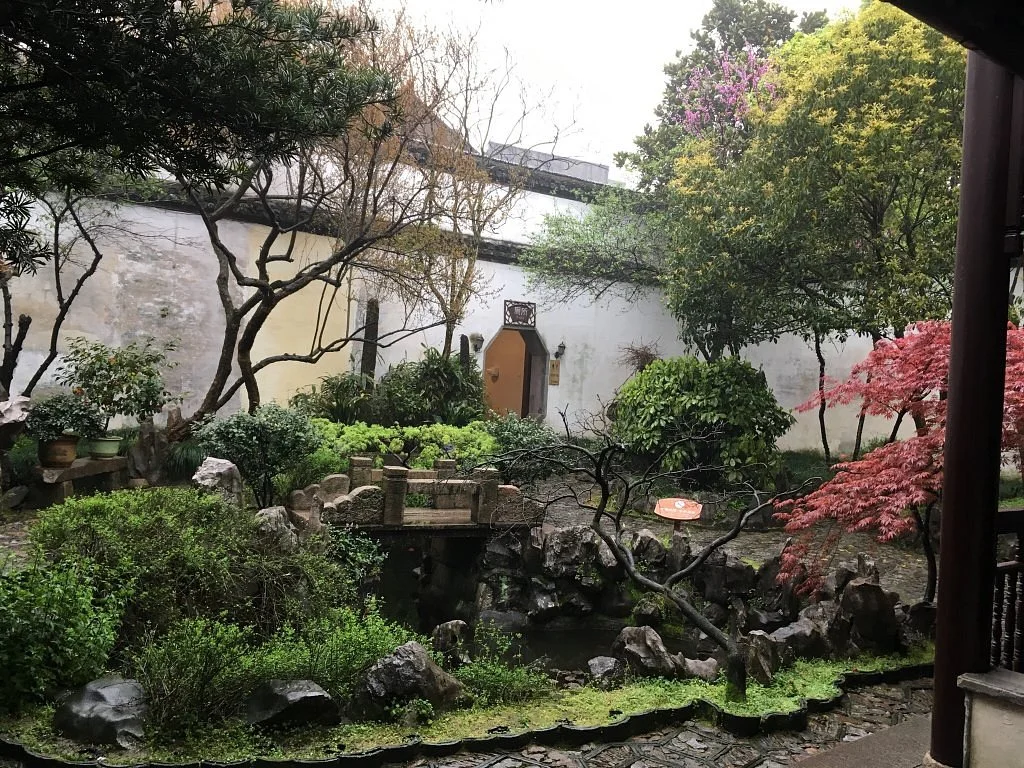
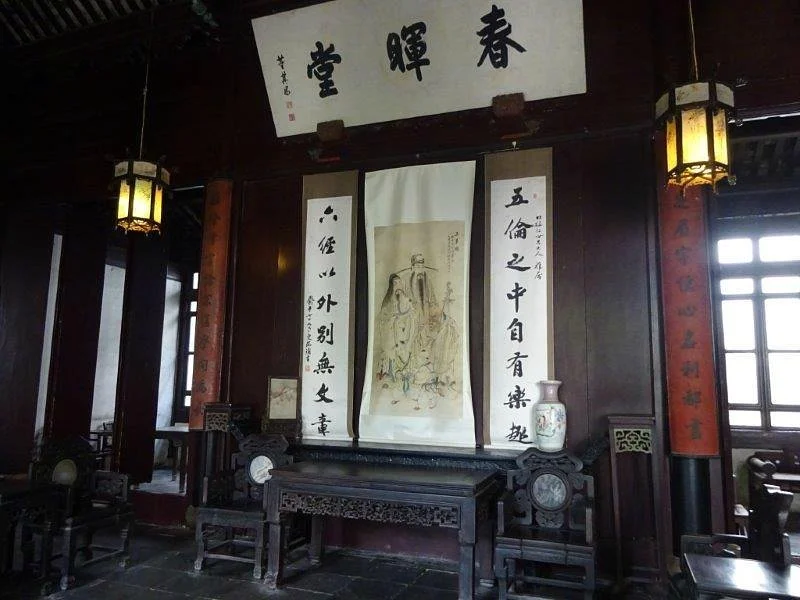
Read more See • • Mo's Manor — Mo's Manor is the former residence of one of Zhejiang Province's wealthy merchant families. Built in the 1890s at the end of the Qing Dynasty, the residence is composed of dozens of rooms, still furnished with antique furniture. Three generations of the Mo family resided here until the premise was confiscated after the Communists came to power. Behind the manor is a canal where you can stroll between arching bridges and hole-in-the-wall eateries. — Address: 39 Renmin W Rd, Pinghu Shi, Jiaxing Shi, Zhejiang Sheng, China, 314200 — Price: ¥28 — Website: http://www.phmszy.com/
• • Pinghu Museum — The museum collection is housed on the second floor of the museum. While not large, the museum's contents carry historical significance that far outweighs the size of the collection. The main exhibition houses artifacts from the Zhuangqiao (庄桥) ruins located in Pinghu district and date from the Liangzhu Culture, which flourished in what is now northern Zhejiang province from 3400 to 2250 BCE. Among the thousands of artifacts unearthed at Zhuangqiao are hundreds of examples of pottery, stone and bone that bear the etchings of proto-Chinese characters. While the meaning of the images scratched out thousands of years is uncertain, many bear a striking resemblance to later characters. The adjacent hall contains a fine collection of scroll paintings, mostly produced by regional artists, that date from the late Ming Dynasty to the mid-20th century. — Directions: 新华南路372号/No. 372 South Xinhua Road — Price: Free — Phone: +86 573 85136520
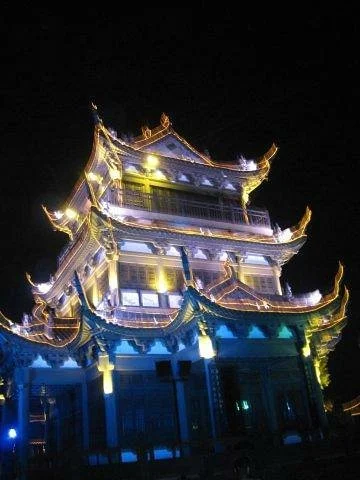
• • Baoben Pagaoda — First constructed during the Ming Dynasty, Baoben Pagoda is situated in a temple on the shore of East Lake. The five story pagoda underwent renovations during the Qing Dynasty, and unlike a pair of historic pagodas in the historic downtown of Pinghu, survived the iconoclastic destruction of the reign of Mao Zedong. The temple buildings surrounding the pagoda exude a incense fragrance from the stream of steady visitors who come to pray. — Address: Danhu Strreet (当湖街道/Dānghú Jiēdào) — Price: ¥10 adults; ¥5 elderly
Read more Do • • East Lake — A stroll around East Lake, known to locals as Donghu, is a pleasant way of introducing yourself to the history and culture of Pinghu. During national festivals, locals carve watermelons, the tasty symbol of Pinghu, into intricate carved lanterns, which if you are lucky you'll find hanging from the roofs of the wooden-framed buildings surrounding the lake. A large lotus-shaped building sits on the banks of the lake, while the Baoben Pagoda can been seen jutting out of the temple on the opposite side of the lake. East Lake is a lively attraction during holidays, and you'll see locals in their full regalia on display, but it won't be as absurdly packed as the Bund or West Lake in neighboring Hangzhou or Shanghai.
Read more Buy Pinghu has the biggest clothing output of any city in China. There are a lot of factories that produce clothes and shoes for export.
Read more