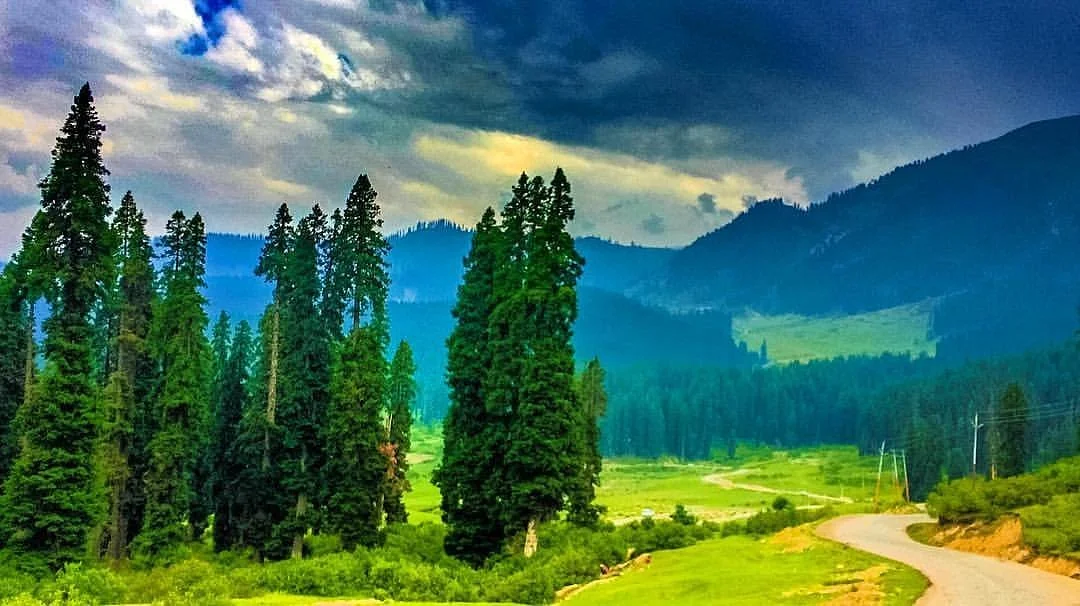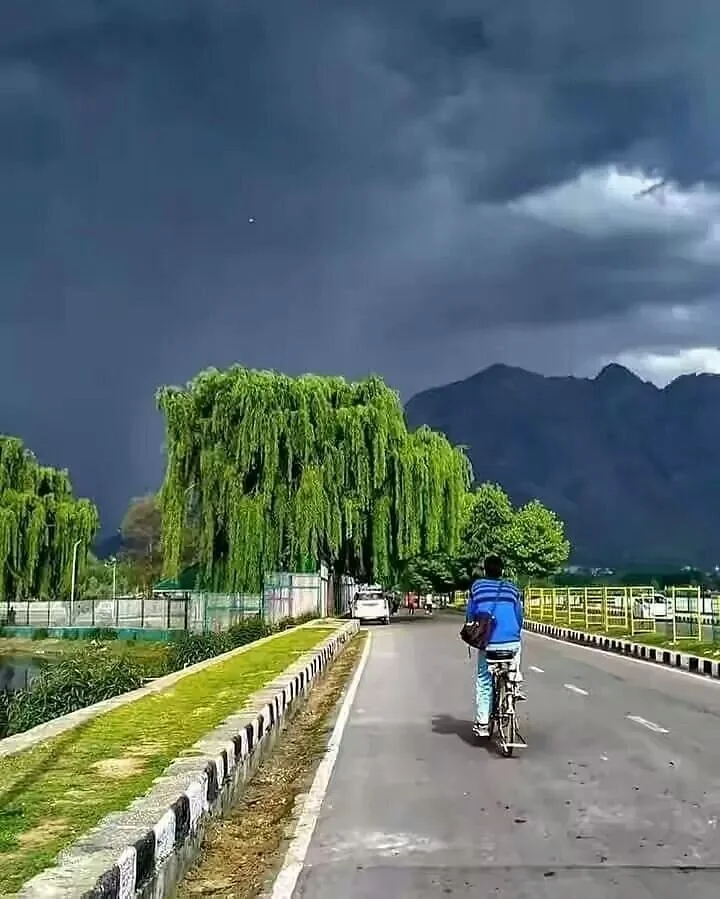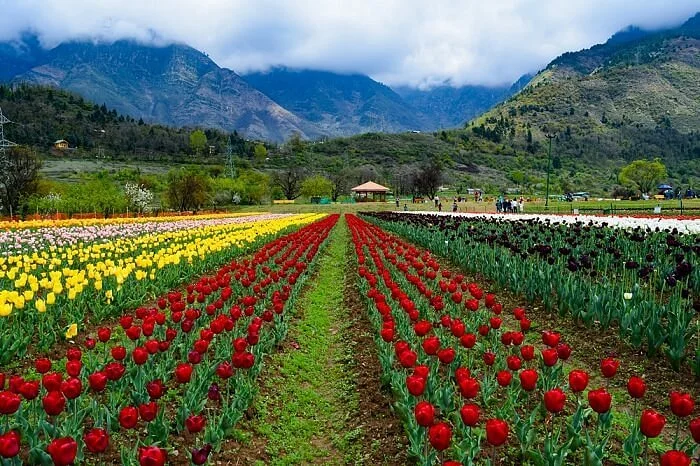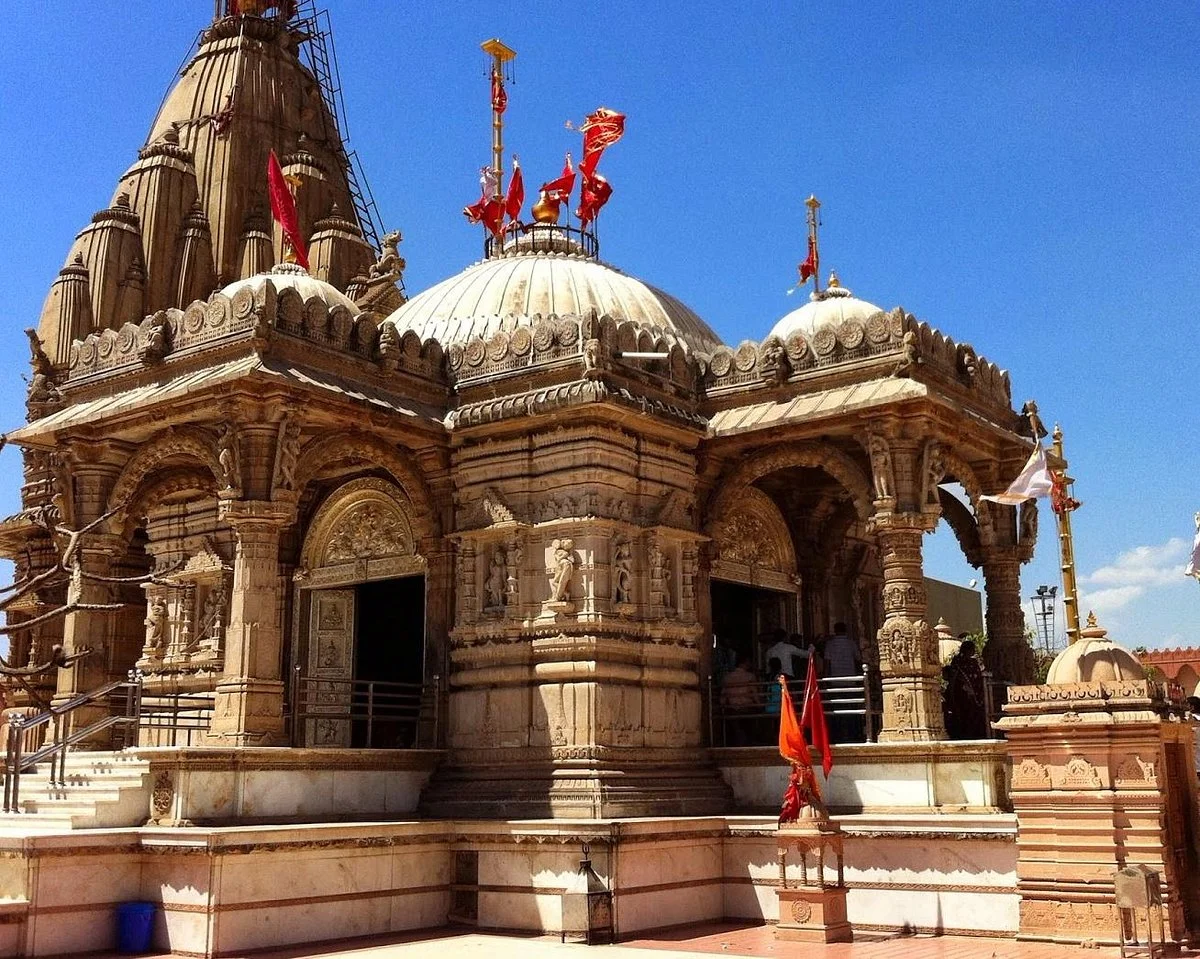
Srinagar (English: , Kashmiri pronunciation: [siriːnagar]) is a city in Indian-administered Jammu and Kashmir in the disputed Kashmir region. It is the largest city and summer capital of Jammu and Kashmir, which is an Indian-administered union territory. It lies in the Kashmir Valley along the banks of the Jhelum River, and the shores of Dal Lake and Anchar Lakes, between the Hari Parbat and Shankaracharya hills. The city is known for its natural environment, various gardens, waterfronts and houseboats. It is also known for traditional Kashmiri handicrafts like the Kashmir shawl (made of pashmina and cashmere wool), papier-mâché, wood carving, carpet weaving, and jewel making, as well as for dried fruits. It is the second-largest metropolitan area in the Himalayas (after Kathmandu, the capital of Nepal).
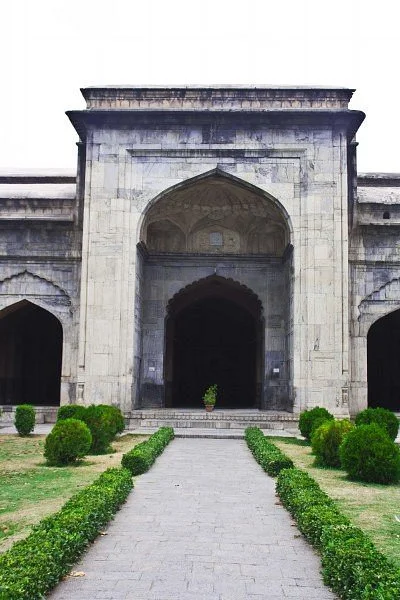
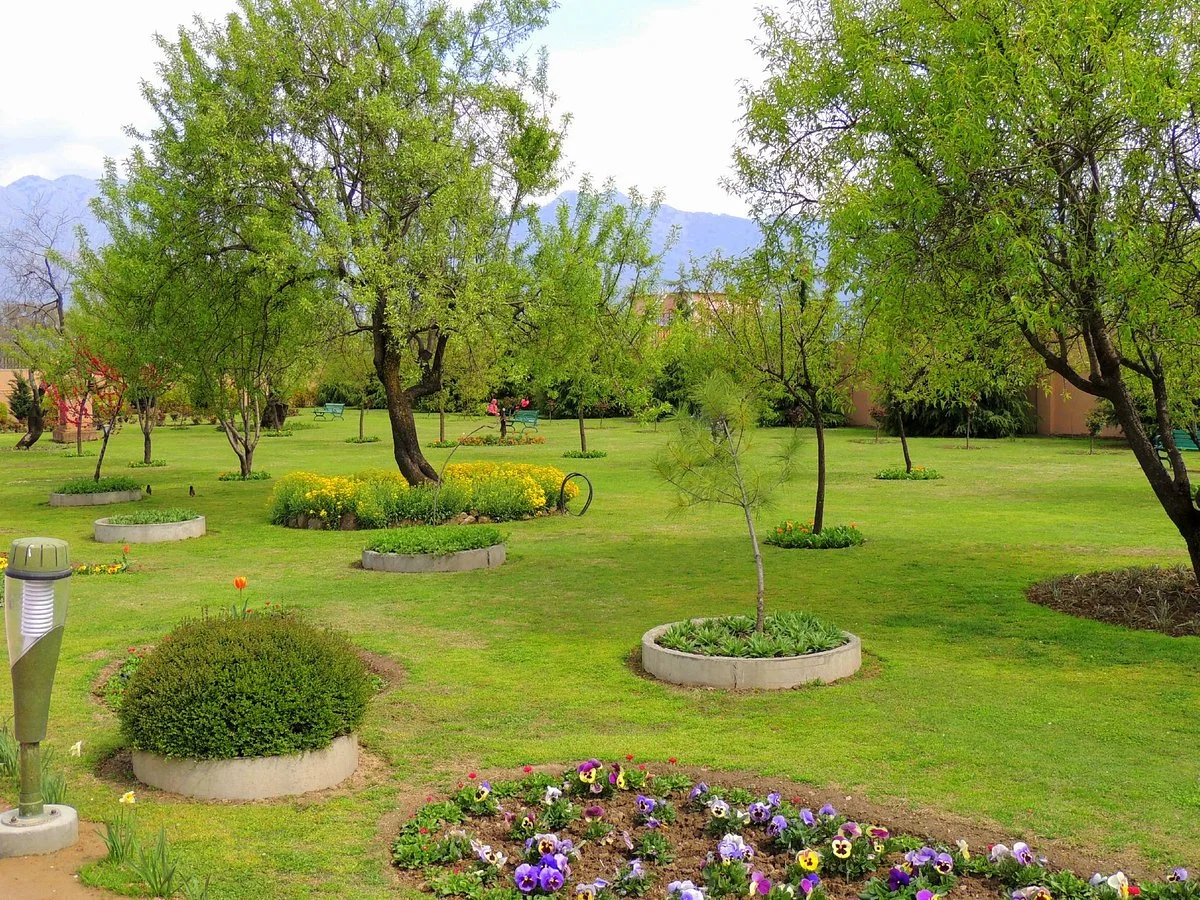
Founded in the 6th century during the rule of the Gonanda dynasty according to the Rajatarangini, the city took on the name of an earlier capital thought to have been founded by the Mauryas in its vicinity. The city remained the most important capital of the Kashmir Valley under the Hindu dynasties, and was a major centre of learning. During the 14th–16th centuries the city's old town saw major expansions, particularly under the Shah Mir dynasty, whose kings used various parts of it as their capitals. It became the spiritual centre of Kashmir, and attracted several Sufi preachers. It also started to emerge as a hub of shawl weaving and other Kashmiri handicrafts. In the late 16th century the city became part of the Mughal Empire, many of whose emperors used it as their summer resort. Many Mughal gardens were built in the city and around Dal lake during this time, of which Shalimar and Nishat are the most well-known.
After passing through the hands of the Afghan Durranis and the Sikhs in the late 18th and early 19th century, it eventually became the summer capital of the Dogra kingdom of Jammu and Kashmir in 1846. The city became a popular tourist destination among Europeans and Indian elites during this time, with several hotels and its iconic houseboats being built. In 1952, the city became the summer capital of Jammu and Kashmir, a region administered by India as a state, with Jammu being its winter capital. It was the flashpoint of violence during the 1990s and early 2000s insurgency in the region. In 2019, it became the summer capital of a smaller region which is administered by India as a union territory, after the former state's reorganisation.
There are numerous bakeries in the city. Kashmiris are very fond of bakery products, especially pastries and cakes, and you can find these bakeries very crowded, especially around the times of major festivals. The more famous bakeries include:
There are a number of restaurants and cafes in Srinagar. Most of the good ones are located in Lal chowk or on Boulevard along the banks of the Dal Lake. Most of the restaurants will serve Kashmiri, Indian, Mughlai and 'Indianized' Chinese dishes. Some pure veg restaurants are also located along Boulevard. Among the veg restaurants 'Krishna Dhaba' is the most popular for its Rajma-and-kheer.
Make sure you try dishes like Rogan-gosht (meat cooked in red sauce), Gushtaba (soft meat balls cooked in natural yoghurt),Rishta (soft meat balls in delicious sauce), Tabakmaaz (deep fried ribs of a lamb) and Kanti (small chunks of meat cooked with a lot of onions). All these meat items are usually eaten with rice.
Another popular local delicacy called Seekh-tuji consists of marinated meat pieces which are freshly barbecued and eaten with chutney. Most of these vendors are located in the Khayaam region of the city. This place is usually teeming with teenagers, especially in the evenings.
Enjoy the grilled mutton available in Srinagar. This is referred to as a "tilli" or "tekh" and mostly eaten by locals.
Kahwah is a traditional green tea recipe from Kashmir. The tea is made from green tea leaves with saffron strands, cinnamon bark and cardamom pods. Some varieties are made as a herbal infusion only, without the green tea leaves. Generally, it is served with sugar or honey, and crushed nuts, usually almonds or walnuts. There is another form of tea that is quite famous amongst the locals, its called 'namkeen chai' or 'nun chai'. It is pink in colour and is also called pink tea. It is made from black tea, cardamom, various spices, salt and bicarbonate of soda. Also people like nune toath and dum toath which are very famous among Sufis. Nunetoath is nunechai without milk and dumtoath is strong form of kahwa.
If searching for a beer or other drink there is a small bottle shop on the Boulevard. It's at the base of a hotel about halfway up the street and looks like a mini-Fort Knox. Ask people on the street and they'll point you in the right direction.
If you hire an auto rickshaw to go shopping, please mention that you want to go to Lal Chowk Ghantaghar only for shopping, as most of the auto rickshaw drivers will insist that there is nothing in Lal Chowk, and you should go to the wholesale market instead. This is because the prices at the so-called wholesale market are very much inflated, as they pay at least 20% commission to those auto rickshaw drivers. Also, there are very few shops there. Do not fall into the trap of these cheating auto rickshaw pullers.
Since the conflict in Kashmir hundreds of hotels and houseboats lie empty, check in person if the hotel/houseboat still looks as nice as when they put pictures online- and that advertised services are still available as many have stopped paying for example for wifi. The upside is that the prices of accommodation have plummeted, owners will optimistically demand full rates but can be talked right down; the phrase "how many guests do you have now" saves a lot of time here.
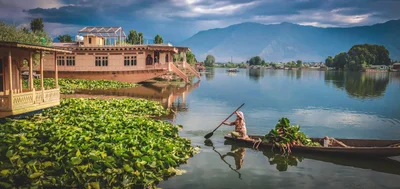
Srinagar is popular for its houseboats, which do not float free around the lake, but are anchored off-shore. It is a great and unique way to enjoy your stay in the city. Houseboats are accessible either by road, or by a short "Shikara" boat ride. Each houseboat usually has 2-5 bedrooms plus bath, dining room, living room, upper deck (good for sunbathing). Land access have the advantage of allowing you to leave if you feel uncomfortable, or just like going for a walk, although they tend to be noisier.
There are houseboats on Dal Lake and Nagin Lake. These can cost anything from ₹300 - ₹5,000 (October 2018) depending upon the time of the year. Houseboats on Nagin lake are upscale and more expensive but are much more beautiful, and the Nagin lake location is serene. Expect to pay up to ₹3,000 for a couple on the deluxe boats. Boats on the Jhelum river are cheaper yet, but still comfortable, and close to the bus station, good if you are just transiting Srinagar to or from Ladakh.
Be sure to take a 1-hour boat tour of the lake inlets to get a nice glimpse of life and wildlife along the lake. Prices are about ₹300-500 per trip. A few areas are geared up for attracting tourists, but most much of the area is still reasonably untouched.
There are a wide range of hotels around Dal Lake. Prices vary from ₹500-5,000.
Many people take the train to Jammu followed by a taxi or bus ride to Srinagar. The journey from Jammu to Srinagar is costlier in the summers because the capital is being shifted from Jammu to Srinagar on both the state buses and Sumos. State buses are safer but take more time and are a bit uncomfortable.
Foreigners are required to register upon arrival at the airport or at their hotel or houseboat.
Auto-rickshaws can be found everywhere. Taxis and buses area also available. Motorcycles can also be rented for enthusiasts.
Negotiate a price with a rickshaw driver before getting in; they are notorious for overcharging and generally being dishonest. Their usual ploy is: "no problem" or "up to you". As soon as you reach your destination they will have a volte-face! Drivers usually don't speak English but there will always be a passer-by to help translate for you.
A rickshaw from Nigeen Lake to Boulevard is approximately ₹70 depending on negotiation skills (August 2009).
Usually private service buses run throughout the city and are well networked with major tourist spots.