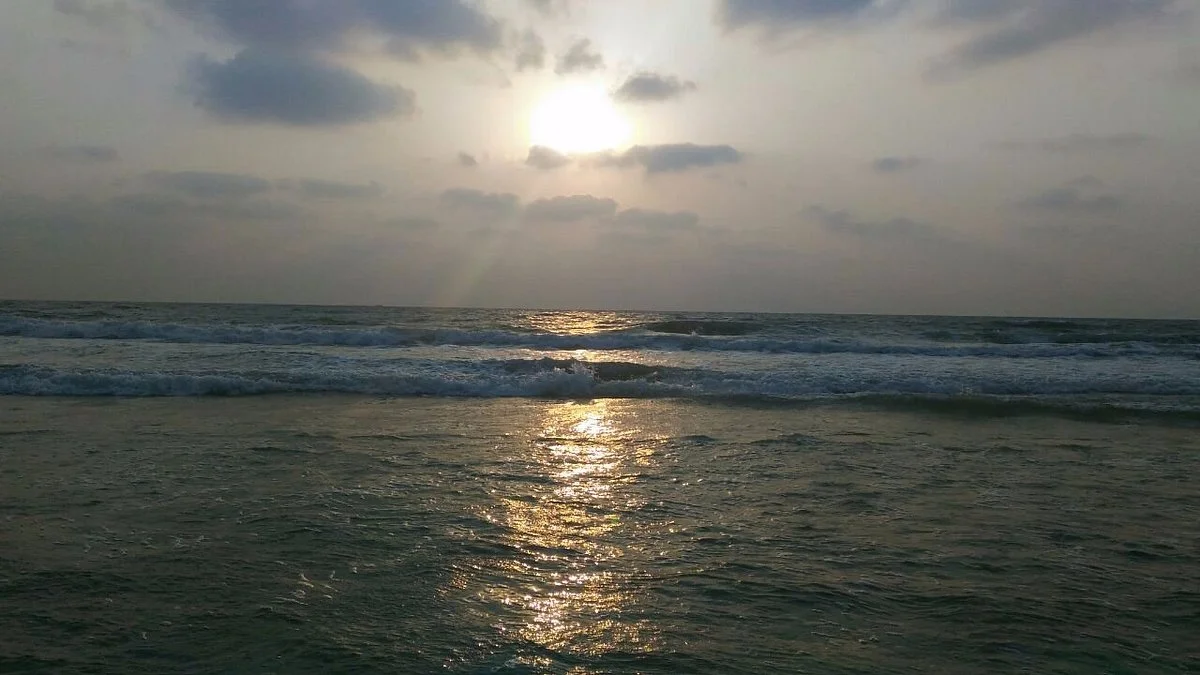
Mangalore ( MANG-gə-lor, -LOR), officially known as Mangaluru, is a major industrial port city in the Indian state of Karnataka and on the west coast of India. It is located between the Laccadive Sea and the Western Ghats about 352 km (219 mi) west of Bangalore, the state capital, 14 km north of Karnataka–Kerala border and 297 km south of Goa. Mangalore is the state's only city to have all four modes of transport—air, road, rail and sea. The population of the urban agglomeration was 619,664 according to the 2011 national census of India. It is known for being one of the locations of the Indian strategic petroleum reserves.
The city developed as a port in the Laccadive Sea during ancient times, and after Independence a new port was constructed in 1968 and has since become a major port of India that handles 75 percent of India's coffee and cashew exports. It is also the country's seventh largest container port. Mangalore has been ruled by several major powers, including the Mauryan empire, Kadambas, Alupas, Vijayanagar Empire, Keladi Nayaks, and the Portuguese. The city was a source of contention between the British and the Kingdom of Mysore rulers Hyder Ali and Tipu Sultan, and was eventually annexed by the British in 1799. Mangalore remained part of the Madras Presidency until India's independence in 1947 and was unified with Mysore State (now called Karnataka) in 1956.
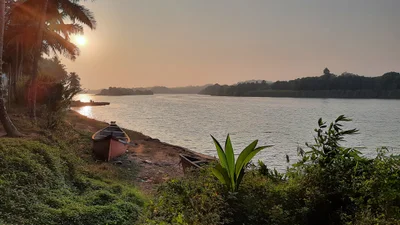
Mangalore is one of the fastest developing cities in India. The Dakshina Kannada district with its administrative headquarters at Mangalore has the highest Per Capita Income and Gross State Domestic Product in Karnataka, after Bangalore. Mangalore is a commercial, industrial, business, educational, healthcare, and startup hub. Mangalore City Corporation is responsible for the civic administration which manages the 60 wards of the city. Its landscape is characterised by rolling hills, coconut palms, rivers, and hard laterite soil.
Mangalore is included as one of the cities in the Smart Cities Mission list and is among the 100 smart cities to be developed in India. It has an average elevation of 22 m (72 ft) above mean sea level. It has a tropical monsoon climate and is under the influence of the southwest monsoon. It has its own International Airport which is around 15 km from the city centre.
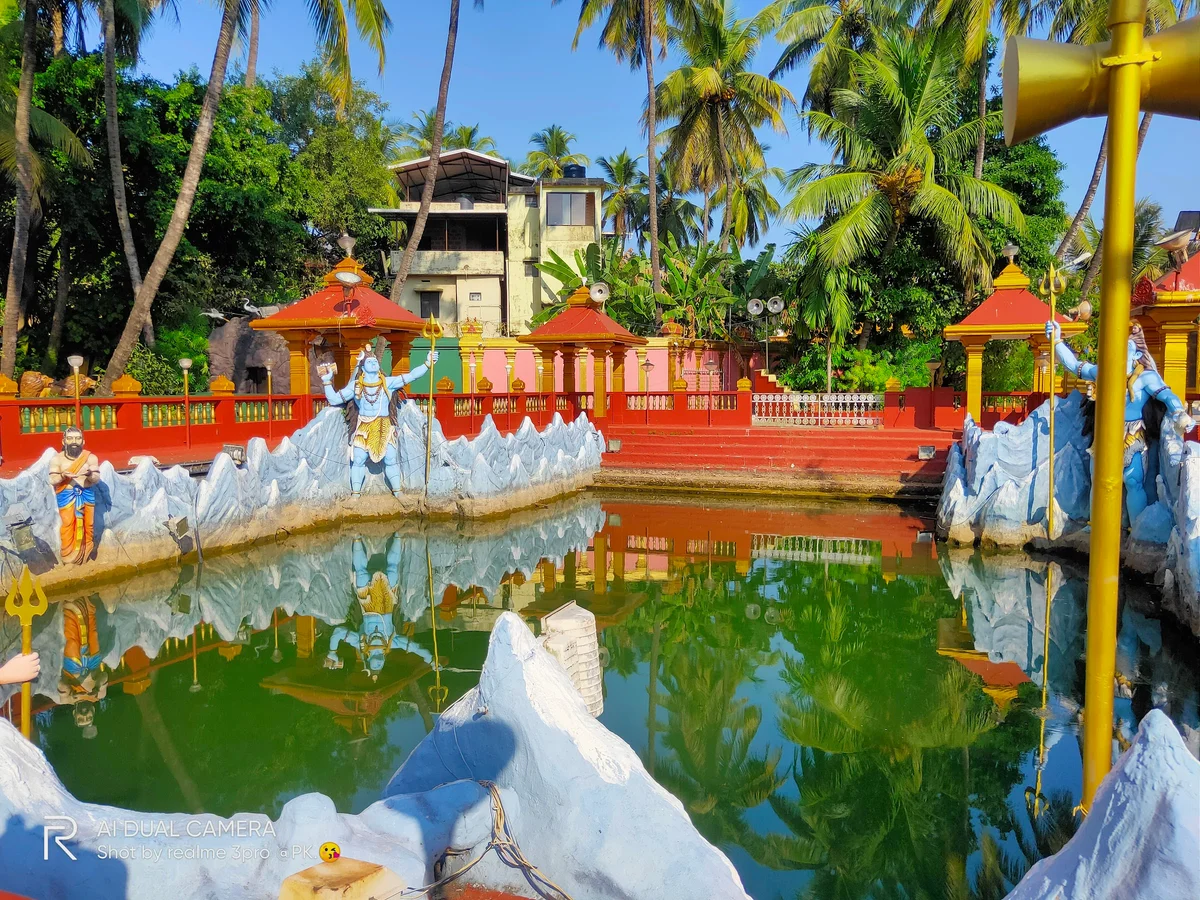
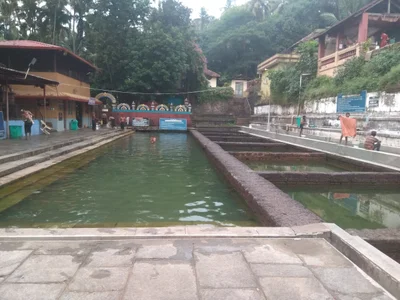
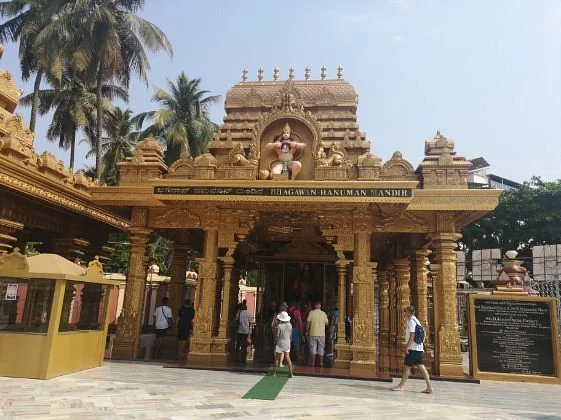
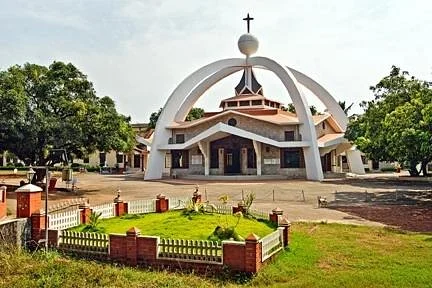
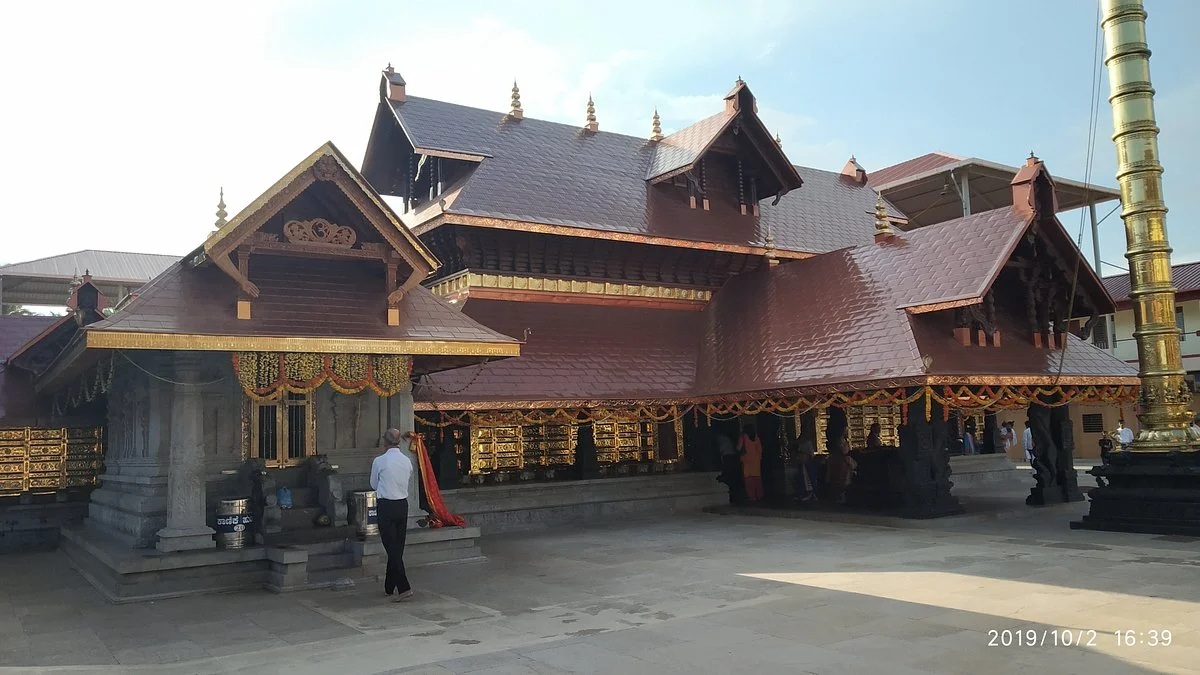
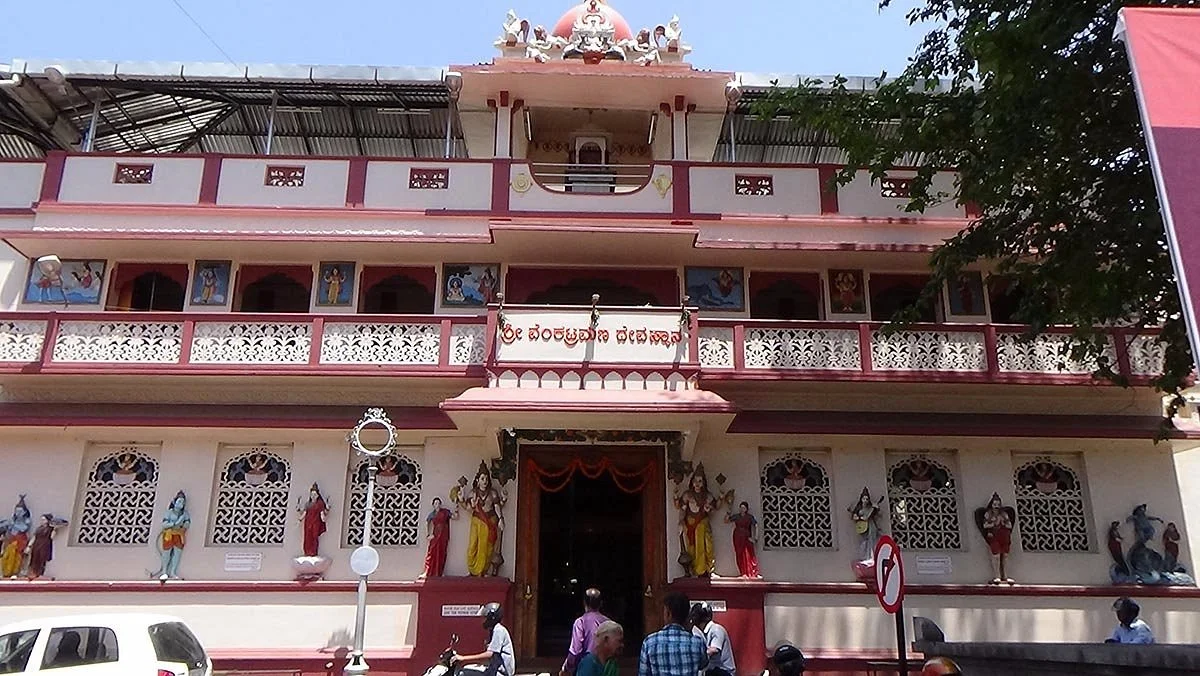
Most of the places to see are monuments of religious importance. A few of the important ones are listed below.
=
Traditionally, Mangalore was an important trading port with ties with the Persian Gulf states dating back to the 14th century. With its strategic location, it was occupied by a number of dynasties and colonial rulers, namely the Portuguese in the mid-16th century. In the 18th century, its control was contested by Haidar Ali and Tipu Sultan on one hand and the British on the other. Under the Mysore sultans (1763), it became a strategic shipbuilding base, which was ceded to the British in 1799 after numerous sieges.
Mangalore is one of the fastest developing cities in India. Many multinational corporations and domestic corporations are opening their branches in Mangalore. Many reputed builders are bringing huge development projects. There is very good growth in the retail sector and many new shopping malls are being built. Infosys Technologies has 2 development centers in Mangalore with over 3000 employees. Cognizant have its development center on MG Road. MphasiS has their India Training Center based near Mangalore Club. Corporation Bank and Karnataka Bank have their headquarters inside the city and Syndicate Bank HQ is in Manipal. Polaris, Thomson Reuters Omnesys, MRPL, MCF, BASF, KIOCL, Ultratech Cement Plant are some of the other industries in the city.
Mangalore is also known as the 'Cradle of Education' in Karnataka with 16 engineering (Nitk, surathkal being the rank 1 engineering college and MIT (Manipal) being second), 6 medical, 3 dental, 12 MBA, 11 physiotherapy, 8 hotel management and 58 graduation colleges in and around the city.