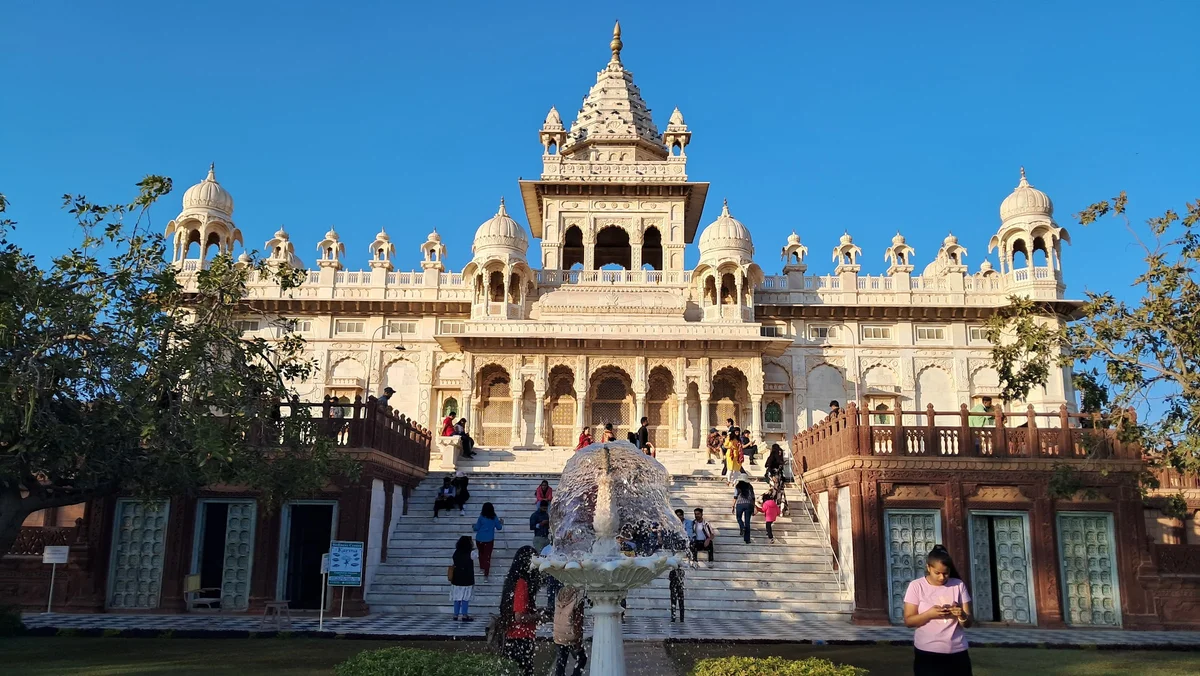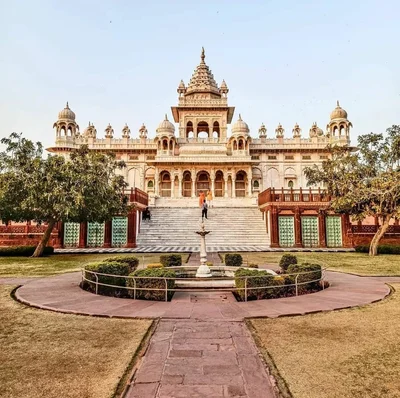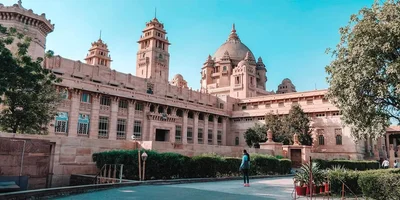
Jodhpur (Hindi: IPA: [ˈd͡ʒoːd̪ʱpʊr]) is the second-largest city of the north-western Indian state of Rajasthan after its capital Jaipur. As of 2011, the city has a population of 1.03 million. It serves as the administrative headquarters of the Jodhpur district and Jodhpur division.
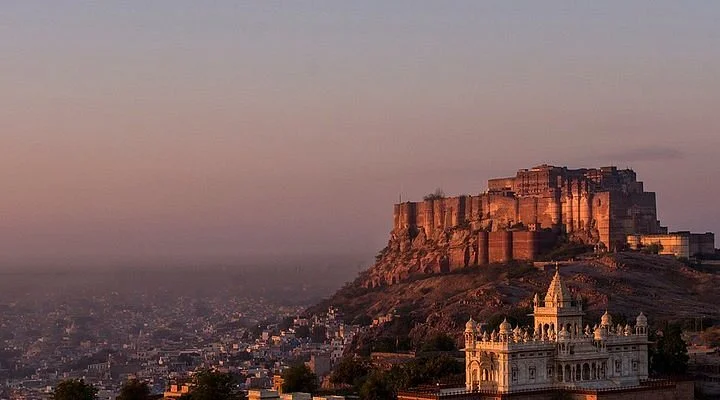
It is historic capital of the Kingdom of Marwar, founded in 1459 by Rao Jodha, a Rajput chief of the Rathore clan. On 11 Aug, 1947 four days prior to the Indian independence, Maharaja Hanwant Singh, the last ruler of Jodhpur state signed the Instrument of Accession and merged his state in Union of India. On March 30, 1949, it became part of the newly formed state of Rajasthan, which was created after merging the states of the erstwhile Rajputana Agency.Jodhpur is a famous tourist spot with a palace, fort, and temples, set in the stark landscape of the Thar Desert.
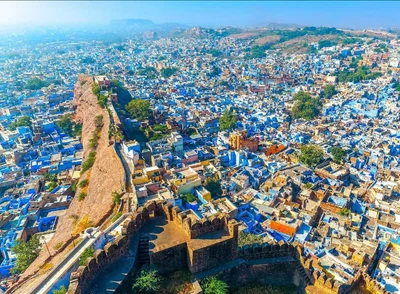
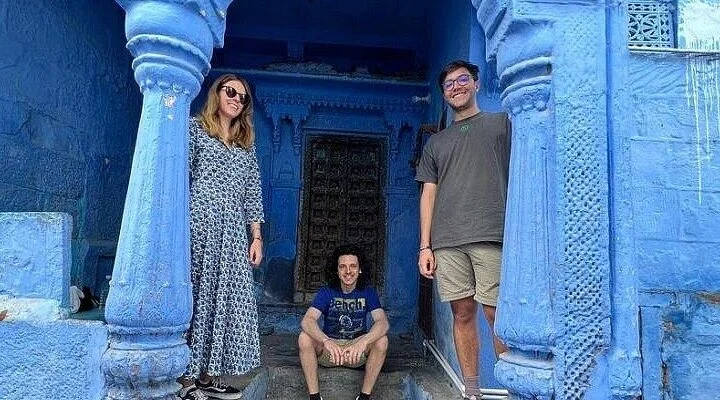
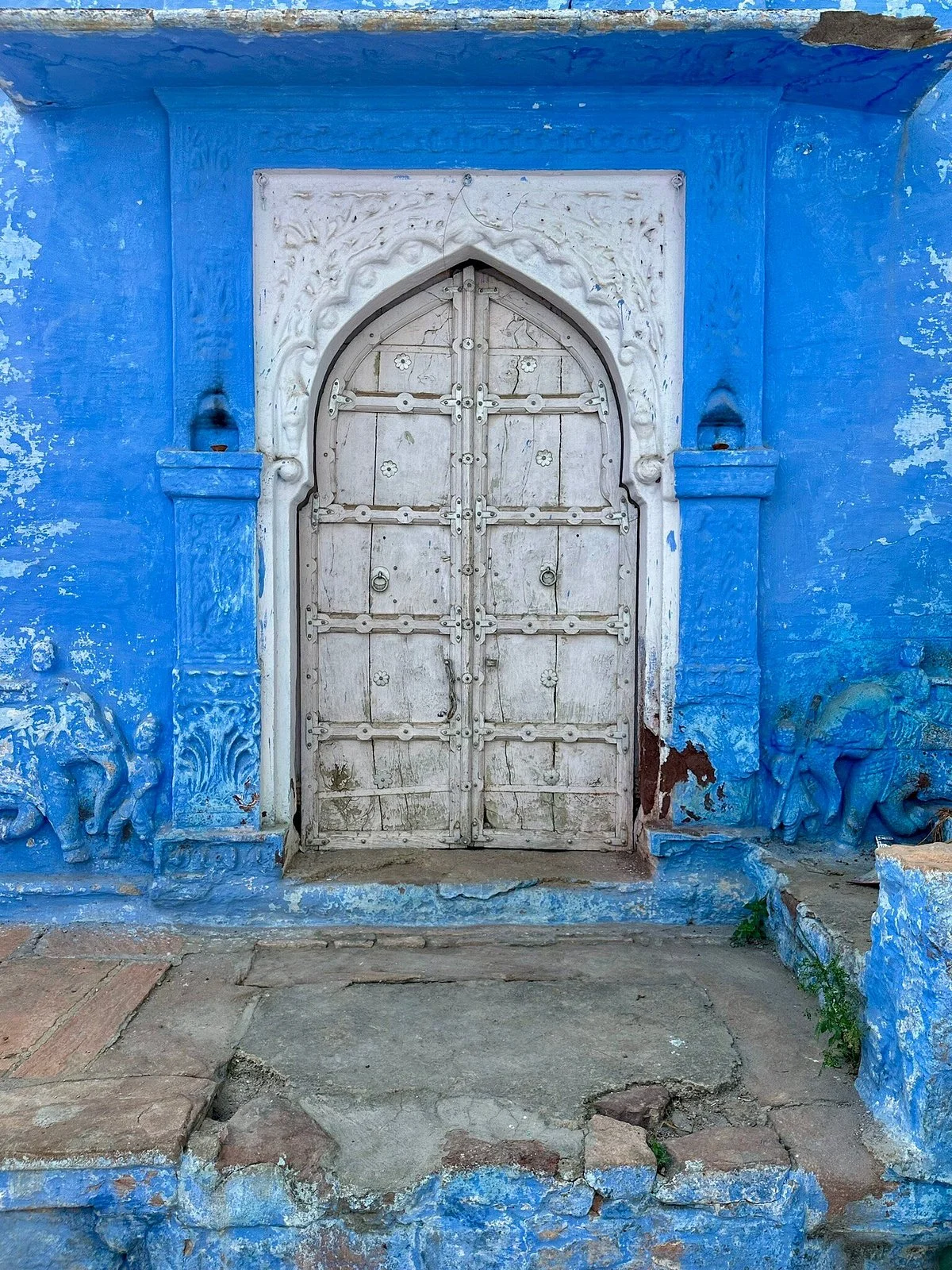
It's also known as the Blue City due to the dominant color scheme of its buildings in old town. The old city circles the Mehrangarh Fort and is bounded by a wall with several gates. Jodhpur lies near the geographic centre of the Rajasthan state, which makes it a convenient base for travel in a region much frequented by tourists.
The name "Fort" belies the size of the complex, which houses the Maharaja's palace, several temples and, tucked away in the back, an extensive garden still farmed to this day. Highlights within the palace include:
A number of people are employed here and there to add flavour by dressing in period costume and doing photogenic things like playing traditional instruments and smoke opium (yes, the real thing). Snap away, but they'll appreciate a tip if you do. The museum also includes galleries devoted to howdahs (elephant-mounted seats), palanquins, fine arts, weaponry and the inevitable Turban Gallery.
Entry for foreigners is ₹600, and includes an excellent audio guide, or ₹400 for foreign students. ₹100 photography fee.
Entry to the fort is free each year on its birthday (about the 12 May), and is not as crowded as you would think.
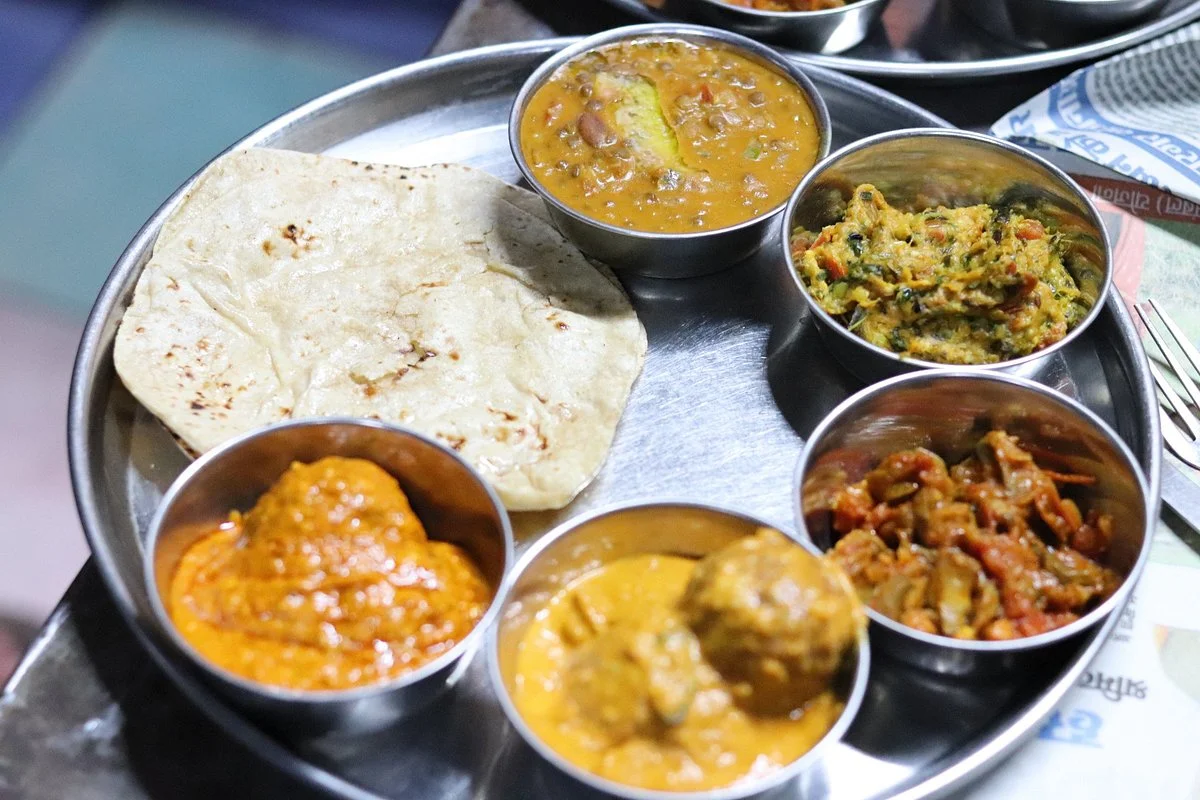
Restaurants as you find them elsewhere are somewhat hard to find in Jodhpur, except for around the tourist areas such as in front of the Fort. Otherwise, especially for lunch it's stand-up street food such as samosas.
Rajasthani delicacies include:
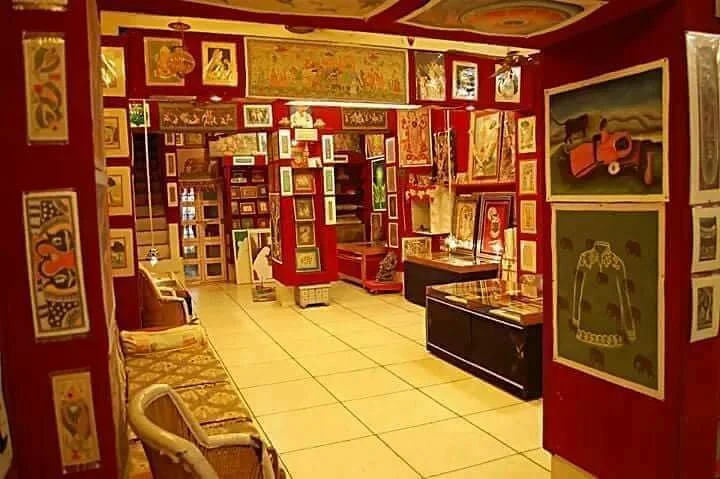
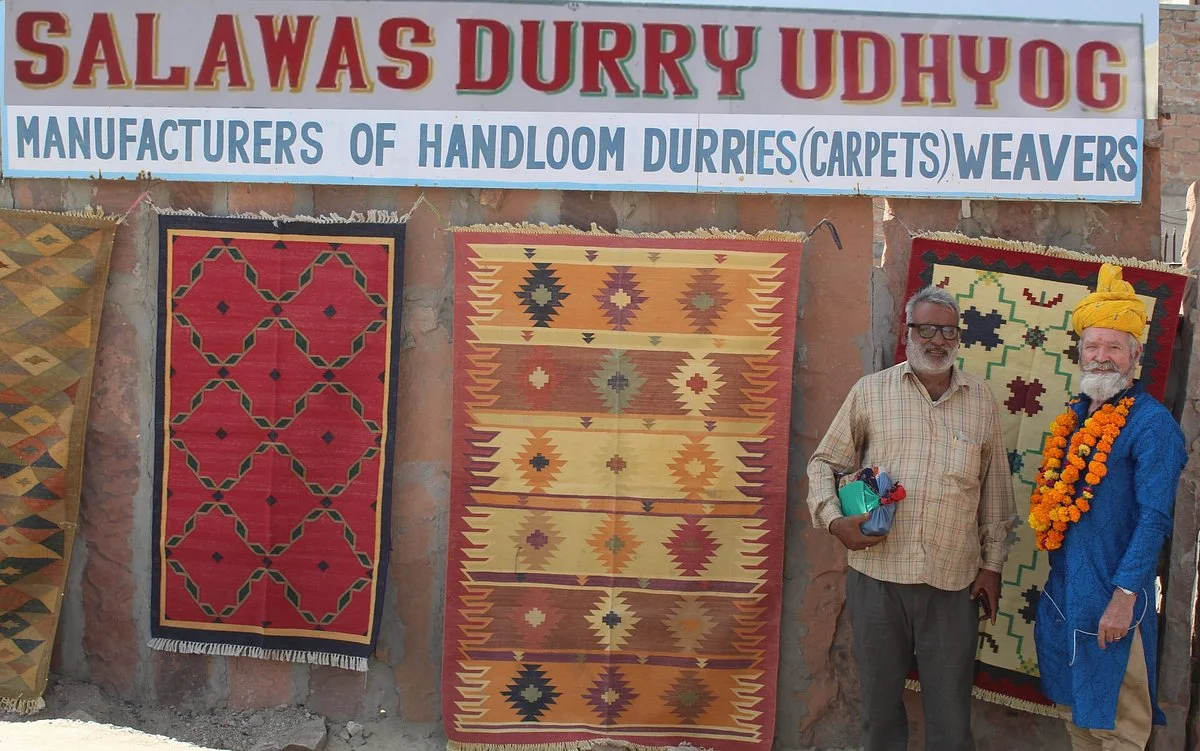
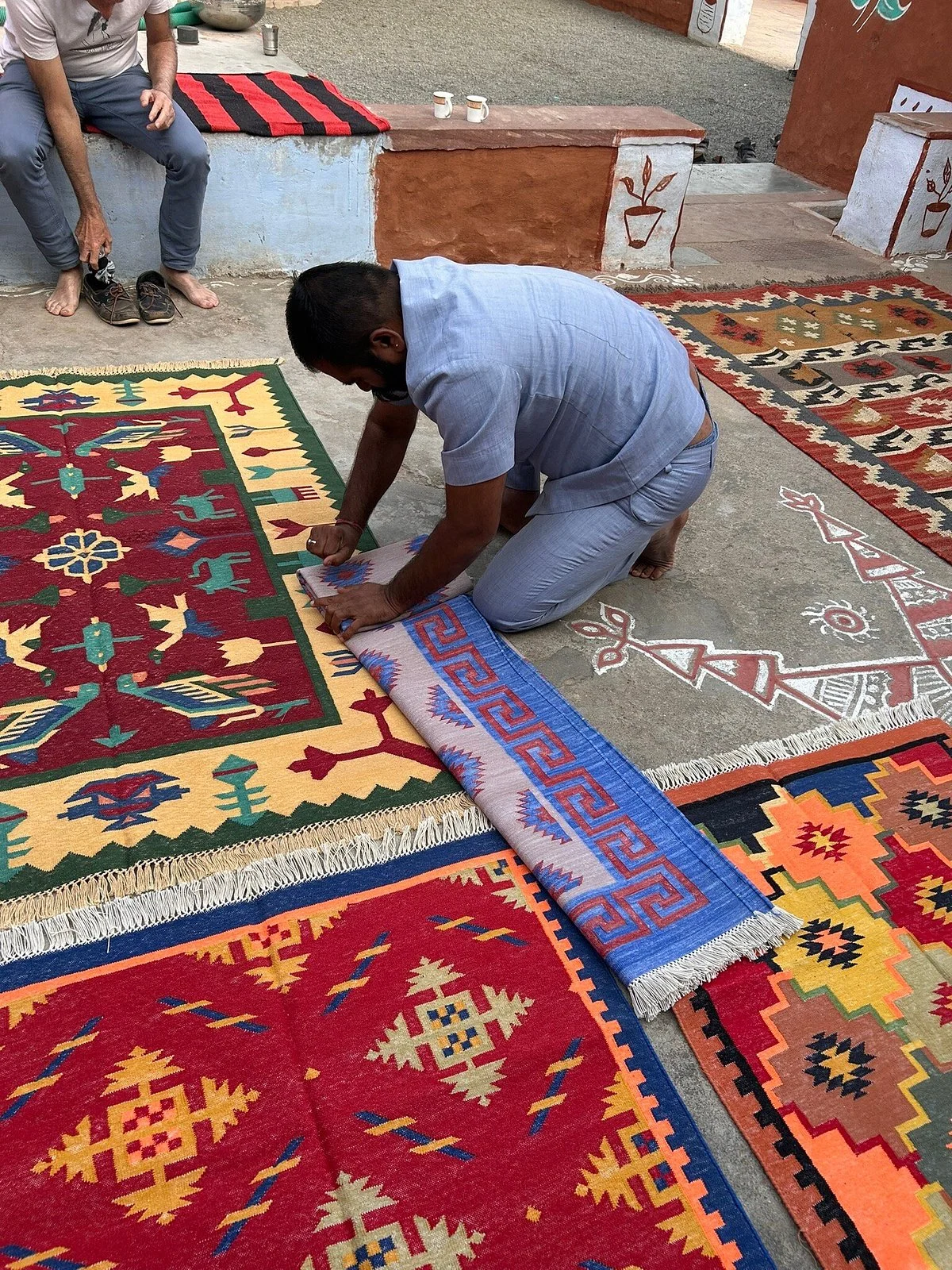
The city's main shopping area is Nai Sadak, lined mostly with sari and shoe shops and leading into Sardar Market, a bustling Indian market with a riot of sights, sounds and smells. The clocktower in the centre is a useful orientation point. Best try different shops by yourself, as rickshaw drivers and other locals will do their best to direct you into certain shops where they can earn a commission for sales; you can expect to get better prices if the shopkeepers do not have to pay a percentage to these other guys. And be prepared to spend a good hour or more in a shop chatting with the very friendly owners over a cup of masala chai. This is the true highlight of Rajasthani hospitality. You will find Rajasthan (and especially Jodhpur) to be full of amiable and kind people who will be quick to offer you chai as a symbol of genuine hospitality first and foremost (not at all significant of an attempt to coerce you to buy). It is not uncommon for them to turn their shop upside down to show you all of their goods, as many are quite proud of their business. Popular souvenirs include: There are numerous shops around town:
Jodhpur is well connected by road, rail and air to all major cities and towns in the country.
Jodhpur is a historic city and the origin dates to the year 1459 AD when it was founded by Rao Jodha, the Rajput chieftan of the Rathores. The Rathore kingdom was also known as the Marwar and was the largest in Rajputana.
The city was built as the new capital of the state of Marwar to replace the ancient capital Mandore, the ruins of which can be seen near what is now the Mandore Gardens. The people of Jodhpur and surrounding areas are hence also commonly called as Marwaris.
Jodhpur is also known as the Blue City, because most houses in the old city are painted in shades of blue. This is particularly noticeable on the north side of the town, known as Brahmpuri due to the many Brahmins that live there.
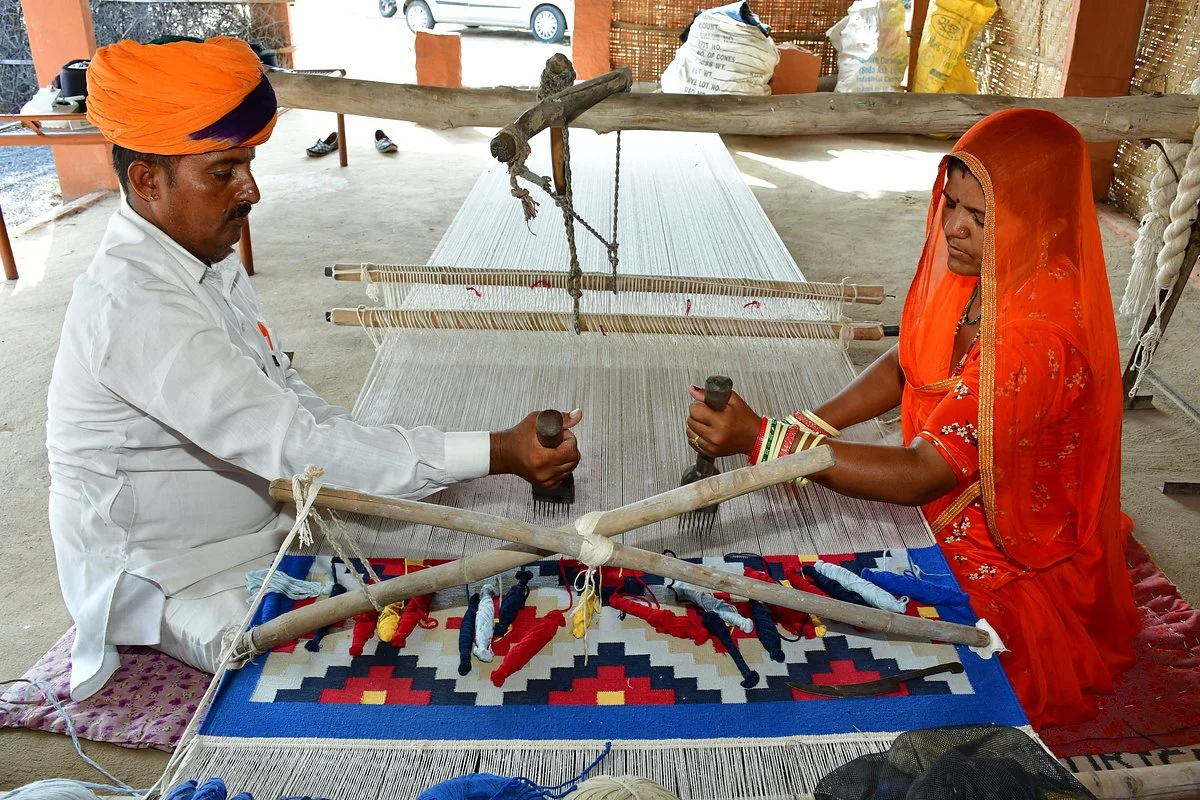
The forts and palaces, temples and havelis, culture and tradition, spices and fabrics, colour and texture, a booming handicrafts industry, combine to make this historic city worth a visit.