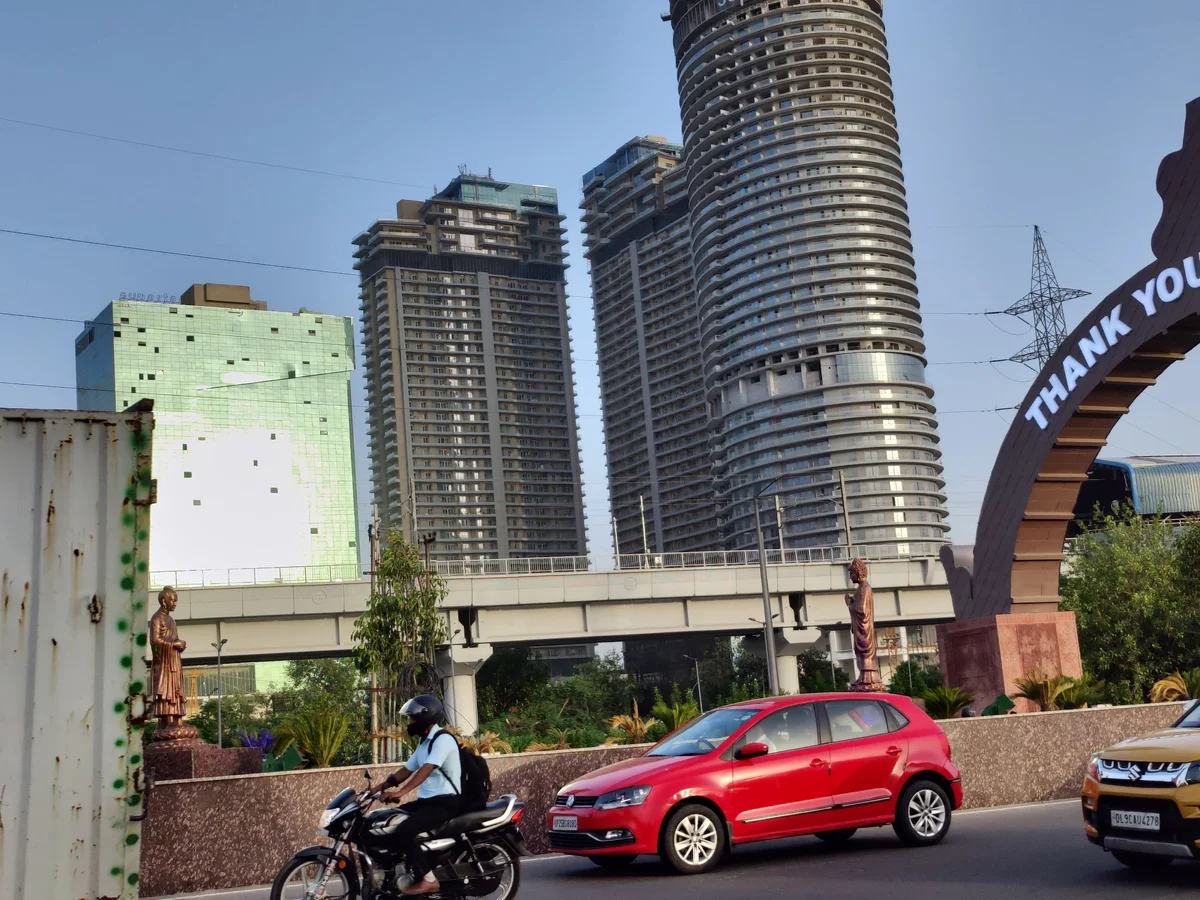
Ghaziabad (Hindustani pronunciation: [ɣaːziːaːbaːd̪]) is a city in the Indian state of Uttar Pradesh and a part of Delhi NCR. It is the administrative headquarters of Ghaziabad district and is the largest city in western Uttar Pradesh, with a population of 1,729,000. Ghaziabad Municipal Corporation is divided into 5 zones - City Zone, Kavi Nagar Zone, Vijay Nagar Zone, Mohan Nagar Zone and Vasundhara Zone. The Municipal Corporation comprises 100 wards. Well connected by roads and railways, it is a major rail junction for North India. It is part of the Meerut Division of Uttar Pradesh.
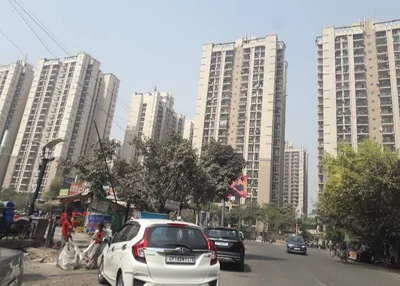
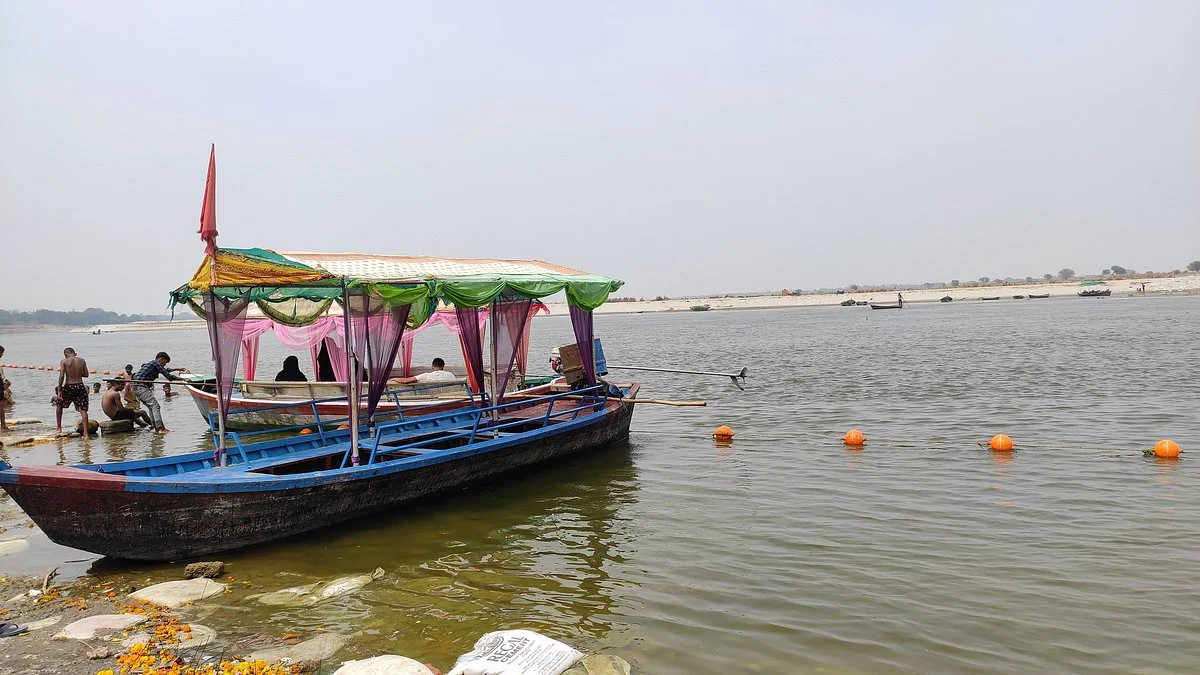
It is sometimes referred to as the "Saya of Uttar Pradesh" because it is close to Delhi, on the main route into Uttar Pradesh. Recent construction work has led to the city being described by a City Mayors Foundation survey as the second fastest-growing in the world. Situated in the Upper Gangetic Plains, the city has two major divisions separated by the Hindon River, namely Trans-Hindon on the west and Cis-Hindon on the east.
You can use Delhi Metro trains to get around in Ghaziabad. It extends to Vaishali.
The place was founded in 1740 by the vizir, Ghazi-ud-din, who called it Ghaziuddinnagar after himself and built a spacious sarai consisting of 120 rooms of masonry with pointed arches. Only the gate, a few portions of the boundary wall and a massive pillar about 14 feet in height remains now, the precincts now being inhabited. His masoleum still stands in the city but is in a bad state of preservation. The Jat raja, Surajmal, was killed near the city by the Rohillas in 1763. An encounter between the freedom fighters and a small British force took place here in May 1857, in which the former were defeated while trying to hold the Hindon. After the opening of a railway line, the name of the place was shortened to Ghaziabad.
Before 14 November 1976 Ghaziabad was the Tehsil of District Meerut. The then chief minister Mr. N.D.Tiwari decalered Ghaziabad as a district on 14 November 1976, on the birth anniversary of Pt. Jawahar Lal Nehru, the first prime minister of India. From then Ghaziabad has moved forward leaps and bounds on the social, economic, agriculture and individual front.
Ghaziabad, the headquarter of the district of the same name, lies on the Grand Trunk road about a mile east of the Hindon river, 19 km east of Delhi and 46 km southwest of Meerut with which it is connected by a metalled road.
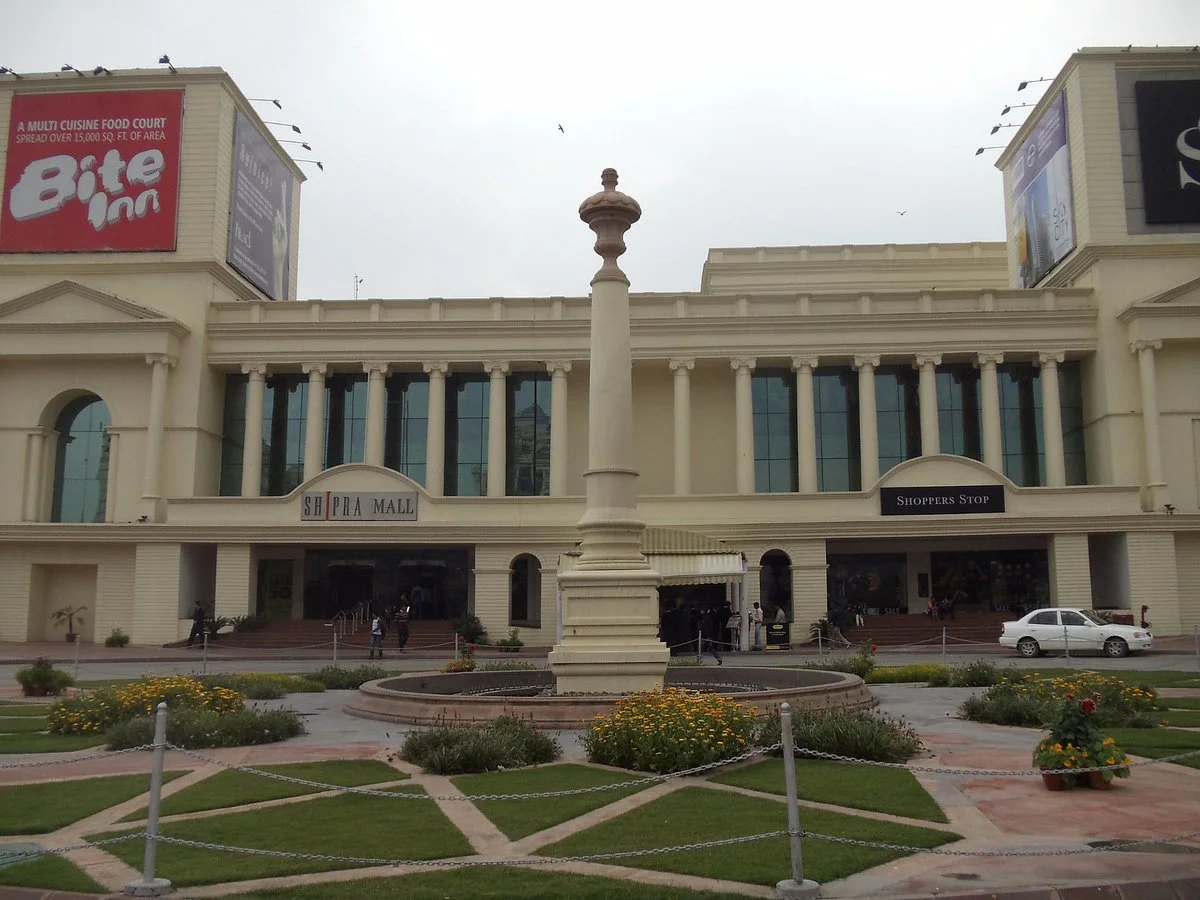
The development is marked by malls all over the city.