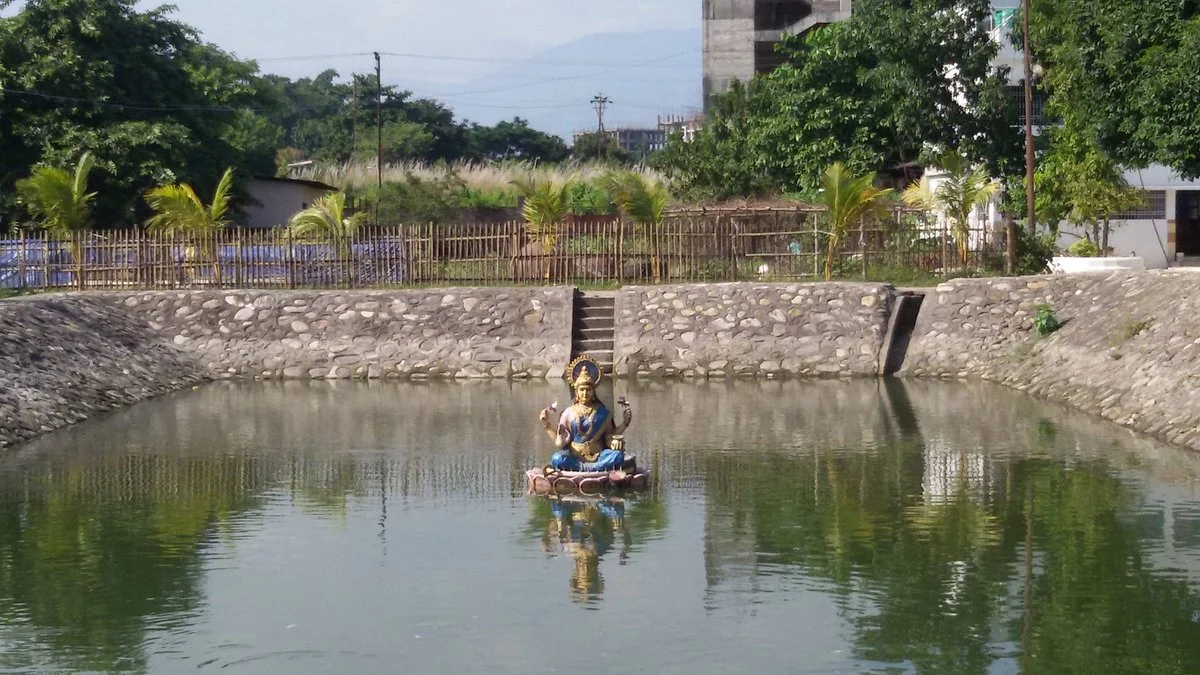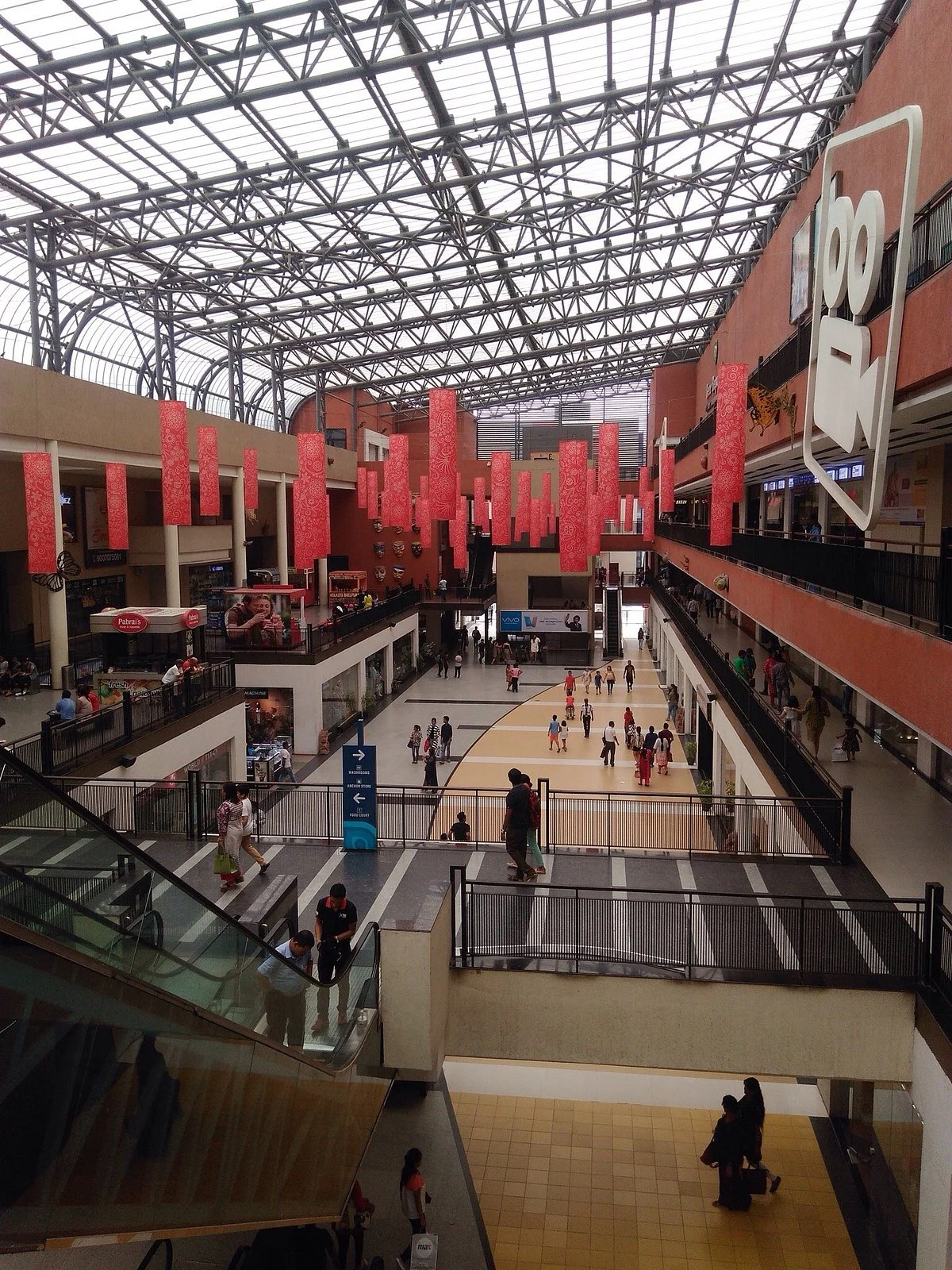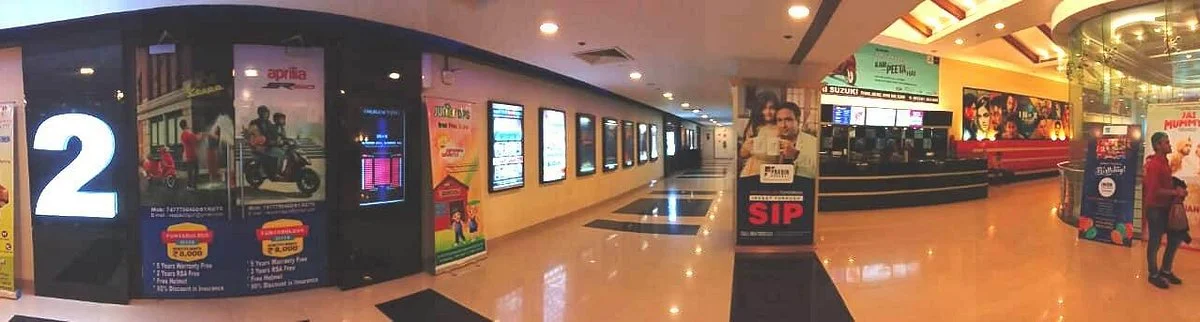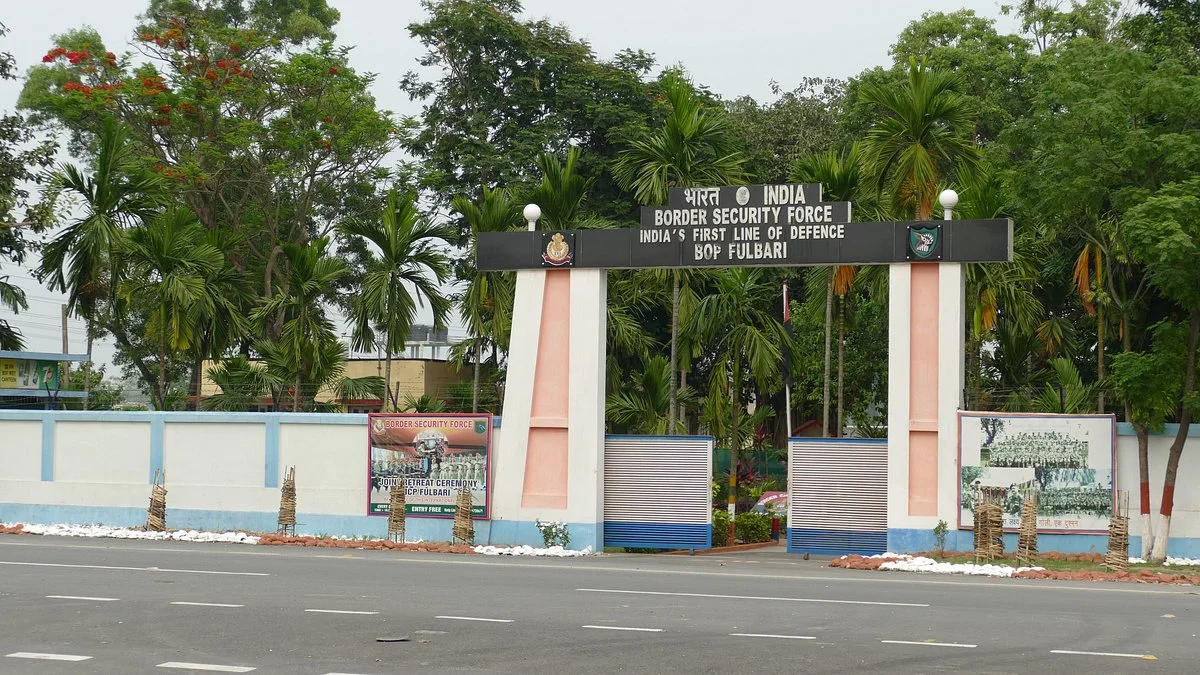
Siliguri ( Bengali: [ˈʃiliɡuɽi] ) is a major tier-II city in West Bengal. It forms "Twin Cities" with the neighbouring district capital of Jalpaiguri. The city spans areas of the Darjeeling and Jalpaiguri districts in the Indian state of West Bengal.
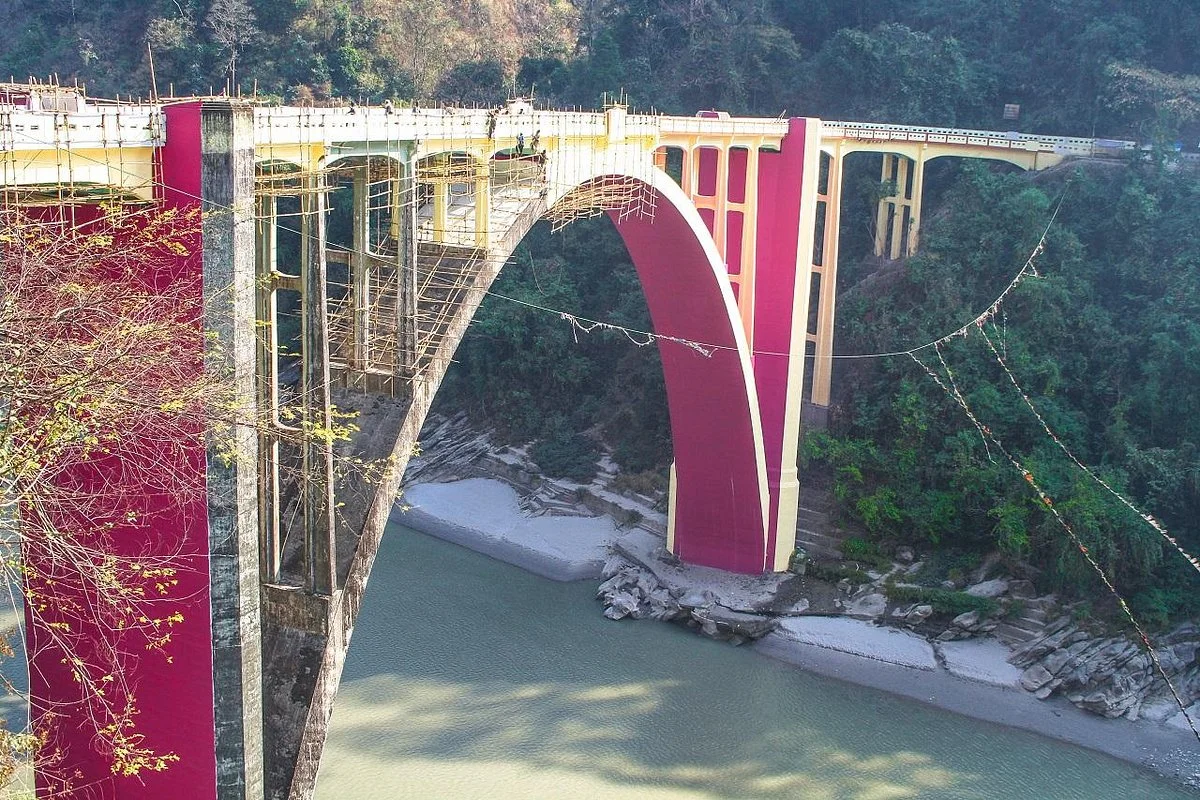
Known as the "Gateway of Northeast India", Siliguri is popular for three Ts: tea, timber and tourism. It is located on the banks of the Mahananda River and the Teesta River at the foothills of the Himalayas. Siliguri is the third largest urban agglomeration in West Bengal, after Kolkata and Asansol.Siliguri has great strategic importance in West Bengal, with convenient access to four international borders: China, Nepal, Bangladesh and Bhutan.
It also connects the North-East with mainland India. Located at the foothills of Eastern Himalayas, Siliguri is a significant trading and transportation hub.
=
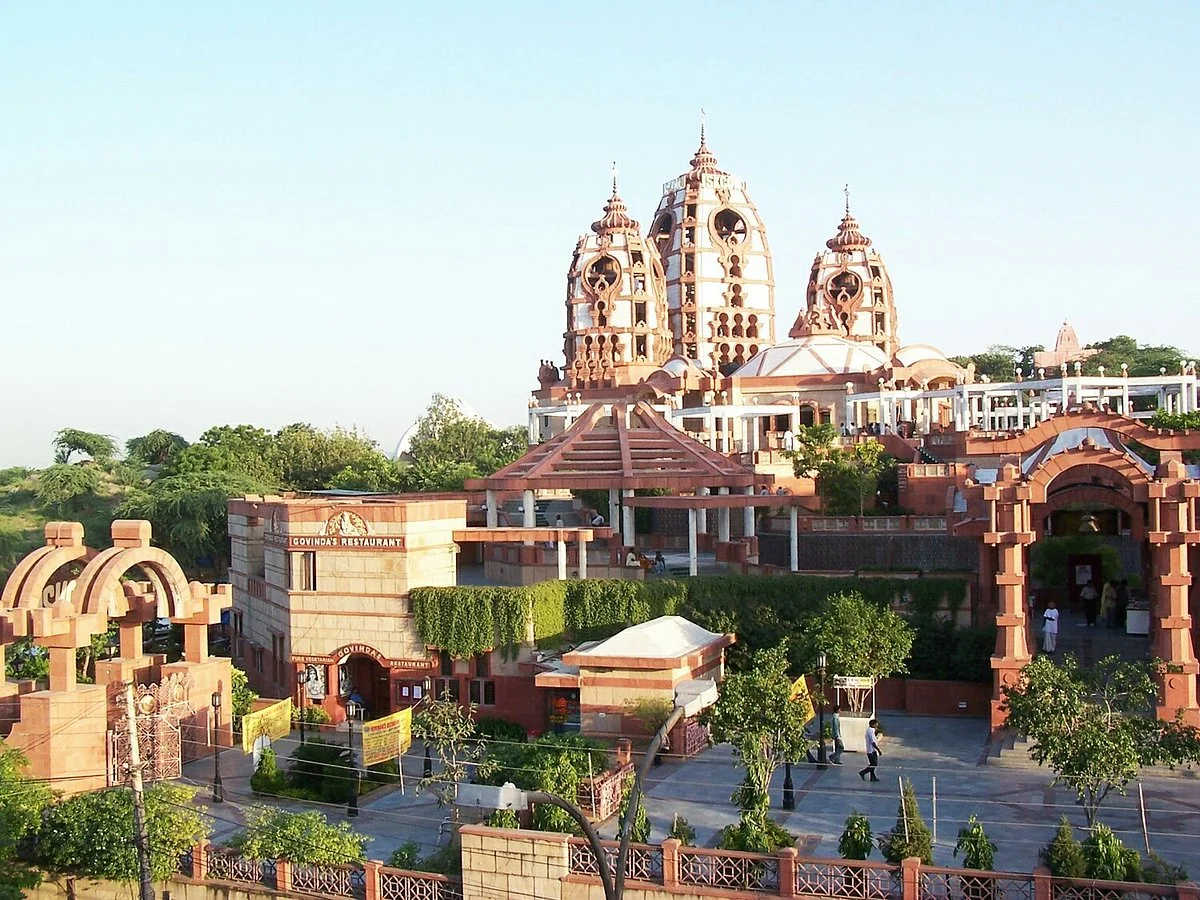
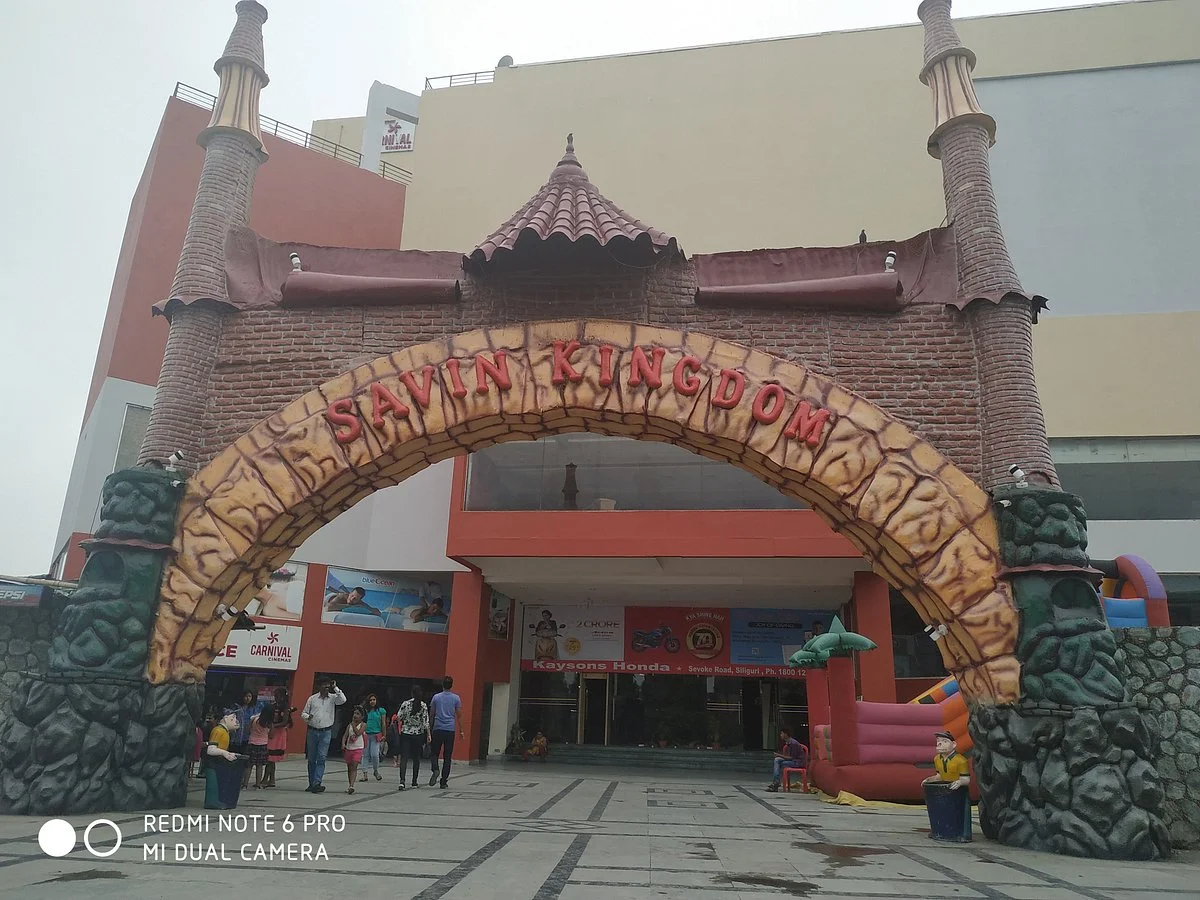
There are many places in Siliguri to visit and spend some quality time. You can tour the city yourself by renting a bike or a car. There are many places to watch movies. You can also visit tea estates for a tour where you can see the serene and spacious tea farms in and around the city. There are many exhibitions and sport events around the city.
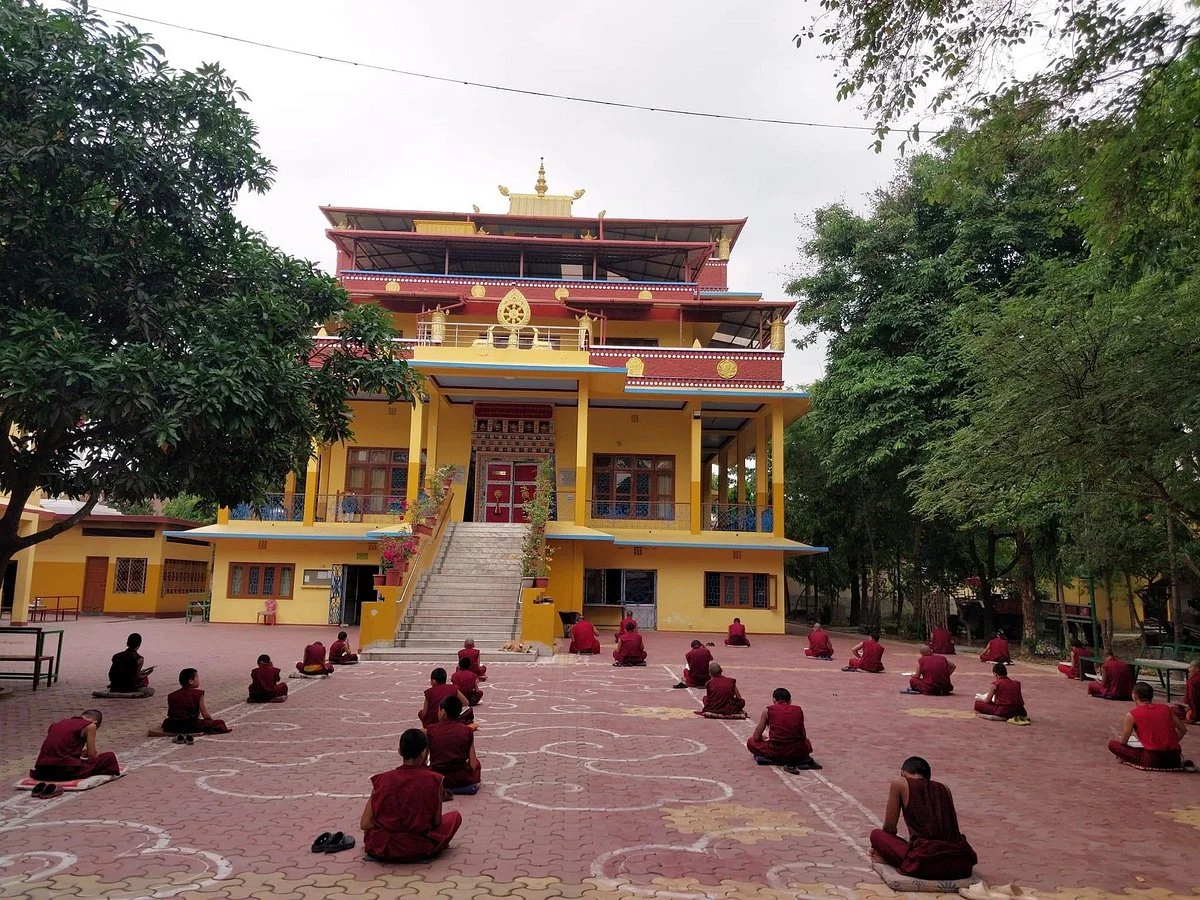
Due to the large number of Nepalese and Tibetans living in Siliguri, the city offers an excellent selection of authentic Tibetan and Nepali delicacies. In addition, there are also several good quality restaurants specializing in Western and Chinese cuisine as well as a considerable number of US fast food outlets.
No information available
If you are using Siliguri as an overnight halt, you might consider your hotel options based on the convenience of traveling to your next destination. Bagdogra, Matigara and Darjeeling More areas are convenient for Darjeeling, Kurseong (route 110), and the airport (route 327), while Salugara, 2nd or 3rd mile Sevoke Road addresses are good for Kalimpong, Gangtok and Bhutan (route 10).
Moving in and around Siliguri is cheap. There are electric rickshaws (locally known as totos), shared vans, an efficient public bus service, and rental cars. App-based car services are also available on OLA Cabs and Uber, while shared e-rickshaws and vans run on established routes, charging ₹20 per person (as of 2023) per journey. The core areas can be covered on foot and is very safe.
Siliguri (Bengali pronunciation: SHIH-lih-GOO-rih /ʃiliɡuɽi/) has a population of 728,000 (2024 estimate) (around 1,000,000 in the metropolitan area), making it the third-largest city in West Bengal.
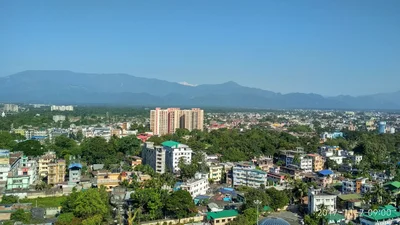
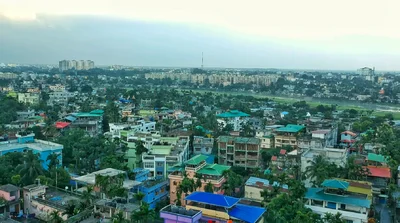
With massive developments since the turn of the 21st century, the city has grown from a small regional town into one of the most important business centres in Eastern India. Sprawling and boisterous, it is a city whose periphery is dominated by modern condominiums, while the downtown is characterised by sprawling street markets, up-scale shops, and large shopping malls.
Due to its position as a commercial hub and centre of learning, the city enjoys a sophistication and range of shopping usually only associated with metro cities. Furthermore, as it has attracted a large number of young Nepalese, Sikkimese, Tibetans, and Bhutanese, it has developed into one of India's most liberal and cosmopolitan cities that is known for its vibrant music scene and strong youth culture.
Siliguri is the only city in West Bengal other than Durgapur, Kolkata and Cooch Behar to have airport and, perhaps due to the high concentration of colleges, institutes and private schools, the city has the highest literacy rates in the state. Traditionally, Siliguri has been known for the four 'T's — tourism, timber, tea and transport — and is the gateway to Darjeeling, Sikkim, Bhutan and North-Eastern India.