Kintamani is a district (kecamatan), and a village within that district, on the western edge of the larger caldera wall of the Mount Batur (Gunung Batur) caldera in Bali, Indonesia. It is on the same north–south road as Penelokan and has been used as a stopping place to view the Mount Batur region. Kintamani is also known for Pura Tuluk Biyu's 1,000-year-old "Rites of Peace" stone tablets and the Kintamani dog breed.
It is situated next to Mount Batur.Kintamani District covers a greater land area than the city of Denpasar at 366.9 km2, and it was home to 112,463 people at the 2020 Census, but the area is rural, with only 7,402 people in 2010 in the administrative village of 19.45 km2 which has grown up along the single main road. Altogether there are 48 villages (desa) in the district.
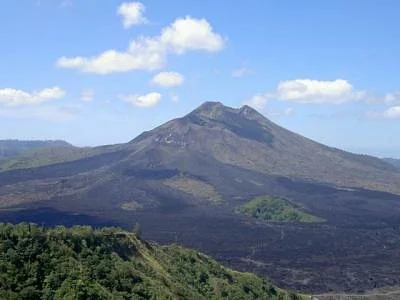
The main attraction for visitors is located around Lake Batur where Penelokan village provides spectacular views of this crater lake and Mount Batur, set in a vast volcanic caldera. Photo opportunities abound, but try to be there as early in the morning as you can manage before the cloud inevitably starts to gather.
Further northwest along the rim of the caldera is Pura Ulun Danau Batur, one of the most important temples in Bali. Entry is by donation here - Rp 10,000 is about right. The temple was rebuilt up on the caldera ridge in 1926 after an eruption of Mount Batur destroyed the old one down in the crater. There are a large number of shrines, but most visitors are drawn to the huge eleven roofed meru in the inner courtyard. This is dedicated to the goddess of the lake, Ida Batara Dewi Ulan Danau who is regarded as the controlling deity of the whole water and irrigation system of Bali. A virgin priestess is resident at the temple to represent the goddess, and she is served by 24 priests who are chosen as young boys and then keep the role for their lifetime. This is a strong example of just how importantly water and irrigation matters are regarded in traditional Balinese culture.
You can visit the Bali Aga village at Trunyan on the eastern shore of the lake by boat from Kedisan. This is recommended in some guides, but first hand reports are frequently negative and speak of some problems. This is an isolated community and one which is not particularly welcoming to tourists, despite relying on income from visitors. If you really must go, catch a boat at the lakefront in Kedisan (or you can charter a boat from Toyo Bungkah) and make sure the price is clearly understood before departing, and that the entrance donation to the Trunyan villagers is included. When you arrive at Trunyan, the key attraction is the cemetery. Ancient customs retained by the Bali Aga here include the open burial of dead bodies in a pit covered by just some light cloth. If you want to visit a Bali Aga village though, then Tenganan near Candidasa is a far better option.
One of the best things about a visit to Trunyan is the views of Mount Batur from the eastern shore of the lake. This provides a very different perspective from the usual view from the crater rim. You can though get those same views by taking the small road around the southern edge of the lake through the villages of Kedisan (where there are a few simple places to stay and eat), Buahan and on to the tiny settlement of Abang. The road ends at Abang, a four-wheel drive vehicle is more appropriate for this skinny and at times very steep road (but you can explore the eastern shore of the lake further on foot, all the way to Trunyan (about 4 km) if you are feeling energetic (you will be stopped by locals along the way asking if you want to go to Trunyan, they may even follow you and tell you that you cannot go there on foot and you must take a boat with them. Take plenty of water for the walk and be prepared for steep hills.
There are a large number of identikit buffet restaurants sited on the main road in Kintamani and Penelokan. These are aimed at tour buses. These restaurants offer fantastic views across the lake, and serve all-you-can-eat lunch buffets at acceptable prices. You could instead head for local food stands and other outlets close to Kintamani market and smaller restaurants in Penelokan.
In Toya Bungkah there are several small restaurants that specialise in locally caught fish from Lake Batur.
There are no bars here at all. If you are staying at Toya Bungkah you might well run into other travellers keen to exchange chat, and have a few beers by the lake.
Kintamani is the pushy souvenir hawker capital of Bali. They will surely target you the moment you arrive and try to admire the view. If you are confident handling the haggling with these vendors, Kintamani can turn out to be an interesting shopping experience. If you are not, and allow such things to bother you, the level of hassle here can make for an unpleasant experience.
Fruit and vegetables. Kintamani is renowned for growing oranges (especially) and other fruit. You will see lots of streetside vendors in this area selling excellent quality freshly picked fruit. The local orange is called Jeruk Kintamani and is delicious. The areas down around the lake (especially on the eastern shore) are market gardens for all sorts of cool climate vegetables.
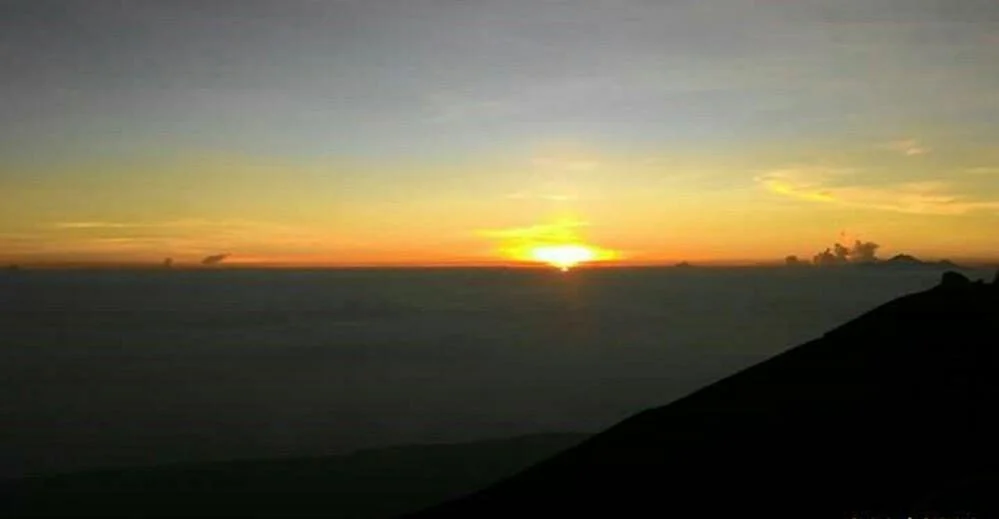
Few visitors stay in the area but instead take in the sights during the day. Those that do stay do so for the purpose of climbing Mount Batur pre-dawn, and therefore stay down around Lake Batur close to the ascent start point in Toya Bungkah or at Kedisan on the southern shore.
Not too many visitors choose to stay in this area, but instead view the local sites by car or motorbike in the course of a day.
Bemos do ply the caldera road between Penelokan and Kintamani villages. Look for the orange vans and expect to pay about Rp 10,000 for any local journey. With the climate being quite cool up here, the area makes for pleasant walking.
The area of north-eastern Bali at the Mount Batur caldera, and which encompasses Penelokan, Toya Bungkah, Batur and Kintamani villages, is known widely as just Kintamani. Kintamani, Batur and Penelokan villages sit on the rim of the huge Batur caldera about 1,500m above sea level, and offer dramatic views of the active volcano Mount Batur and serene Lake Batur. Toyo Bungkah village is down at the lake edge.
As well as the lake and the volcano, Kintamani is home to Pura Ulun Danu Batur, one of Bali's key nine directional temples.