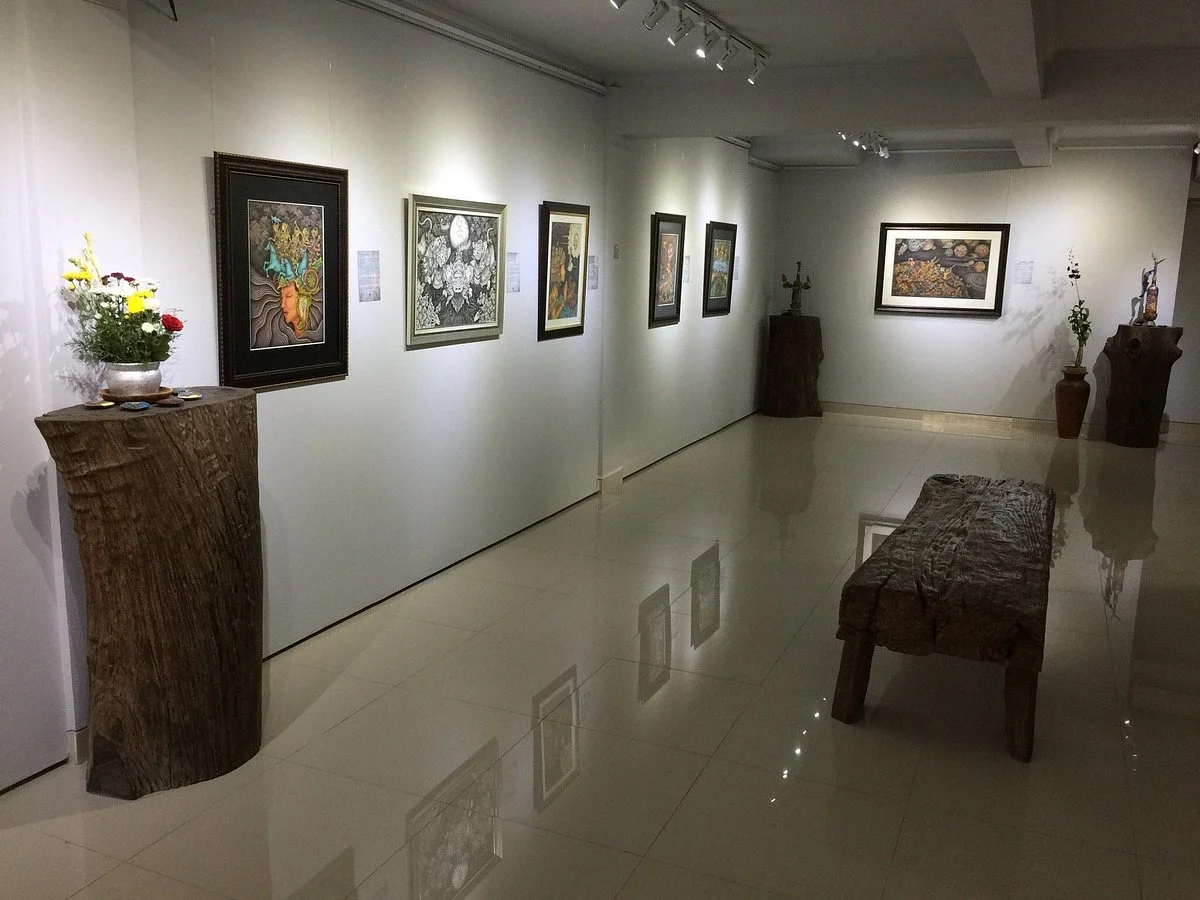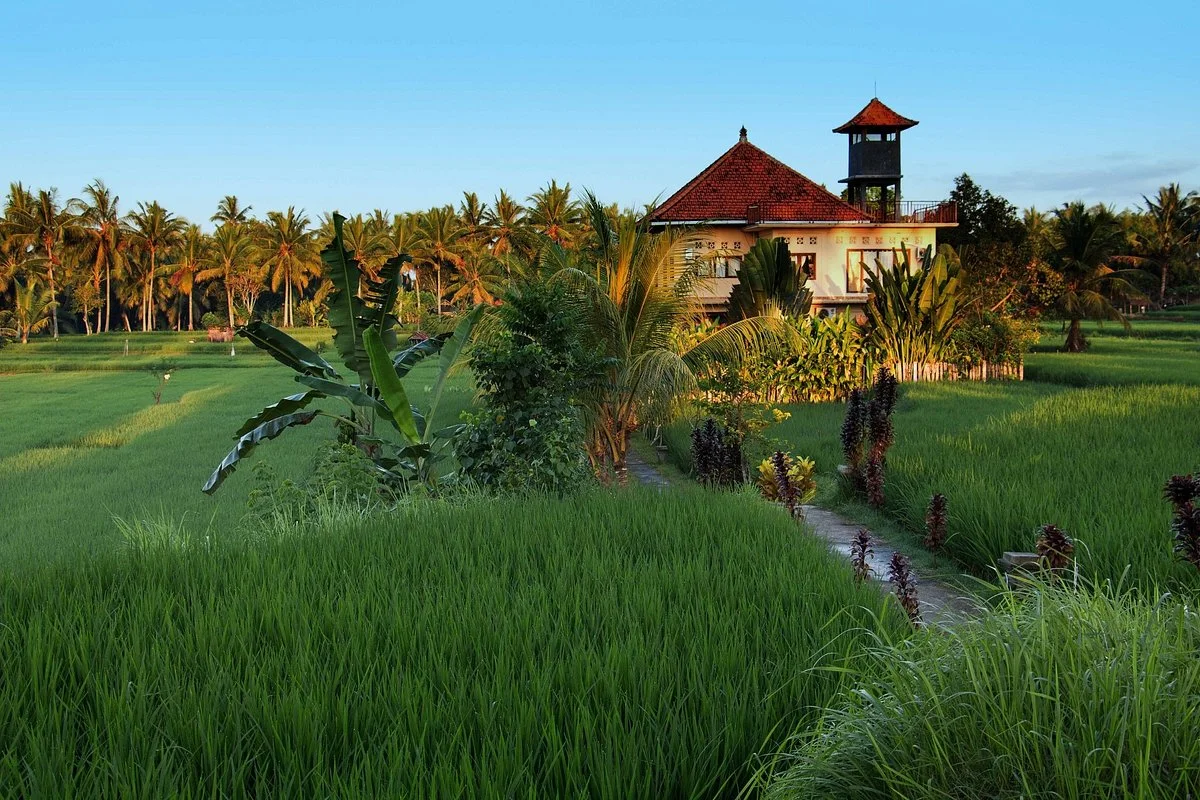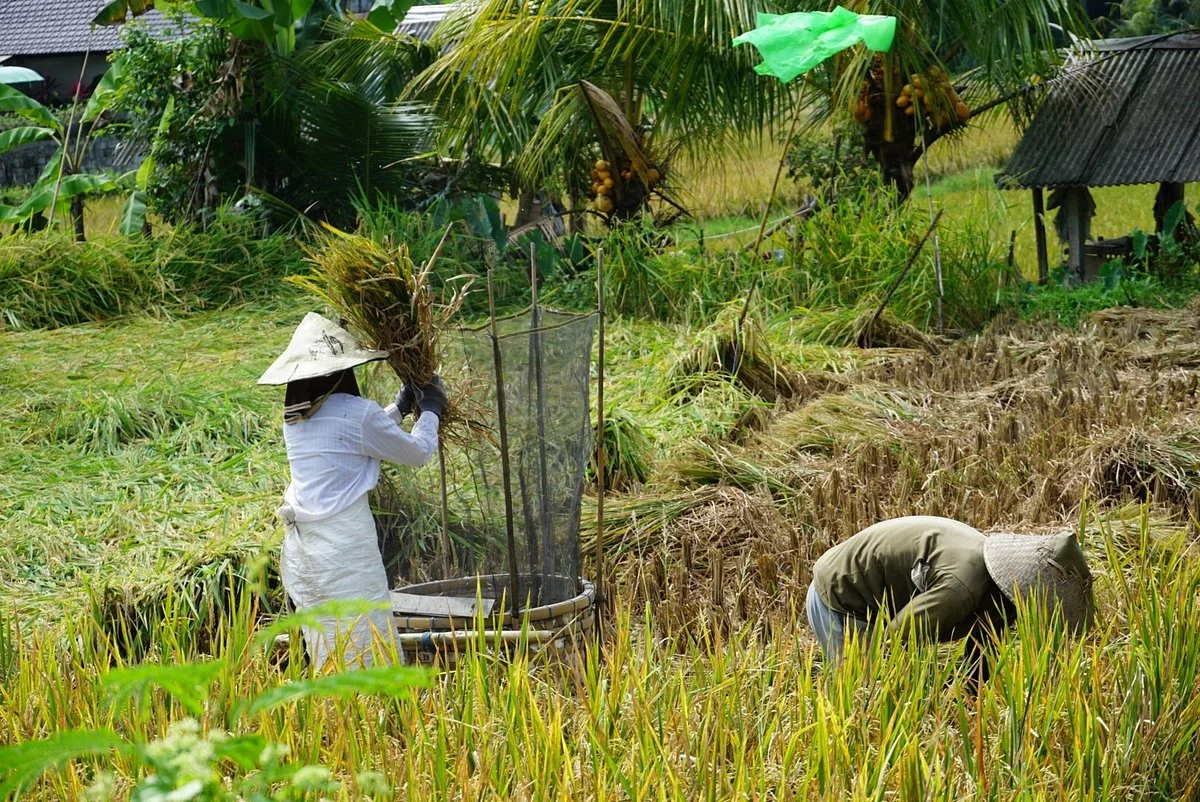
Ubud is a town on the Indonesian island of Bali in Ubud District, located amongst rice paddies and steep ravines in the central foothills of the Gianyar regency. Promoted as an arts and culture centre, it has developed a large tourism industry. It forms a northern part of the Greater Denpasar metropolitan area (known as Sarbagita).
Ubud is an administrative district (kecamatan) with a population of 74,800 (as of the 2020 Census) in an area of 42.38 km2. The central area of Ubud desa (village) has a population of 11,971 and an area of 6.76 km2, and receives more than three million foreign tourists each year. The area surrounding the town is made up of farms, rice paddies, agroforestry plantations, and tourist accommodations. As of 2018, more tourists visited Ubud than Denpasar to the south.
Ubud is so crammed with attractions it can almost seem like a visual assault at times. Try to make sure you allocate at least a week for your visit here, and take your time to explore properly. Visitors who jump up to Ubud for just two or three days of their Bali holiday, stand little chance of understanding much of what is going on around them.
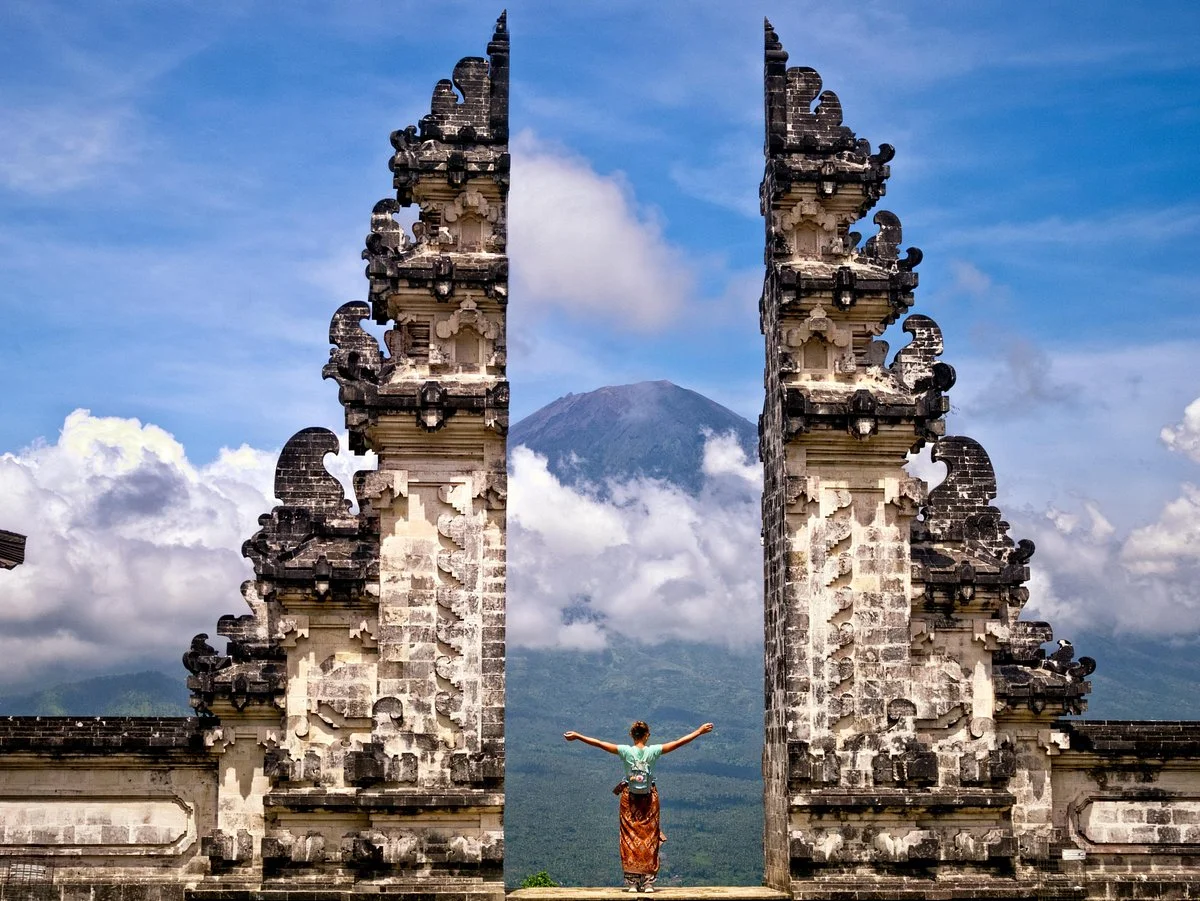
The key historical sites are located out of town, some as far as 20 km away, and you might find it worthwhile joining a tour to visit these. If you do visit attractions such as Goa Gajah, Gunung Kawi, Pura Kehen and Tirta Empul under your own steam, try to find a knowledgeable guide when you get there. Whilst you will certainly appreciate the beauty of these places, their cultural and spiritual significance may be lost without a guide.
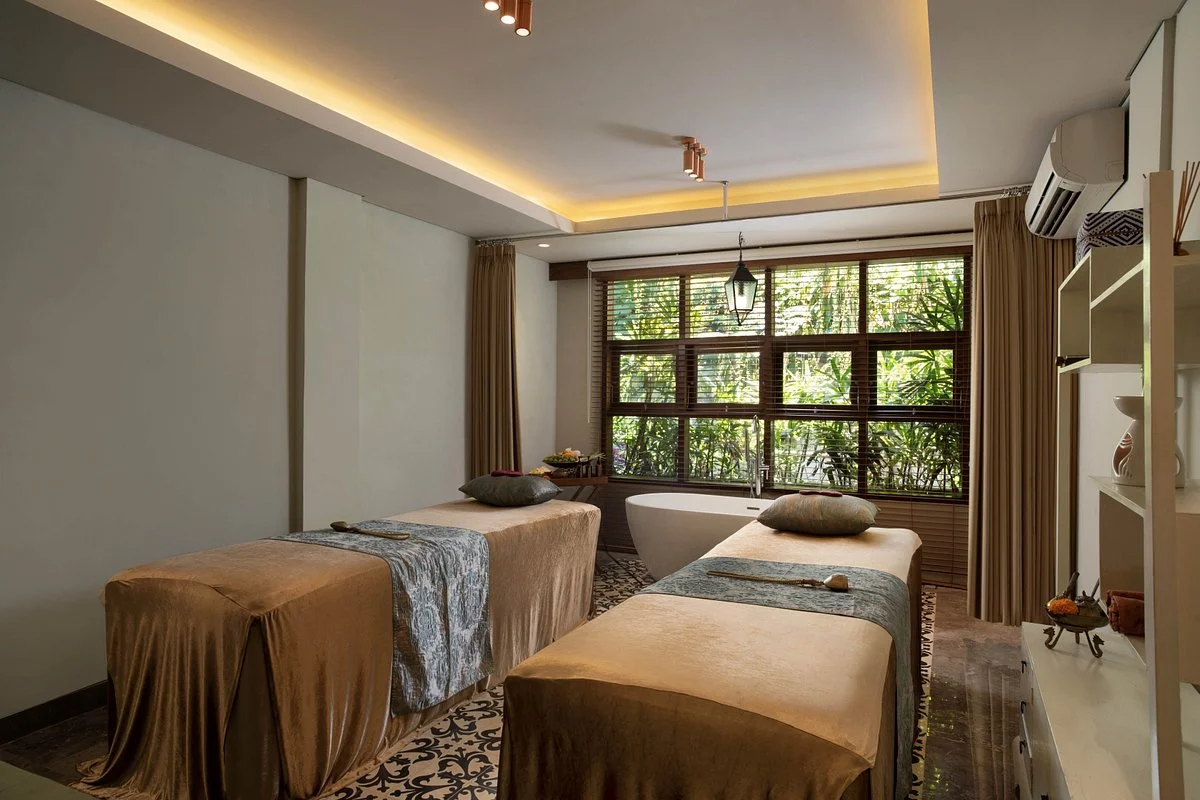
As a centre of the arts, Ubud has dance and shadow puppet performances every night. There are also plenty of spas for resynchronising your chakras, and all manner of spiritual classes and treatments, some distinctly less genuine than others.
Ubud is renowned in Bali for its wide range of restaurants, and is probably second only to Seminyak in terms of the quality of the offerings. Travelers on a budget will not be short of options, as there are many simple warungs serving up the standard Indonesian staples.
Ubud is emphatically not party town: there are a few places for a quiet drink, but the strictly enforced local regulation that all live performances and loud music must end by 22:30 puts a bit of a clamp on the local nightlife. More often than not, visitors have a quiet drink with their evening meal, and call it a night.
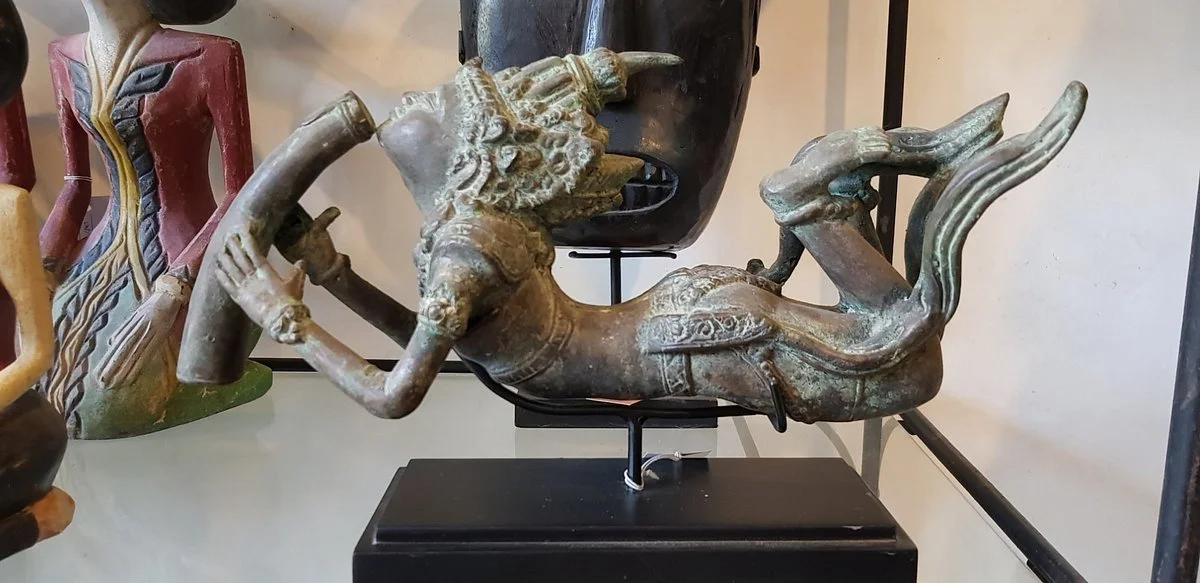
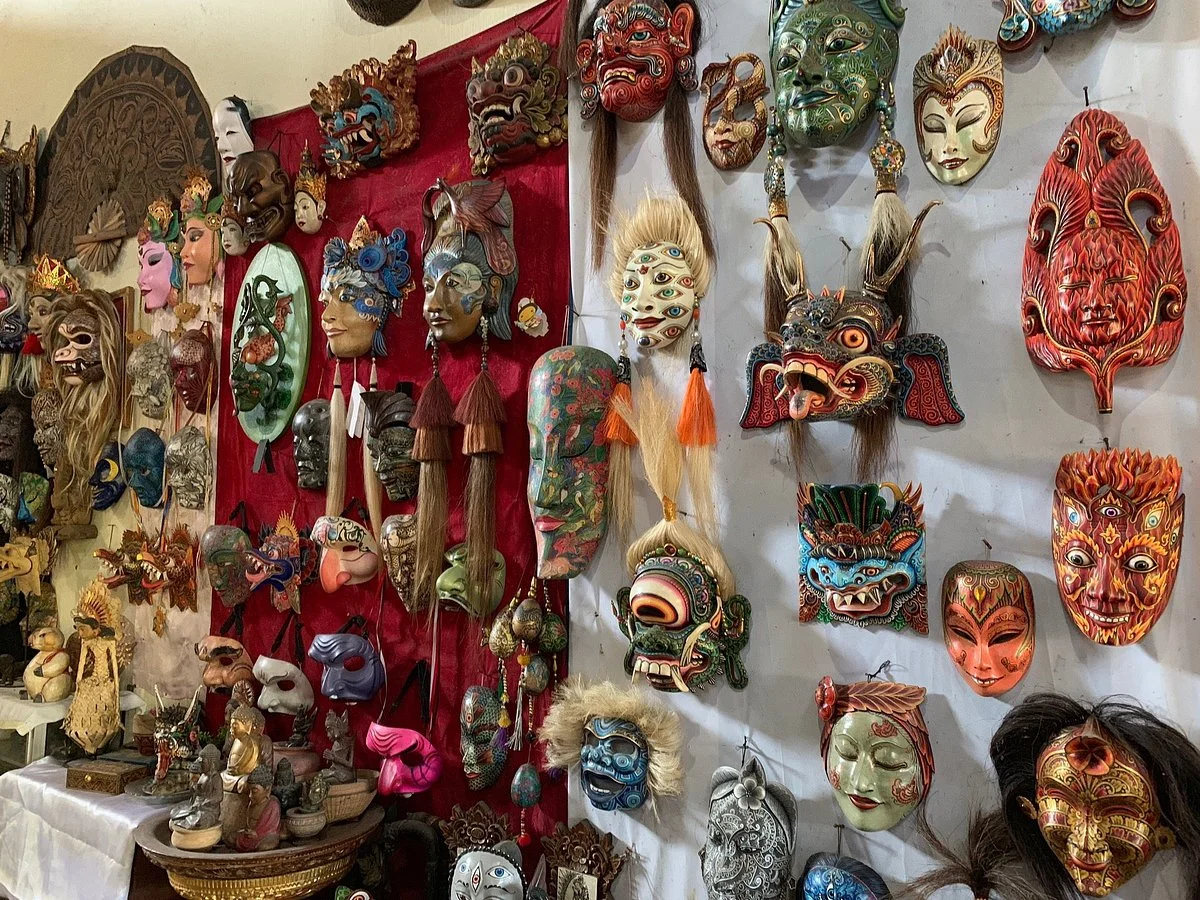
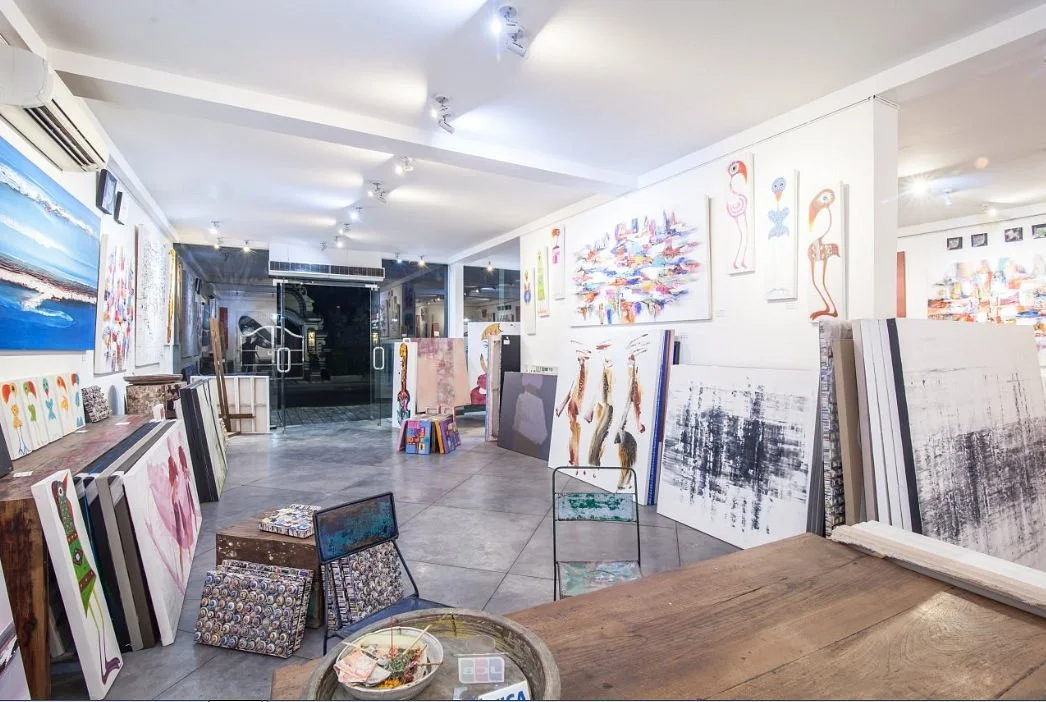
Ubud has a vast assortment of art and jewelry shops. Head for the boutique type stores on Jl Monkey Forest and Jl Raya Ubud for higher quality goods (with appropriately higher prices), or down to the market for bulk-produced cheapies.
Ubud has a vast selection of lodging for all budgets. Many visitors prefer to avoid the noisy, congested, and crowded town centre and instead stay out in nearby rural areas, ideally with views of the famous rice terraces, but this can make it a little difficult to get around. As in most of Bali, in all but the grandest of hotels, check-in and check-out times are a bit of a moveable feast. It is safe to assume about 14:00 and 11:00.
Central Ubud can be covered on foot, but you will need some form of transport to explore the extended vicinity.
Central Ubud is overrun with tourists and touts, and traffic is terrible—cars are frequently stuck in traffic, pedestrians have to dodge motorcycles, and everyone has to deal with the noise and smell from so many vehicles in a small area. The nearby villages are much quieter. The sidewalks are often blocked by motorbikes, or a collapsed section necessitates a step off the sidewalk potentially placing you in the path of traffic. That traffic could be a tricycle or a truck, so keep your wits about you.
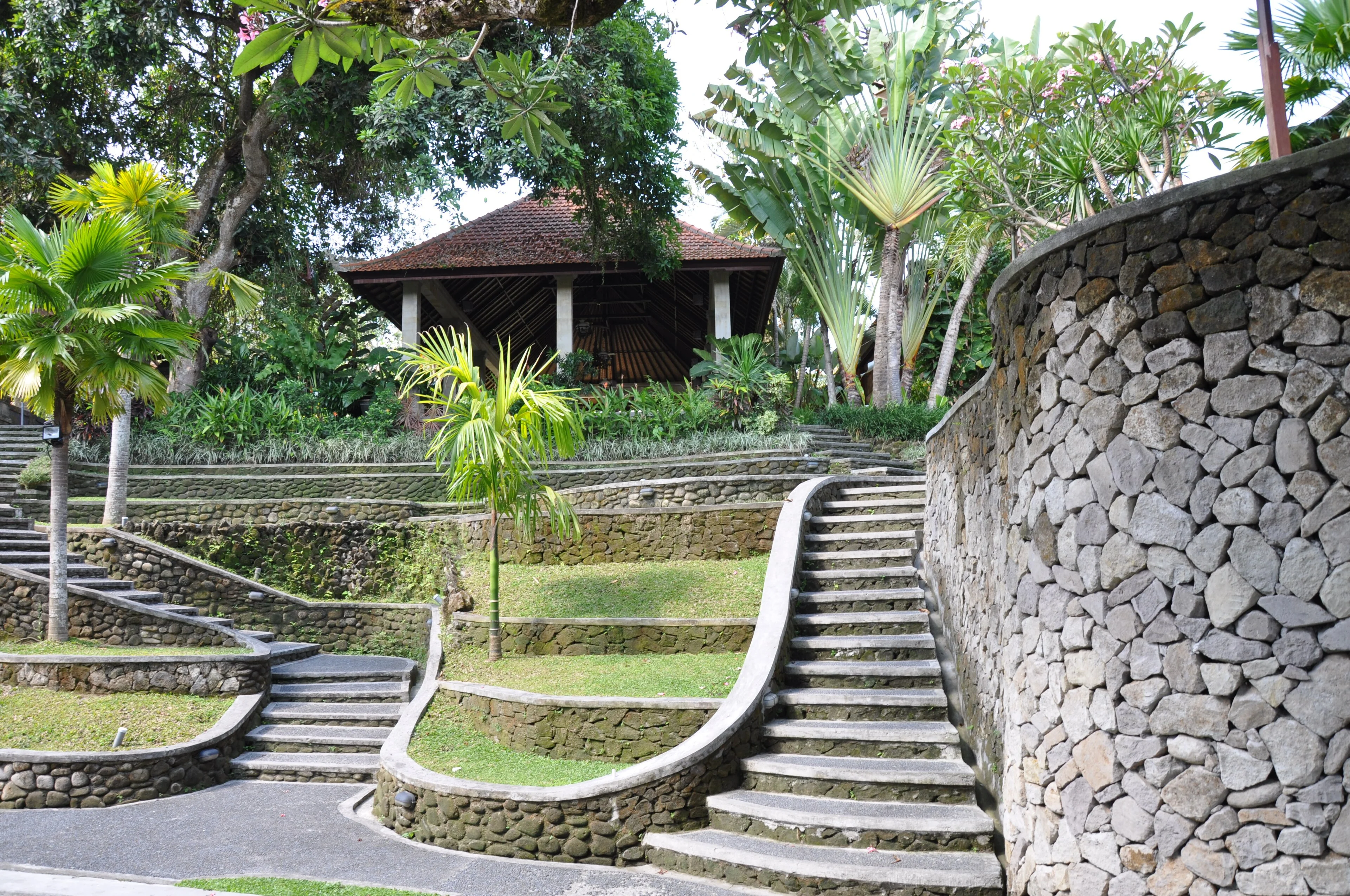
While Ubud seems to outsiders like one small town, it is in fact fourteen villages, each run by its own banjar (village committee). Ubud has grown rapidly, and some central parts are creaking under the strain of coping with the number of visitors. That said, most development is sympathetic to the zeitgeist, if not designed specifically in the local style. Growth continues apace, but there are still terraced rice fields along the rivers, and away from the town centre, regular, quiet village life carries on relatively undisturbed.
Featured in Rivileo Journal