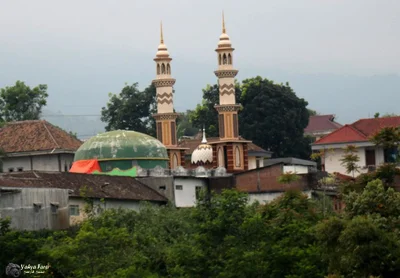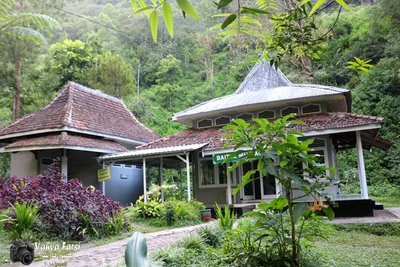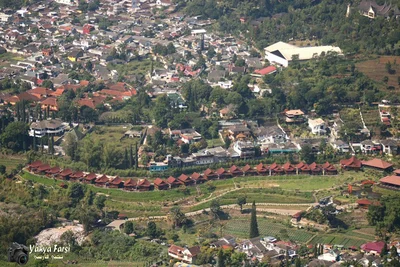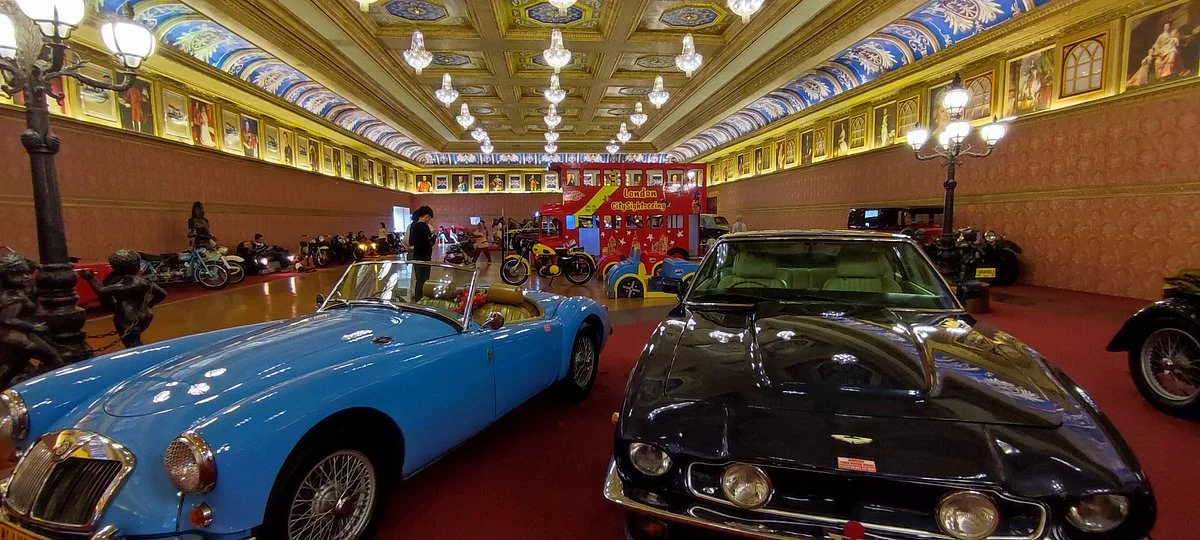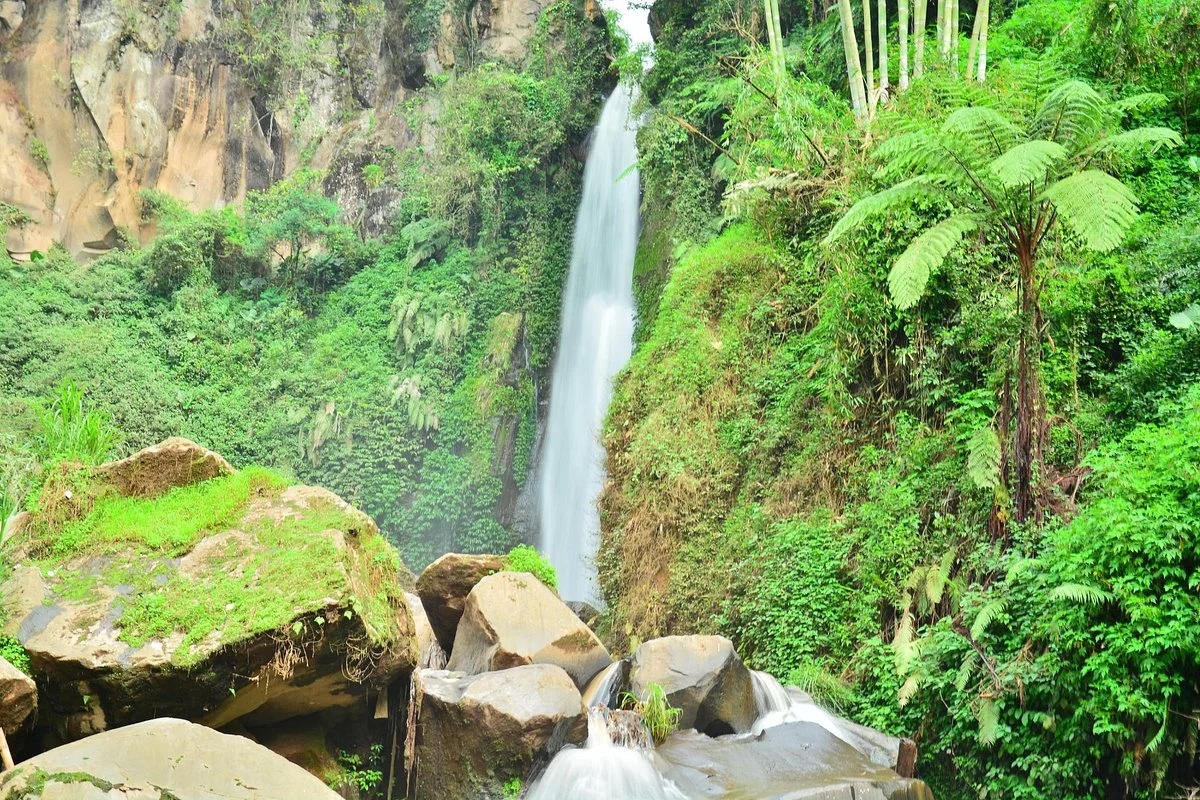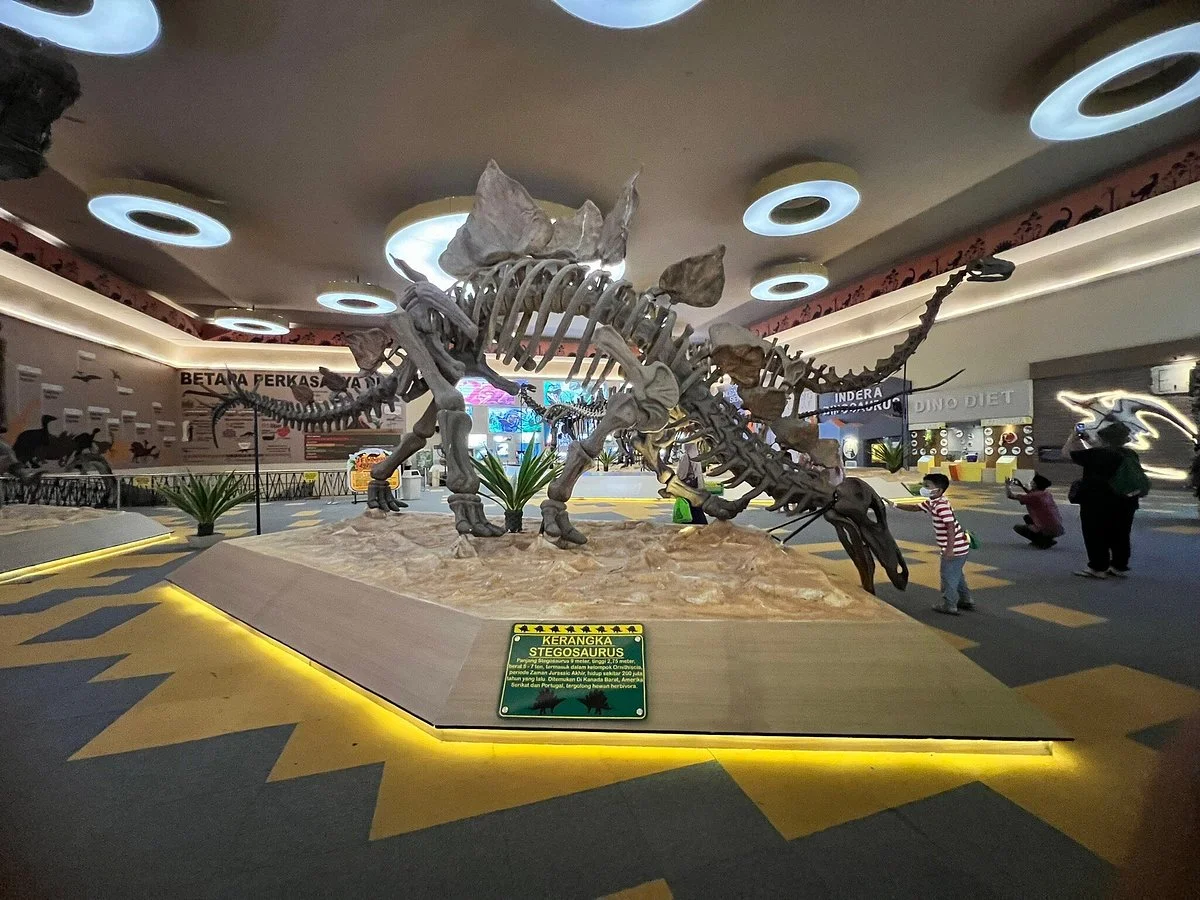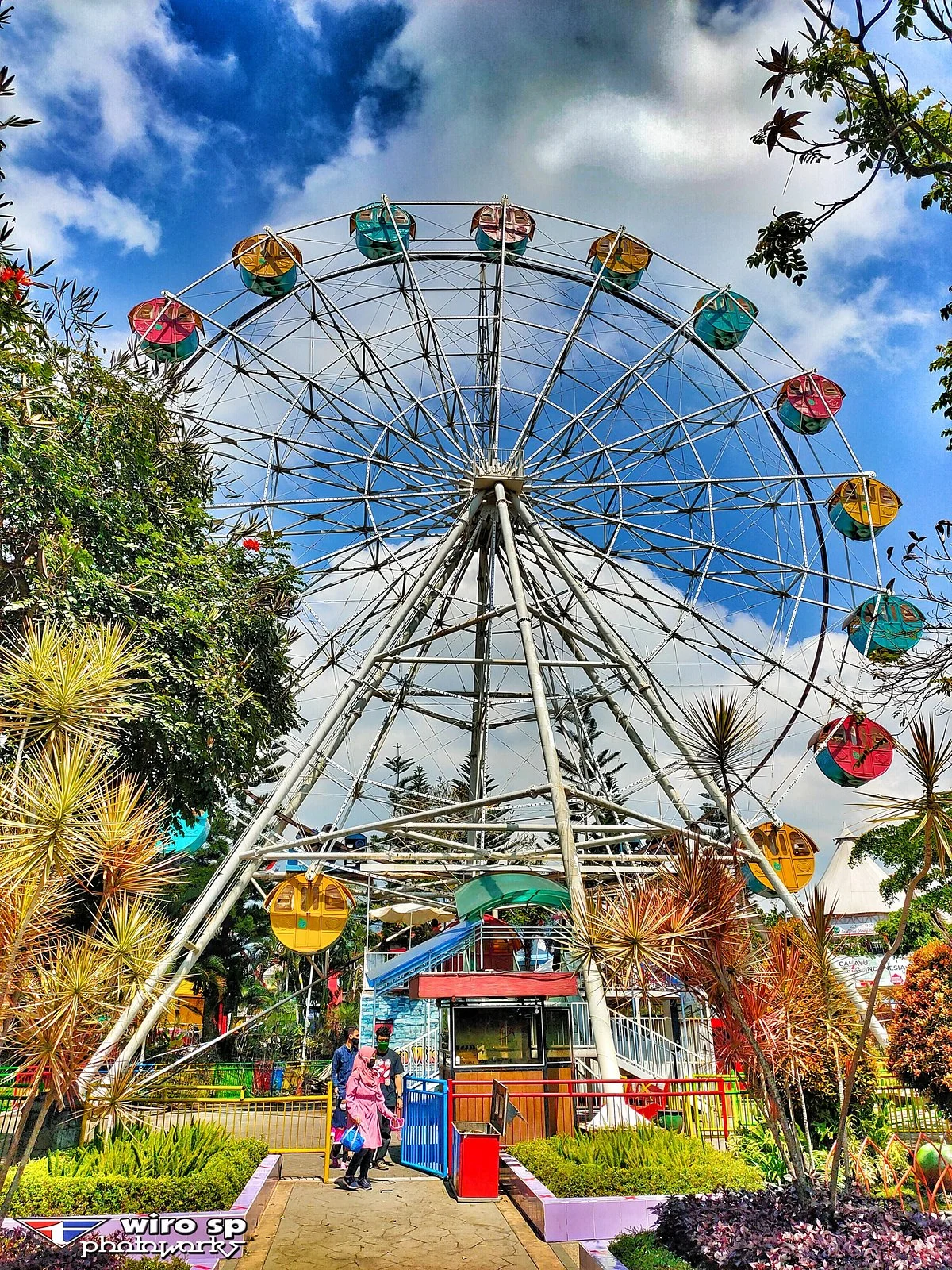
Batu, officially the City of Batu (Indonesian: Kota Batu, Javanese: ꦏꦸꦛꦧꦠꦸ), is a city in the East Java Province of Indonesia. It is about 20 km to the northwest of Malang. Formerly, it was a part of Malang Regency; but on 21 June 2001, Batu became an independent city (by Act No. 11 of 2001), with its own mayor and council.With a population of 213,046 people at the 2020 Census, which rose to 221,714 as officially estimated as of mid-2023 (comprising 111,390 males and 110,324 females), Batu lies on the southern slopes of Mount Arjuno-Welirang.
Its population largely consists of Javanese. The town used to be a recreation place for the Dutch colonial officers in the Dutch colonial area (before 1945). Batu means "rock" in Indonesian.
Climb Mount Arjuna and Mount Welirang. This is a tough 3 day expedition for experienced trekkers only. These two mountains combine to form a volcanic massif. Dormant Arjuna is at 3,338 m and active Welirang at 3,156 m and the two are joined by huge saddle ridge. There are several ways to approach the trek but the best start point is at Selecta, 4 km north of Batu. You will need a guide and these are best found in Selecta village. If you are staying in Batu your hotel may also be able to help you find a good guide. Plan for two nights on the mountains in temperatures which can approach freezing. There is no need to cart tents as there are simple hut shelters used by the local sulphur workers and all guides will know the locations. You will need a warm sleeping bag and appropriate clothing though.
The lower slopes are lush but this gives way to a high terrain which more recalls the Andes or Tibet than tropical Indonesia. The same is true of the basic shelters in which you will be sleeping. The route from Selecta tackles Arjuna first and the views from the top are stunning - the whole volcanic spine of East Java stretches before you. The following day, Welirang offers similar magnificence with the added thrill of a steaming, sulphurous active crater. Be very careful on Welirang and take no risks - this mountain is classed as a very active A-type by geologists. This is a very rewarding trek with views as good, if not better, than from any of Java's volcanic peaks.
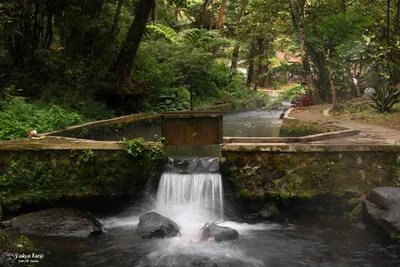
Walk. The area in and around Batu and Selecta is very scenic indeed and lends itself well to casual walking as well as more strenuous treks.
Eat apples. They are everywhere and you can hardly not.
Apples again. This is the country's major apple producing centre and aside from the delicious fresh produce, try:
There are good quality restaurants attached to all of the main hotels.
Unsurprisingly, there are several local variations on apple juice, both pure and laced with different syrups.
While it is not exactly a shopping mecca, there are interesting souvenirs one can take away from Batu.
There are a lot of quite highly priced hotels in Batu these days which were set up to cater for the wealthy local weekend market. If you are visiting Batu on a weekday outside of the school holiday season you'll likely get a good deal at a higher end hotels.
Simpler budget accommodation is also available and if you visit on weekdays without a reservation you will almost certainly find plenty of available options.
It is a 45-minute drive from the centre Malang to Batu and 3 to 4 hours drive from Surabaya to Malang. Using 2 hours train from Surabaya to Malang would be advisable and then take a GrabCar or GoCar for added convenience.
Regular shuttle buses and bemos ply the route, departing from Malang's Landung Sari bus terminal.
The better hotels in the area are open to arranging to collect you from Malang.
Batu gets very crowded at weekends and during school holidays with trippers from Malang and Surabaya. Avoid those periods if possible.
The area lends itself very well to walking. There are regular local bemo services and all of the better hotels offer tours and/or private transport to the main sights. Batu complex becomes bigger due to constructions of newer theme parks and attractions and to visit them all might take 2 or 3 days. Use ride-hailing services such as Gojek and Grab for easier navigation around the area.