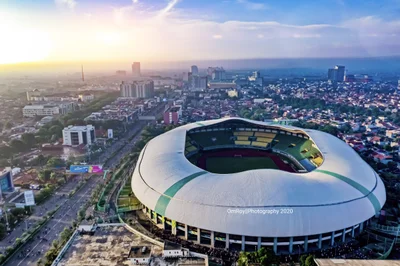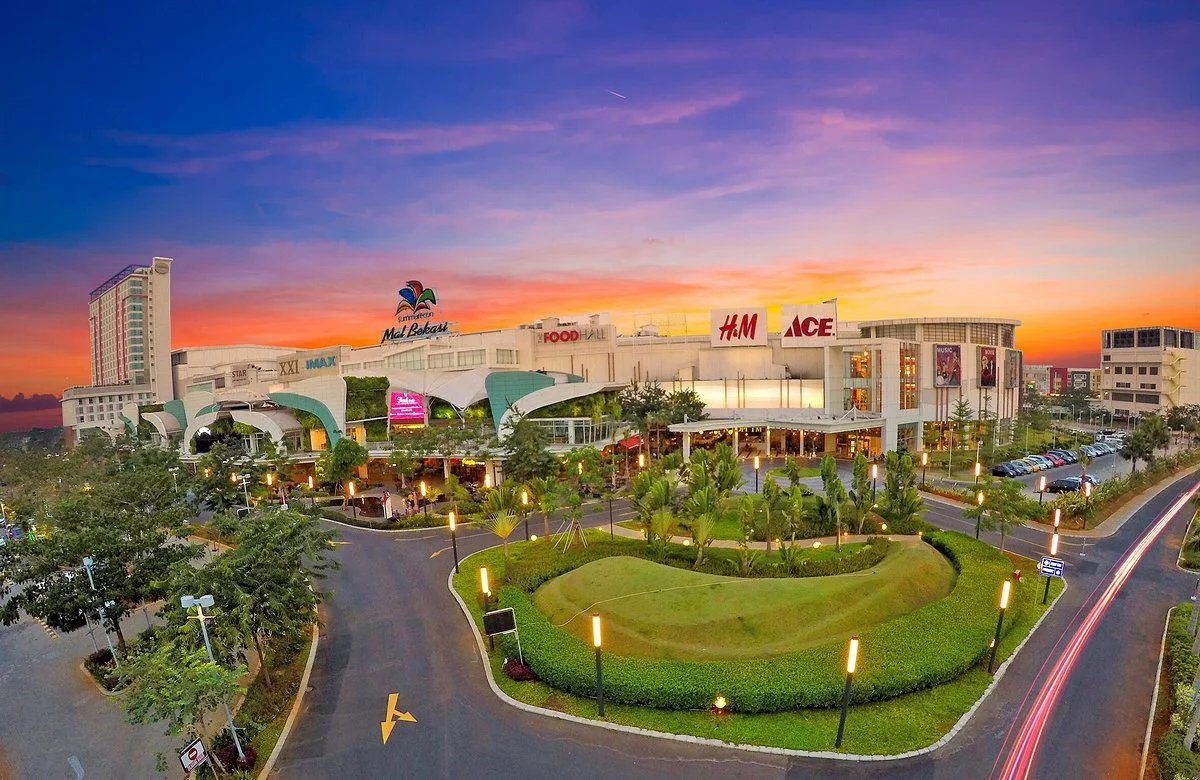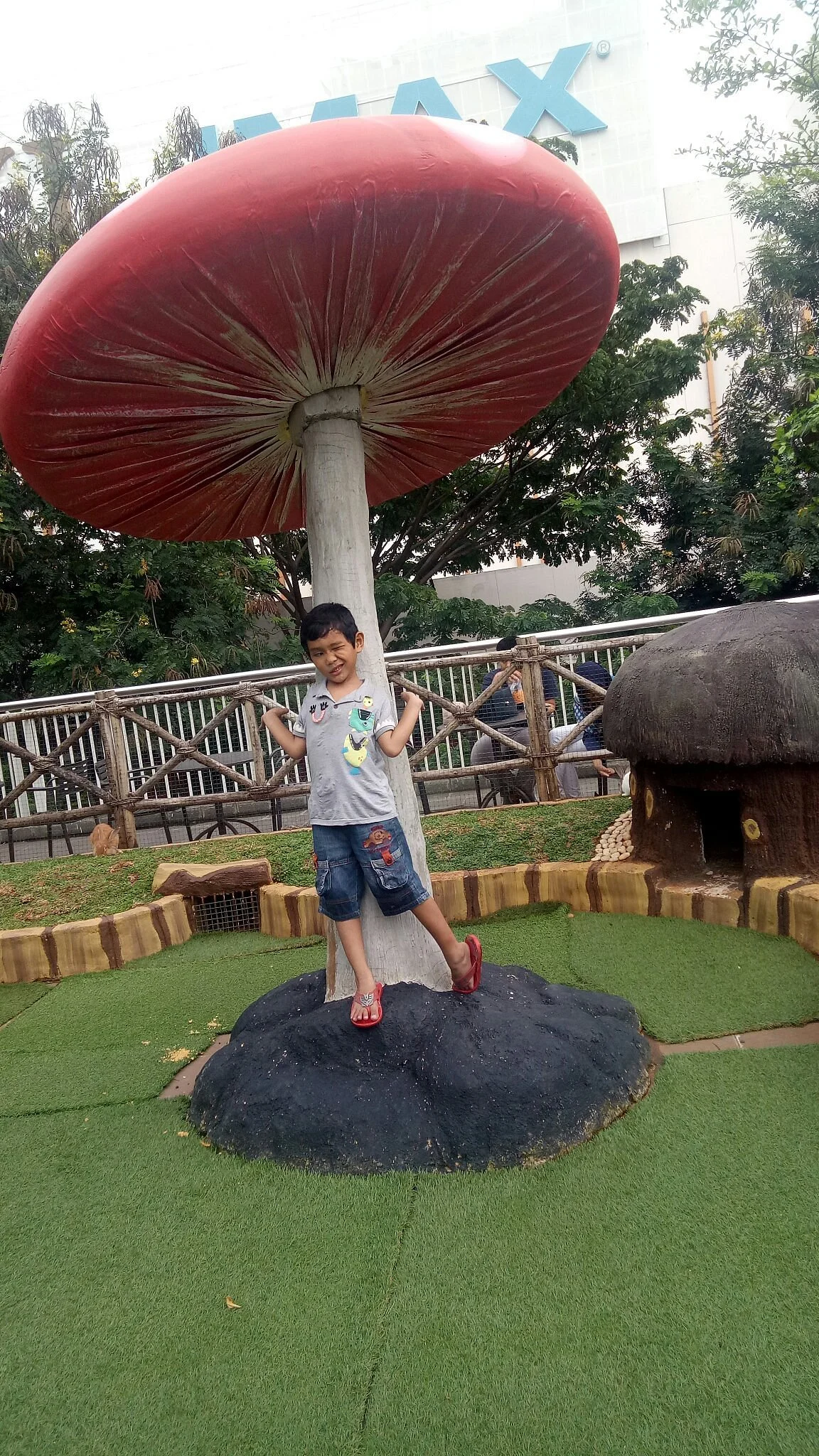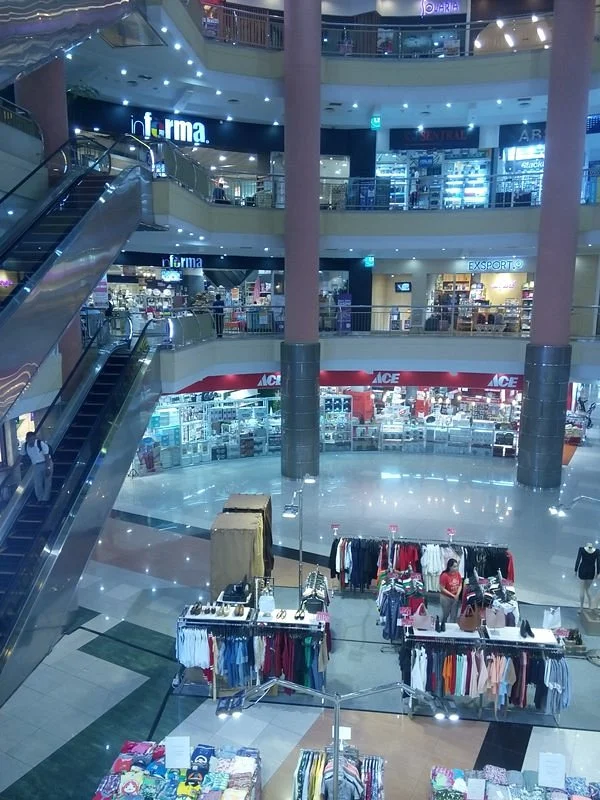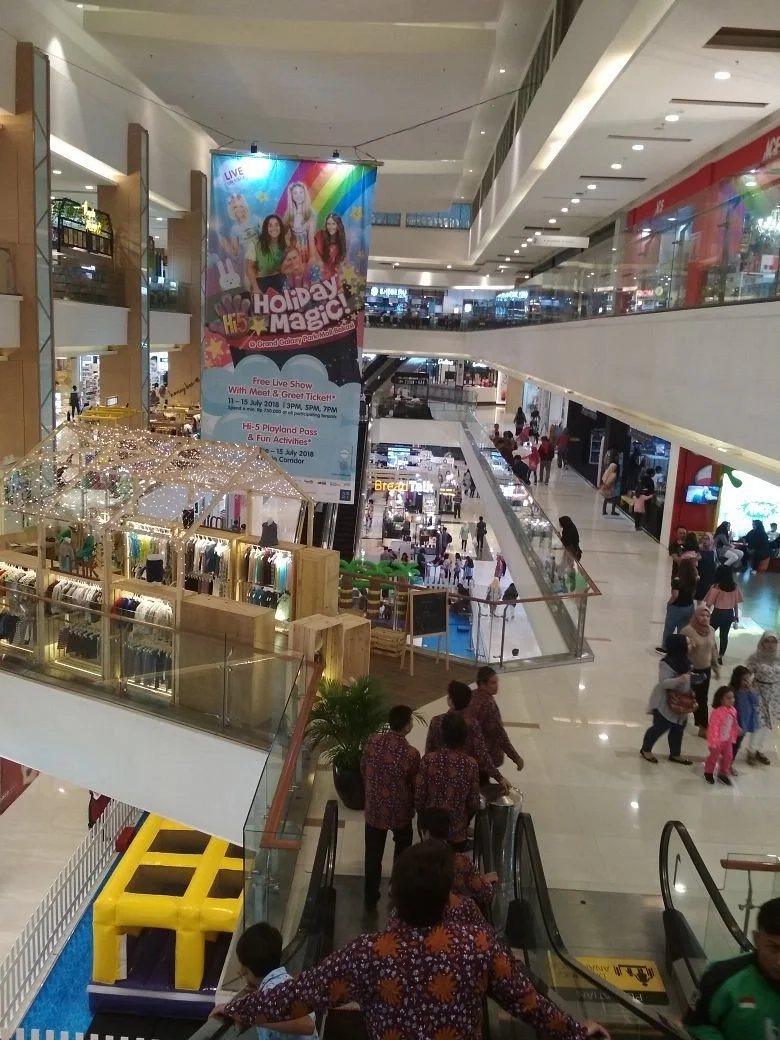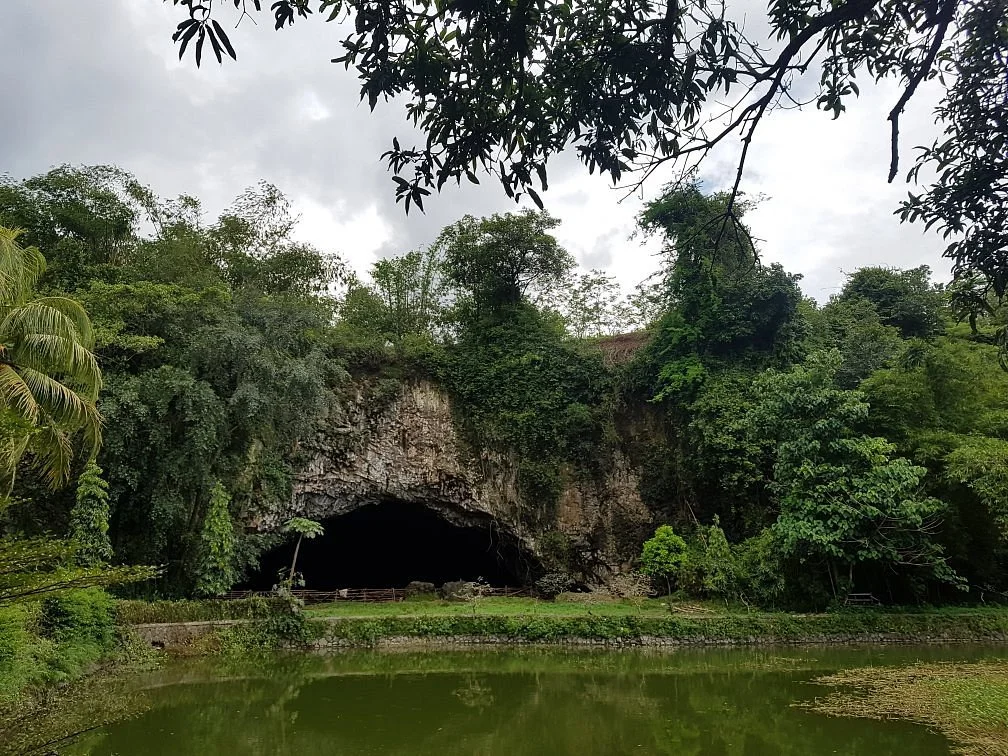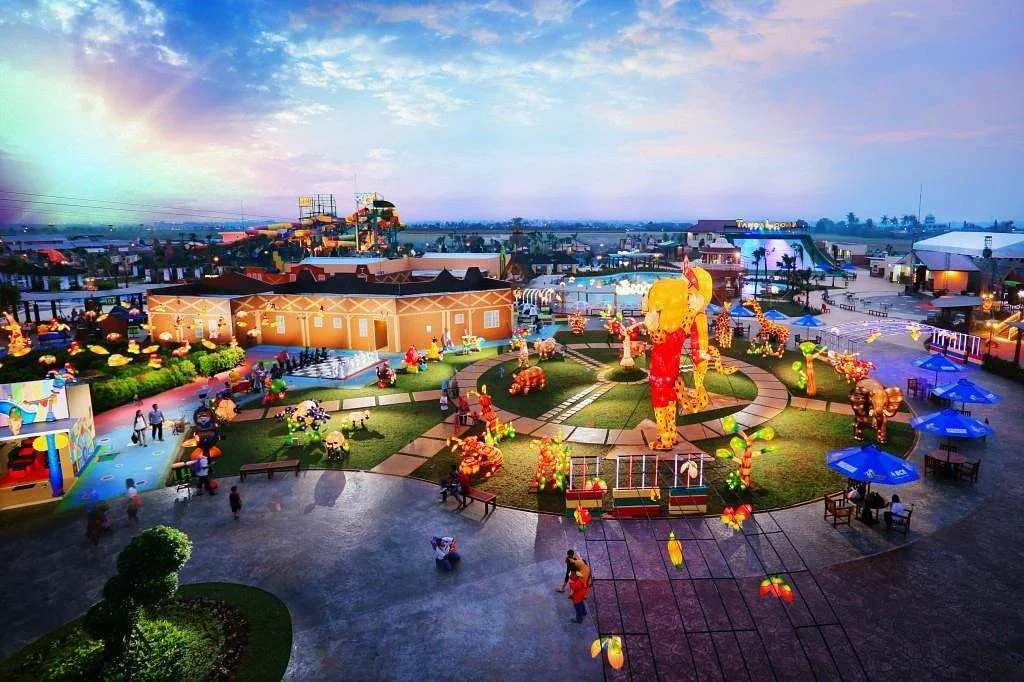
Bekasi (Indonesian pronunciation: [ˈbəkasi], Sundanese: ᮘᮨᮊᮞᮤ) is a city in West Java, Indonesia, located on the eastern border of Jakarta. It serves as a commuter city within the Jakarta metropolitan area. According to the 2020 Census by Statistics Indonesia (BPS), Bekasi had 2,543,676 inhabitants. The official estimate for mid 2023 was 2,627,207 - comprising 1,320,682 males and 1,306,525 females. It lies within the largest metropolitan area in Indonesia (Jabodetabek). The city is bordered by Bekasi Regency (from which the city was separated administratively on 16 December 1996) to the north and the east, Bogor Regency and Depok City to the south, and the city of East Jakarta to the west.
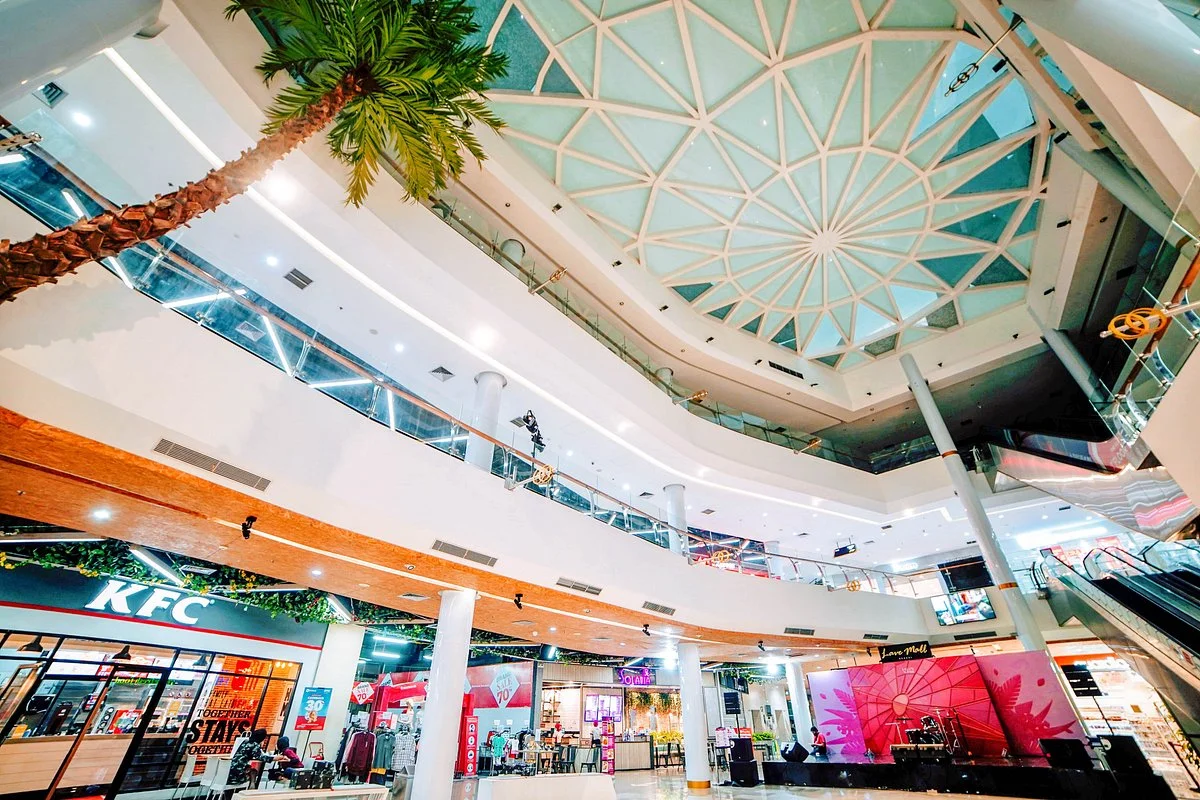
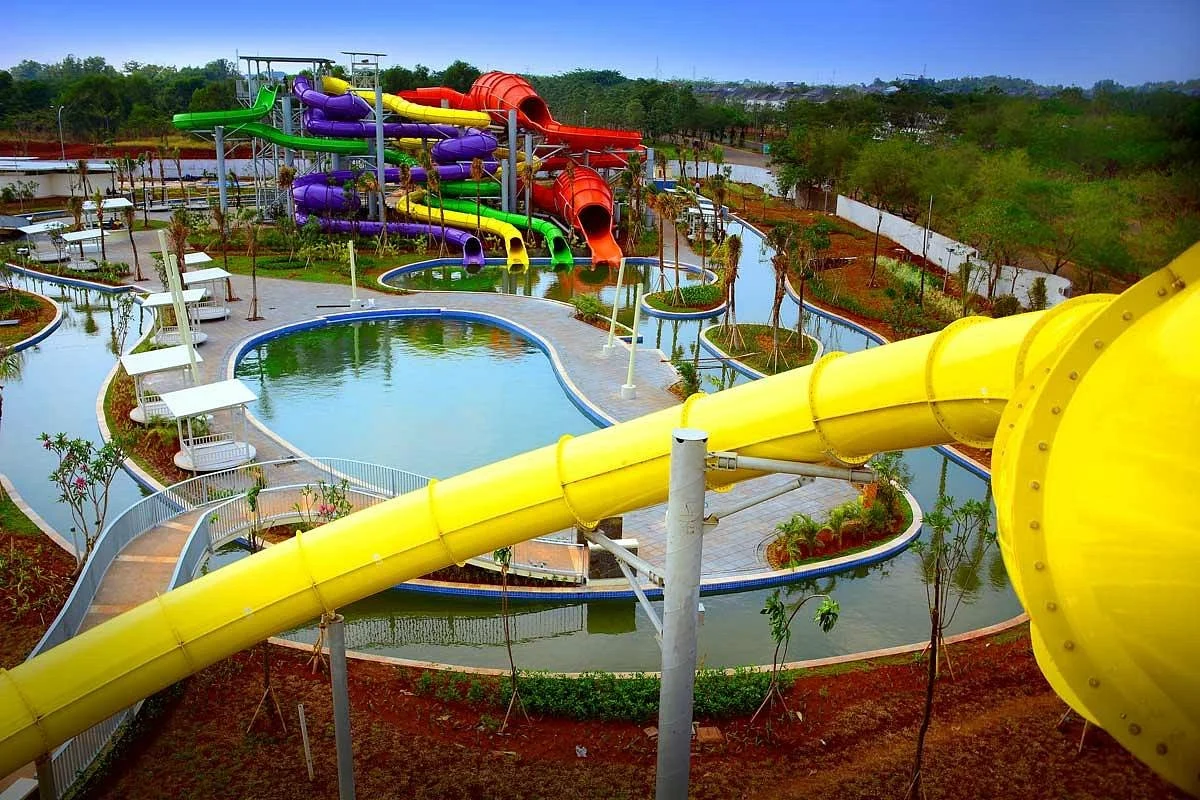
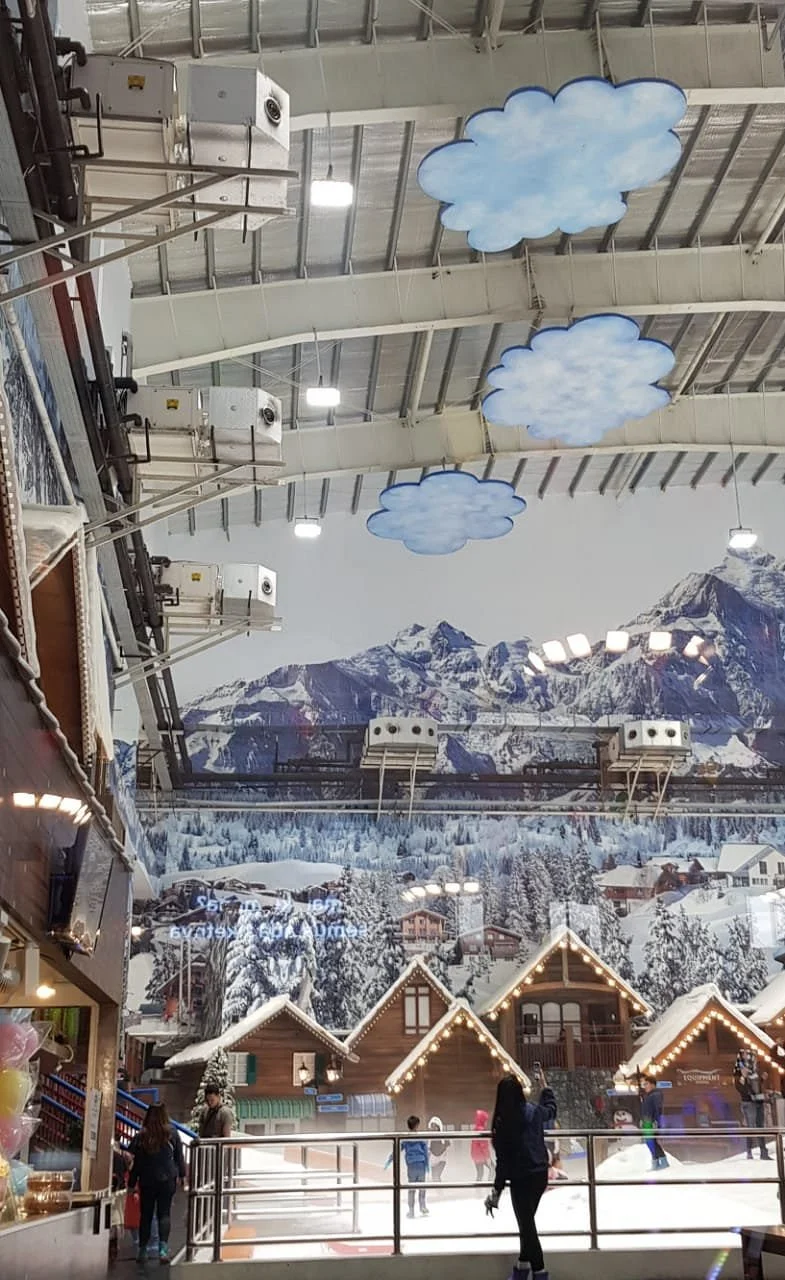
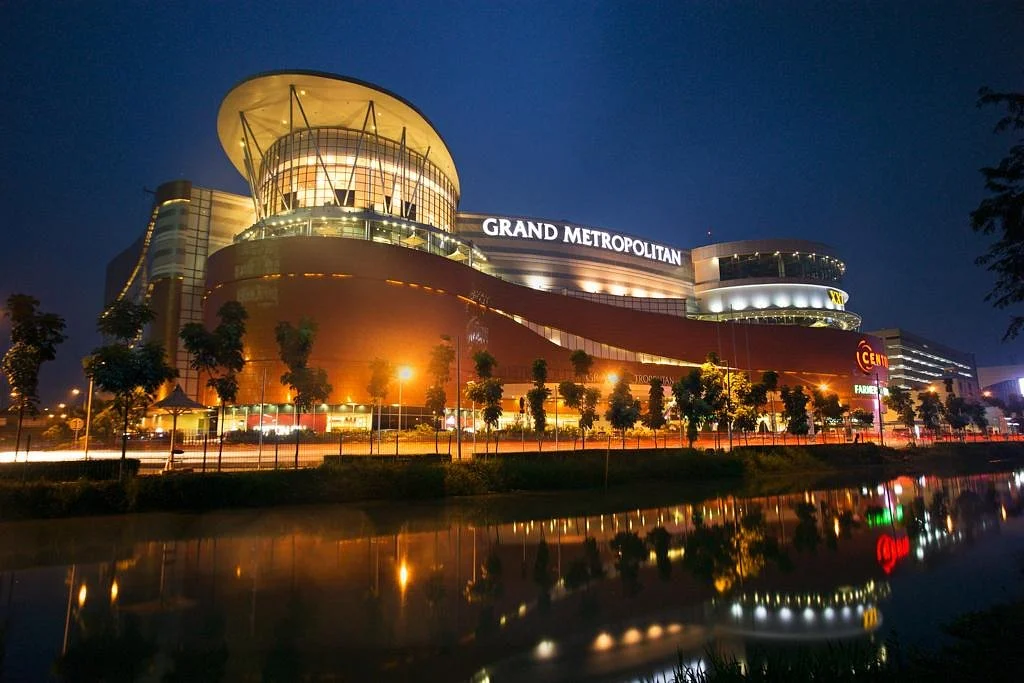
Bekasi is one of the oldest cities in Indonesia, and has a history of being the capital city of the Kingdom of Tarumanagara. At that time, the name of Bekasi was Dayeuh Sundasembawa or Jayagiri. The earliest evidence of its existence dates from the fifth century according to the Tugu inscription, which describes the name of two rivers that run through the city, i.e. Candrabhaga and Gomati and one of those rivers, i.e. Candrabhaga is the origin of the name Bekasi where the name Candrabhaga evolved into "Bhagasasi" - due to the Sanskrit word candra (which means moon) evolved into Old Sundanese word 'sasi' which also means moon - and then the name Bhagasasi was mis-spelt as "Bhagasi", and then the Dutch colonial government also mis-spelt the name Bhagasi as "Bacassie", and finally it became "Bekasi". During the Dutch East Indies period, Bekasi was a part of Batavia residency. As a dormitory city, many middle class satellite areas have been developed in Bekasi, complete with their own shopping malls, schools, hospitals, club houses, water park, and shuttle bus services to central Jakarta. The large number of multinational companies has apparently attracted many expatriates (mainly Japanese and Korean) to settle in Bekasi.
There are lots of roadside restaurants and stalls scattered all over the city, with all kinds of Indonesian food. In all of the shopping malls there is a large selection of restaurants.
=
The easiest way to get around in Bekasi is by taxi. Taxi ranks are available outside the shopping malls and hotels. The main reputable taxi companies of Jakarta, including Blue Bird and Express, also have a branch in Bekasi. Online ride-hailing such as GrabCar and GoCar is also a popular choice for the residents to travel around Bekasi and to/from Jakarta.
Hiring a becak (cycle rickshaw') is a popular way to get around in Bekasi. The price is negotiable, but usually they ask a reasonable fare (Rp10,000) for a ride of a couple of kilometres. For a single traveller, hiring an ojek (motorcycle taxi) through an online ride-hailing app, e.g. Grab and Gojek, is also an effective form of transportation to use in Bekasi.
The cheapest way to get around in Bekasi is, as in the other major Indonesian cities, by minibus (angkot). Angkots follow a fixed route (there are various routes throughout the city), but there is no fixed schedule and there are no fixed stops. To get on, simply raise your hand. To get off, simply shout "Kiri!" to the driver, so he will pull over on the left (Indonesian: kiri) side of the road. The price of an angkot ride within the city is usually about Rp2,000 to 5,000. It is best to ask a local which angkot route to take, and how to recognise the location you want to get off.
No information available