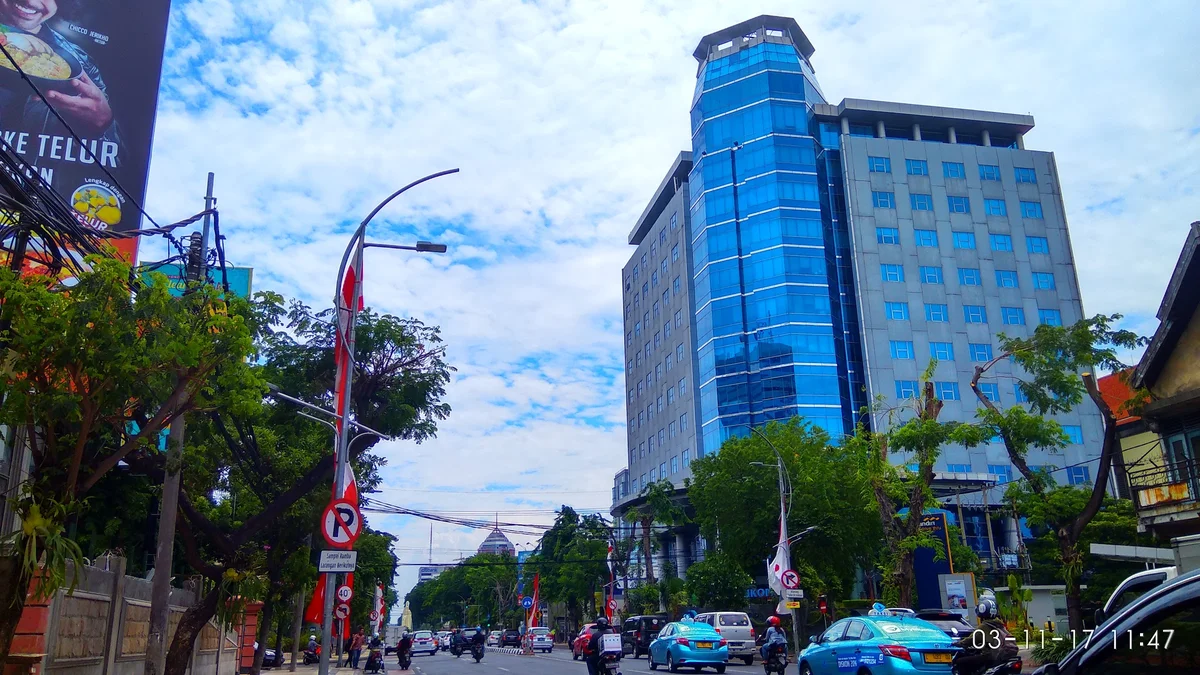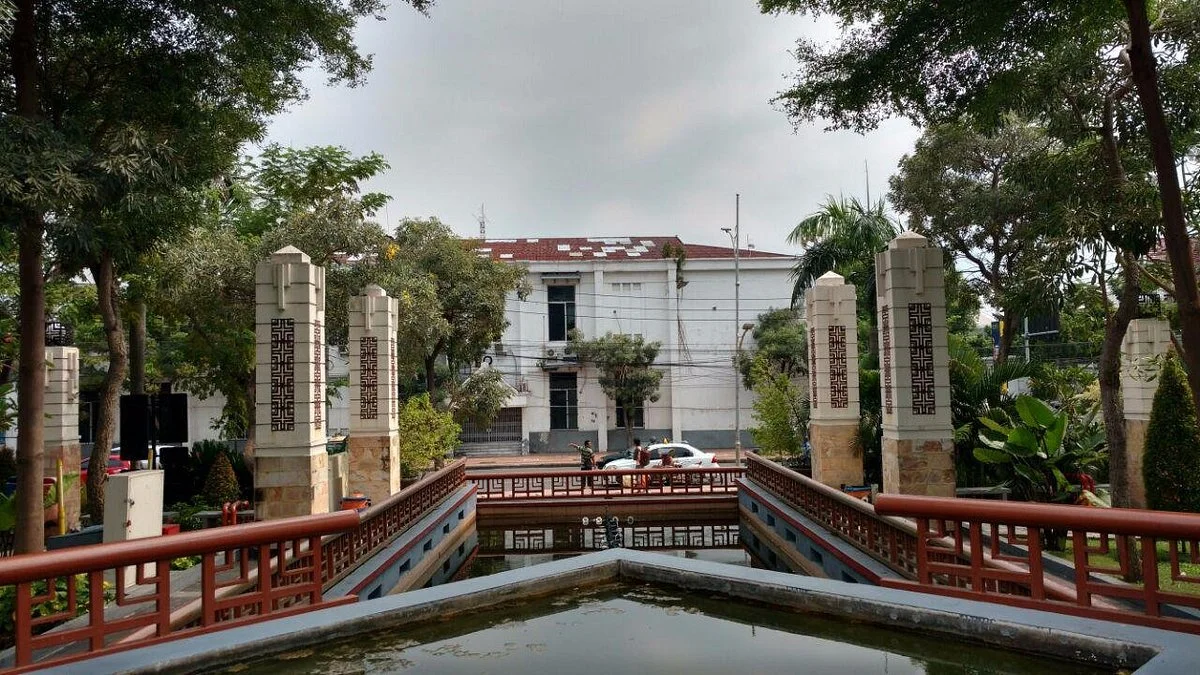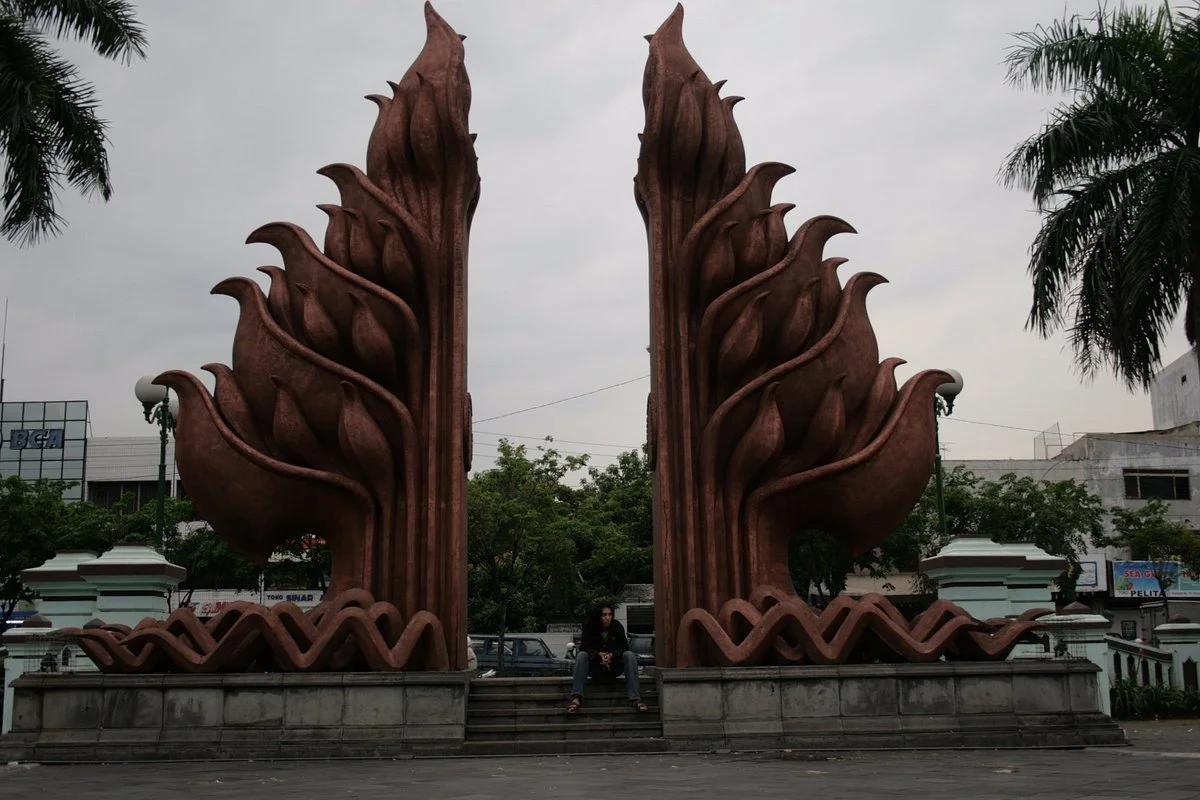
Surabaya (Javanese: ꦱꦸꦫꦧꦪ or ꦯꦹꦫꦨꦪ; pronounced [surɔbɔjɔ]; Indonesian: [suraˈbaja] , Van Ophuijsen Spelling: Soerabaja) is the capital city of the Indonesian province of East Java and the second-largest city in Indonesia, after Jakarta. Located on the northeastern corner of Java island, on the Madura Strait, it is one of the earliest port cities in Southeast Asia. According to the National Development Planning Agency, Surabaya is one of the four main central cities of Indonesia, alongside Jakarta, Medan, and Makassar. The city had a population of 2,874,314 within its city limits at the 2020 census. With 3,009,286 people living in the city as of mid 2023 (comprising 1,490,358 males and 1,518,928 females)
and over 10 million in the extended Surabaya metropolitan area, according to the latest official estimate, Surabaya was the second-largest metropolitan area in Indonesia. Surabaya metropolitan is also ASEAN's 7th largest economy ahead of Hanoi.
The city was settled in the 10th century by the Kingdom of Janggala, one of the two Javanese kingdoms that was formed in 1045 when Airlangga abdicated his throne in favor of his two sons. In the late 15th and 16th centuries, Surabaya grew to be a duchy, a major political and military power as well as a port in eastern Java, probably under the Majapahit empire. At that time, Surabaya was already a major trading port, owing to its location on the River Brantas delta and the trade route between Malacca and the Spice Islands via the Java Sea. During the decline of Majapahit, the lord of Surabaya resisted the rise of the Demak Sultanate and only submitted to its rule in 1530. Surabaya became independent after the death of Sultan Trenggana of Demak in 1546.From the 18th century until the mid-20th century, Surabaya was the largest city in the Dutch East Indies and the main trading hub for the Indonesian archipelago, competing with Shanghai and Hong Kong.The city is referred to as Kota Pahlawan (the city of heroes) due to the significance of the Battle of Surabaya during the Indonesian National Revolution. The city is one of the important financial, commercial, industrial, transportation, and entertainment hubs of the archipelago. Arguably the second most significant city after Jakarta, the city is also home to Indonesia's second-busiest seaport, the Port of Tanjung Perak, which is located in northern Surabaya. The city is also known for being one of the cleanest and greenest in Indonesia.Surabaya has been one of the busiest trading city ports in Asia. Principal exports from the port include sugar, tobacco, and coffee. Its rich history as a trading port has led to a strong financial infrastructure with financial institutions such as banks, insurance, and export-import companies. The economy is influenced by the recent growth in international industries and the completion of the Suramadu Bridge. The city is home to a large shipyard and numerous specialized naval schools. The Bank of Indonesia has also made plans for Surabaya to be the Islamic financial center of Indonesia.
=
, a great place for swimming. It has a wave pool, slides, and more. This waterpark is located in the CitraLand complex. It is usually crowded on Saturdays, Sundays and other holidays. The waterpark is open until 20:00.
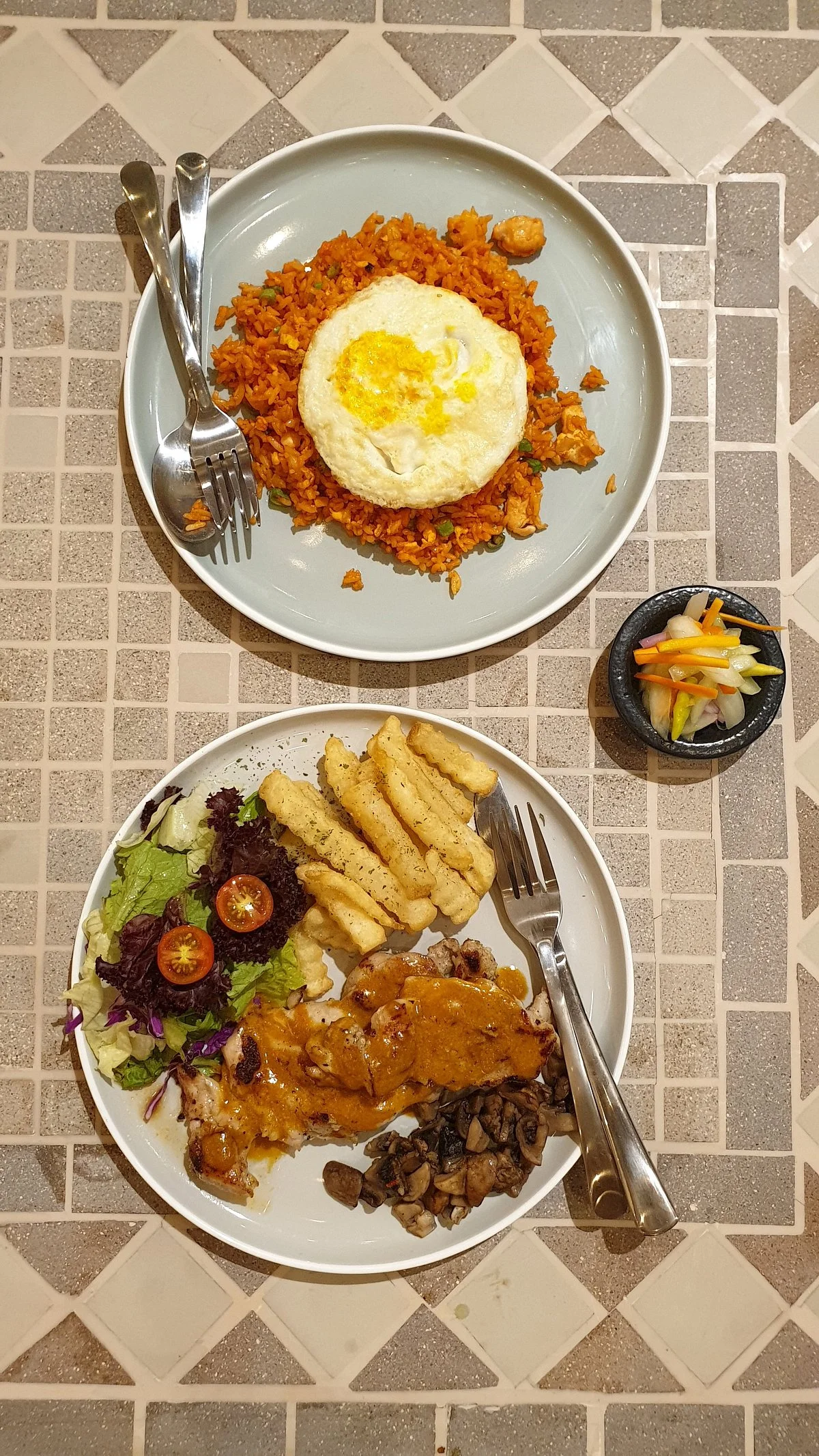
Surabaya is famous for rujak cingur, a local salad with sauce, and cingur (slices of cooked cow nose). Try also the sate klopo, satay with coconut rasp which you can find in Jalan Walikota Mustajab.
Surabaya is home to a huge number of restaurants - this is an eating culture.
Don't forget to try rawon, pecel, gado-gado Surabaya, semanggi, es campur, es teler, and es kacang ijo (mung bean dessert).
Lapis legit Surabaya is the local variety of a cake that's made throughout large parts of Indonesia and Malaysia.
The tap water is unsafe to drink, make sure you order your drinks or soft drinks that come in sealed bottles. One drinking water brand that is pretty well known here is Cheers'', the official drinking water of Surabaya approved by the city government.
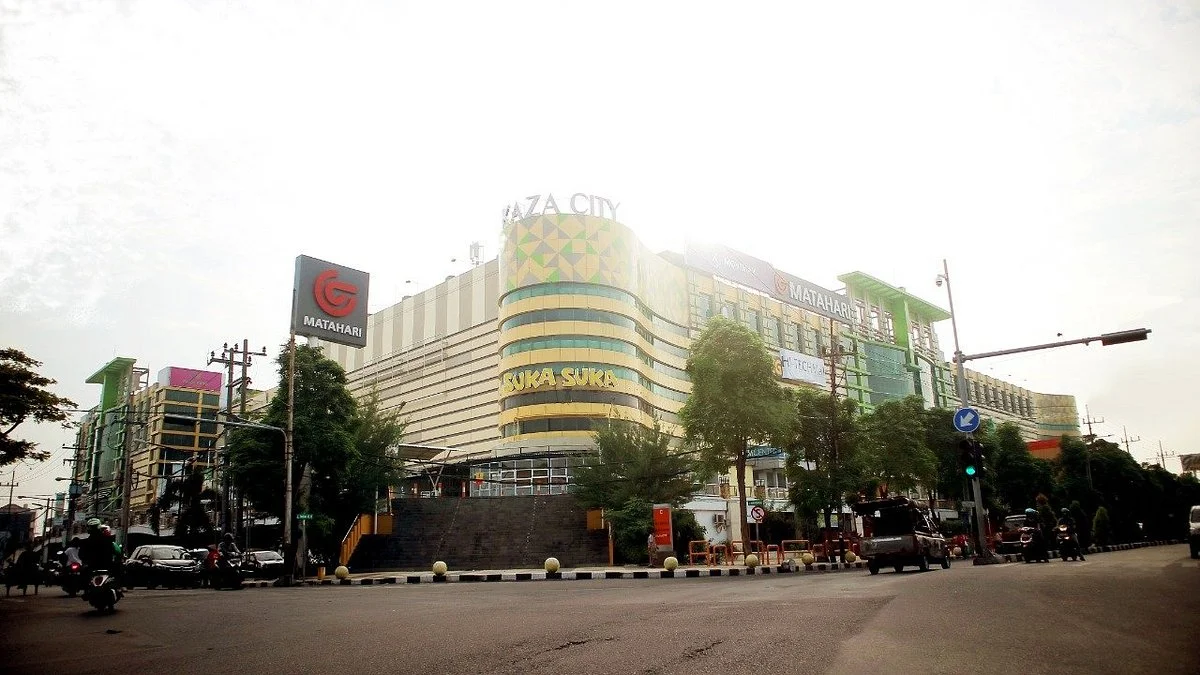
Surabaya boasts some of South-East Asia's largest shopping malls. Try to shop between 1 May and 30 June when the Surabaya big sale is on. Discounts are up to 50% at this time.
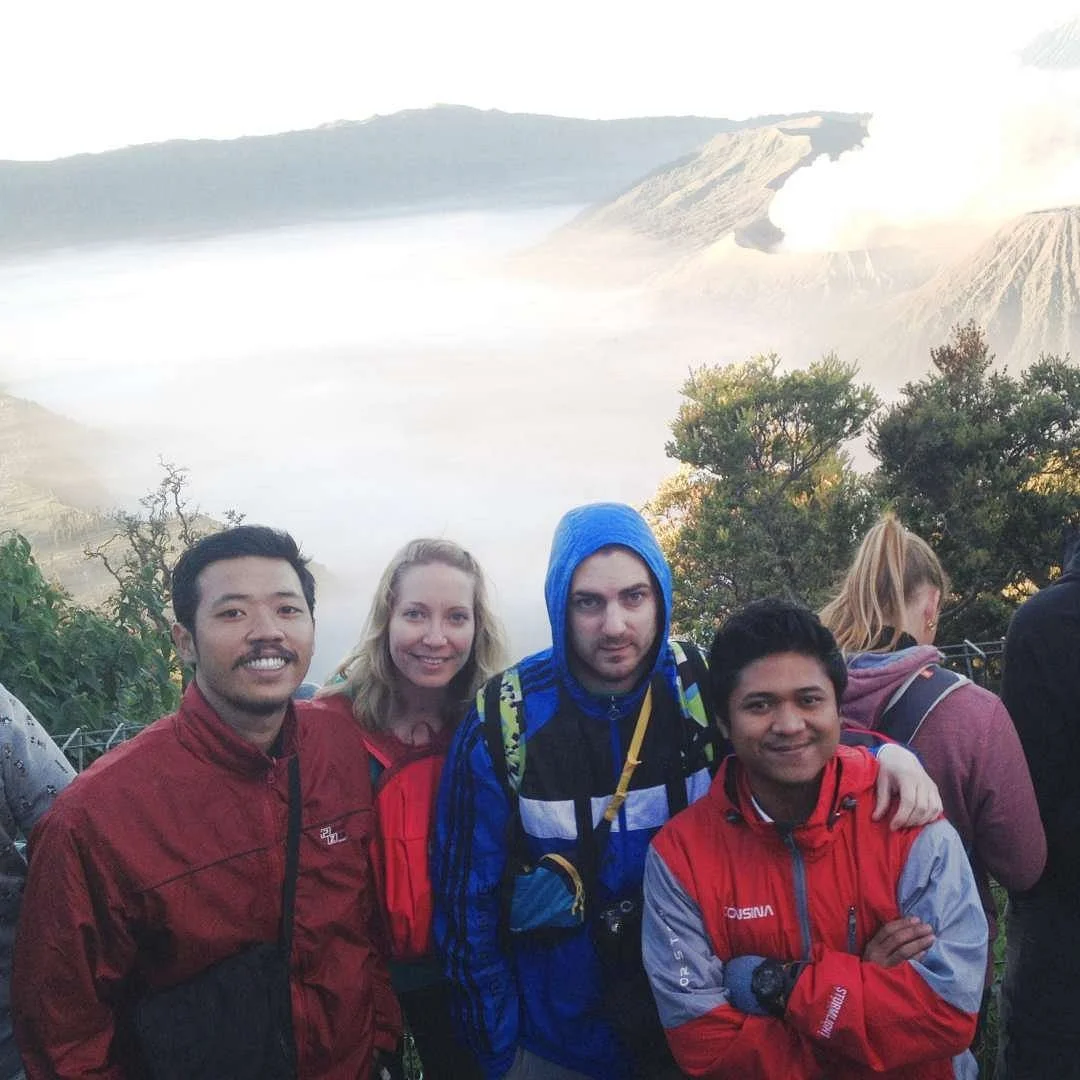
According to folklore, Surabaya's name derives from the Javanese words Suro, meaning shark, and Boyo, meaning crocodile. With over 2 million people, Surabaya is the second-largest city in Indonesia. While many people come for business, Surabaya is also a gateway city for Mount Bromo and Bali. The city's tree-lined streets and renovated pavements will impress those newly arrived from other cities in the archipelago, though in general the city's attractions tend to be more apparent to those who make it their home rather than to short-term visitors. Put in the effort here, and you'll have an authentic, fascinating, unique experience of an Asia that once was: get it while it lasts.