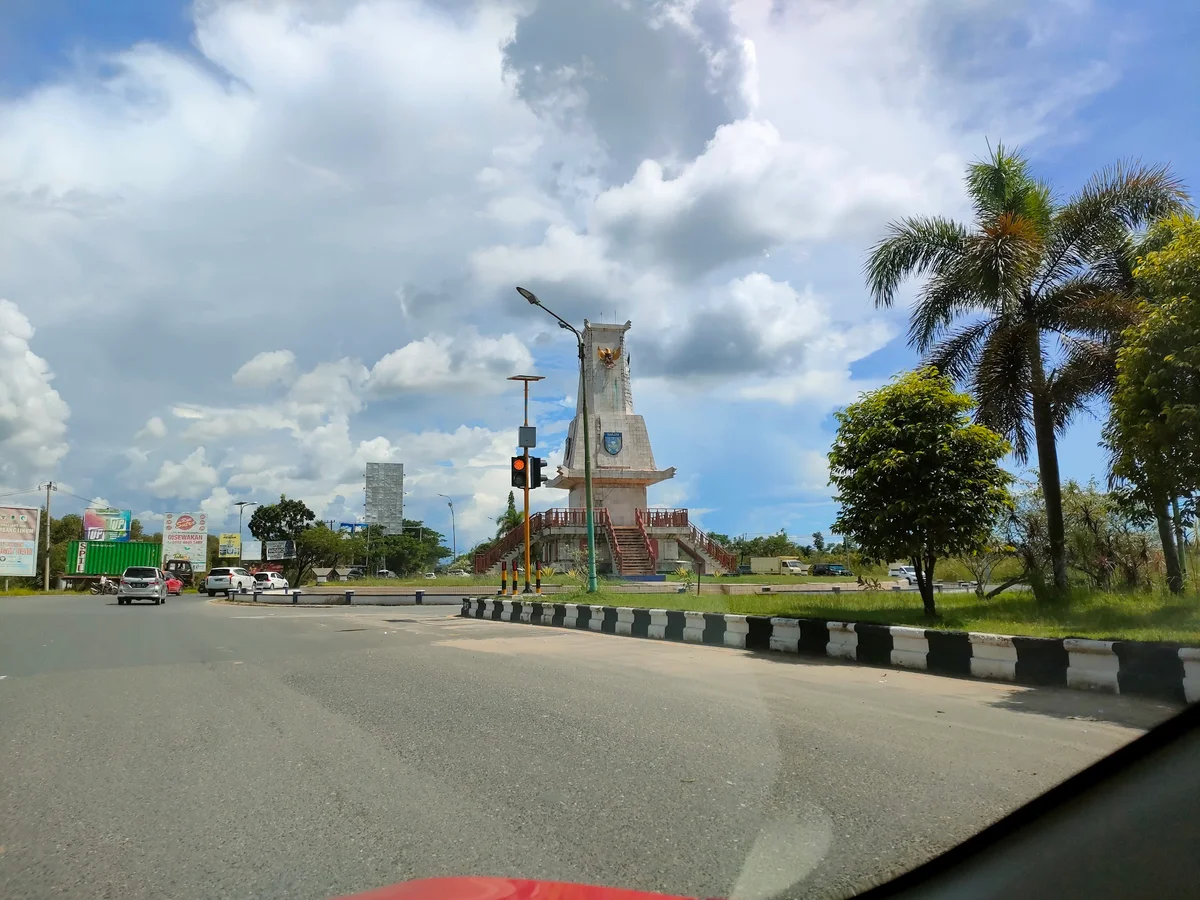
Get around Your best bet would be the metered taxi, insist the driver to use the meter if you have to. Alternatively, you can use “angkot” or “bamikro” or public shuttle microbuses (Rp5,000 per passenger), which are also called “taxi” by the locals. Also available is by "ojek" (motorcity taxi) and "becak" (tricycle rickshaw), that cost around USD2.00-2.50 or Rp15,000 - 20,000 for inner city trips. There are some really old orange-colored "bajaj' (auto rickshaw) on the city streets as well.
Another options is to hire a motor bike. Amelindo Bike Rent offers motorbikes from Rp75,000/day. And for a Rp40,000 service fee, they will bring the motorbike to or pick it from a given address.
With the arrival of "online taxi" transportation services like GoJek/GoCar, and Grab, visitors and locals alike can now get around the city at a much cheaper rate by downloading and using the associated mobile applications. A ride across town in a new car can be as cheap as Rp20,00-25,000. More traditional taxis are comparatively expensive in Banjarmasin (often charging a minimum fee of Rp50,000, even for a ride as short as crossing the street). Make sure you use Indonesian phone number! Good luck.
Read more Eat Banjarese loves their local cuisine. While restaurants, malls, or foodcourts are fine for beginners, to find the real taste of Banjarese food, you might have to join the locals among hidden places on the streets.
• Warung Warteg Pal 2 -, Jl. Ahmad Yani No.92-143. Traditional local streetfood, made with lots of passion. If you like Banjarese food, this is the place to go.
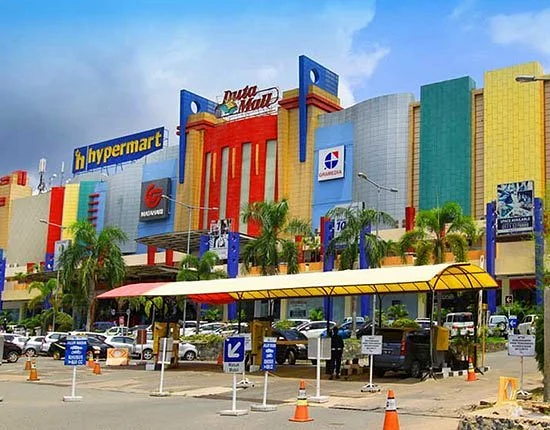
• Food Court at Duta Mall, in the center of town.
Foods that are available throughout the year and are very popular with the locals:
• Soto Banjar - "Soto" is a type of Indonesian soup. Soto Banjar is a uniquely Banjarese variant of Soto, popular in other places throughout in Indonesia. Don't miss the chance to try the real and genuine taste in its place of origin! Soto in Banjar is uniquely served with lontong (rice cakes).
• Apam Barabai - like a pancake turnover. the Apam here has its own twist. Enjoy it sweet and warm, accompanied by tea.
• Bingka - tapioca cake, a specialty of Banjarese, it comes in many flavours. The pride of the Banjarese people, it's very sweet and creamy.
• Ketupat Kandangan - another rice cake recipe. It's actually a specialty of Kandangan, but you can also find it in Banjarmasin. Known as a festive food, especially favored during Eid al Fitr.
• Klepon buntut - similar to klepon palm sugar filled snacks coated with grated coconut found across Java, however, this one has a smoother texture and the filling is more liquidy.
• Nasi kuning Banjar - rice dish made with turmeric and coconut milk, quite tasty. Specially side dish of nasi kuning banjar is ikan haruan masak habang (snakehead fish cooked in traditional Banjarese red sauce).
• Mie bancir - red noodle dish with chicken and boiled duck egg in gravy.
In the month of Ramadan, the Banjarese go all out with their traditional delicacies. Heaps of wadai (traditional cakes) and other treats mostly unavailable throughout the year will suddenly appears in Ramadhan. Though most travel guides won't suggest you to travel during the month of Ramadhan in Indonesia, it's an amazing experience to see the emergence of many "Pasar Wadai" (Cakes Market) all over the city, with treats such as:
• Amparan Tatak - banana pudding, very sweet and creamy with coconut milk.
• Bingka Barandam - although named "bingka", it doesn't taste that way, more like a cupcake soaked in sweet syrup.
• Puracit - Banjarese pancake
If you have an interest to find tropical fruit there's one new agrotourism area near Banjarmasin, it's named Meek Farm in Banjarbaru. There, you can find and try some original tropical fruit that might be hard to find in another place like durian, avocado, keledang, and some kind of Kalimantan local mango and there is a restaurant too. the restaurant serves only Indonesian traditional food.
Also, you may try fruit agrotourism by wooden boat on the Gampa River area of Banjarmasin. There is a farm of rambutan, mangosteen, rambai, cempedak, langsat, kecapi, and so on.
Read more Do =
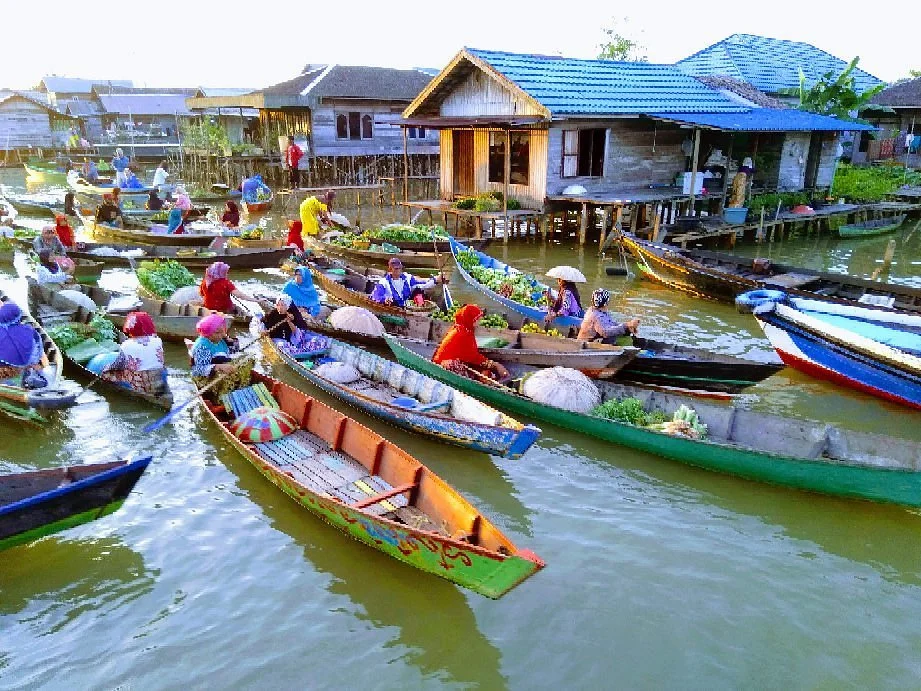
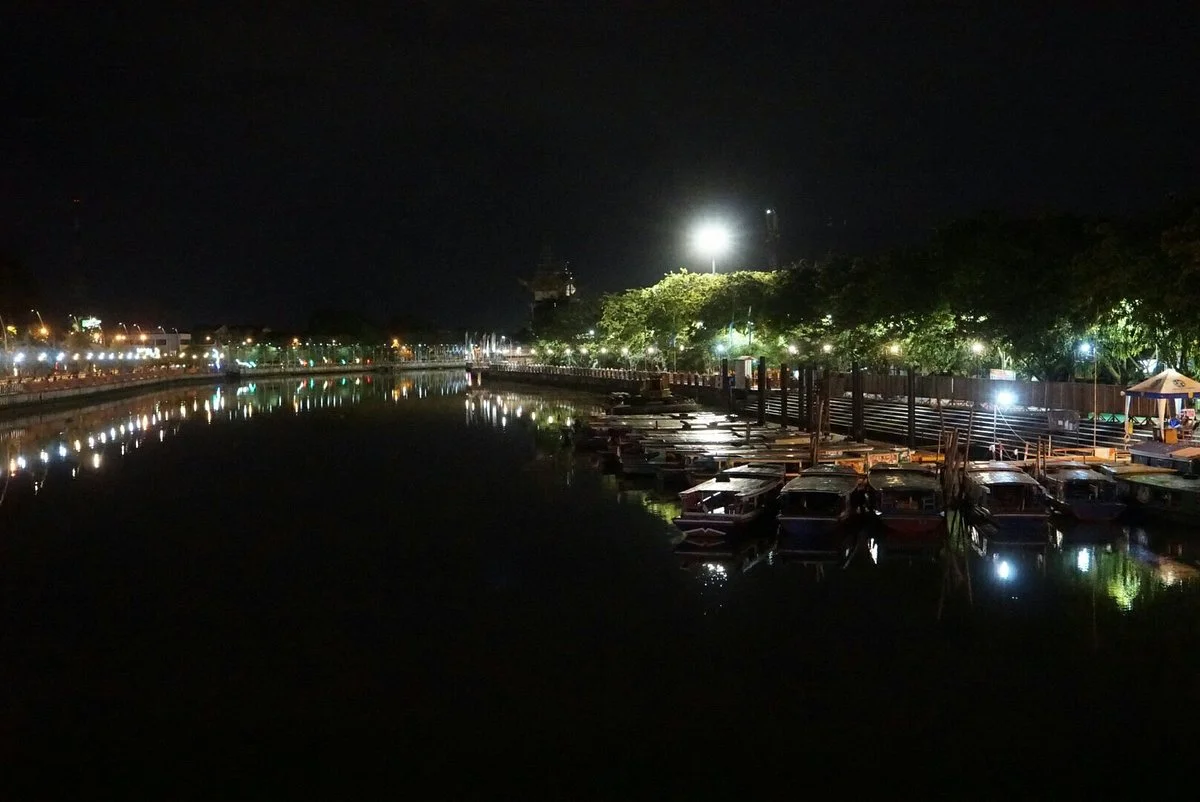
There are many destination or ways for canal trips, for example along the Kelayan River or thr Kuin River.
• Pulau Kembang (lit. Flower Island) - visit the long-tailed macaques at the decrepit Chinese temple, 20 minutes by boat. You can buy nuts to feed them. The monkeys are quite aggressive if you have food and will try to steal it from you. There is an entrance fee of Rp 150,000 and on Sunday it is Rp 250,000 (prices correct as of January 2018).
• Pulau Kaget (lit. Surprised Island) - see the proboscis monkey (Nasalis larvatus), the mascot fauna of South Kalimantan. No guarantee you will have a good look at them, though, as they are really shy.
• Pulau Bakut Island under the bridge, here there is ɑlso proboscis monkey. Rp 600,000, which can be haggled down (price correct as of January 2018). You don't go onto the island but you can see from the monkeys from the boat.
To reach these islands, you will need to employ a local to take you by boat, "ketolok" (small motor boat), or other. Ask around and negotiate a price.
Read more Drink One should try the Banjarese tea, which is somewhat different with the teas found elsewhere in Indonesia.
It is a strongly Muslim area, so don't expect to find alcohol outside large hotels.
Read more