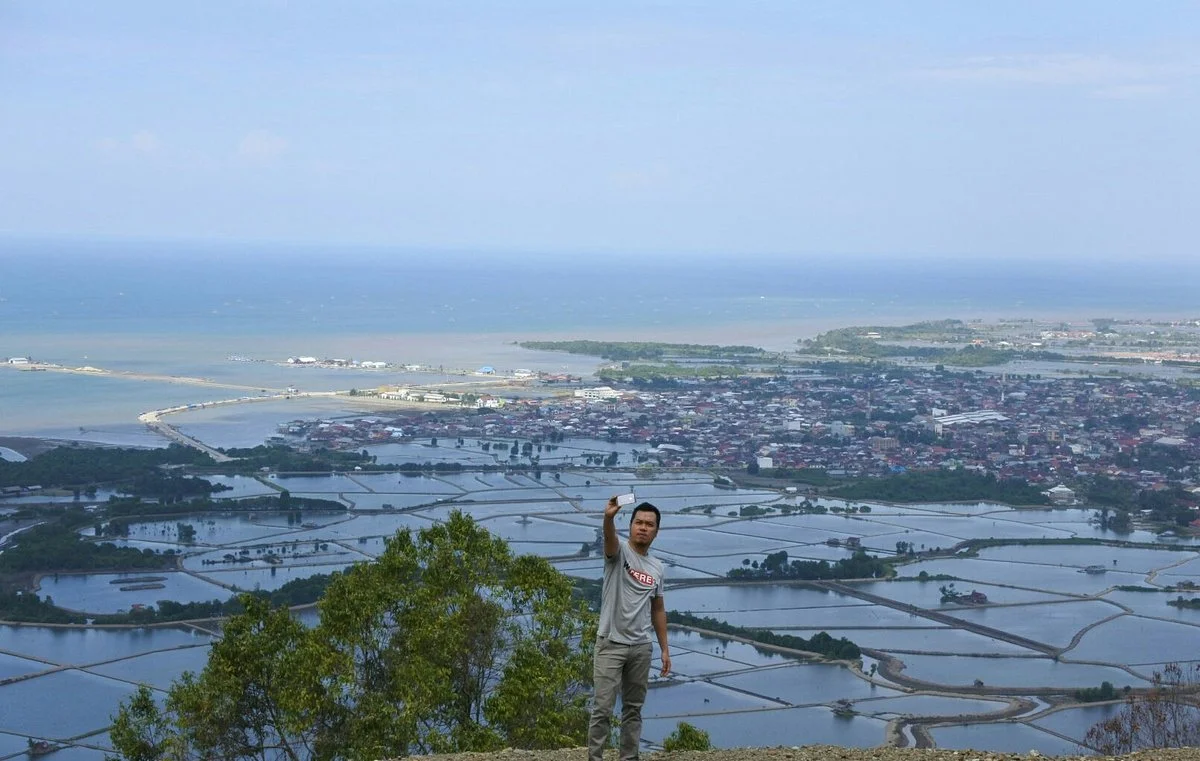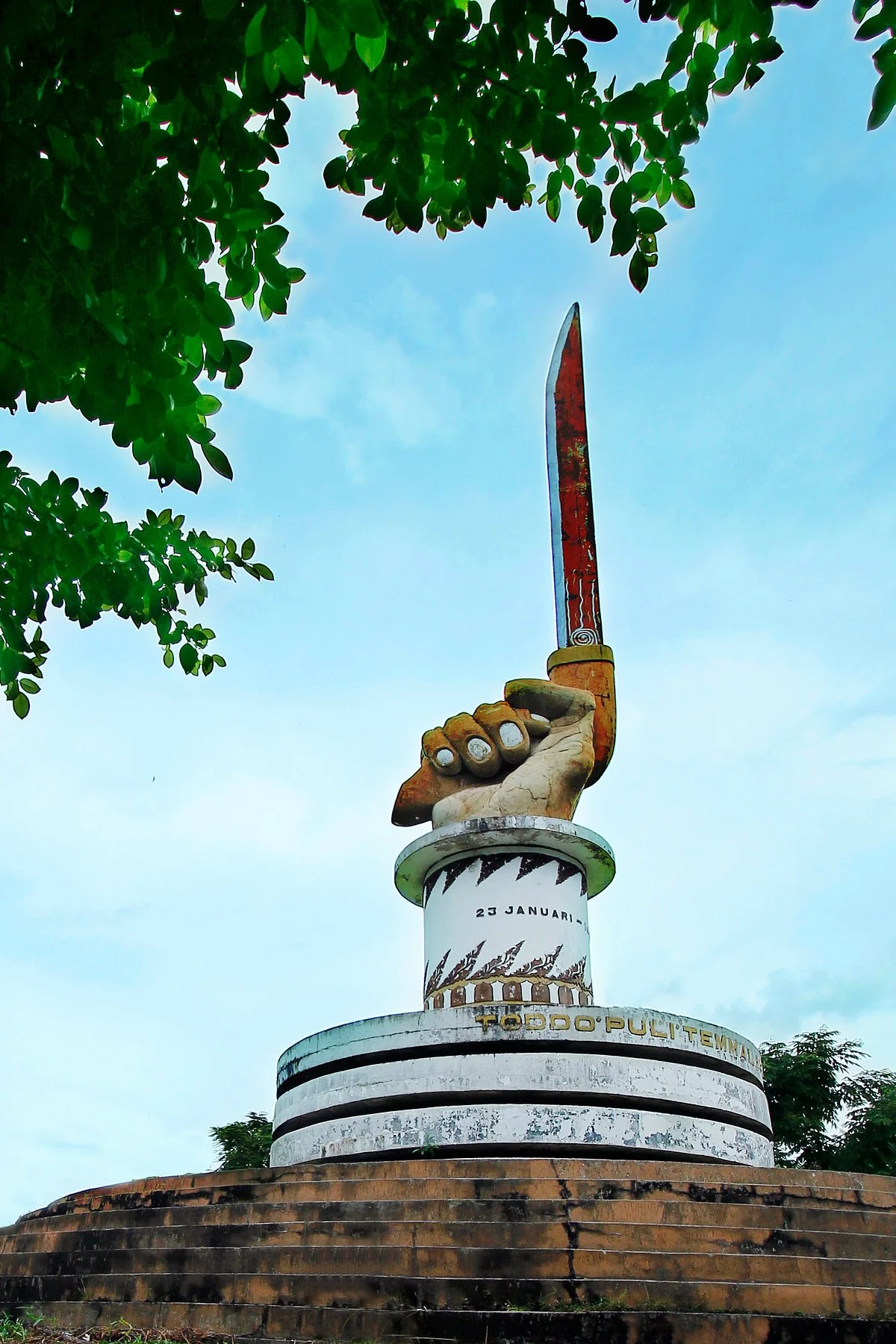
Palopo or Kota Palopo is a city located in South Sulawesi, Indonesia, and the second-largest city in the province. Until it acquired its autonomy on 10 April 2002, Palopo was the capital of Luwu Regency. The area of the city is 247.52 km2, and it had a population of 148,033 at the 2010 Census and 184,681 at the 2020 Census, comprising 92,444 males and 92,237 females. The official estimate as at mid 2022 was 190,867 (comprising 95,562 males and 95,305 females).
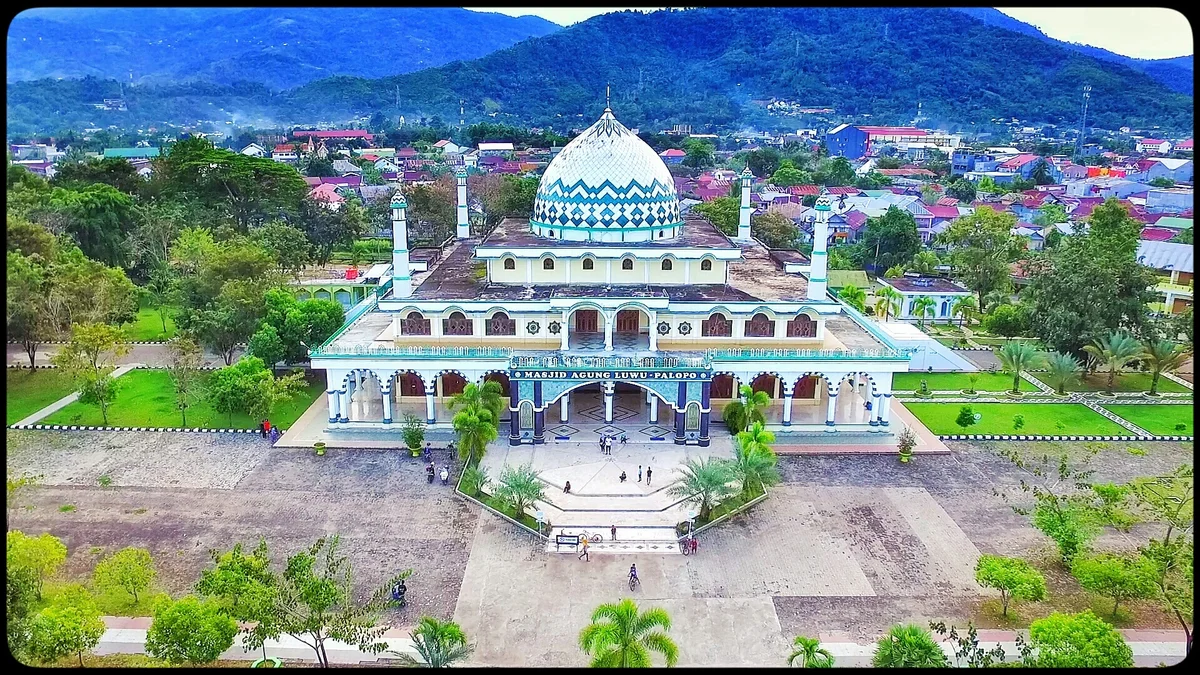
The largest and most famous mosque in Palopo is the Great Mosque (Mesjid Agung), which can be seen from as far as Golf Gaspa. Famous churches for Protestants include Maranatha Church Pattene on Jl. Veteran, the Assemblies of God Church (Church of the Assemblies of God Jemmaat) on Jl. Pongsimpin, and the Pniel Church around Gaspa Field, which is the most famous. There is a Catholic Church around the Morning Market.
The Bugis are famous throughout Indonesia and beyond for their food, especially their fish and seafood dishes.
There is a local market worth visiting if you are in town.
Palopo is a city of some 185,000 inhabitants (2010) on the edge of the Gulf of Bone and at the foot of the Wallacea mountain ranges.
The city is also well-known in the area as the birthplace of one the world's longest literary works, La Galigo, the epic creation myth of the Bugis, a traditionally seafaring tribe native to South Sulawesi whose prowess as mariners, pirates, warriors and traders was feared and respected throughout Southeast Asia.