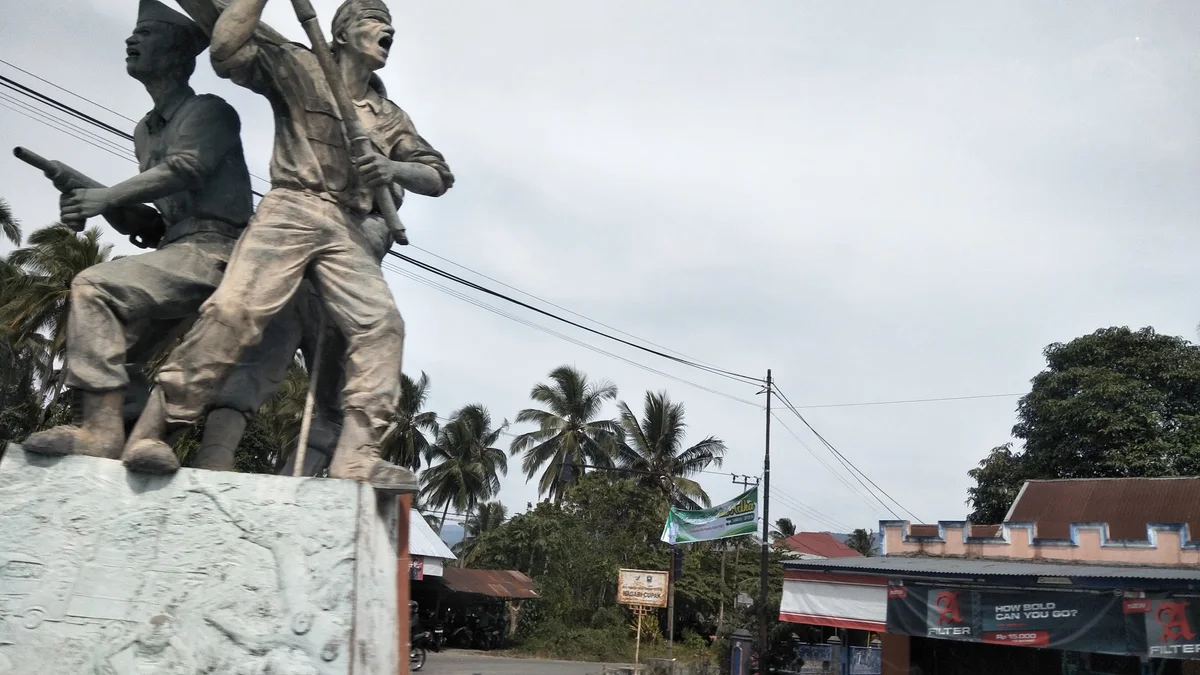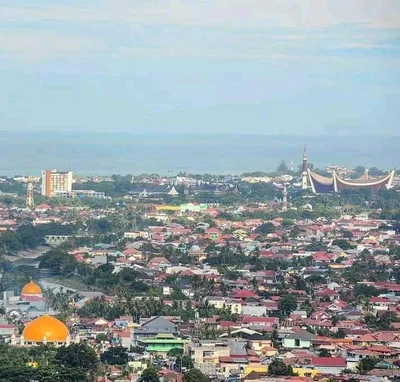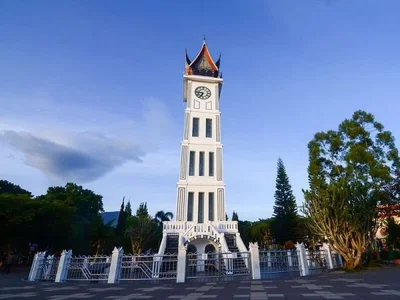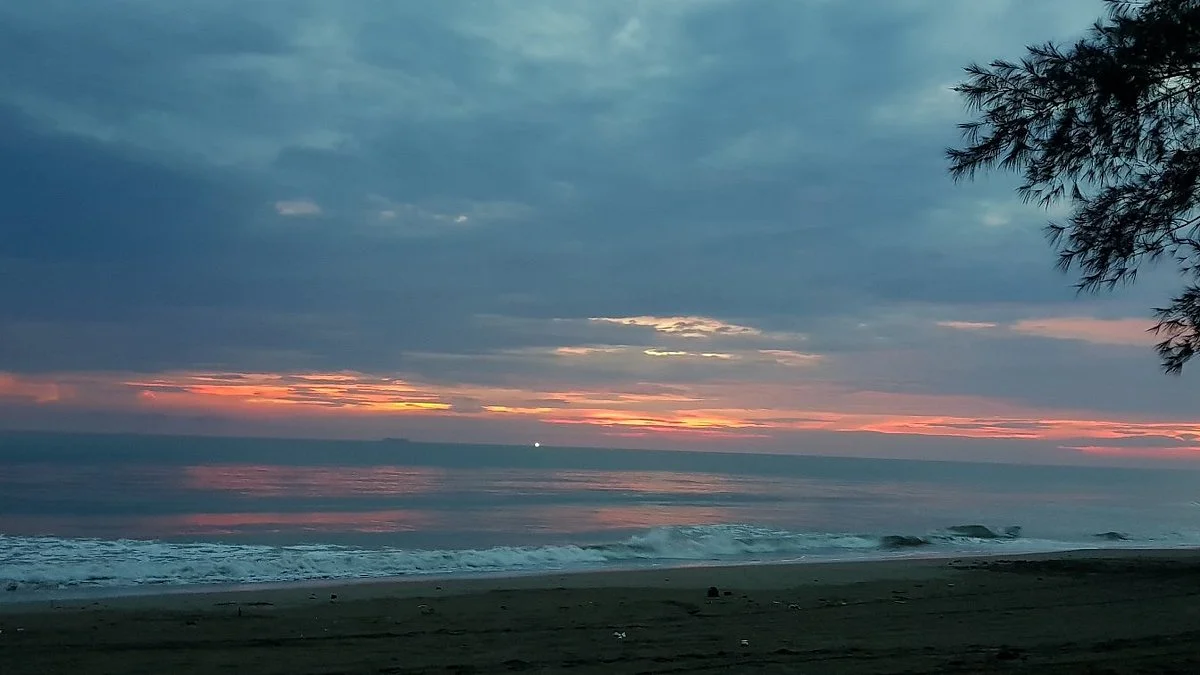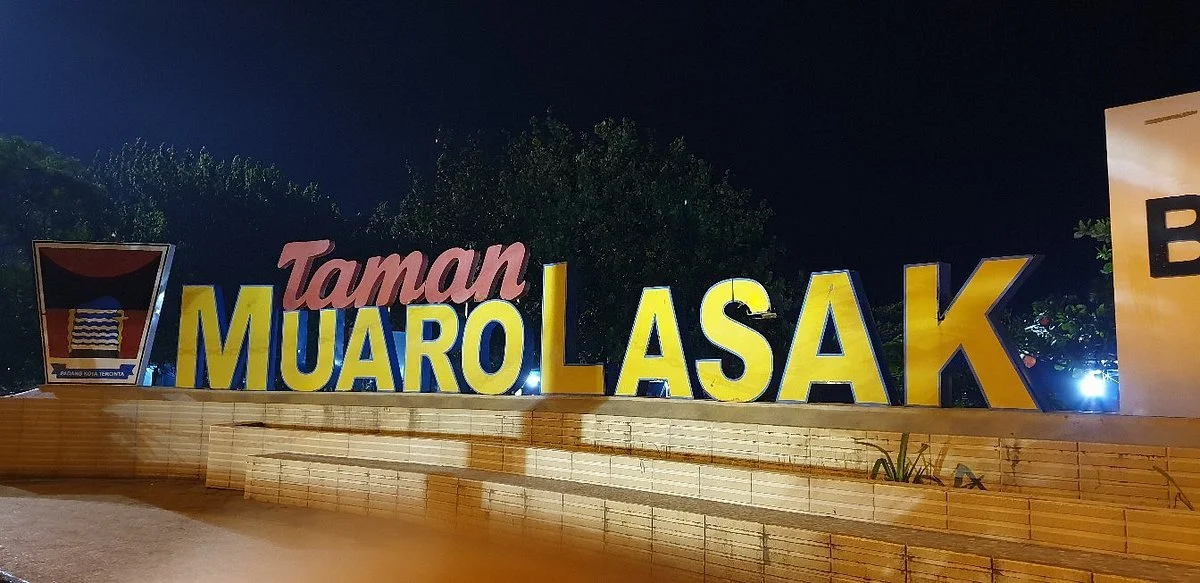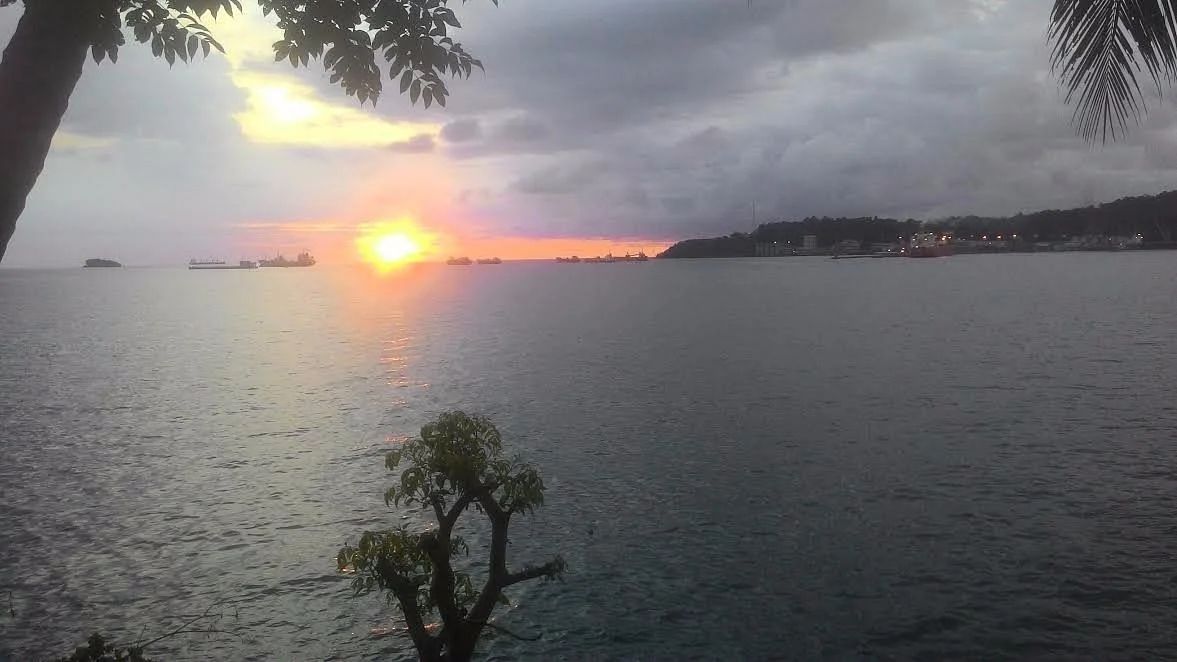
Padang (Indonesian pronunciation: [ˈpadaŋ]) is the capital and largest city of the Indonesian province of West Sumatra. It had a population of 833,562 at the 2010 Census and 909,040 at the 2020 Census; the official estimate as at mid 2022 was 919,145 - comprising 461,712 males and 457,433 females. It is the 16th most populous city in Indonesia and the most populous city on the west coast of Sumatra. The Padang metropolitan area is the third most populous metropolitan area in Sumatra with a population of over 1.4 million. Padang is widely known for its Minangkabau culture, cuisine, and sunset beaches.
The city had historically been a trading center since the pre-colonial era, in both pepper and gold. The Dutch made contact with the city in the mid 17th century, eventually constructing a fortress and taking over control of the city from the Pagaruyung Kingdom. Save for several interruptions of British rule, Padang remained part of the Dutch East Indies as one of its major cities until Indonesian independence. In 1906, Padang, along with Palembang, became the first populated places in Sumatra to achieve city status (gemeente).
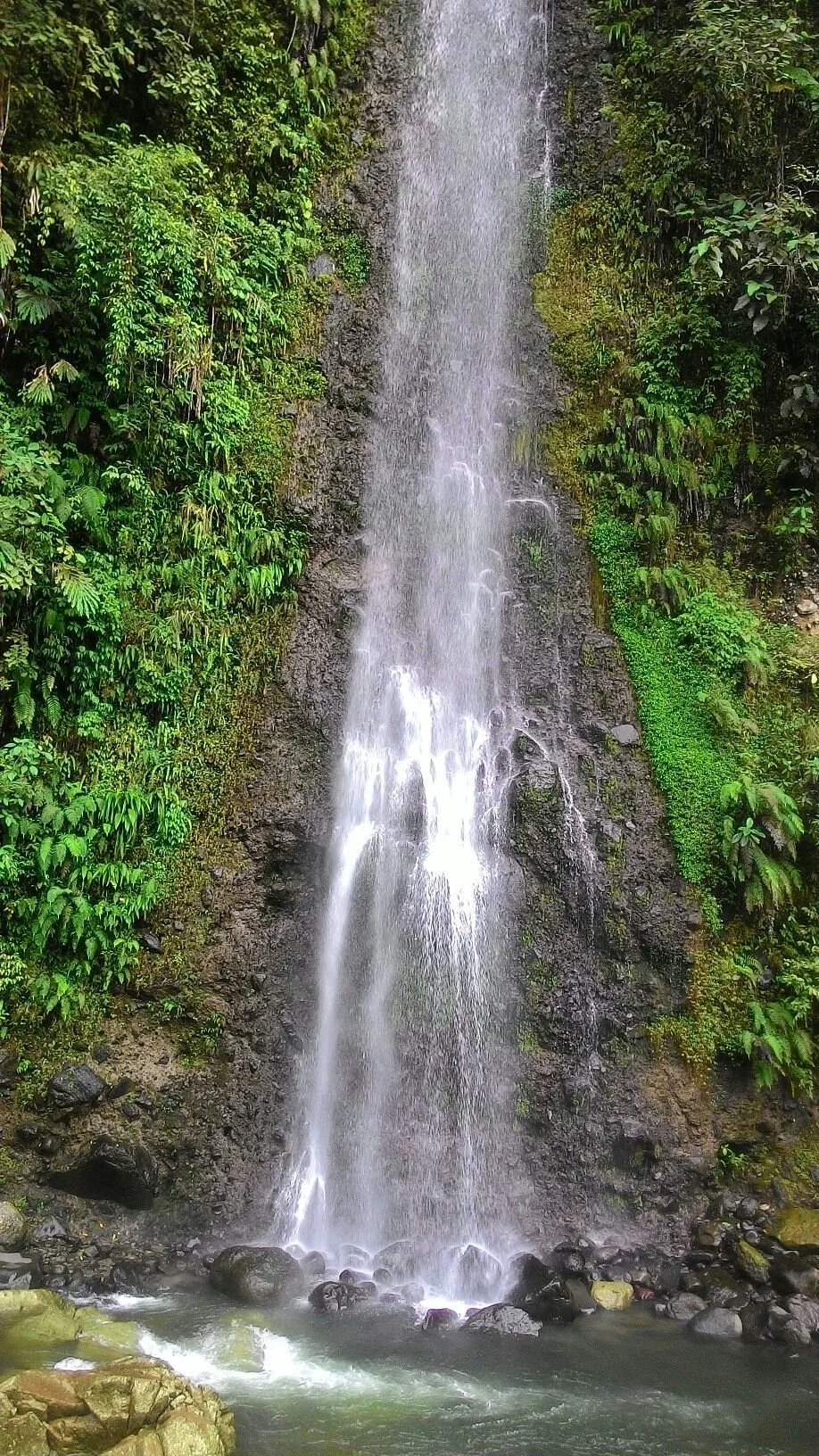
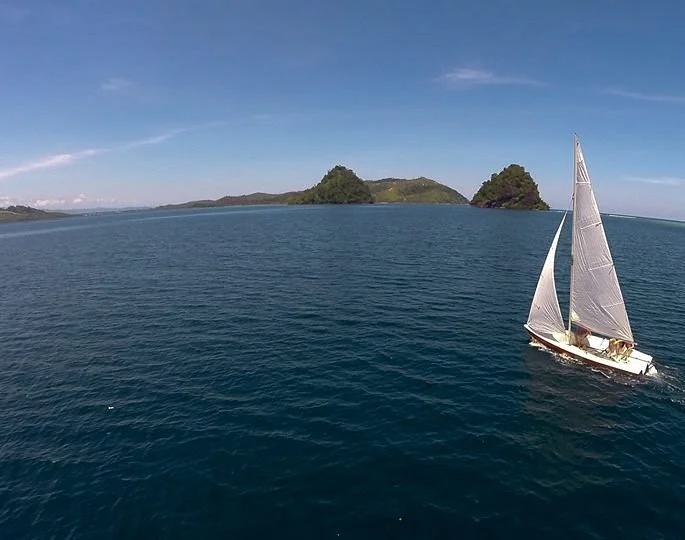
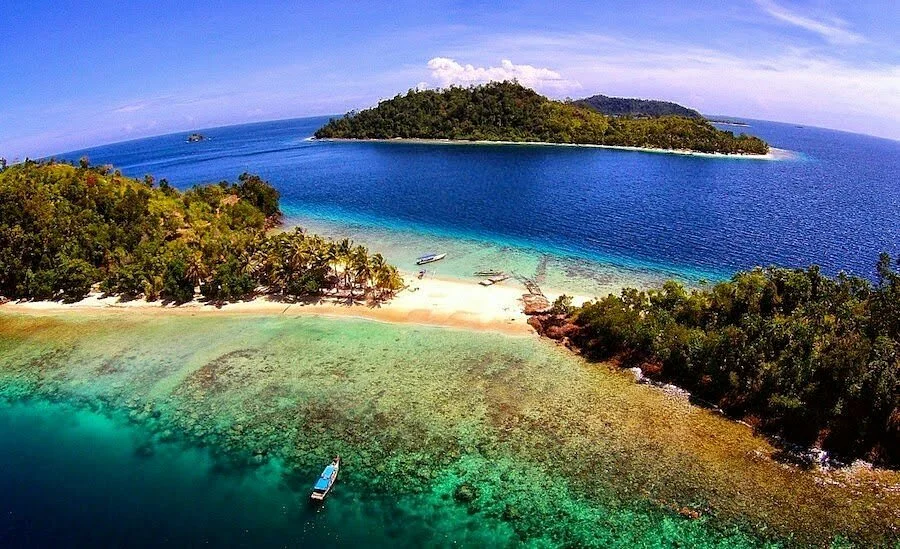
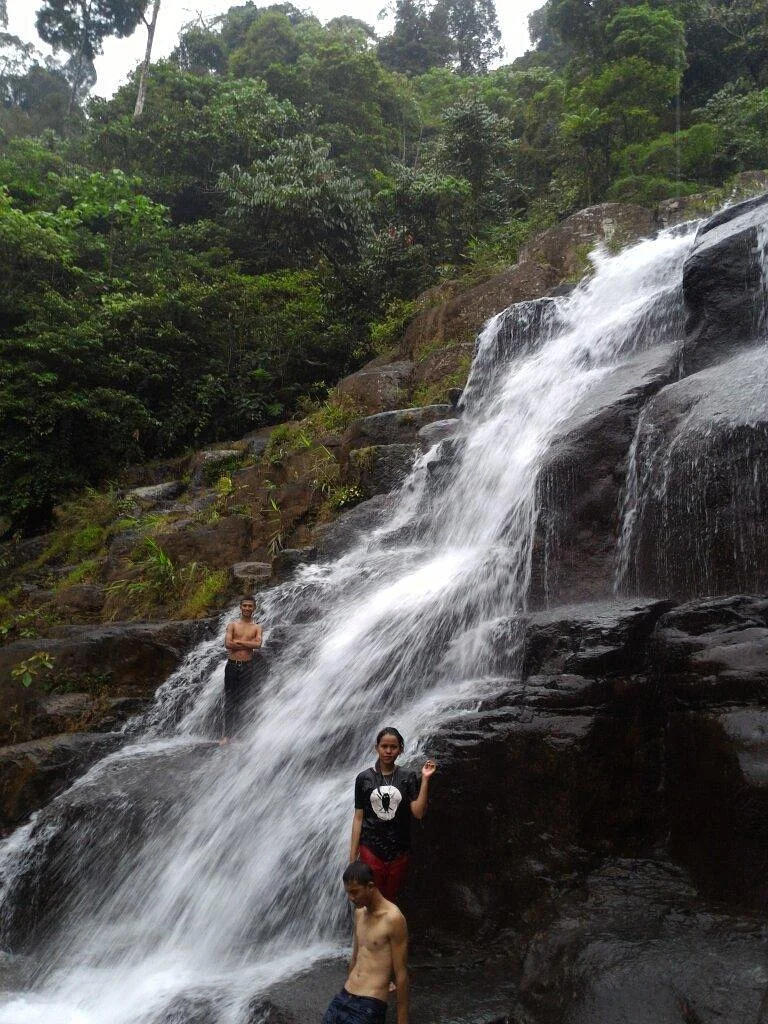
Relaxing is the main thing to do here. This is a mainly administrative city. Honestly, there isn't too much to do downtown. But if you go uptown, some interesting spots await to be explored. These include Sikuai Island, Lubuk Minturun river (a 'natural jacuzzi') and Bungus Bay (crystal water river), all in southern Padang.
Pool/Billiard is a popular sport to play and there are a few places dotted around.
The nightlife is relatively dull because Padang is a minor city and a rather devout Muslim community. Bars are available at some hotels but don't expect alcohol.
If you can find your way down to Chinatown and get some kripik Padang (crackers, available in two flavours: spicy and sweet), that could be a good idea, too. In Chinatown, you also can explore the mixture of Minang-Chinese food.
Padang is famed throughout Indonesia for spicy Padang food (masakan Padang). Ordering at a Padang restaurant couldn't be easier: just sit down at a table, and watch the dishes pile up. Eat what you like, as you'll only pay for dishes you've actually consumed. Famous dishes include:
Padang dishes can use rather unusual ingredients though, including internal organs like hearts, lungs and even brains. One notable dish is Gulai Tambusu, which consists of cooked egg wrapped in cow intestines and served with a curry. All Padang/Minang dishes are Halal due to the Islamic roots of Minang people.
Along Jalan Ahmad Yani, you can find a few international fast food chain restaurants, including Pizza Hut, KFC, and '''McDonald's'''. Some local Westerner-friendly restaurants:
If Travelling during Ramadan, bakery nihon no pan (attached to an hotel, 10–20k), Hoya Bakery & Resto and Restoran Sari Raso (meal 29k, drink 7–15k) are opened for lunch (and breakfast for bakeries). Other places may be but with a closed-like front door so need to pay attention to find them.
The only real bars you will find are at the major hotels. This is a very Islamic community and therefore the influence of alcohol is minimal. That being said, beer is for sale at the major supermarkets. Bintang is about all you will find. If you are feeling game, the traditional market could be something you might want to visit, as hard liquor such as Johnny Walker may be available there.
Hard liquor is also available at several warungs (small shops on the side of the road) and it is quite easy to obtain cheap vodka, whisky or rum. The going rate for a 250-ml bottle of spirits is Rp 23,000.
The best nightclubs in Padang are Hotel Pangeran Beach, Rocky Hotel, Ambacang hotel (the newest hotel) and Queen.
There are a lot of stores on the side of the road, much like anywhere else in Indonesia. There are two malls, Minang Plaza, which is smaller and better for your more supermarket and basic clothing needs. There is a bit of Western Food at Plaza Andalas in the form of Papa Ron's Pizza.
Shopping at Andalas is a little bit better, but at this point in time, the malls are more downscale, mainly local products and local shops. No big retailers here. Brand names aren't really easy to find. You could find a few surfing items at Andalas plaza - but that's about it.
There is a Gramedia across the road from Andalas Plaza also.
There are many type of accommodations that can be chosen by people if they are in Padang. Such as:
Crazily-decorated angkots run along the two main roads. Prices for a trip are approximately Rp 2,000. You can get taxis from the Minangkabau International Airport to town for less than Rp 50,000 if you speak the language.
If you are obviously foreign, Minang people are well known to be good business people and are quite skilled at making you pay a few extra thousand rupiahs. But don't bother squabbling over 50 cents here or there.
There are several alternatives that you can choose for transportation in Padang, such as bus kota (for city bus transportation), angkutan kota (for transportation in the city), taxi, and car rental. Most public transportation is not safe and clean by international standards. During rush hour, the buses are overcrowded. Be careful with your valuables, although pickpocketing is very rare.
If you're looking to spend a few days in Padang, car rental is the preferred way to go around. All car rentals include the driver, who can also act as your guide. It's not recommended for tourists to self-drive, because road signs are not followed by the locals and courtesy while driving is virtually nonexistent in Indonesia.
If you need a taxi, Argo, Blue Bird Taxi and Grab Taxi apps can be downloaded for free. Fill the departure and arrival points and Google Maps will show the map and the taxis and also estimate the cost in a range. Taxis arrive within 5 minutes after being summoned. Only qualified taxis and qualified drivers can join the apps. The service is available in Bukittinggi and Payakumbuh as well.
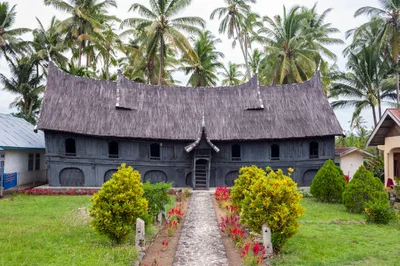
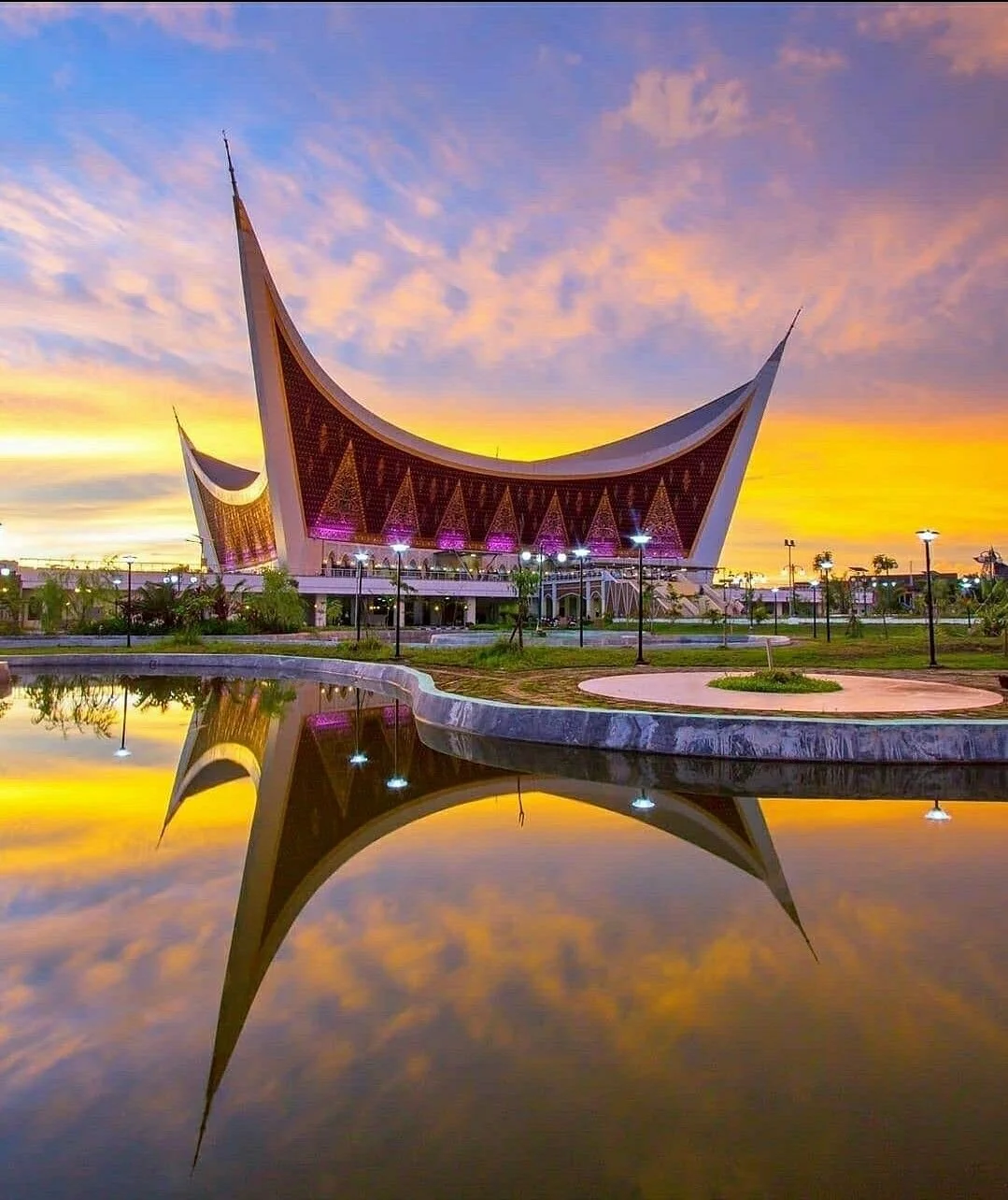
The city is very pleasant with a nice promenade along the beach, distinctive Padang architecture and wonderfully friendly people. The city is also the home of the delicious Padang food and the town is stuffed with restaurants and street stalls. The locally available guidebook 'Sozzie Sumatra' can be referred to on arrival for upcoming local events and a current 'what to do' section.
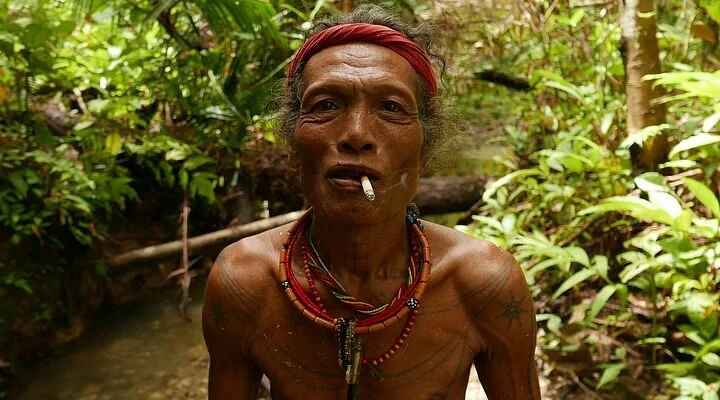
Padang is a considered to be the main centre of Minangkabau culture. Unusually among the world's Muslim peoples, the Minangkabau are matriarchal, with husbands moving into their wives' homes after marriage, and with family possessions being passed from mother to daughter rather than father to son.