Fukui Prefecture (福井県, Fukui-ken) is a prefecture of Japan located in the Chūbu region of Honshū. Fukui Prefecture has a population of 778,943 (1 June 2017) and has a geographic area of 4,190 km2 (1,617 sq mi). Fukui Prefecture borders Ishikawa Prefecture to the north, Gifu Prefecture to the east, Shiga Prefecture to the south, and Kyoto Prefecture to the southwest.
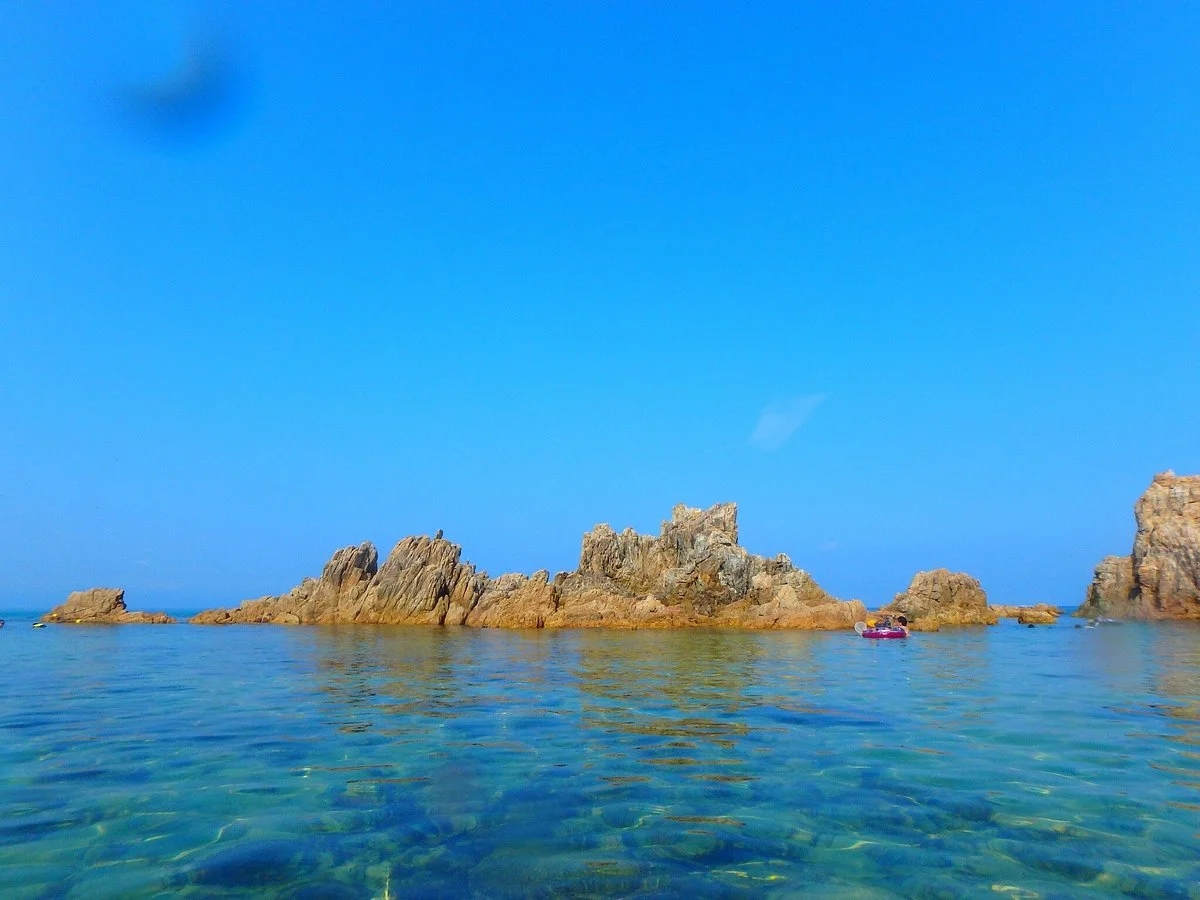
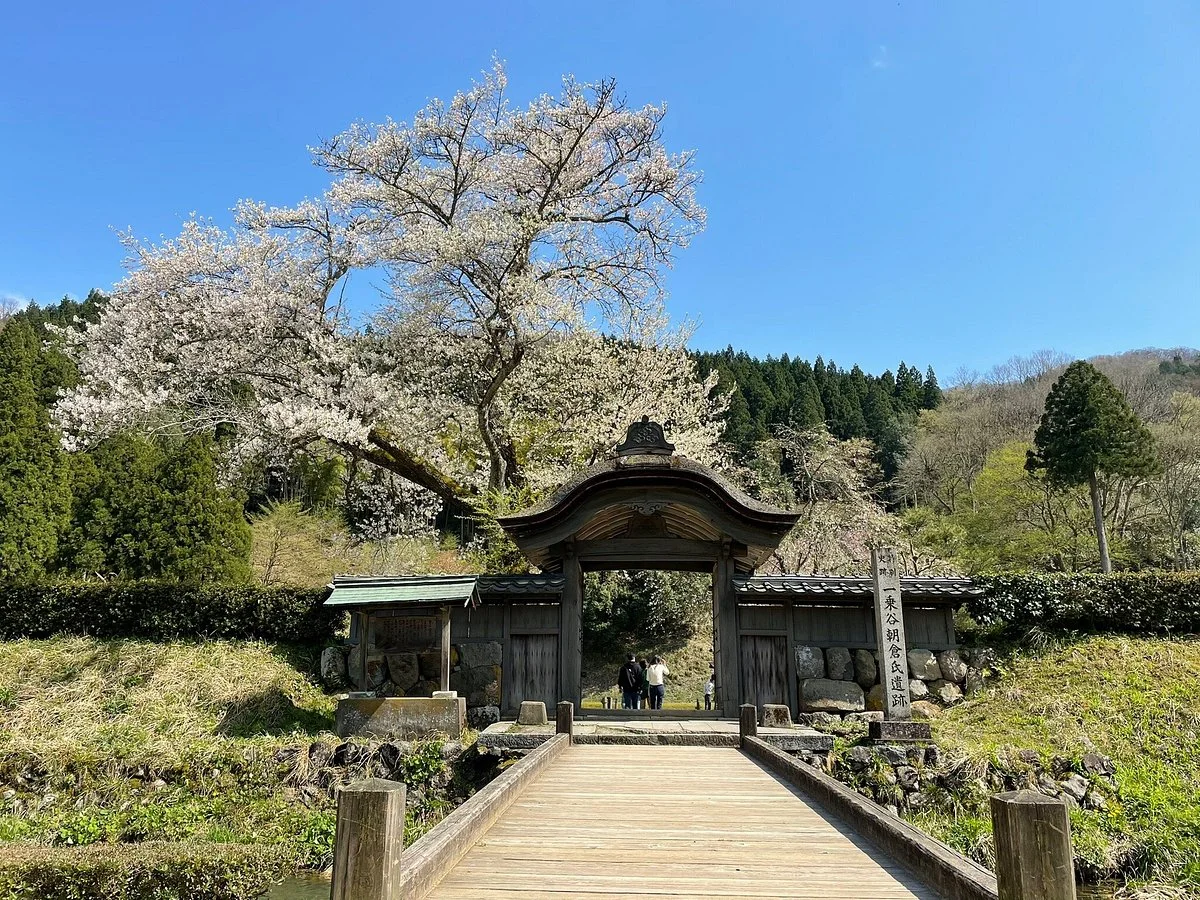
Fukui is the capital and largest city of Fukui Prefecture, with other major cities including Sakai, Echizen, and Sabae. Fukui Prefecture is located on the Sea of Japan coast and is part of the historic Hokuriku region of Japan. The Matsudaira clan, a powerful samurai clan during the Edo period that became a component of the Japanese nobility after the Meiji Restoration, was headquartered at Fukui Castle on the site of the modern prefectural offices. Fukui Prefecture is home to the Kitadani Formation, the Ichijōdani Asakura Family Historic Ruins, and the Tōjinbō cliff range.
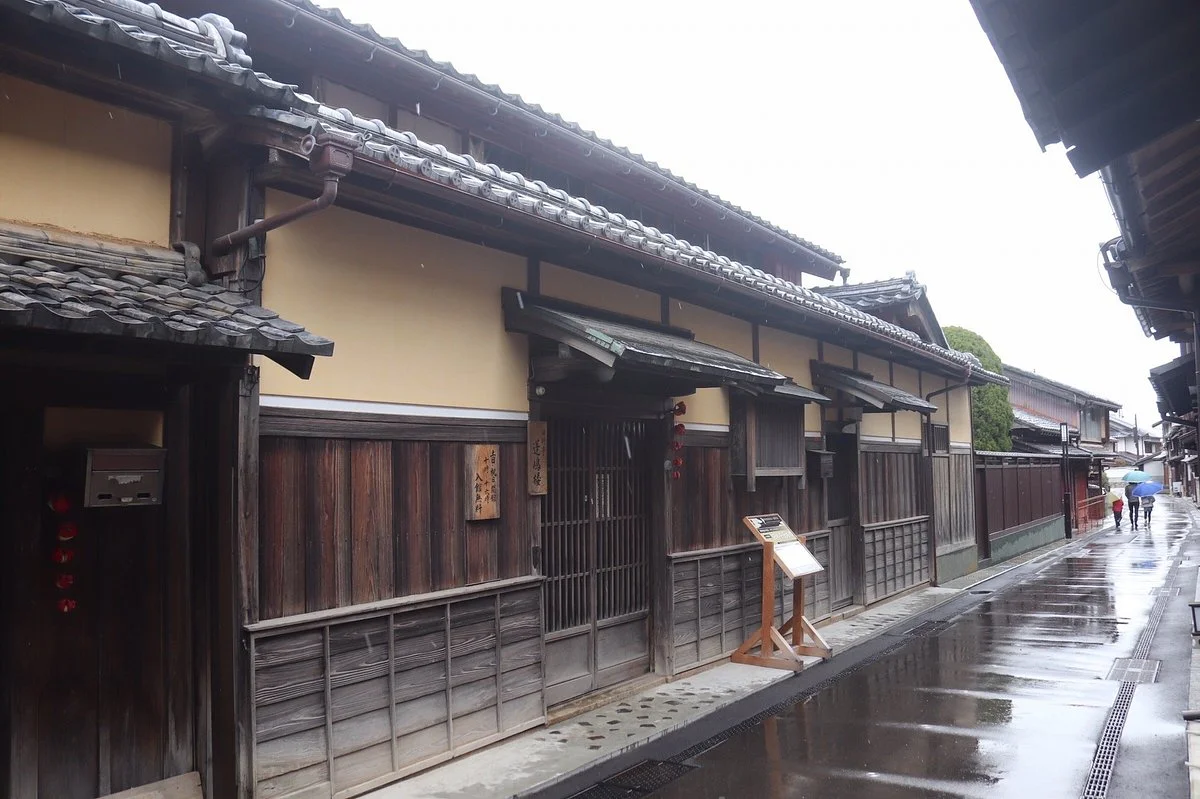
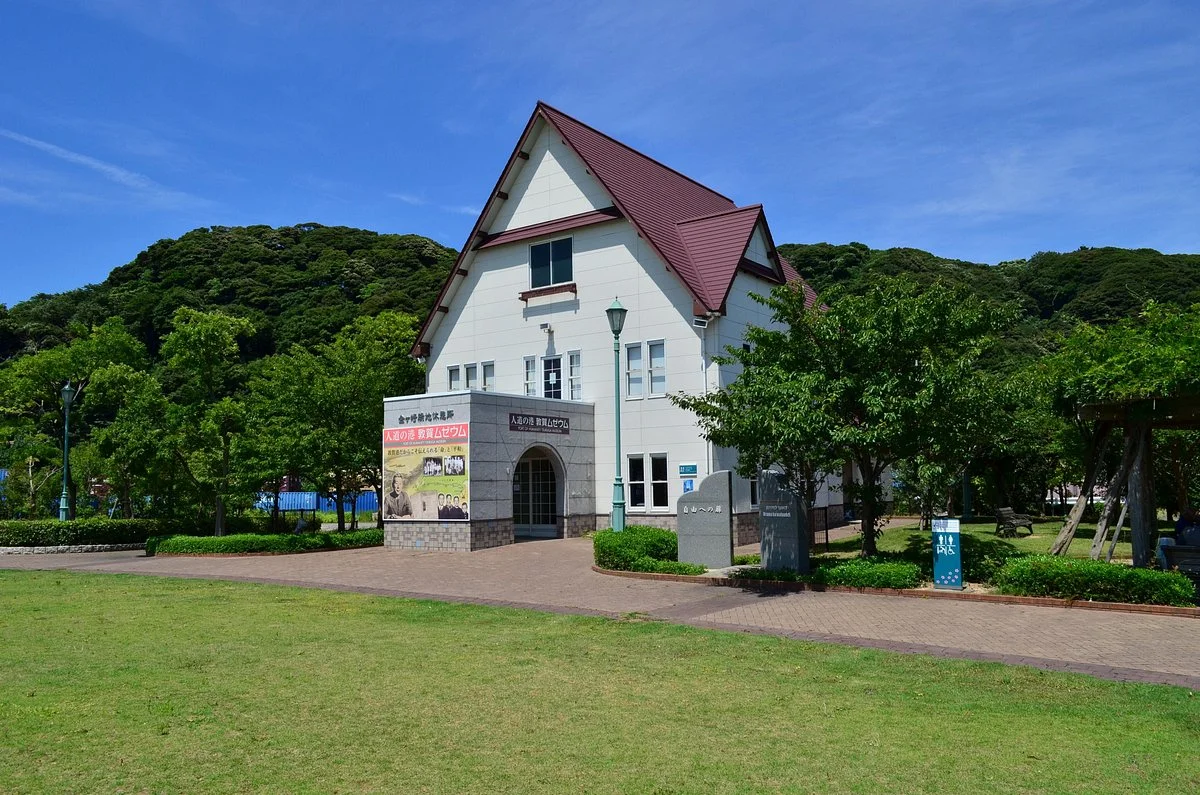
The prefecture has many great beaches and historical sites.
Fukui is well known for its beef from the Wakasa area of Western Fukui Prefecture, its echizen-gani (crabs) which are prized for their guts, called kani-miso, and for oroshi soba buckwheat noodles with grated radish. While most of Japan prefers to eat its katsudon (breaded pork cutlet on top of rice) topped with a sweet omelet, Fukui is famous for creating sauce katsudon, which is instead covered by a sweet and salty sauce similar to Worcester sauce.
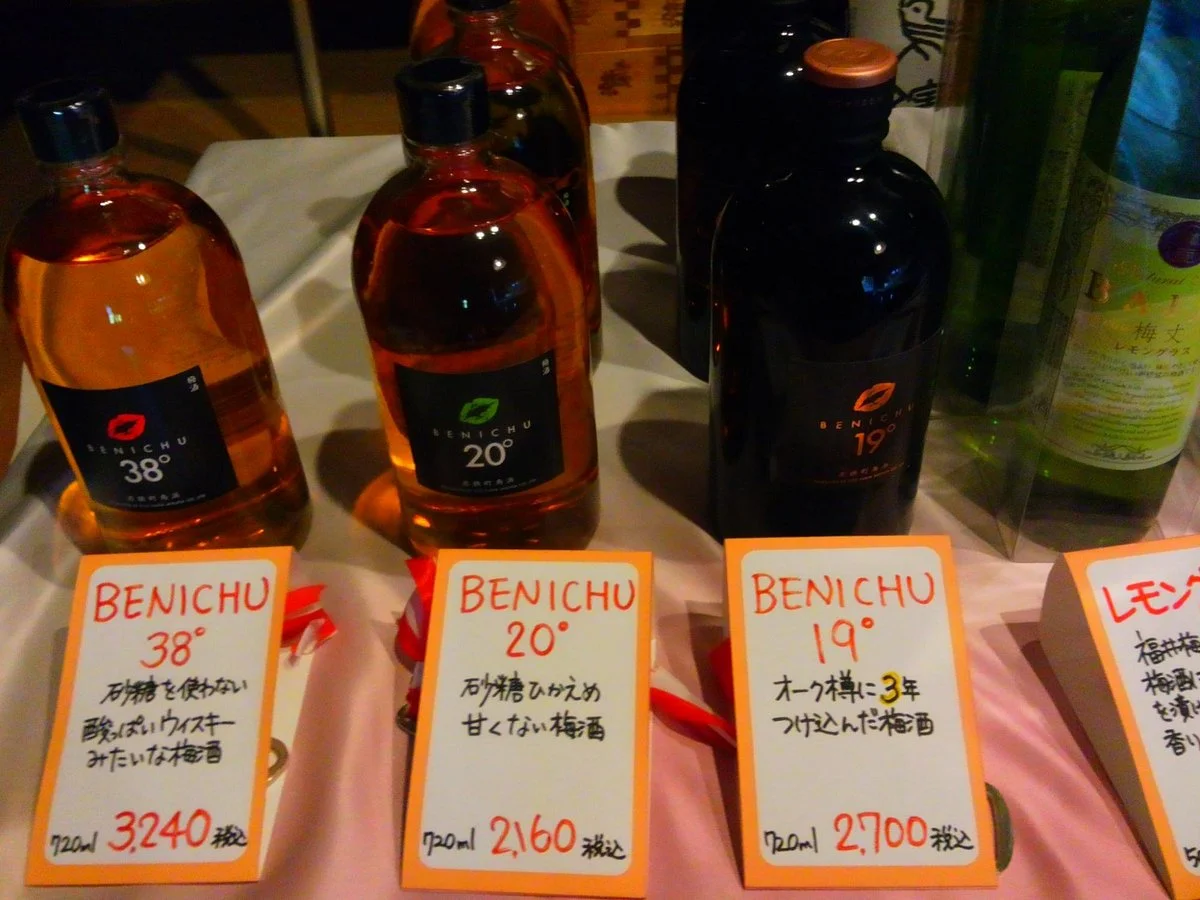
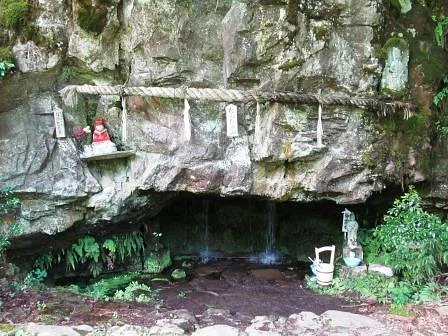
Water in Fukui comes from mountain springs. Some say the rice is the best in Japan, but people in a dozen other prefectures make the same claim. Regardless, put the rice and water together and you get some excellent sake.
No information available
No information available
Fukui has the largest rate of car ownership in all of Japan, which is necessary because public transport is not well developed. Still, it is possible to access most areas by train or bus.
JR trains run go south to Kyoto and Osaka and north to Kanazawa. Most JR trains stop at Tsuruga, Takefu, Fukui, and Awara. There are a few private train line with their own stations that are better for shorter distances, though more expensive than the local JR trains.
For most rural locations, buses only run several times per day. Be sure to check on the last bus time, which can be mid-afternoon, depending on location.
Fukui is directly across the Sea of Japan from the Korean Peninsula. Its harbors are frequented by Russian and Korean cargo vessels.
Although the present characters for Fukui (福井) mean "lucky well", the city was originally given the name "福居" in 1623 by its daimyo Matsudaira Tadamasa. The name was changed during the Genroku era for uncertain reasons—one theory even claims that it was due to a clerical error.