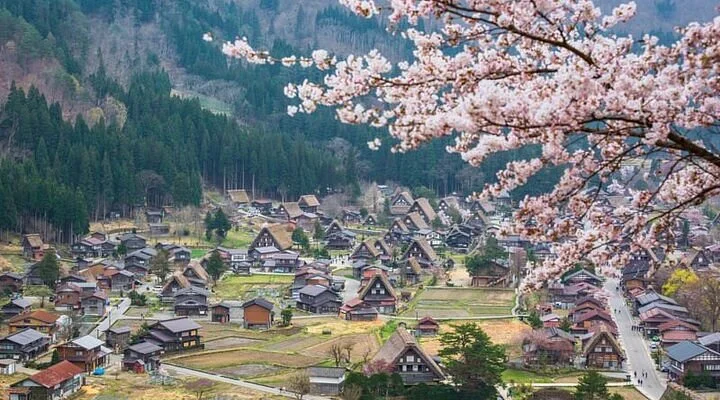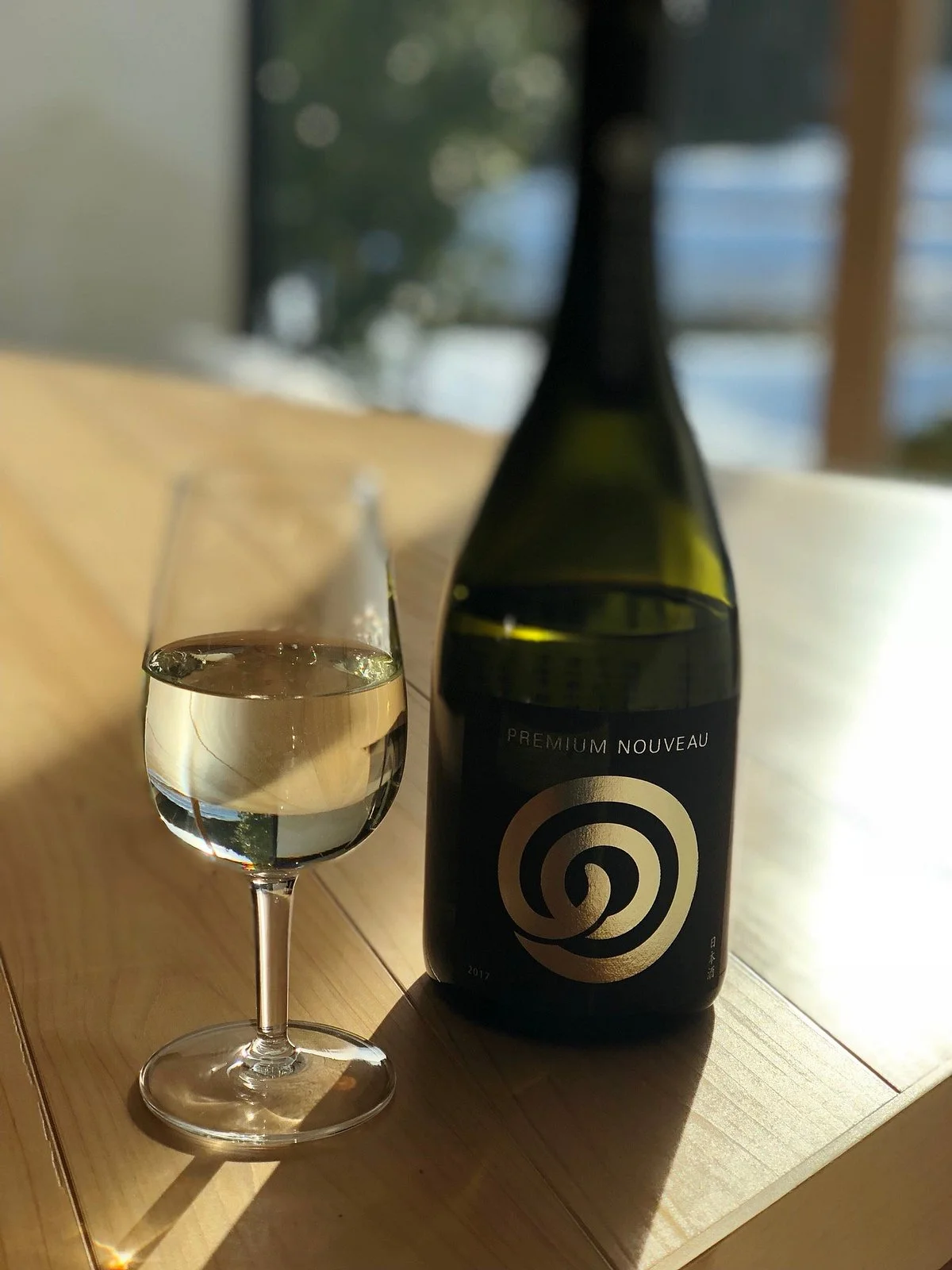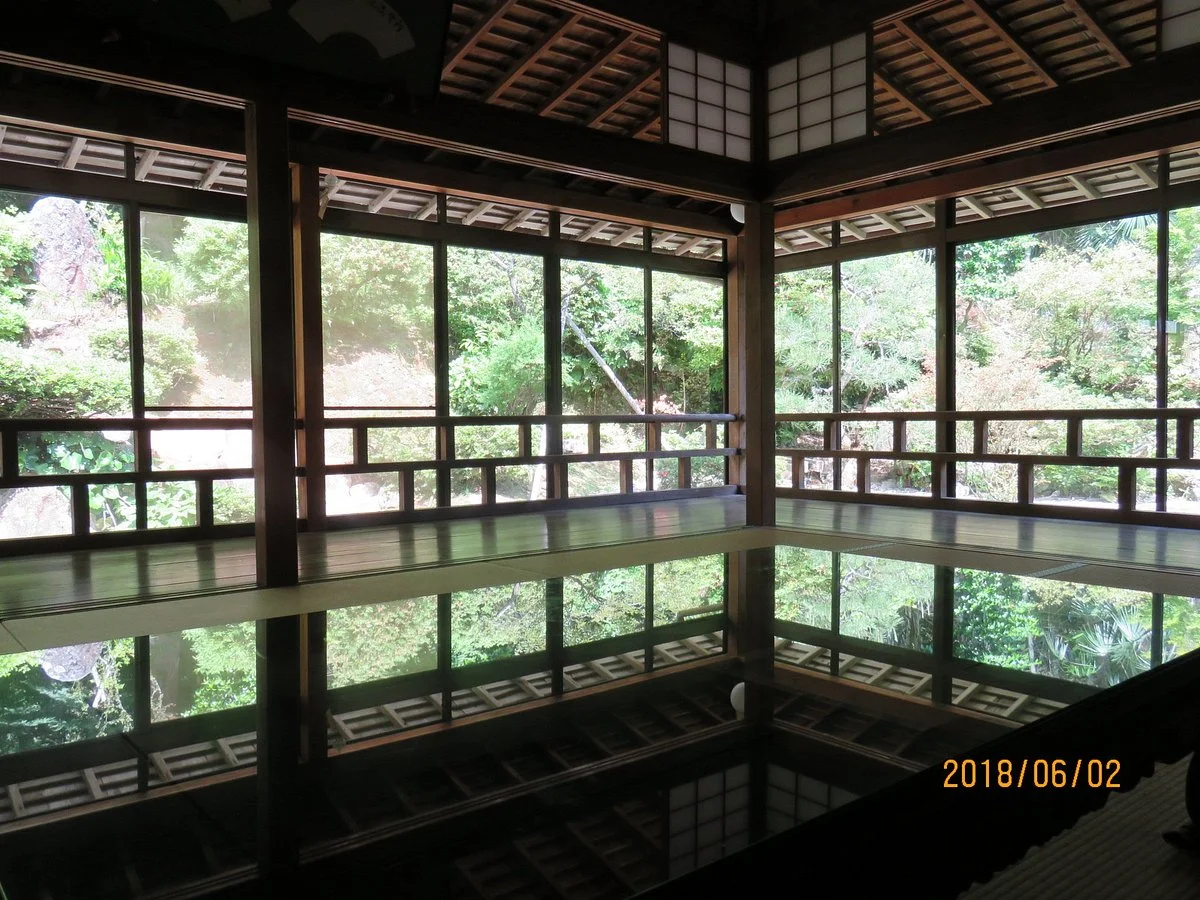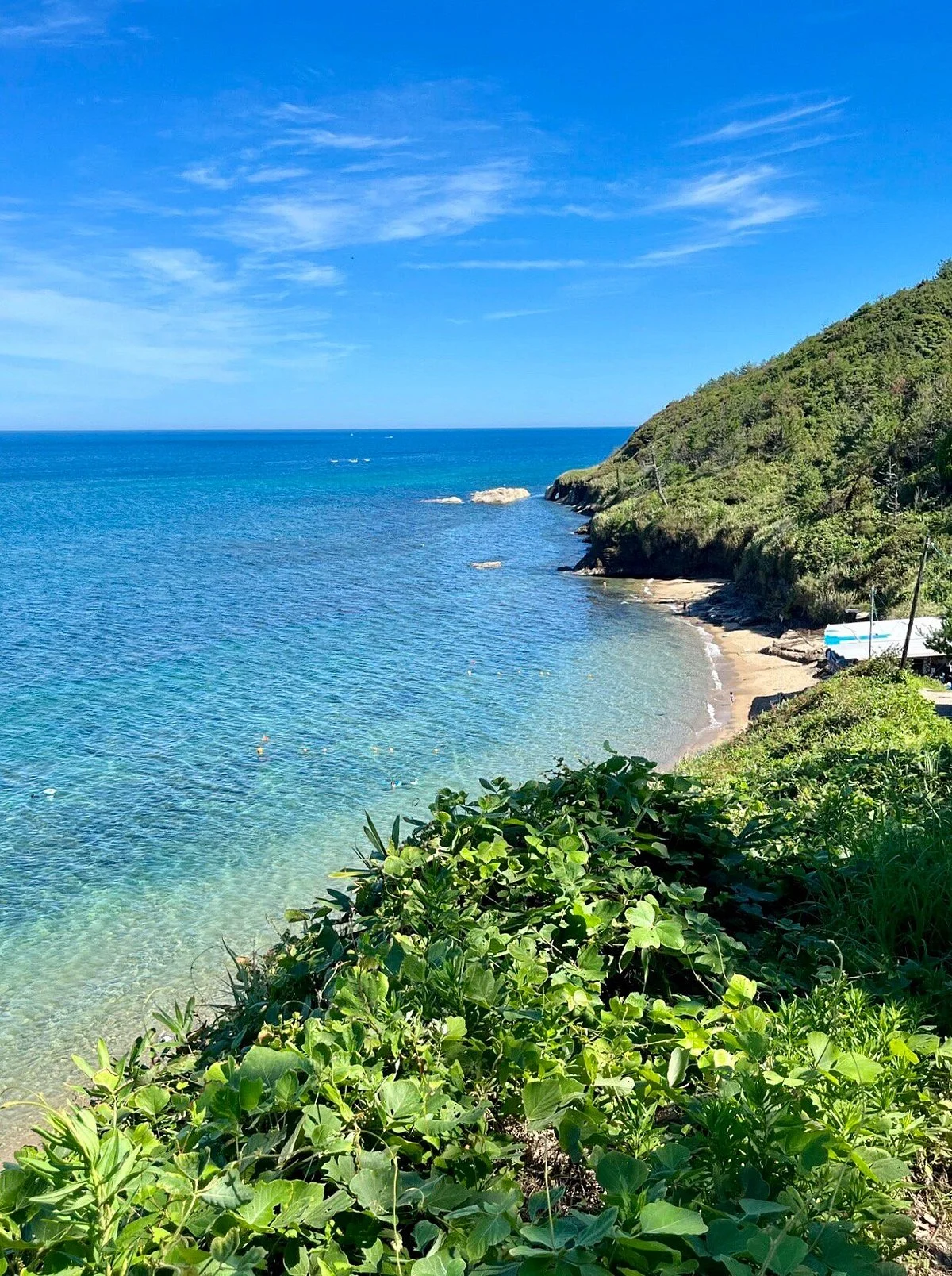
Ishikawa Prefecture (石川県, Ishikawa-ken) is a prefecture of Japan located in the Chūbu region of Honshu island. Ishikawa Prefecture has a population of 1,133,294 (1 October 2020) and has a geographic area of 4,186 km2 (1,616 sq mi). Ishikawa Prefecture borders Toyama Prefecture to the east, Gifu Prefecture to the southeast, and Fukui Prefecture to the south.
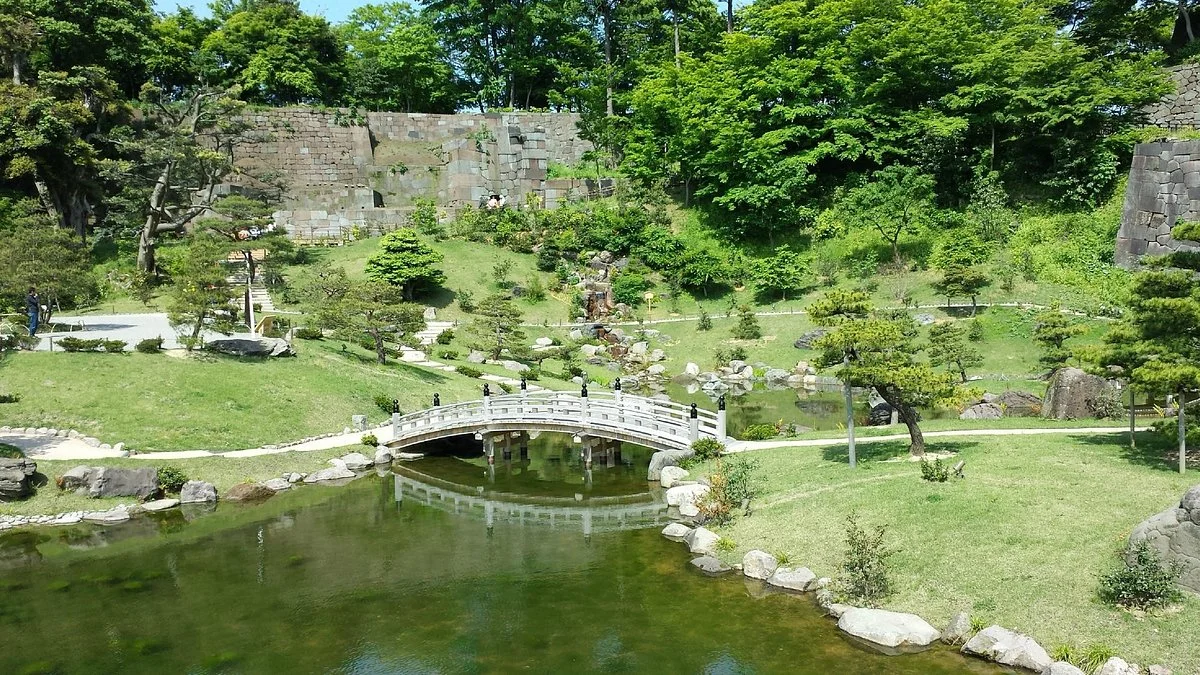
Kanazawa is the capital and largest city of Ishikawa Prefecture, with other major cities including Hakusan, Komatsu, and Kaga. Ishikawa is located on the Sea of Japan coast and features the most of the Noto Peninsula which forms Toyama Bay, one of the largest bays in Japan. Ishikawa Prefecture is part of the historic Hokuriku region and formerly an important populated center that contained some of the wealthiest han (domains) of the Japanese feudal era. Ishikawa Prefecture is home to Kanazawa Castle, Kenroku-en one of the Three Great Gardens of Japan, Nyotaimori ("body sushi"), and Kutani ware.
Ishikawa is known for its historical interest and natural beauty. If you're only in Ishikawa for a short amount of time, you won't be disappointed by going to Kanazawa. It is a beautiful city with a balance of modern society and historical interest.
There are a number of historical sites, museums, and festivals in Ishikawa to see as well.
Kahoku — Nishida Kitaro Museum of Philosophy, Nanatsuka Shichifukujin Center, Umikko-land Marine Museum
Tsubata — Kurikara Fudo Temple Phoenix Hall, Waku-waku Forest House, Kurikara Genpei-no-sato Take-bashi Entrance, Kawai-dani Fureai Center Saiji-no-yakata Festival Hall
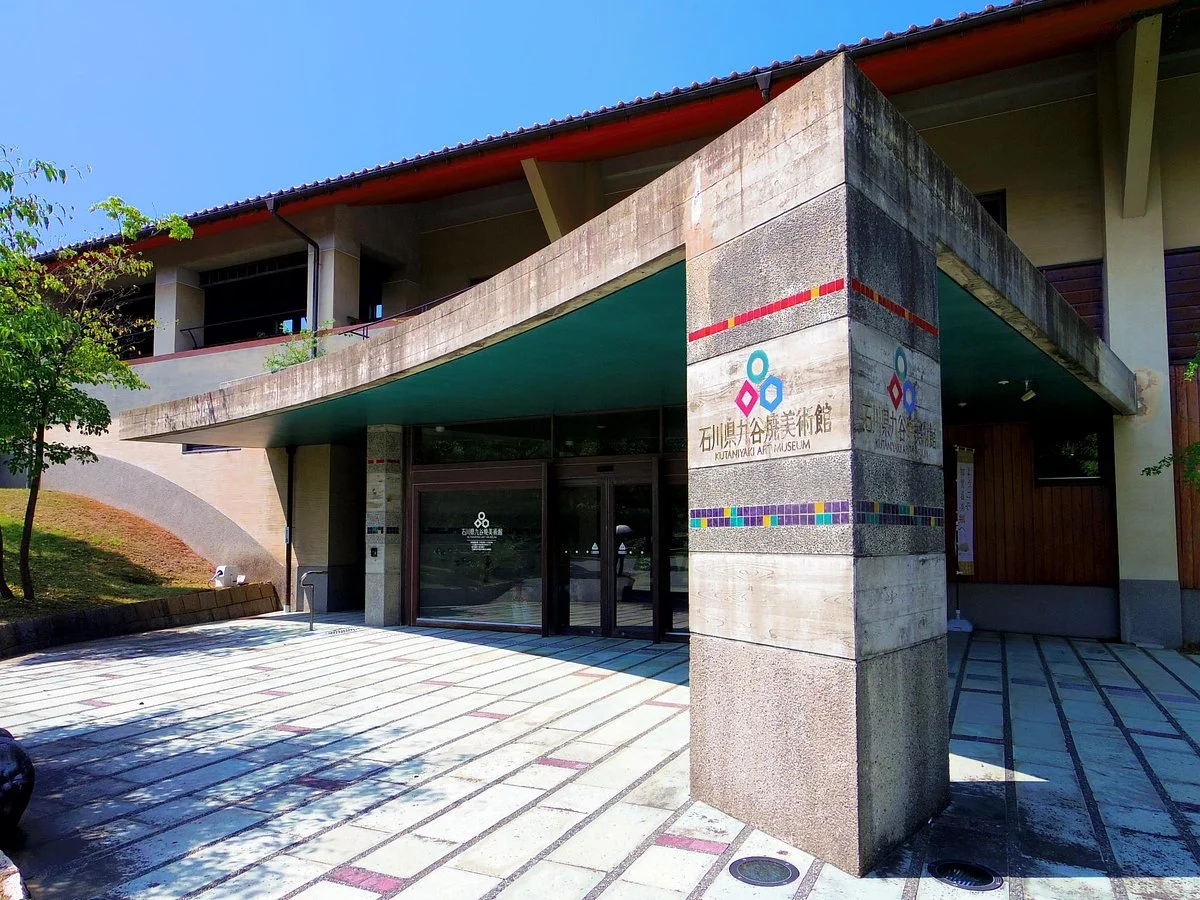
Kanazawa — The 21st Century Museum of Contemporary Art, Kanazawa Yuwaku Yumeji Museum, Izumi Kyoka Kinenkan Museum, Kanazawa Old Merchant House, Kanazawa Phonograph Museum, Ishikawa Prefectural Museum of Art, Ishikawa Historical Museum, Muro Saisei Kinenkan Museum, Maeda Tosanokami-ke Shiryokan Museum, Historical Residence of Mr. Kurando Terashima, Seison-kaku, Tokuda Shusei Kinenkan Museum, Kanazawa Noh Museum
Nonoichi — Kita Family Historical House, Furusato Historical Museum, Folk Culture Museum
Hakusan — Hakusan City Matto Furusato-kan Folk Museum, Park Shishiku, Hakusan Torigoe Ikko-Ikki Museum, Kuretake-bunko Private Library, Hakusan City Matto Museum, Nakagawa Kazumasa Memorial Museum of Art, Hakusan City Tsurugi Museum, Hakusan Folk Museum, Hakusan Sabo Science Center, Museum of Farming Culture, Yoshino Kogei-no-sato Craft Center, Chiyo-jo Haiku Museum, Niwaka-kobo, Matto Shayu-kan, Mikawa Community Plaza, Tsurugi Yokomachi Urara-kan, Kawachi Local Product Center
Noto Peninsula — Wajima Morning Market, Wajima Lacquerware Museum, Kiriko Museum, Yanagida Bontanical Gardens, Ganmon Cliffs, Hutago-iwa (one of many "married rocks"), Noto Glass Museum, Nanao Art Museum, Sosoji-dera, Abare Festival (July), Okuma Kabuto Festival (Sep 20)
Late January - Snowmen (Yukidaruma) Week - takes place throughout Shiramine.
February 10 - Gogan-shinji - Takewari Festival - at Sugou-isobe Shrine in Kaga.
March 18-23 - Heikoku-sai Shinto Festival (also known as "Oide Matsuri") - at Keta Shrine and other locations in Hakui.
April 3 - Janome Shinji/Yabusame Shinji - at the Keta Shrine in Hakui.
April (2nd Saturday/Sunday) - Asanogawa Riverside Garden Party - on the Asanogawa Riverside in Kanazawa.
May 2-3 - Tomobata Festival - in the Kogi district of Uchiura.
May 3-5 - Ceramic Bowl (Kutani Chawan) Festival - in and around Wadayama/Matsujiyama Shiseki Park in Terai
May 3-5 - Seihaku Festival - in Nanao
May 22-23 - Okaeri Festival - in the central area of Mikawa
Mid-May - Otabi Matsuri - at the Uhashi Shrine, Motoori Hiyoshi Shrine, and other areas in Komatsu.
June 3-5 - Yamashiro Spa Sweet Flag (Shobu) Bath - in Yamashiro Hot Springs in Kaga
June (2nd Saturday) - Kanazawa Hyakuman-goku Festival - in the central area of Kanazawa.
July 7-8 - Abare Festival - at the yasaka Shrine, Sakatari Shrine, Hakusan Shrine, and nearby areas in Noto
July 20 - Hasebe Festival - in Anamizu
July 20-22 - Yosakoi Soran Noto Festival - in the Oshimizu Town Baseball Stadium, Oshimizu Town Imahama Coast in Oshimizu
July 31 - Notojima Koda Fire Festival - in Notojima
Late July - at the square in front of Unoke Town Hall and other locations in Unoke.
Late July - Kawachi Senjo Hot Spring Heian Festival - in Kawachi Senjo-onsen Kanazawa Seymore Ski Resort in Kawachi
July (last Saturday/Sunday) or August (1st Saturday/Sunday) - Nonoichi Jonkara Festival - near the Nonoichi Town Cultural Hall, "Forte".
Early August - Matto Festival
August 7 - Houryu Tanabata Kiriko Matsuri
August 17-18 - Okinami Tairyo (large catch) Festival
Mid-August - Gozare Festival
Mid-August - Ikko Ikki Festival
August 23-25 - Wajima-taisai (big festival)
August 24-25 - Niwaka Festival
September 20 - Okuma Kabuto Festival (Notonakajima)
Early October - Hourai Festival
October 17 - Rengeyama O-zumo (grand sumo)
Early November - Tedori River Festa
Mid November - Wajima Crab Festival
Early December - Ae no Koto (Thanksgiving Festival, Yanagida)
Year-Round - Anamizu Maimon Festival
Food in Ishikawa is a big deal! Local specialties rule the roost here. A few years ago the "Noto-don" became very popular. "Don" or "donburi" are dishes served in a bowl over rice. Noto-don are donburi created by local restaurants only of local ingredients. You can follow a "donburi trail" when you travel around the Noto Peninsula.
Ishikawa is also well known for its fish. People in Japan say that the freshest, most delicious fish can be eaten in the Ishikawa area. One of the country's largest fisheries is in the Noto. Make sure to eat plenty of sushi and sashimi while you visit. Availability changes with the seasons. Make sure to try buri (yellowtail), katsuo, saba (horse mackerel), ika (squid), tako (octopus), ama-ebi (sweet shrimp), maguro (tuna), crab and the other 200 varieties available in this area.
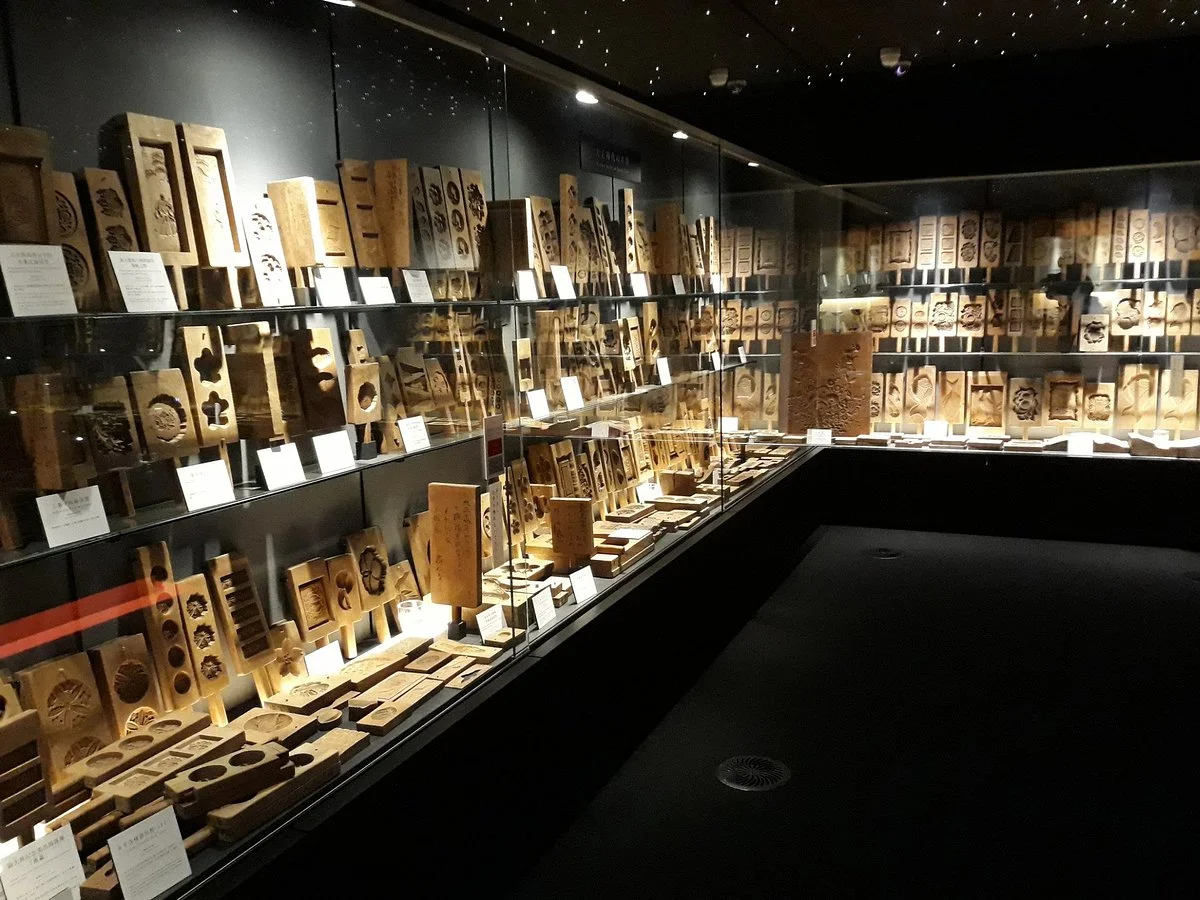
Ishikawa is also famous for its traditional sweets called "wagashi." Many old family businesses still produce them the old fashioned way, carefully crafted from sweet bean paste and rice. A fresh, green, healthy treat with a cup of hot green tea.
No information available
No information available
=
For most tourists, traveling around Ishikawa will not be a problem. Kanazawa, the single most important destination for tourists is near the Komatsu airport, and is easily reachable by bus or train.
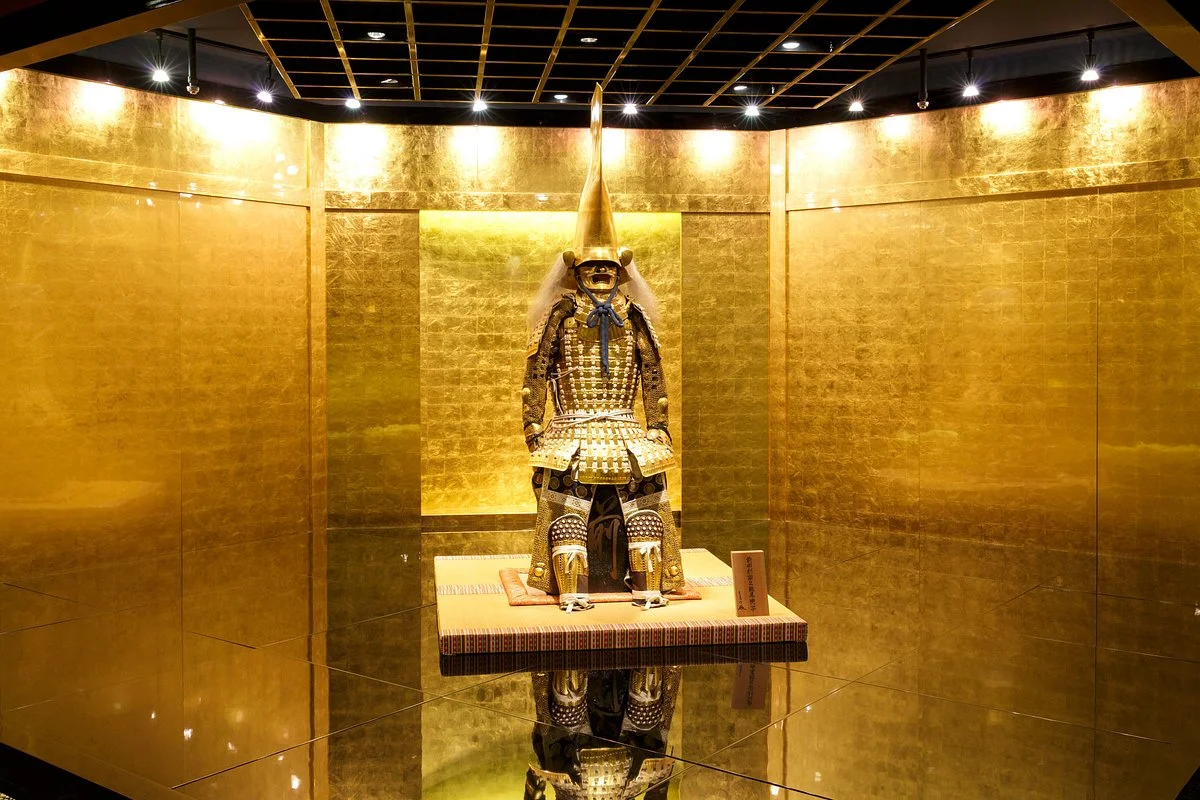
Ishikawa Prefecture is a peninsula in the center of the western coast of Japan. Its 581-km coastline is bordered by the Sea of Japan. Ishikawa Prefecture has a rich history and beautiful scenery, which makes it a shame that it isn't visited more often. Perhaps the most well-known city in Ishikawa is Kanazawa, its capital, which boasts Japan's best-preserved samurai districts and one of the three most beautiful landscape gardens in Japan. Ishikawa has an enormous rice yield (annually, approximately 15 million metric tons or 100 million koku) and is noted for its traditional handicrafts, including gold leaf, lacquerware, and silk dyeing.
Ishikawa is also the home of Mount Hakusan, a sacred mountain. The foot of Mount Hakusan is surrounded by villages influenced by traditional Japanese lifestyles. The most northern region of Ishikawa is the Noto Peninsula, where you can find an incredible number of festivals, in addition to extensive distances of natural beauty. This region also bodes well for those interested in outdoor sports and relaxation. The Noto region has extensive sky and water sports available. Ishikawa is also well known for its number of ski resorts and hot springs.