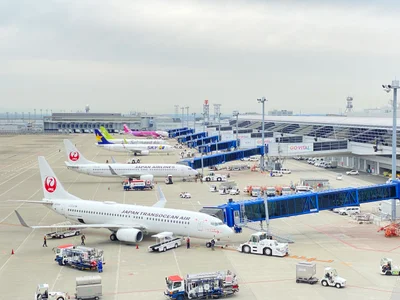
Nagoya (名古屋市, Nagoya-shi, [naꜜɡoja] ) is the largest city in the Chūbu region, the fourth-most populous city proper with a population of 2.3 million in 2020, and the principal city of the Chūkyō metropolitan area, which is the third-most populous metropolitan area in Japan with a population of 10.11 million. Located on the Pacific coast in central Honshu, it is the capital and most populous city of Aichi Prefecture, with the Port of Nagoya being Japan's largest seaport.
In 1610, the warlord Tokugawa Ieyasu, a retainer of Oda Nobunaga, moved the capital of Owari Province from Kiyosu to Nagoya. This period saw the renovation of Nagoya Castle. The arrival of the 20th century brought a convergence of economic factors that fueled rapid growth in Nagoya, during the Meiji Restoration, and became a major industrial hub for Japan. The traditional manufactures of timepieces, bicycles, and sewing machines were followed by the production of special steels, ceramic, chemicals, oil, and petrochemicals, as the area's automobile, aviation, and shipbuilding industries flourished. These factors made the city a target for US air raids during World War II.
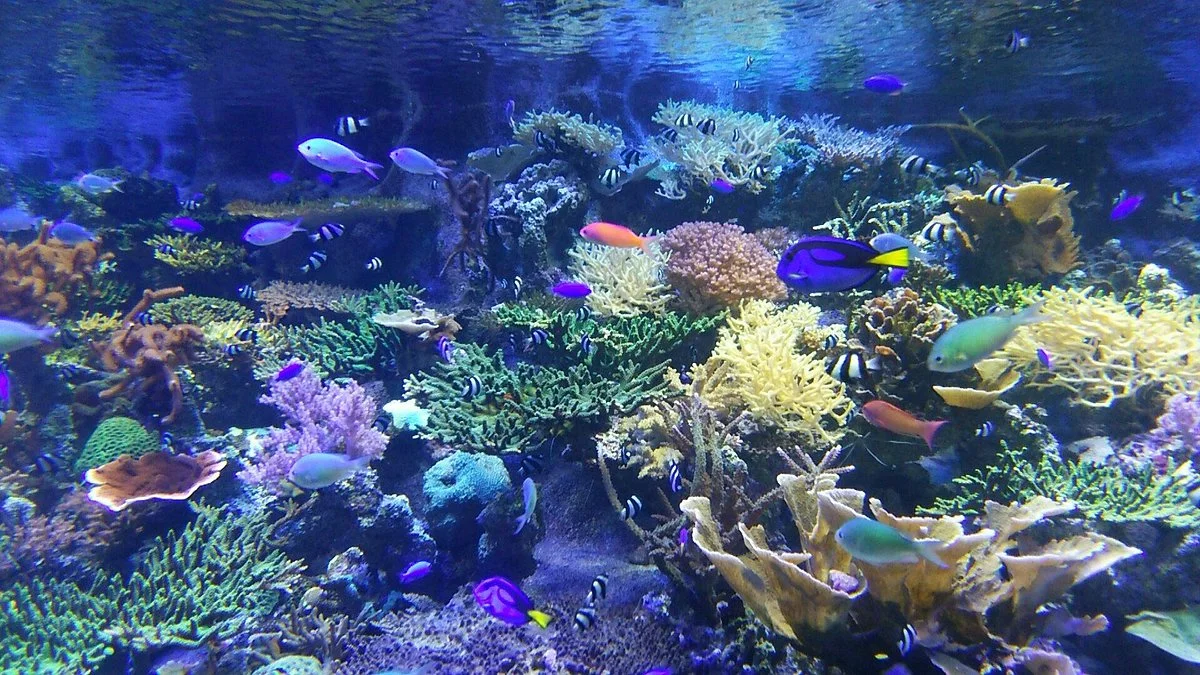
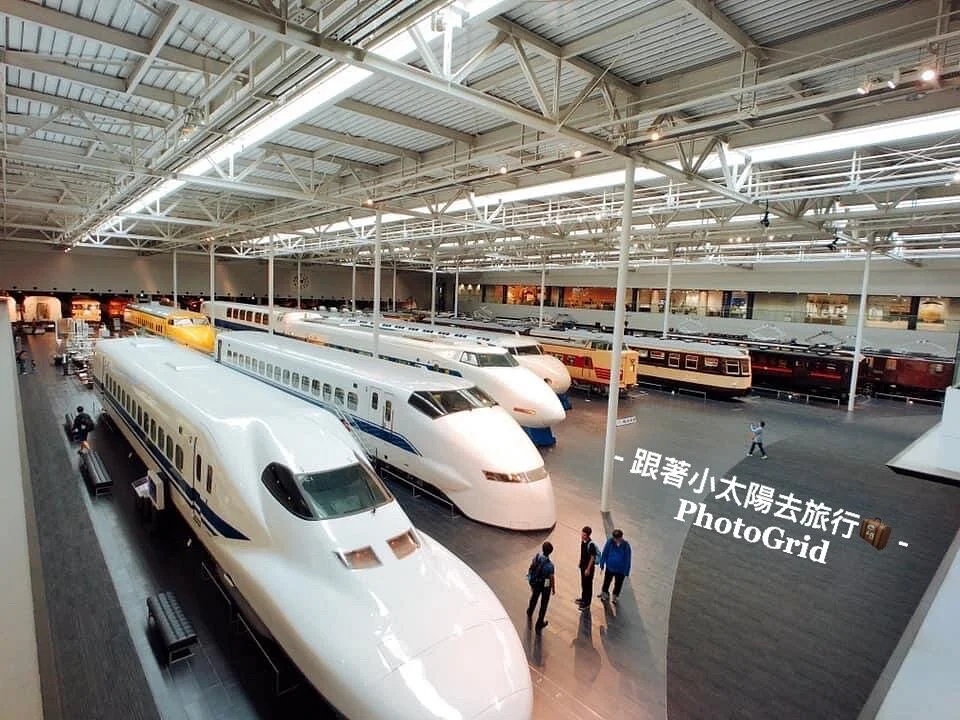
Following the war, Nagoya's economy diversified, but the city remains a significant centre for industry and transport in Japan. It is linked with Tokyo, Kyōto, and Osaka by the Tokaido Shinkansen, and is home to the Nagoya Stock Exchange as well as the headquarters of Brother Industries, Ibanez, Lexus, and Toyota Tsusho, among others. Nagoya is home of educational institutes such as Nagoya University, the Nagoya Institute of Technology, and Nagoya City University. Famous landmarks in the city include Atsuta Shrine, Higashiyama Zoo and Botanical Gardens, Port of Nagoya Public Aquarium, Nagoya Castle, Hisaya Ōdori Park, and Nagoya TV Tower, one of the oldest TV towers in Japan. It will be the third Japanese city to host the 2026 Asian Games, after Tokyo 1958 and Hiroshima 1994.
Nagoya is big on miso, a sauce made from fermented soybeans and grain. The preferred style is red miso (赤味噌 akamiso), fermented up to two years for a stronger taste than the usual "white" miso, with Hatchō miso (八丁味噌) particularly famous.
Classic Nagoya dishes include:
Around Nagoya station, there are a lot of places for cheap drinking. Sakae is the big nightlife district, in a loose triangle formed by the Sakae, Yaba-cho and Osu Kannon stations. Sakae has a large red light district as well, but as with most of Japan, there's no sense of danger so don't worry about drifting around. There are countless izakayas around Kanayama station, both cheap chains and more upscale places.
If the bar and club scene is not for you, try Nagoya Friends and their bimonthly international parties. Always a dynamic mix of foreigners and Japanese. At the party it's all you can drink and eat (~¥3000).
Nagoya is a big automotive industry center, and it shows. The street network is extensive and even downtown locations can be easily reached by car. On the downside, trains and subways are less convenient than in Tokyo or Kansai, and more expensive. If you're travelling with a JR Rail Pass, the train network doesn't have many stations in the city and you'll probably find yourself using the bus or subway a lot, something your pass won't cover.
The hub of the Aichi region, Nagoya is Japan's fourth-largest city after Tokyo, Yokohama, and Osaka and one of the nation's major economic centers. In terms of manufacturing, as home to auto-making giants Toyota, Honda, and Mitsubishi Motors, Nagoya is to Japan what Detroit is to the United States — and it was completely flattened during World War II.