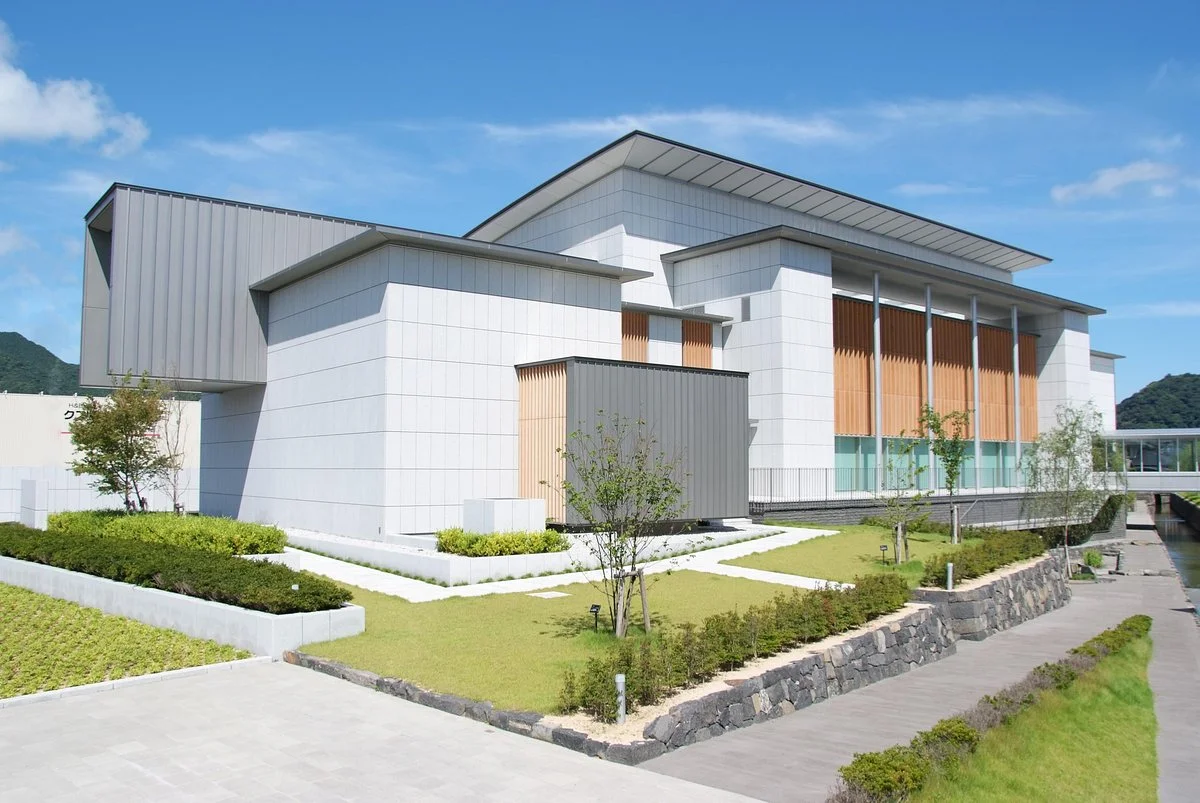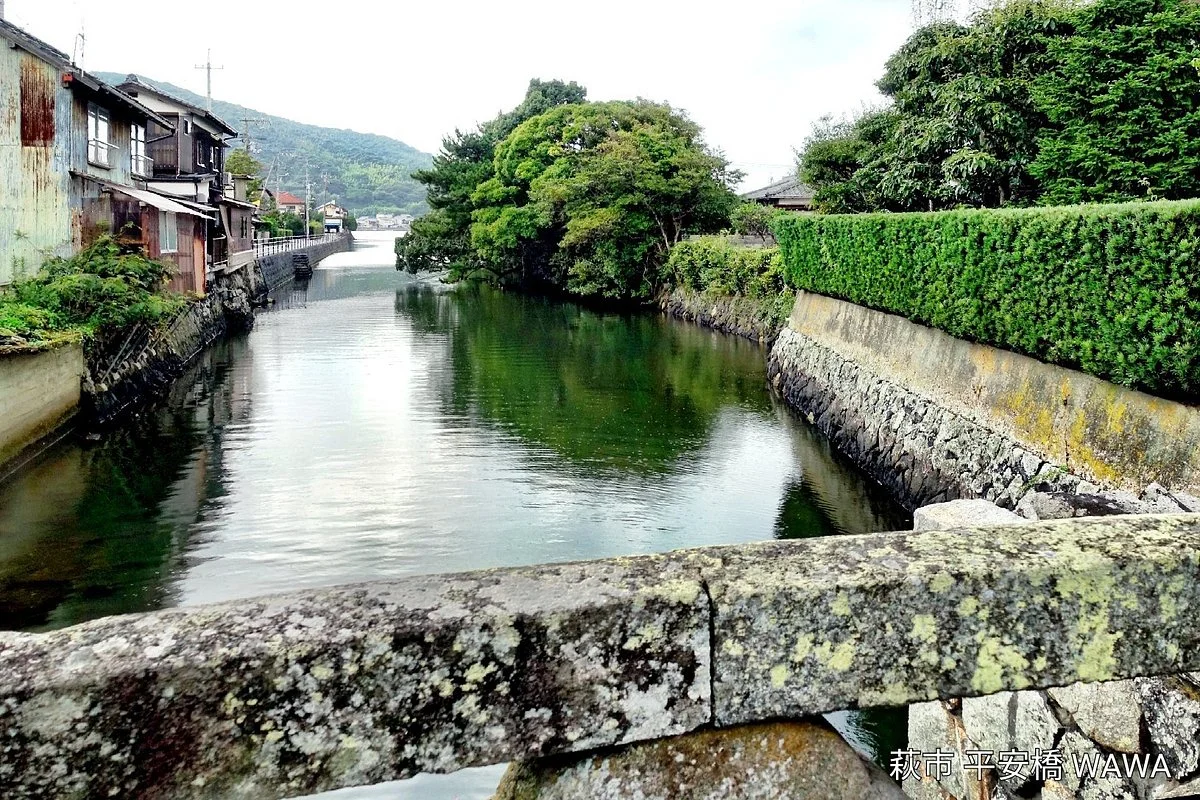
Hagi (萩市, Hagi-shi) is a city located in Yamaguchi Prefecture, Japan. As of 30 April 2023, the city had an estimated population of 43,233 in 22,803 households and a population density of 62 persons per km². The total area of the city is 698.31 square kilometres (269.62 sq mi). It is known for being the birthplace of Hagi ware, a type of Japanese pottery.
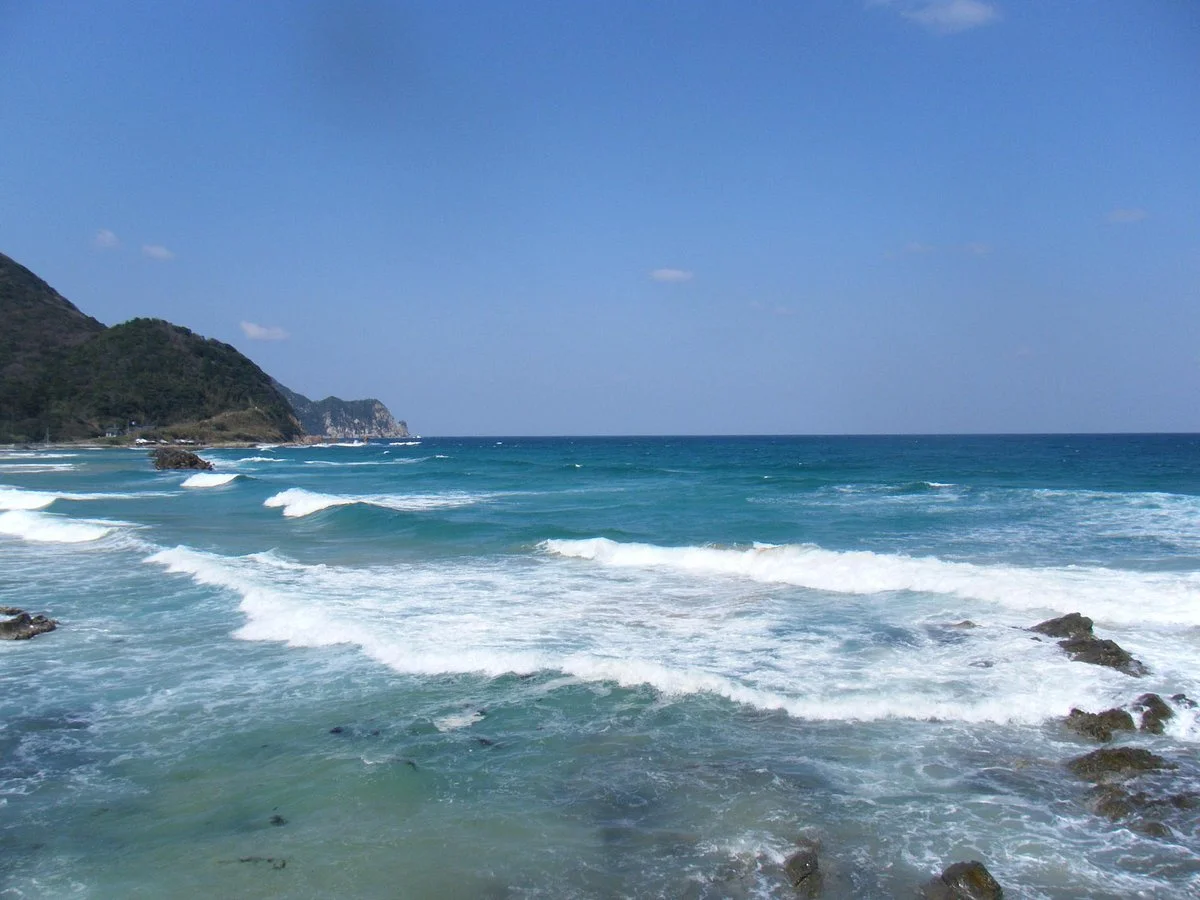
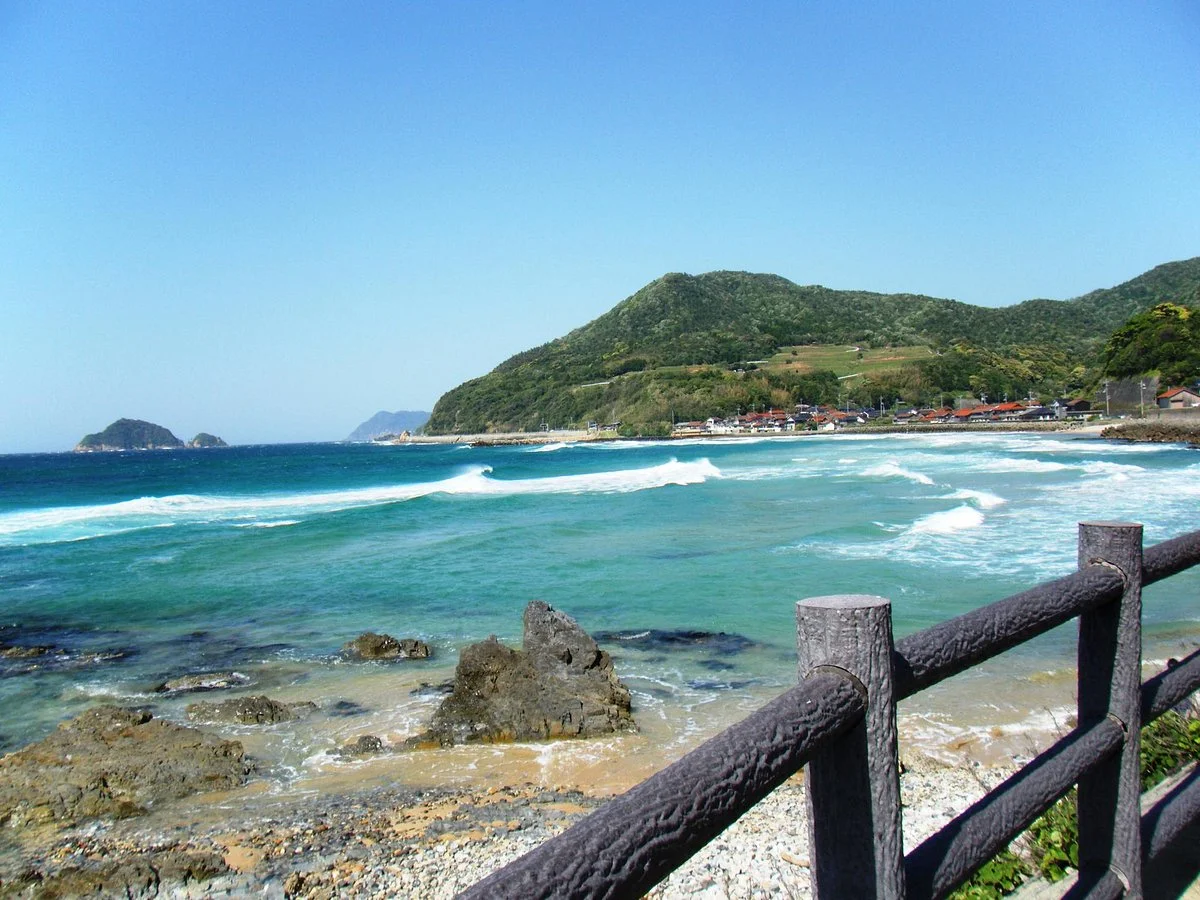
Amidst all of the old samurai atmosphere, don't forget that Hagi is on the Sea of Japan — there's swimming to be done. Try Kikugahama, a popular beach to the east of Mt. Shizuki and north of the city center.
Kenran Beef (見蘭牛) is a local specialty. It has a fatty, marbled texture and tenderness. Most hotels will have it on their dinner menu. Hagi is also a great place for fresh seafood, particularly sea urchin and squid.
Chonmage beer (チョンマゲビール) is a local brew. Hagi also has a few traditional sake factories, with bottles available at souvenir shops.
A handful of souvenir shops can be found near the castle.
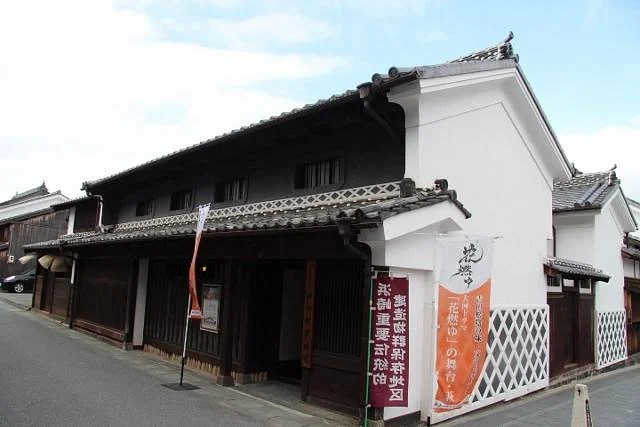
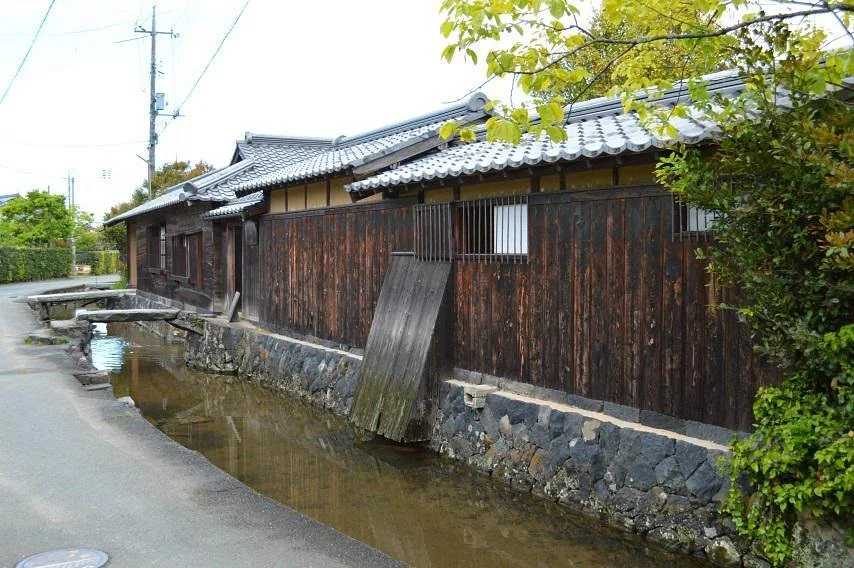
If you're planning to splurge on a traditional Japanese inn, Hagi is a great place to do it; the art of the ryokan is taken seriously here, and the atmospheric old quarters are well worth an early morning or late evening stroll. The local ryokan association has a booking desk at the Hagi Bus Center (09:00-17:30, ).
=
The city center is on a delta between the Hashimoto River and the Matsumoto River. If you decide to walk, you're joining a long tradition — Hagi-Ōkan (萩往還), which connects Hagi and Yamaguchi City, was an important route during the Edo period, traveled frequently by merchants and samurai. It's now a popular trail for history-minded tourists.
The first castle in Hagi was built by the Yoshimi clan. But it was not until 1608 when the Mori clan, exiled here after a humiliating defeat by the Tokugawa shogunate, built their massive, imposing castle at the foot of Mt. Shizuki. The Mori clan transferred the capital of the Choshu Domain (Choshu-han) from Hiroshima to Hagi at the same time, where it remained the political center of the region for over 250 years.
In the middle of the 19th century, the Choshu allied with the Satsuma Domain to deliver some long-awaited payback, toppling the Tokugawa shogunate and thereby spurring the Meiji Restoration — and, with it, the modernizing of feudal Japan. Many Meiji statesmen were born and raised in Hagi, such as Hirobumi Ito, the first Japanese prime minister. In 2015, 5 sites in Hagi were registered as World Heritage Sites as part of the Sites of Japan's Meiji Industrial Revolution; Hagi Castle Town (the castle ruins and historic districts), Shokasonjuku Academy, Ohitayama-tatara Iron-Smelting Works, Ebisugahana Shipyard, and Hagi Reverberatory Furnace.