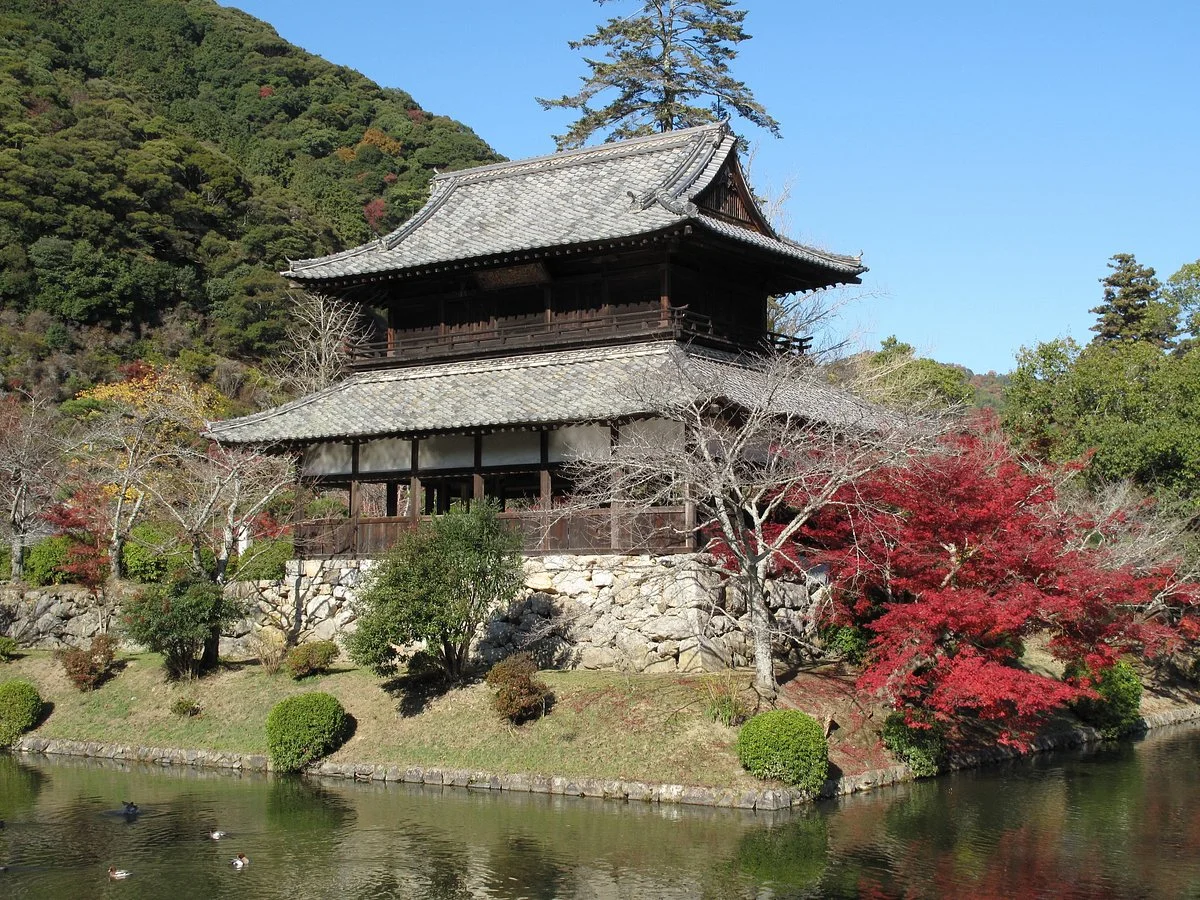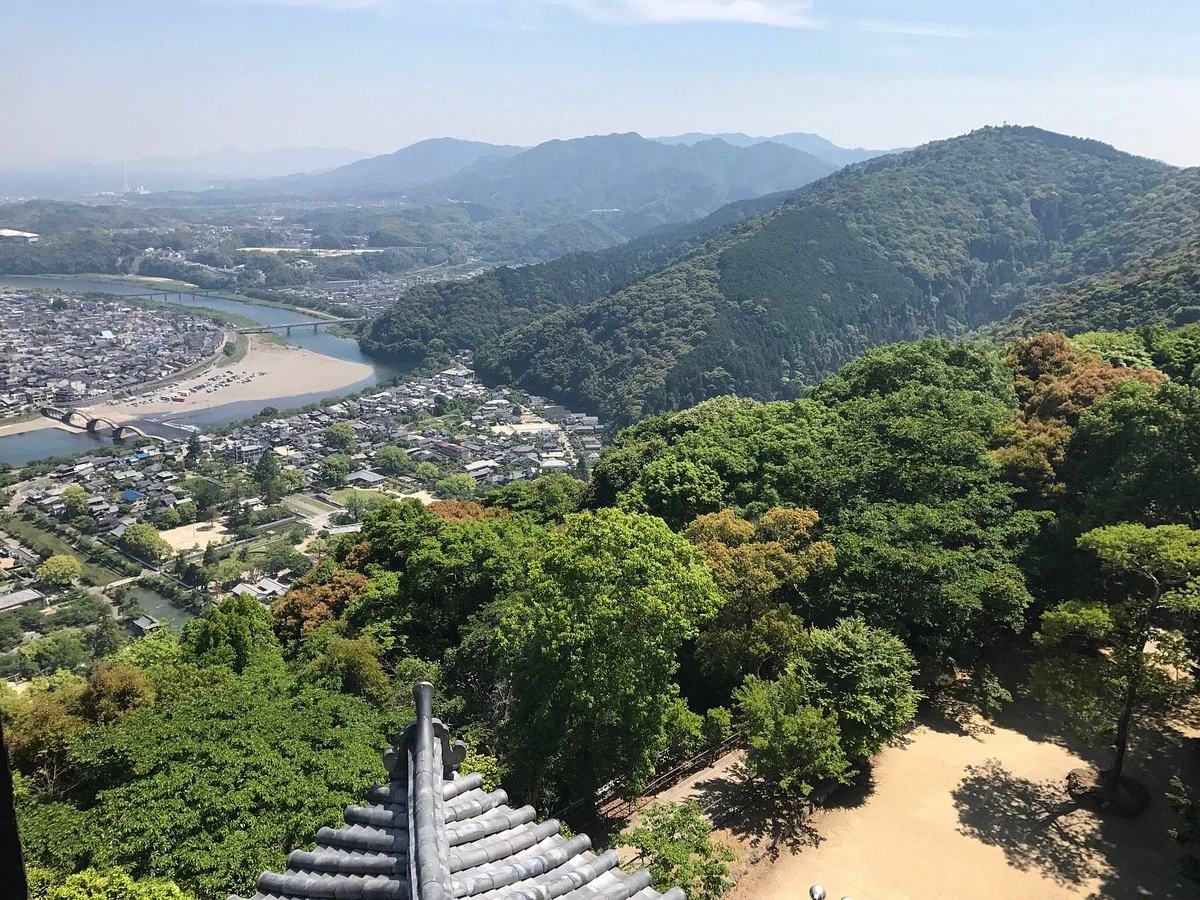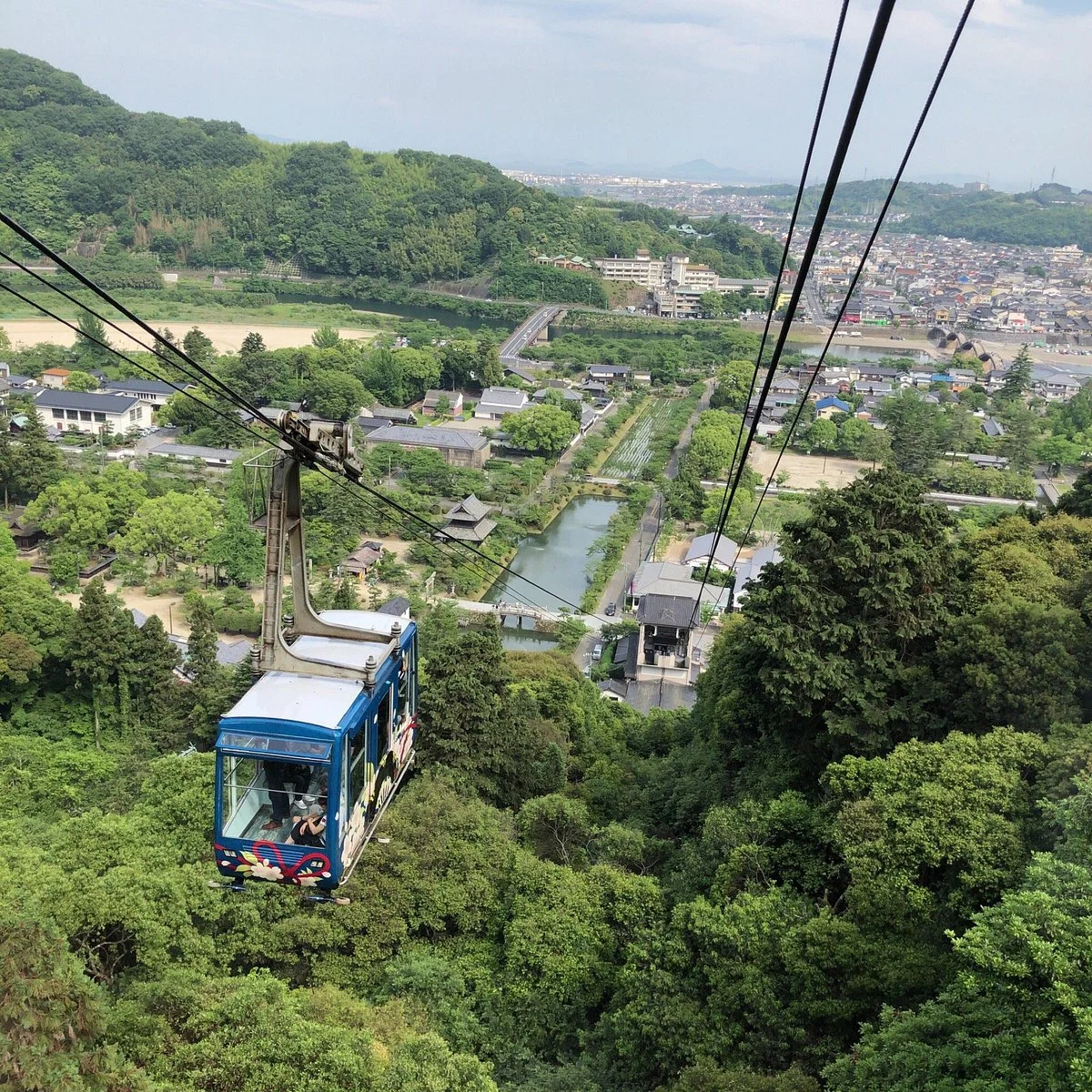
Iwakuni (岩国市, Iwakuni-shi) is a city located in Yamaguchi Prefecture, Japan. As of 1 June 2023, the city had an estimated population of 127,512 in 65182 households and a population density of 157 persons per km2. The total area of the city is 873.72 square kilometres (337.35 sq mi).
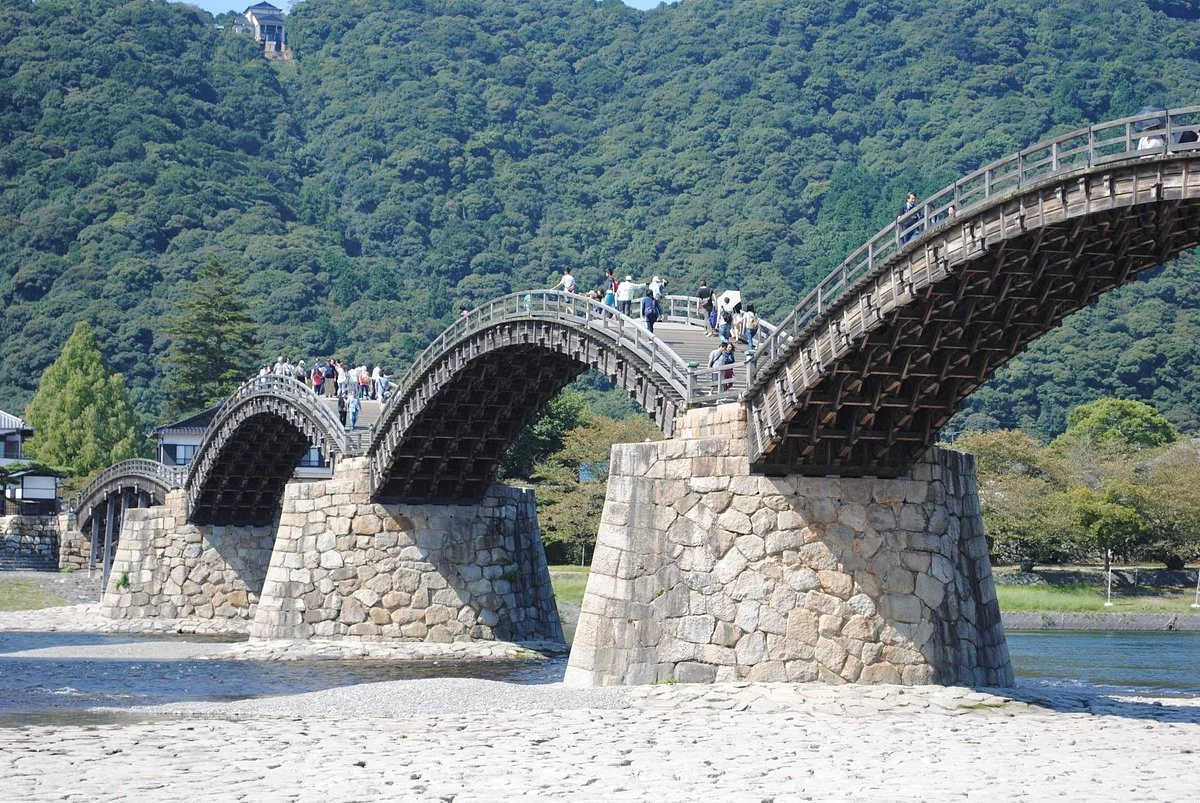
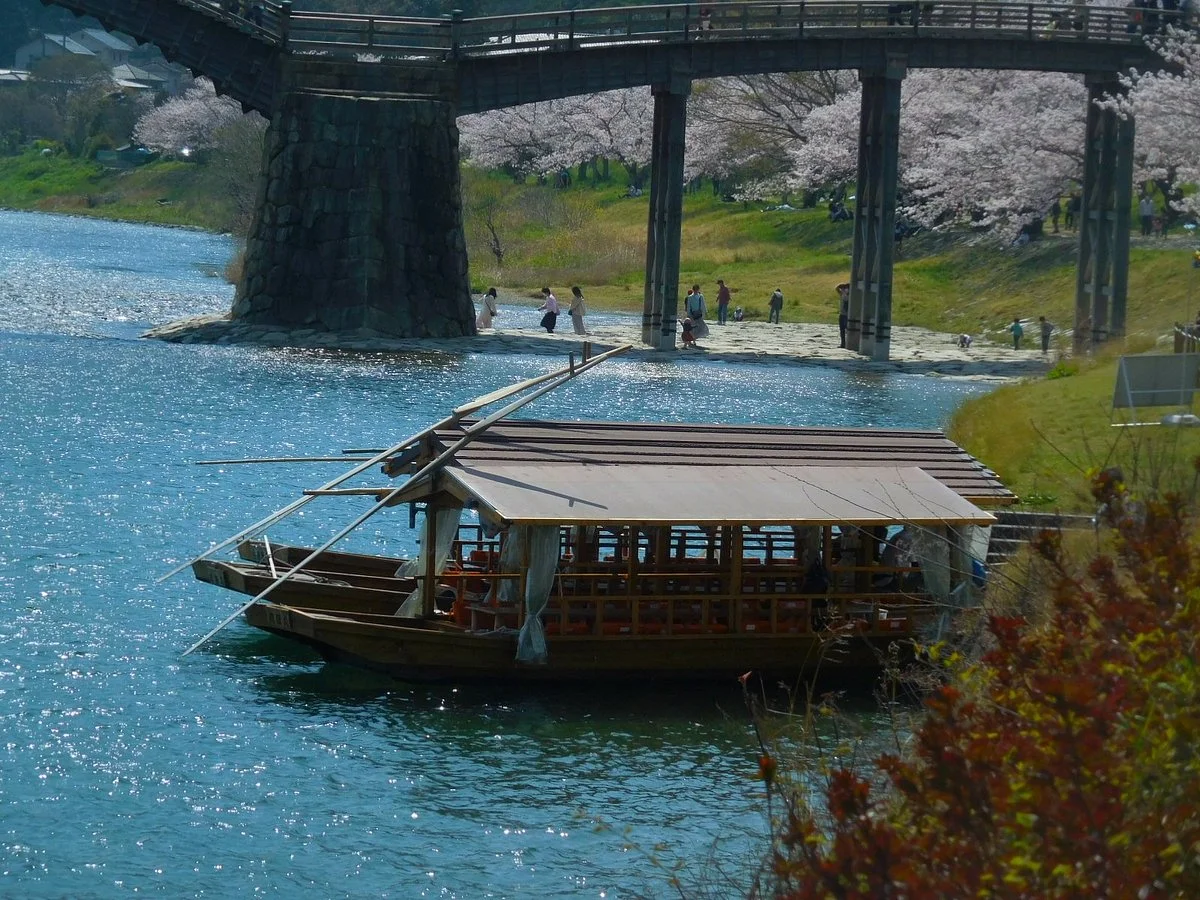
The ancient Japanese art of cormorant fishing (ukai) is a popular summer pastime; every night in June, July, and August, teams of fishermen in traditional dress use trained cormorant birds to catch fish. (The birds get to eat the small fry, but a ring around their necks keeps them from swallowing big ones.) With torches lighting the way, it's a memorable spectacle, and Iwakuni is one of the best places in Japan to see it due to the relatively smaller crowds. If you're not content watching from the banks of the river, you can join a boat () for ¥3500 adults, ¥2600 children. Boarding is 6:30PM next to Kintai-kyo, and fishing is from 20:00-21:00.
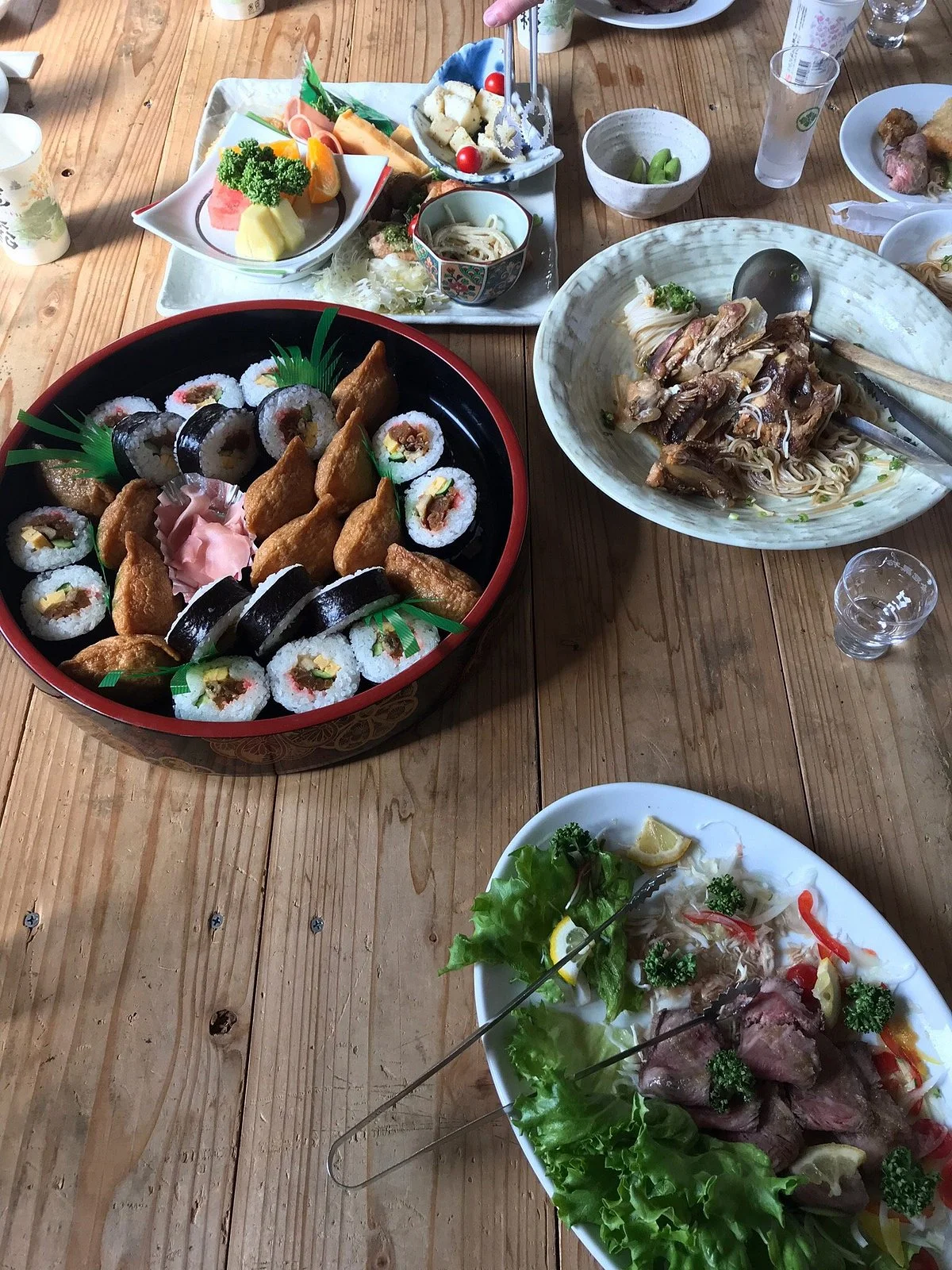
Iwakuni's main claim to culinary fame is a special kind of sushi, which is made with a square mold — not rolled in seaweed — and has some special flavorings such as chrysanthemum.
Iwakuni has become renowned for having an insane variety of ice cream. Within this small courtyard there are no fewer than 3 different ice-cream stores specializing in unusual flavors of soft-serve. One has 25 to choose from, another 50, and the smallest yet most famous of the lot has a whopping 100 flavors of ice cream including such classics as blueberry, chocolate, and garlic. You've probably seen this place on TV before, and if you haven't, well, you have now because the 100 flavor store plays the segment from their last encounter on loop on a monitor out the front. Loudly. The area is rather pretty and tends to attract a lot of stray cats (and if you're lucky, kittens) so feel free to let your inner child out for a bit and sit down licking ice cream whilst petting a happy feline. Joy. It's about 50 meters northwest of the bridge.
There are a few food tents near the bridge and Kikko Park, serving hot dogs, chicken, and other summer favorites.
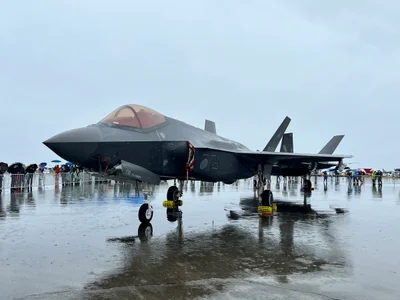
There isn't much in the way of nightlife in Iwakuni; many foreign residents head to Hiroshima to drink on weekends. There are bars in and around the military base, but the spectre of drunk Marines (real or imagined) tends to keep most Japanese at a distance.
As weather permits, there is a rooftop beer garden at the Iwakuni Business Hotel & Spa.
The most distinctive Iwakuni souvenir is the ishi ningyō (石人形), a doll made from stones under the bridge. The stones, in turn, are made of smaller pebbles glued together by excretions from a species of cricket. (Honestly.) If you'd prefer not to creep out your children, you might omit the fact that the dolls are meant to represent the souls of workers who died in the construction of the bridge.
Iwakuni can be easily visited as a day-trip from Hiroshima, where there are more plentiful accommodations. However, there are a few options in town.
=
The tourist attractions are all within walking distance of each other, near Kintai-kyo and the Nishiki River. Buses run from JR Iwakuni Station (¥240, 15 minutes) and Shin-Iwakuni (¥280, 15 minutes). A cheery cartoon map near the station makes it look like an easy walk, but the route is considerably longer (about 1 hour) and less direct than drawn. If you'd like to walk, though, head west on Route 2 from JR Iwakuni Station toward the Nishiki River.