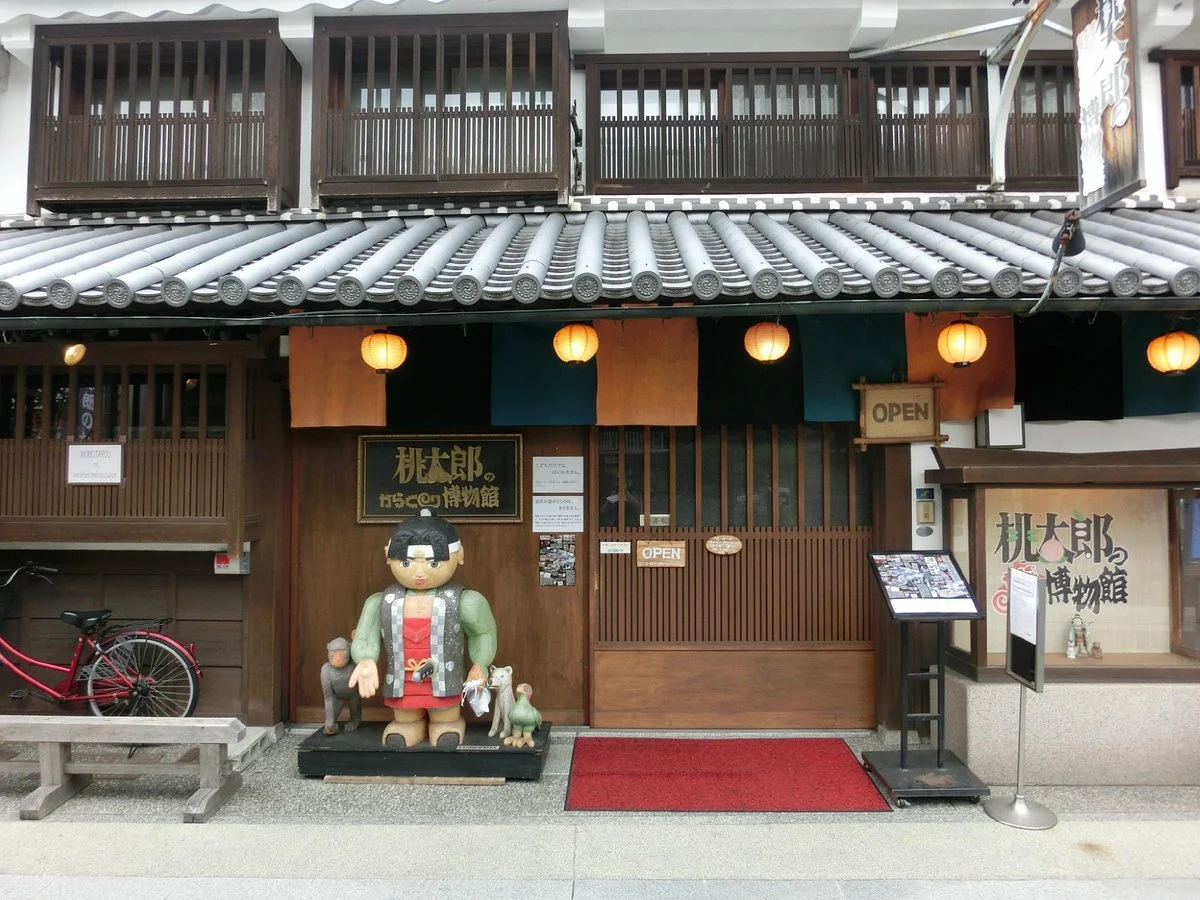
Kurashiki (倉敷市, Kurashiki-shi) is a city located in Okayama Prefecture, Japan. As of 31 March 2023, the city had an estimated population of 478,651 and a population density of 1300 persons per km2. The total area of the city is 355.63 square kilometres (137.31 sq mi).
Plenty of bars are clustered around the south exit of JR Kurashiki Station. In the Bikan area, Ivy Square (see Buy) has a nice beer garden.
If you have enough money to spend, you'll find some gorgeous traditional souvenirs to buy in Kurashiki. The city has been producing high-end textiles for more than two centuries, but locally-made blown-glass (ガラス) and the famed Bizen-yaki (備前焼) pottery are sold as well. Cheaper souvenirs and knick-knacks are available in the Ebisu-dori covered shopping arcade, which runs part of the route between the station and the Bikan area.
Although Kurashiki is an easy day-trip from Okayama, it's worth staying overnight to enjoy the late evening and early morning atmosphere of the Bikan area (without the daytime crowds).
=
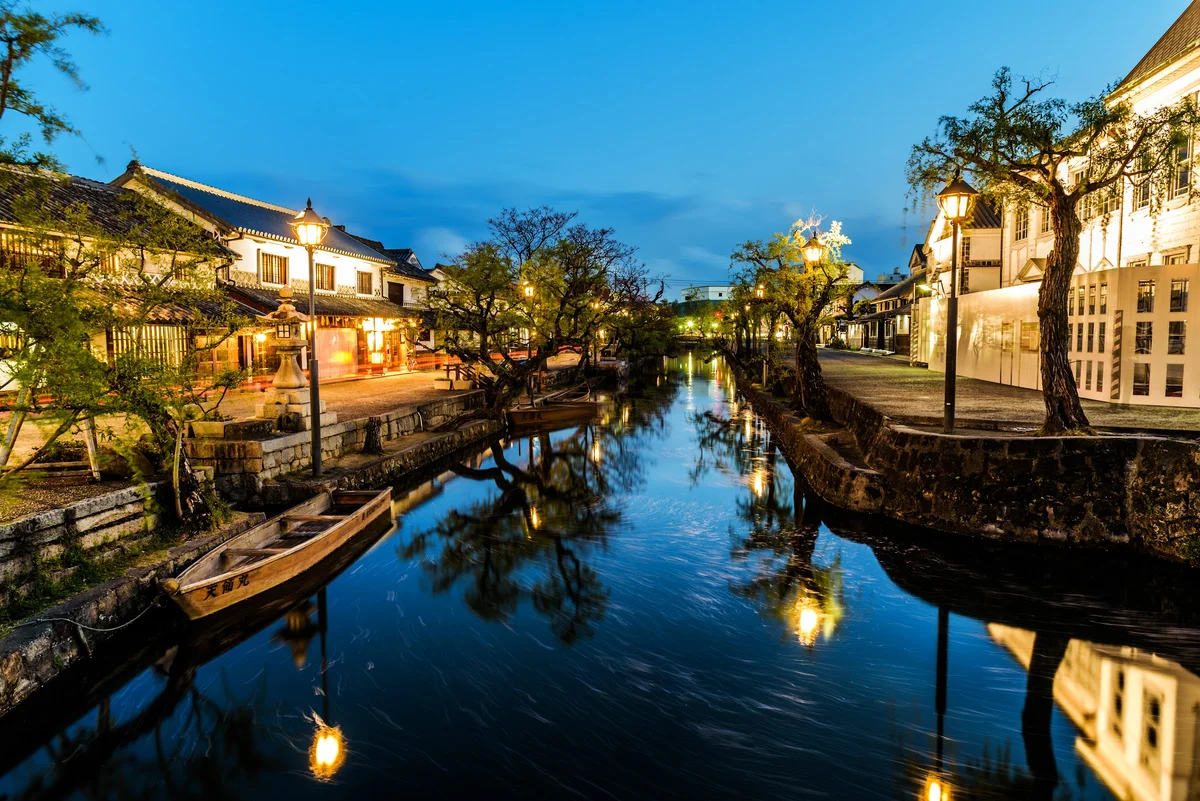
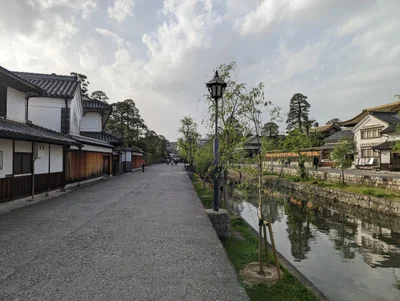
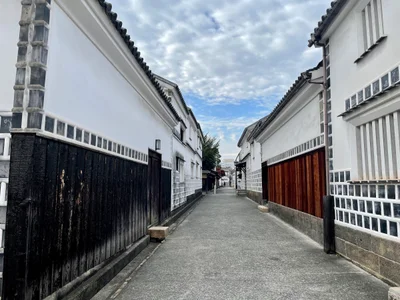
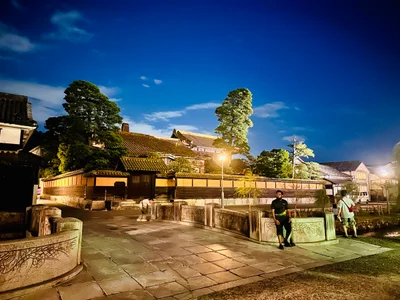
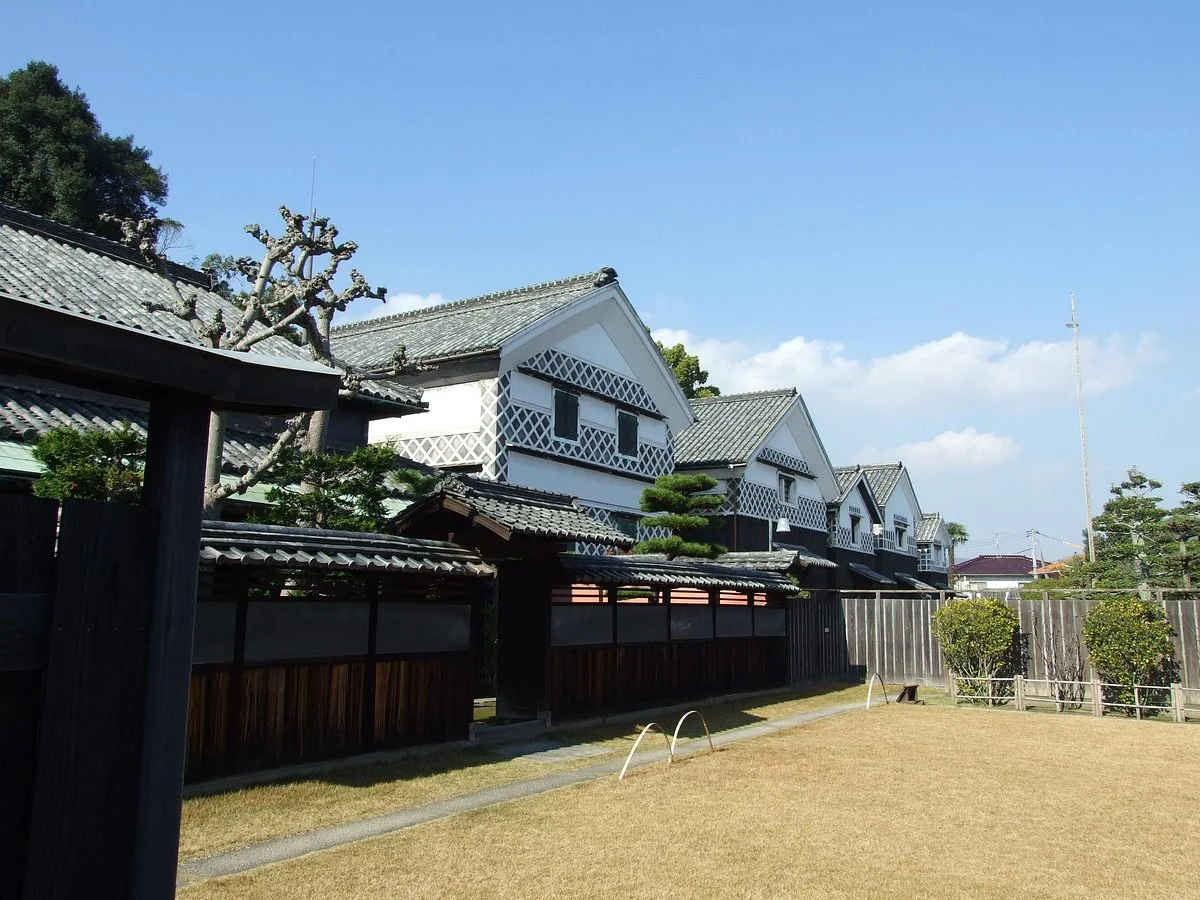
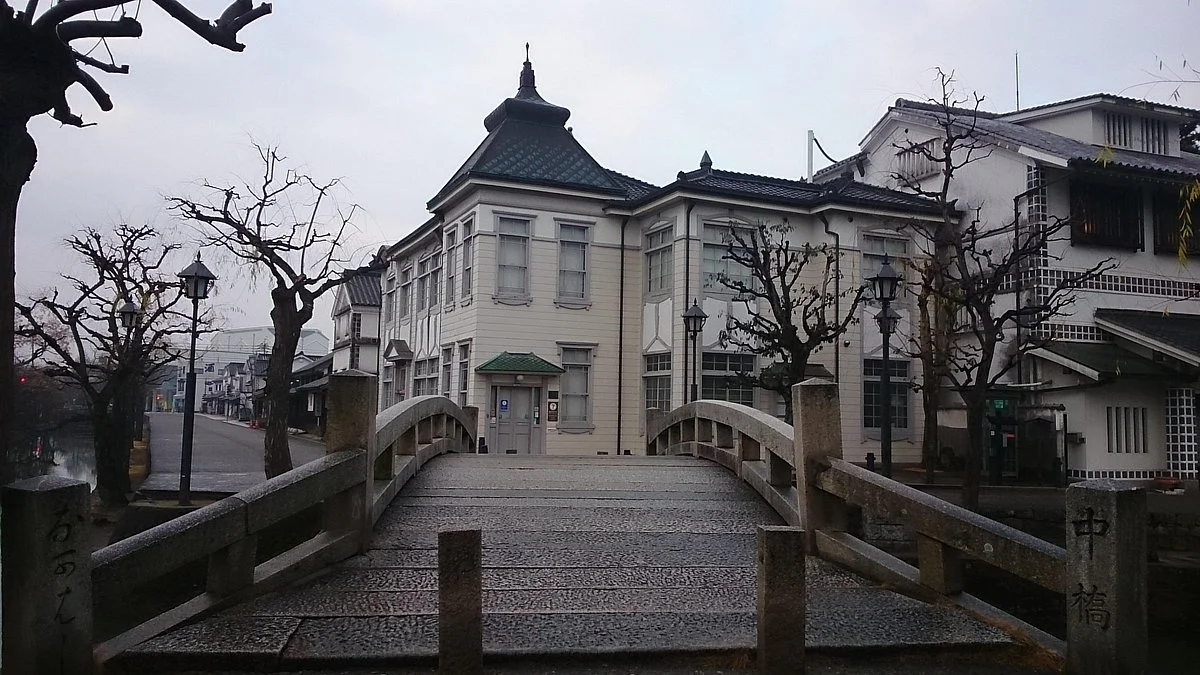
During the Edo period, Kurashiki did heavy trade with the capital in rice, sugar, and other goods. Later, during the Meiji Restoration (i.e. after 1868), the city became known for textiles. Kurashiki escaped World War II largely unscathed, and as a result, many of the original storehouses, mills, and shops remain in beautiful condition, open to visitors in the Bikan Historic Area.
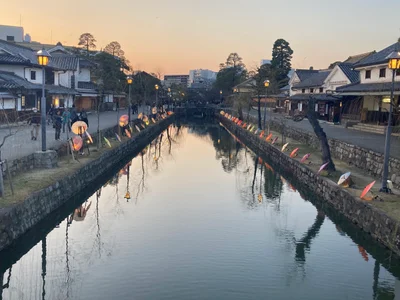
The effect is delightful — storehouses (倉 kura) with lattice windows share space with weeping willows along the banks of the old canal, which is illuminated at night. The canal has led some overly optimistic tourist associations to call Kurashiki "the Venice of Japan". If not that — the city surrounding the Bikan area is as much a concrete jumble as any other in the country — Kurashiki is still a rare piece of old Japan, one that gives a sense of where people lived and worked, not merely the temples at which they worshipped.