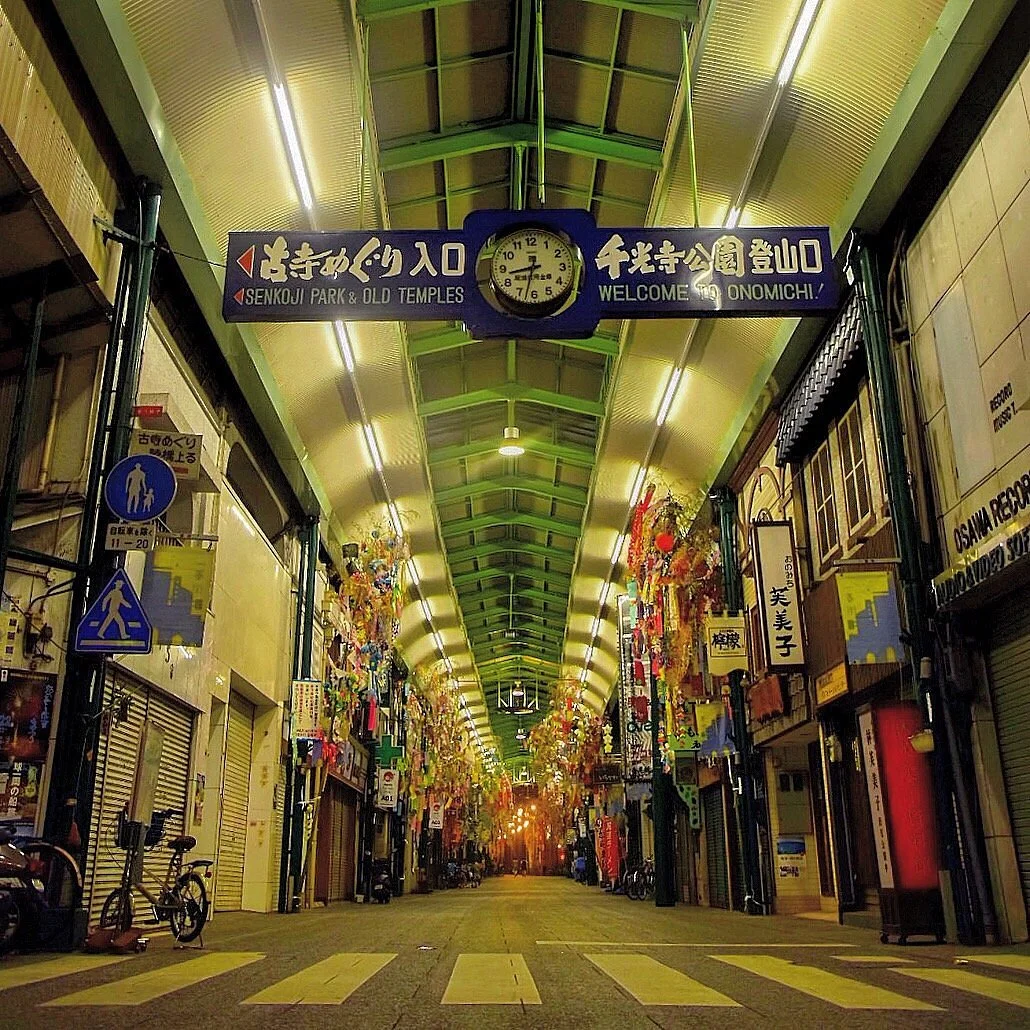
Get around A convenient bus shuttles through the town, with a terminal outside JR Onomichi Station.
Read more Eat The local specialty is Onomichi ramen, a variation of the ubiquitous noodle soup that would look suspiciously like the ordinary soy-flavored kind if not for the hint of fish paste in the stock and the gobs of melted lard floating on top. The cylindrical restaurant at the top of the Senkō-ji ropeway will happily serve you a bowl, as will nearly any restaurant in the station/harbor area.
• • Miyachi — Good, cheap ramen and fewer crowds, thanks to its slightly out-of-the-way location. And if you're sick of ramen, they serve tempura and soba, too. — Address: 1-6-22 Tsuchi-do — Hours: F-W 11:00-20:00 — Price: ¥500 — Phone: +81 848-25-3550
• • Shu — This is the most famous Onomichi ramen shop, in the midst of the craze since it began, but with only 20 seats inside, it tends to have pretty long lines. Former name Shukaen (朱華園). — Address: 6-16 Toyohimoto-machi — Hours: 11:00-17:00, closed Th and 3rd W — Price: ¥500 — Phone: +81 848-38-1020
• • Tsutafuji — Good ramen & beer. — Address: 2-10-17 Tsuchi-do — Hours: W-M 11:00-21:00 — Price: ¥500 — Phone: +81 848-22-5578
Read more See Onomichi is best known for two walks. The Path of Literature (文学のこみち Bungaku no komichi) is the shorter of the two, winding its way downhill from Senkōji Park back to the city. It features 24 stones, carved with memorable quotes from Japanese authors linked to Onomichi; alas, they're all in Japanese, but it's a pleasant stroll through woods, temples, and shrines just the same.
At the bottom of the hill, the path merges with the well-signposted Old Temple Loop (古寺めぐり Koji-meguri), which connects 25 of Onomichi's better-known temples in a 2km east-west walk. The western end is a short distance from the train station, beginning with the stone gate of Jikoji (持光寺); to start at the eastern end, take the bus to Jodoji-shita and head to Kairyuji (海龍寺).
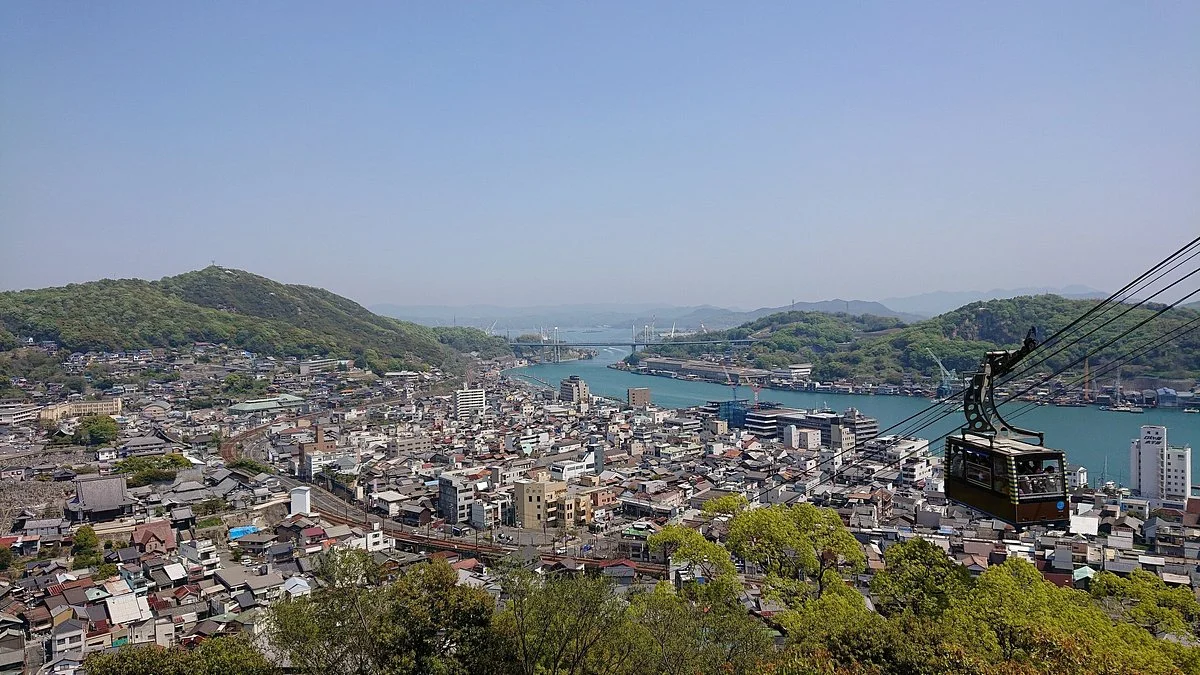
• • Senkō-ji Park — The starting point for the Path of Literature, Senkōji Park is famous for its cherry blossoms (in season); there are also great views of the Seto Inland Sea and Onomichi's massive shipyards. Located atop a small hill, the park is best reached on the Mt.Senkoji Ropeway (every 15 min between 09:00-17:15. ¥500/700 one-way/round trip adults, half-price kids). — Directions: Nagae-guchi bus stop — Phone: +81 848-22-4900 — Website: http://www.senkouji.jp/
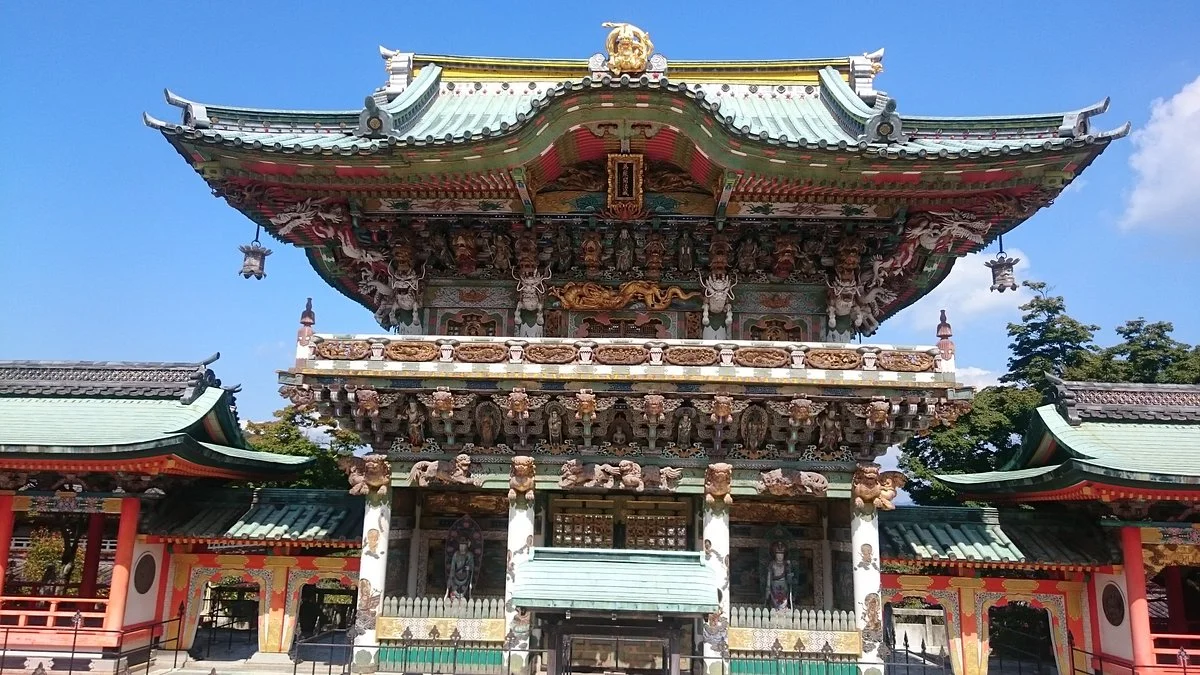
• • Senkō-ji — Halfway down the Path of Literature, this is the largest temple on the hill, and #7 on the Old Temple Loop. Senkōji's specialty is the grinning Niko Niko Jizō doll, the "always smiling protector of children" that most Buddhist sages would have a fairly hard time recognizing as the boddhisattva Ksitigarbha. Look for the massive Kyō-onrō (驚音楼) bell tower, which rings in the New Year for Onomichi. — Directions: Nagae-guchi bus stop — Price: Free — Phone: +81 848-23-2310 — Website: http://www.senkouji.jp
• • Jikō-ji — The first stop on the Old Temple Loop, Jikoji is notable mainly for its imposing stone gate and the chance to create your own nigiri botoke, a miniature Buddha statue that is made by squeezing a lump of clay in your fist; the temple will fire the clay and send you the finished product by mail (¥1500 plus postage). — Address: 9-2 Nishi Tsuchi-do — Price: ¥500 — Phone: +81 848-23-2411
• • Tenneiji — • 6 on the Old Temple Loop. The 500 statues in the Rakan Hall are an impressive sight, and best followed by a visit to the (unconnected) Maneki-Neko Museum next door, which has a whopping 1,500 statues of Japan's famous Lucky Cats. — Address: 17-29 Higashi Tsuchi-do — Phone: +81 848-22-2078
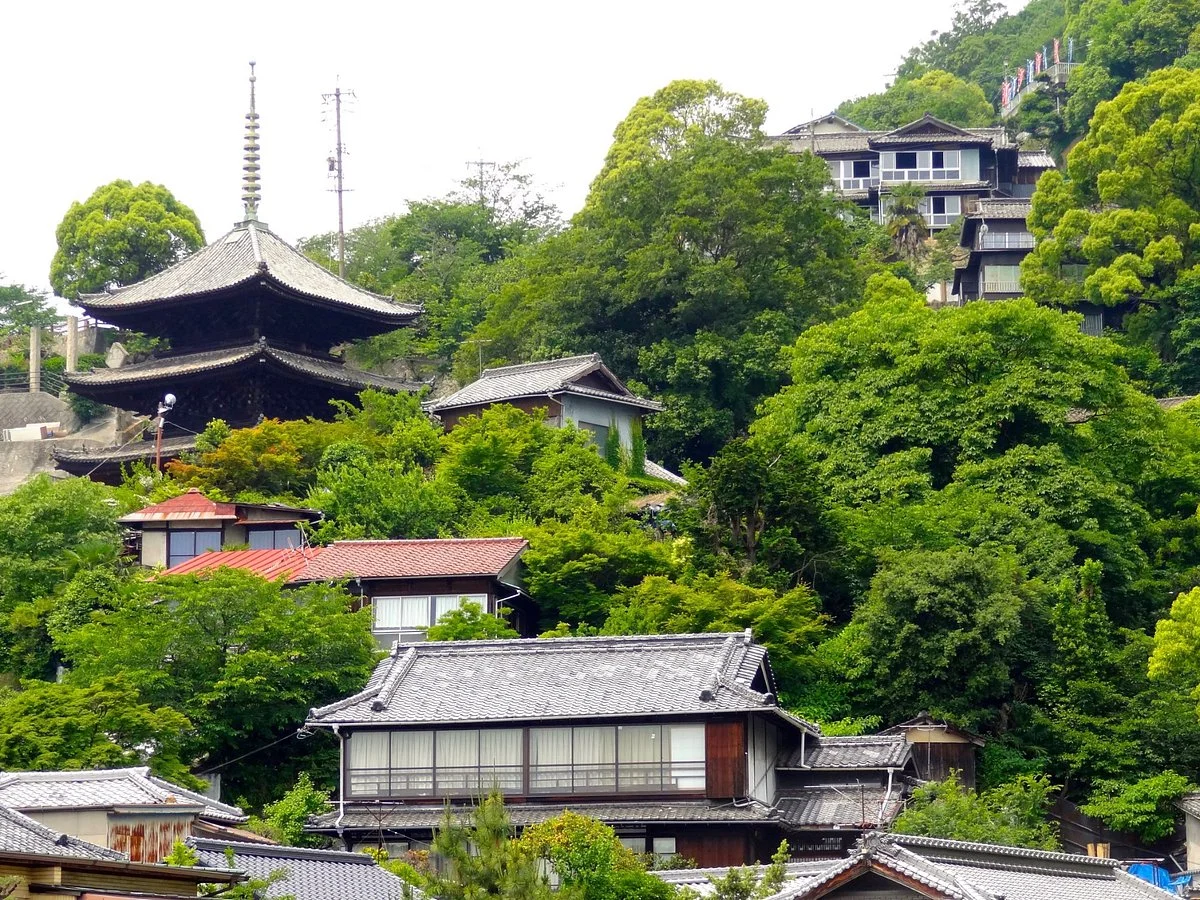
• • Saikokuji — • 17 on the Old Temple Loop. Giants tread here before you; check out the huge straw sandals hanging from the Niōmon Gate. The striking red pagoda is a National Treasure. — Address: 29-27 Nishi Kubo-cho — Directions: Saikokuji-shita bus stop — Price: Free to walk the temple grounds, ¥400 main hall — Phone: +81 848-37-0321
• • Jōdoji — • 23 on the Old Temple Loop. Jodoji is believed to have been founded more than 1400 years ago by Prince Shotoku, who wrote Japan's first constitution. Its main hall and pagoda are designated National Treasures, while the gate and Amida Hall are Important Cultural Properties. Despite the name, this is actually a Shingon (not Jodo) sect temple. — Address: 20-28 Higashi Kubo-cho — Directions: Jodoji-shita bus stop — Hours: 08:00-17:00 — Price: Free to walk the temple grounds; ¥500 garden, ¥400 treasure hall — Phone: +81 848-37-2361 — Website: http://www.ermjp.com/j/temple
• • Onomichi City Museum of Art — Features a modest collection of Chinese, Japanese, and Western art and handicrafts. However, the building itself tends to attract the most attention, having been redesigned by star architect Tadao Ando in 2003. — Address: 17-19 Nishi Tsuchi-do — Directions: Senkōji Park — Hours: Tu-Su 09:00-17:00 — Price: Free, special exhibitions ¥1000 — Phone: +81 848-23-2281 — Website: https://www.onomichi-museum.jp/english.html
Read more Do There is a handful of onsen in the vicinity of Onomichi, and there is also at least one sentō (public bath) in a downtown hotel.
• • Poppo no yu — If the residential neighborhood is uninspiring, once inside it will not matter. Offers several types of baths (different temperatures and types of water, an outdoor bath) and a sauna. Men/women separated. You can also eat there. — Directions: from Onomichi station, JA bus for the hospital (尾道総合病院, onomichi sōgōbyōin), Tottsu honsha (トッツ本社) stop, ¥510 one way ; going by foot (2km) may be possible — Price: adult ¥800, children ¥400, free under 3 ; towel rental ¥150 — Website: http://poppo.info/
Read more