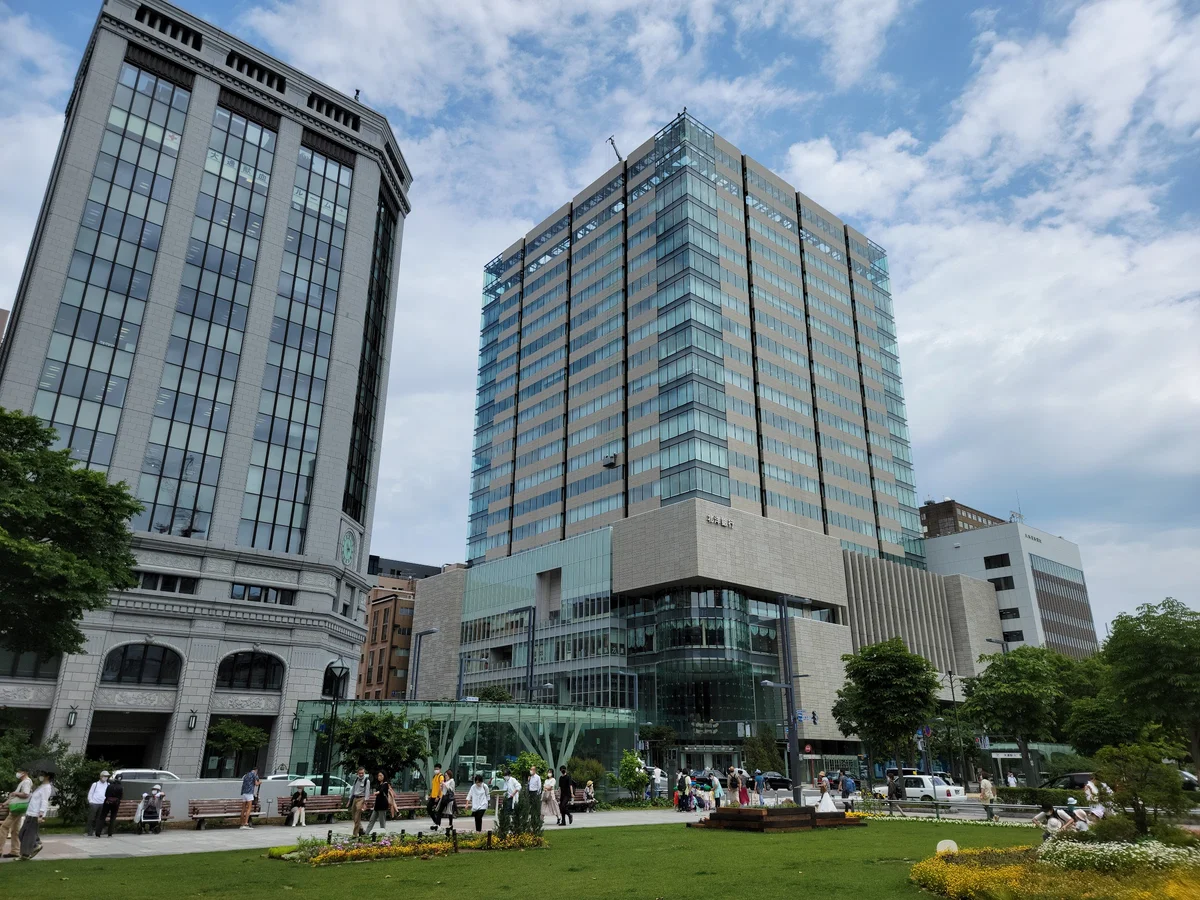
Sapporo (札幌市, Sapporo-shi, [sapːoɾo ɕi] ) (Ainu: サッ・ポロ・ペッ, romanized: Satporopet, lit. 'Dry, Great River') is a city in Japan. It is the largest city north of Tokyo and the largest city in Hokkaido, the northernmost main island of the country. It ranks as the fifth most populous city in Japan. It is the capital city of Hokkaido Prefecture and Ishikari Subprefecture. Sapporo lies in the southwest of Hokkaido, within the alluvial fan of the Toyohira River, which is a tributary stream of the Ishikari. It is considered the cultural, economic, and political center of Hokkaido.
As with most of Hokkaido, the Sapporo area was settled by the indigenous Ainu people, beginning over 15,000 years ago. Starting in the late 19th century, Sapporo saw increasing settlement by Yamato migrants. Sapporo hosted the 1972 Winter Olympics, the first Winter Olympics ever held in Asia, and the second Olympic games held in Japan after the 1964 Summer Olympics. Sapporo recently dropped its bid for the 2030 Winter Olympics. The Sapporo Dome hosted three games during the 2002 FIFA World Cup and two games during the 2019 Rugby World Cup. Additionally, Sapporo has hosted the Asian Winter Games three times, in 1986, 1990, and 2017 and the 1991 Winter Universiade.
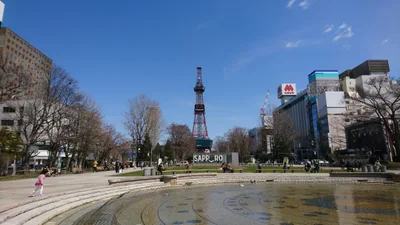
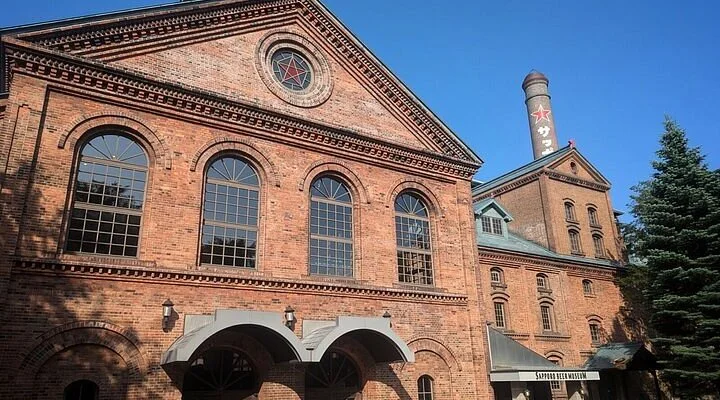
Sapporo is ranked first in the attractiveness ranking of cities in Japan. The annual Sapporo Snow Festival draws more than 2 million tourists. Other notable sites include the Sapporo Beer Museum and the Sapporo TV Tower located in Odori Park. It is home to Hokkaido University, just north of Sapporo Station. The city is served by Okadama Airport and New Chitose Airport in nearby Chitose.
Sapporo is famous for hairy crab (毛蟹 kegani), an expensive treat available at any seafood restaurant, and miso ramen (味噌ラーメン), a more affordable local variation of the ubiquitous noodle dish with miso paste added to the stock. The ramen in particular will warm you up nicely on a chilly winter day. Sapporo soup curry (just what it sounds like) is also increasingly famous.
As elsewhere in Hokkaido, you can also enjoy dairy products (milk, cheese, butter, chocolate and ice cream), seafood (especially as sushi), fruits (honeydew melon, strawberries) and meat (sausages, ham, bacon and beef).
Kuwanomi (桑の実) is a popular mulberry. It is red or black in color and sweet. Preserved kuwanomi can be made into jam, which is a traditional food. In elementary schools, students make kuwanomi jam every year.
The drink of choice when in Sapporo is obviously Sapporo Beer, and a good option for this is the Beer Museum (see See). Susukino (すすきの), to the south of the center, is one of Japan's largest nightlife (and red-light) districts, which was created to keep labourers in Hokkaido. It has a somewhat unsavory reputation due to heavy yakuza involvement in the business, but is safe for travelers not looking for trouble. Get there on the subway Namboku line, Susukino station.
For those living in Japan who have an omiyage (souvenir) obligation to fill in your Japanese office when you return from your Hokkaido holiday, the best omiyage to buy in Sapporo is the ubiquitous Shiroi Koibito (白い恋人, "White Lovers"). It is a chocolate slice sandwiched in two wafers of sweet biscuit, individually wrapped and available boxed in a range of different quantities — tasty enough, but rather bland, and few Westerners would associate the taste with Japan. The original flavour is white chocolate sandwiched in plain sweet biscuit, but there is also a dark chocolate version. It's available in every souvenir store in the city (try the Sapporo JR area or Tanuki Koji Shopping Arcade when shopping for souvenirs), and also most souvenir stores around the island.
Being a wintery kind of place for a good part of each year, Sapporo also has many stores selling all manner of snow goods. At the beginning and end of each season, many good deals on the previous year's gear can be found, often at discounts of up to 60% off, sometimes more! Also, there are several sports recycle stores in the city and suburbs where good deals on barely-used gear can be found, thanks to the Japanese fondness for having new gear every season. Ask Tourist Information to help you locate second-hand sports and snow-gear stores. One such second-hand chain is Hard Off, which can be found all across Japan. Generally, the more remote the Hard Off is, the more likely you are to find a treasure!
Sapporo is Hokkaido's main transport hub.
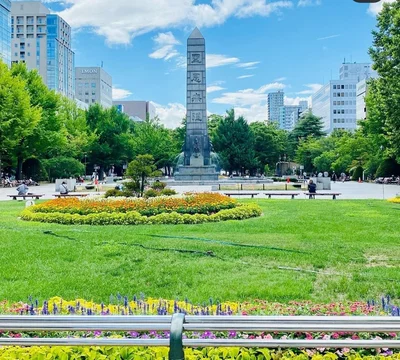
Most unusually for a Japanese city, Sapporo is logically organized thanks to its strict grid system. The main thoroughfare, the leafy Ō-Dōri (大通り, literally "Big Street"), runs east-west across the city and divides the city into North and South, while Sōsei-Gawa (創成川, literally "Creation River") divides the city into West and East, running under the main street Eki-Mae-Dōri (駅前通, literally "In Front of the Train Station Road"). The address of every block in the center is thus of the type "North X West Y" (prominently signposted at all intersections), making navigation a snap. However, most businesses provide maps to their location, building names or landmarks, because the address "North X West Y" or the like simply means that the place you are trying to find will be somewhere in the block, and blocks in the center of the city can be quite large!
Two public transportation smart cards are sold in the Sapporo area; JR Hokkaido's Kitaca and the Sapporo City Transportation Bureau's SAPICA. While the Kitaca can be used on the buses, subway and streetcars, the SAPICA cannot be used on JR trains, making the Kitaca the better choice for most visitors. If you are coming from elsewhere in Japan, the major smart cards from other regions such as Kanto's Suica and PASMO, and Kansai's ICOCA are fully interchangeable with Kitaca, meaning that you do not need to purchase an extra smart card.
Sapporo's population has grown from seven in 1857 to nearly 2 million in 2021.
Welcome to SAPPORO is the city's official multilingual guide site.