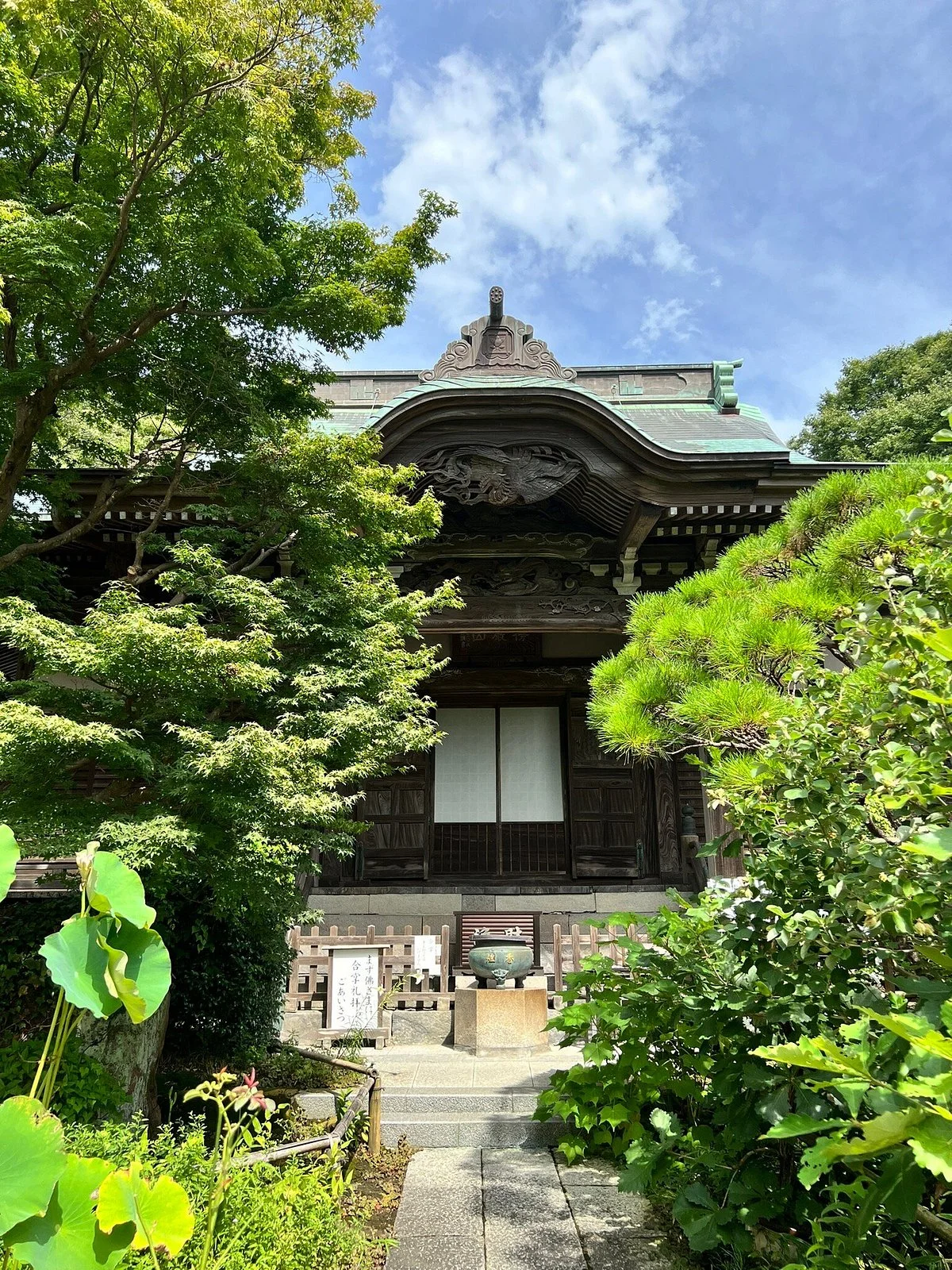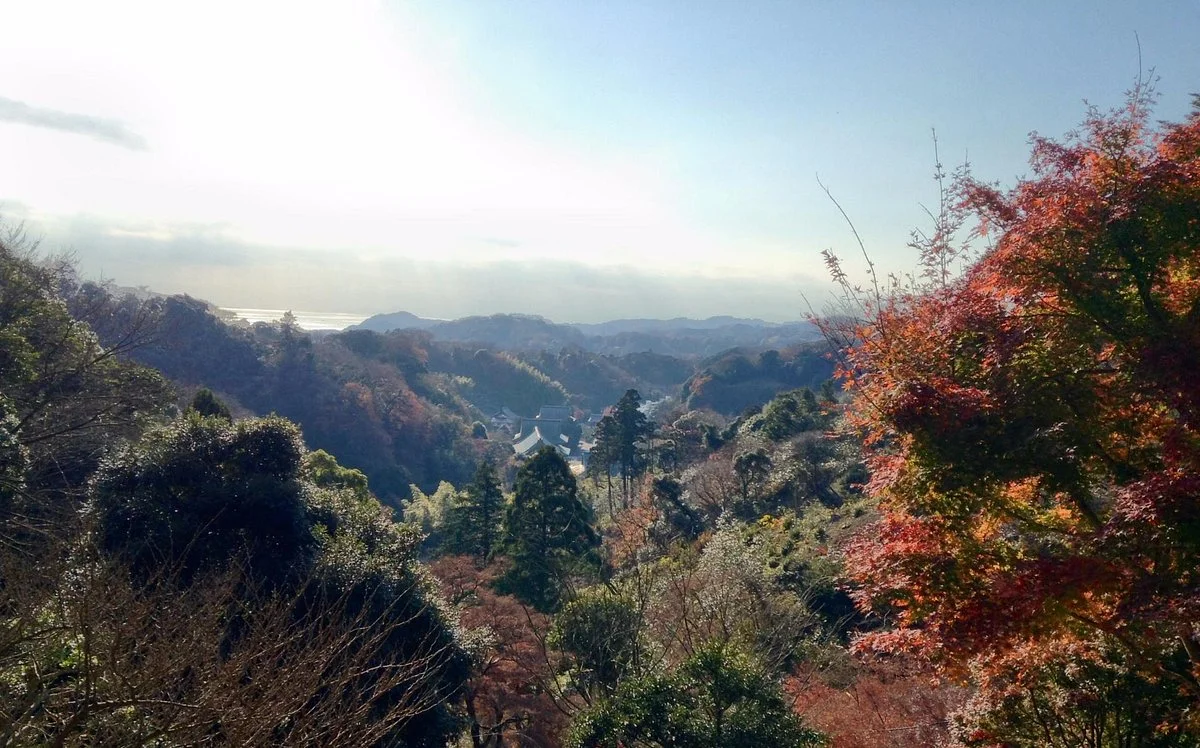
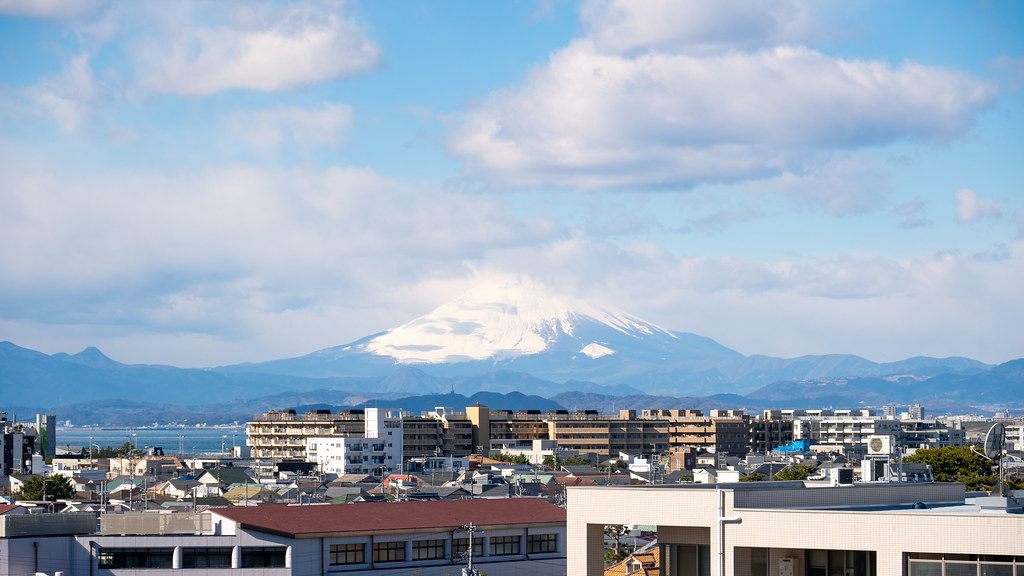
Kamakura (鎌倉, Kamakura, [kamakɯɾa] ) officially Kamakura City (鎌倉市, Kamakura-shi) is a city of Kanagawa Prefecture in Japan. It is located in the Kanto region on the island of Honshu. The city has an estimated population of 172,929 (1 September 2020) and a population density of 4,359 people per km2 over the total area of 39.67 km2 (15.32 sq mi). Kamakura was designated as a city on 3 November 1939.
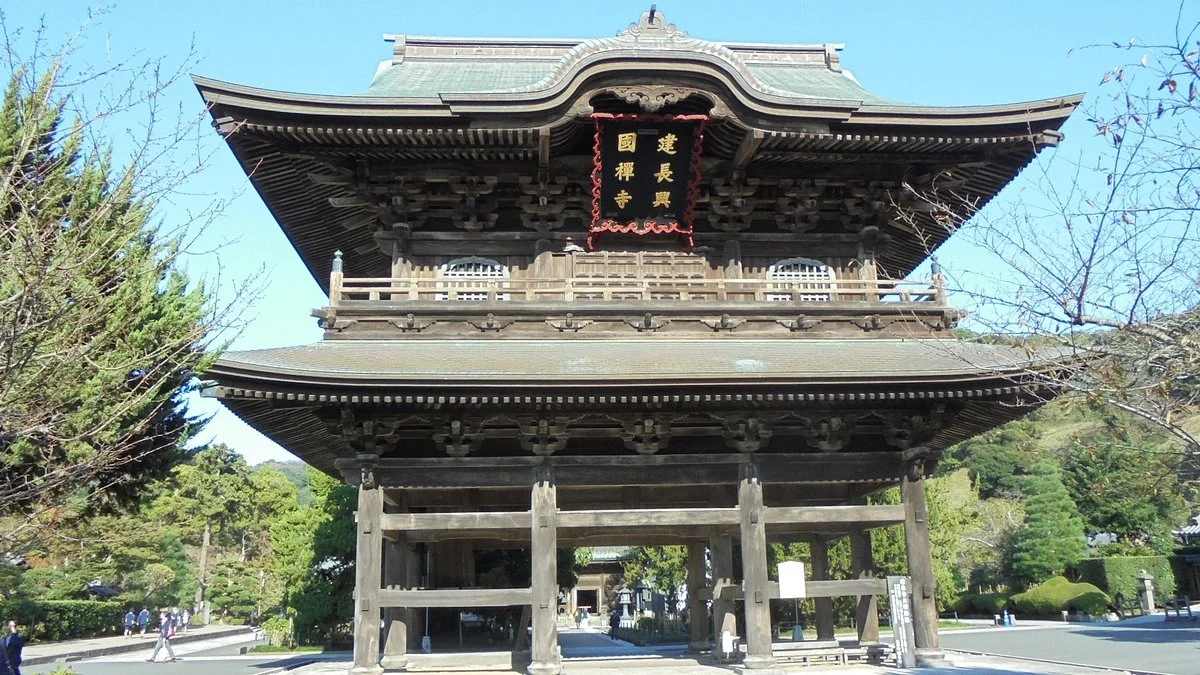
Kamakura is one of Japan's ancient capitals, alongside Kyoto and Nara, and it served as the seat of the Kamakura shogunate from 1185 to 1333, established by Minamoto no Yoritomo. It was the first military government in Japan's history. After the downfall of the shogunate, Kamakura saw a temporary decline. However, during the Edo period, it regained popularity as a tourist destination among the townspeople of Edo. Despite suffering significant losses of historical and cultural assets due to the Great Kantō Earthquake in 1923, Kamakura continues to be one of the major tourist attractions in the Kanto region, known for its historical landmarks such as Tsurugaoka Hachimangū and the Great Buddha of Kamakura.
Kamakura's sights are scattered around the city. Most visitors make a beeline for the Great Buddha and stop off at Hase Kannon on the way; these sights can be very crowded on weekends and holidays.
There are a large number of places to eat in the vicinity of the train station. For a snack, try the local specialty, purple potato soft ice cream (murasaki-imo sofuto), which tastes much better than it sounds (or looks). It is made from the purple sweet potato found throughout Japan.
In Komachi street, there is a rice cracker (senbei) shop where you can toast your own senbei. One cracker costs about ¥200.
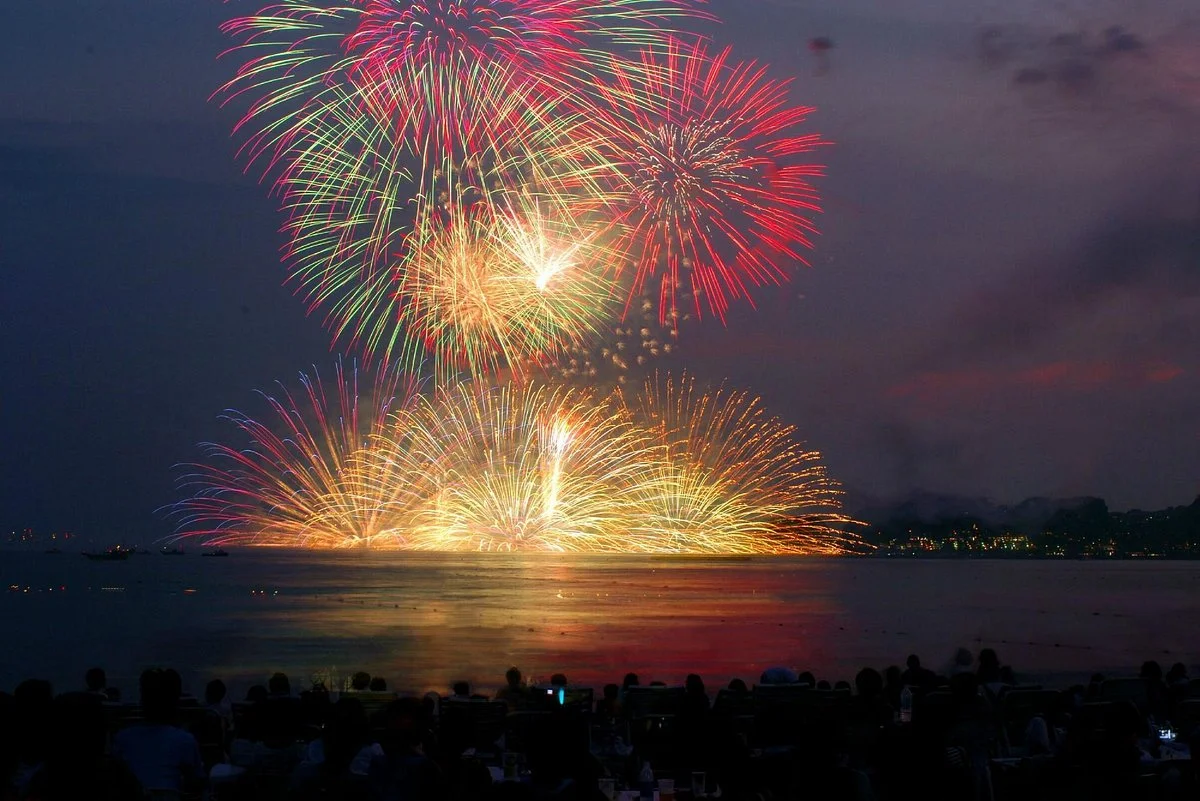
During the summer months, many temporary bars are set up on the beach due south from the train station, some of them feature live bands and DJ's and it's generally a very good atmosphere. And don't miss the last train home if you are staying in Tokyo, last minute accommodation late in the evening is simply not an option during the busy summer months.
Kamakura is famous for a biscuit called Hatosabure (鳩サブレー), a biscuit shaped like a pigeon. Sold next to Kamakura station and a very popular omiyage (souvenir) among the Japanese.
Alternatively, combine good taste with bad taste by purchasing a pack of Giant Buddha shaped pastries stuffed with red bean paste, sold at the souvenir stands in and near Kotokuin.
Most visitors daytrip from Tokyo, but there is a pretty good selection of accommodation if you want to spend the night.
Kamakura is a very popular day trip from Tokyo for locals and tourists alike, and there are plenty of transportation options.
Kamakura is just a little too big to cover on foot, but a network of buses radiates out from the train station. Kotokuin and Hasedera can also be reached by taking the Enoden line three stops out to Hase station. Another option is to rent a bicycle for your tour.
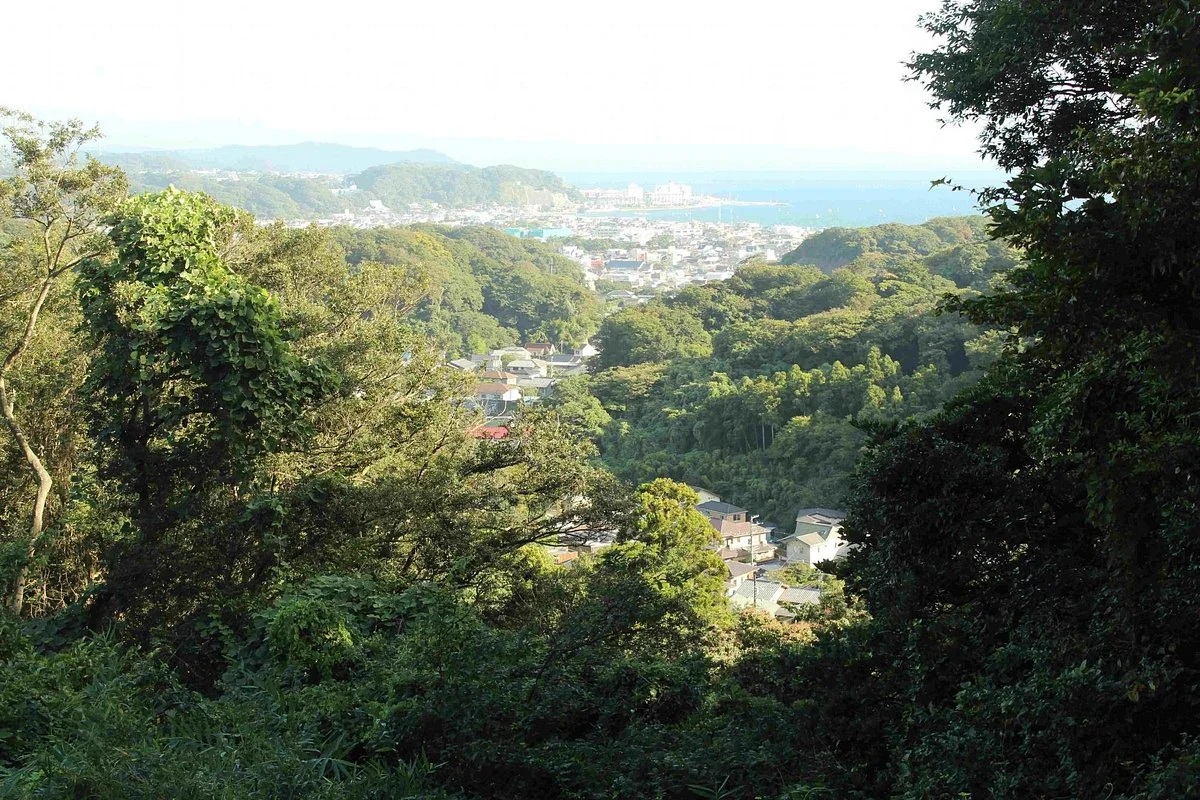
Nevertheless, for the energetic ones, there is a nice hike starting from Jōchiiji temple and ending near the Kōtokuin. You will walk, with some climbing, through forest. The hike also passes through Zeniarai Benten Shrine, if you are curious about the money washing ceremony. The hike takes about 3 hours, if you also stop and visit the temples along the way. Even in summer, the shade on the path manages to keep the temperature bearable. If you are on a day-trip, doing the hike limits a bit the chances of visiting some of the less reachable temples. An easy way to get to Jōchiiji temple is to take the JR Line train from Kamakura station to Kitakamakura Station where the temple can be found by exiting the station, turning left and walking 500 m up the road. The walk starts to the left of the temple and you are not required to pay the ¥200 entrance fee to the temple to start the hike.