Kawasaki (川崎市, Kawasaki-shi), [kawasaki] ; is a city in Kanagawa Prefecture, Japan, one of the main cities of the Greater Tokyo Area and Keihin Industrial Area. It is the second most populated city in Kanagawa Prefecture after Yokohama, and the eighth most populated city in Japan (including the Tokyo Metropolitan Area).As of October 1, 2017, the city has an estimated population of 1,503,690, with 716,470 households, and a population density of 10,000 persons per km2.
Kawasaki is the only city in Japan with more than one million inhabitants that is not a prefectural capital.
The total area is 142.70 km2 (55.10 sq mi).
Kawasaki is largely an industrial area and residential suburb — as typical in Japan, not much distinction between the two is made. But there's one very large temple and one very offbeat shrine to draw in the occasional curious tourist.
Previously long thought of as a working-class, blue collar, industrial city with little to offer in terms of the sophistication of Tokyo or the internationalized flair of Yokohama, central Kawasaki was revitalized and is a modern city. The area around the station is quite clean and modern, very safe and convenient and offers good value in terms of eating establishments. You will not find much in the way of notable or must-eat culinary restaurants but you will find very competent and reasonable dining, particularly on the east side of the station and in the Azalea Underground Arcade connected to the east exit of the station, where about 40 restaurants line on a straight corridor.
Wakamiya Hachiman has a wonderful selection of amulets promising fertility, sexual prowess and protection from disease. Prices ¥500-1000, and some of the revenue goes to HIV/AIDS research.
In festival time, a little market selling penis-shaped candies and other sexual paraphernalia pops up on the shrine grounds.
There is no compelling reason to stay here overnight and most visitors daytrip from Tokyo, but if you are splitting time between Tokyo and Yokohama and your destinations are on the JR Tokaido Line or the Keihin Kyuko Line and the hotels in Shinagawa are all sold out, Kawasaki might be a good alternative as there are many inexpensive business hotels in the Kawasaki area. Outside of the central business districts there's a large highwayside cluster of motels in Shin-Maruko, near the Tama River.
=
The surprisingly rustic Keikyū Daishi Line (京急大師線) putters through people's backyards, and is useful for the three-stop trip from Keikyu Kawasaki to Kawasaki Daishi. From Shinagawa, it takes about 20 minutes total at a cost of ¥230.
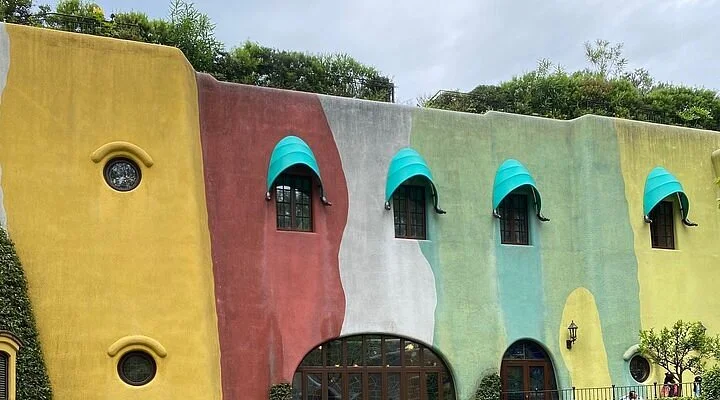
Kawasaki has been an important city of trade since the days of the Tokugawa Shogunate, as a stop on the Tokaido road between Tokyo and Kyoto. With a population of over 1.5 million (2020), Kawasaki is the ninth most populated city in Japan, but it's sandwiched between Japan's two largest cities, Tokyo and Yokohama, and consequently ignored by the vast majority of tourists zooming between the two. There are attractions, though, that make Kawasaki a unique side trip, including a Buddhist temple that ranks as one of Japan's top three most visited temples during the New Year, a Shinto fertility shrine that hosts one of Japan's wackiest festivals, and an underrated open-air museum.
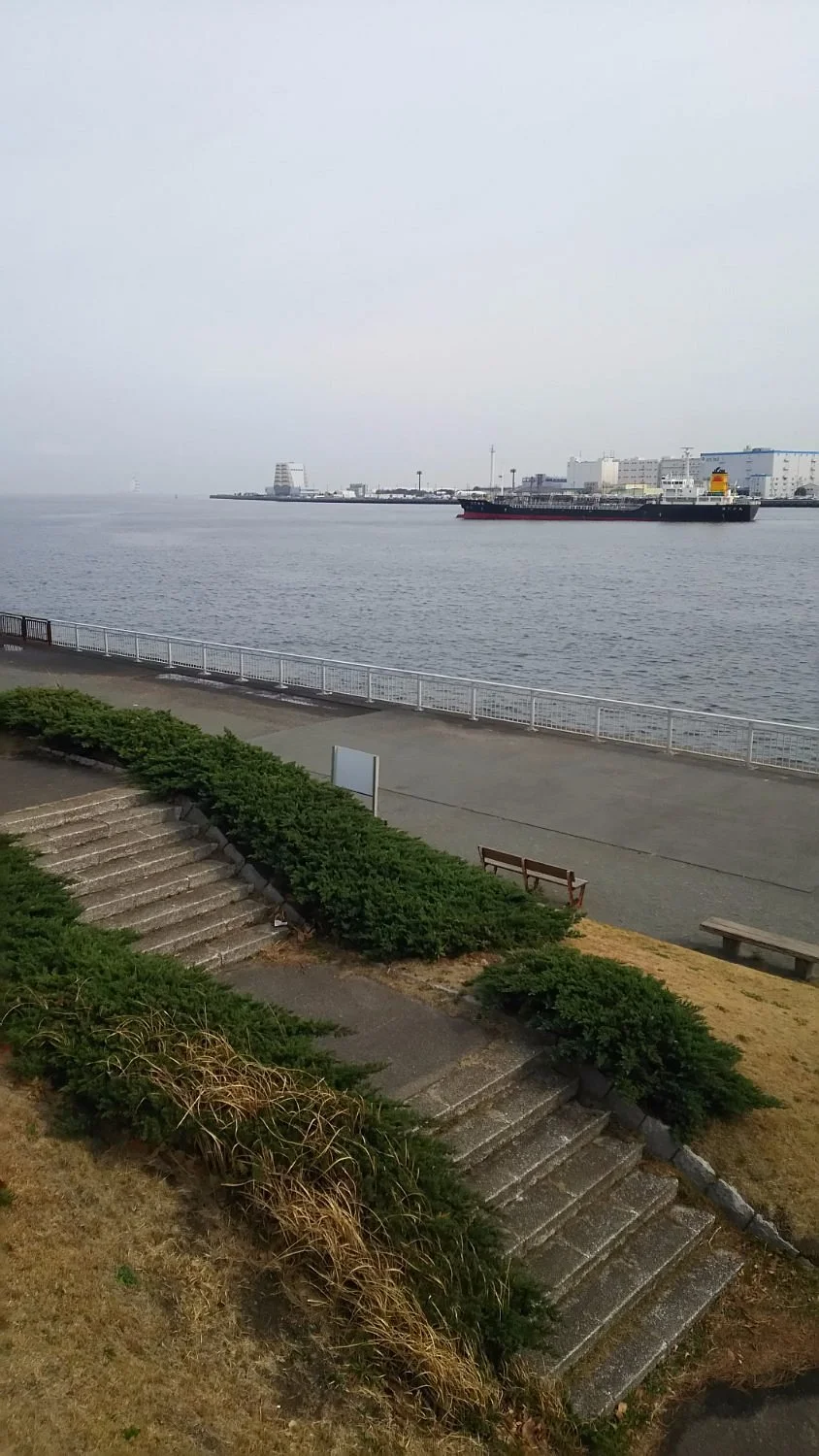
Geographically, Kawasaki lies in the middle of the Keihin (Tokyo-Yokohama) region, separated from the Tokyo metropolis by the Tama River, which it roughly follows, and is divided into seven wards. The eastern part of Kawasaki, along Tokyo Bay, contains industrial work areas and blue-collar housing, while more upscale buildings can be found in the Tama Hills further west and inland.