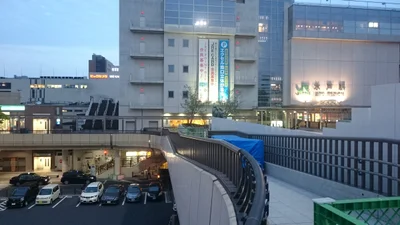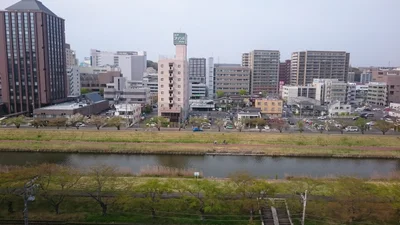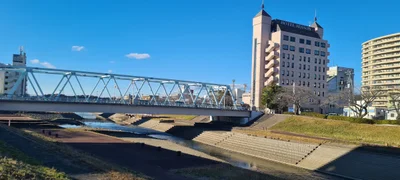
Mito (水戸市, Mito-shi) is the capital city of Ibaraki Prefecture, in the northern Kantō region of Japan. As of 1 January 2024, the city had an estimated population of 268,036 in 126,055 households and a population density of 1,233 persons per km2. The percentage of the population aged over 65 was 27.1%. The total area of the city is 217.32 square kilometres (83.91 sq mi).
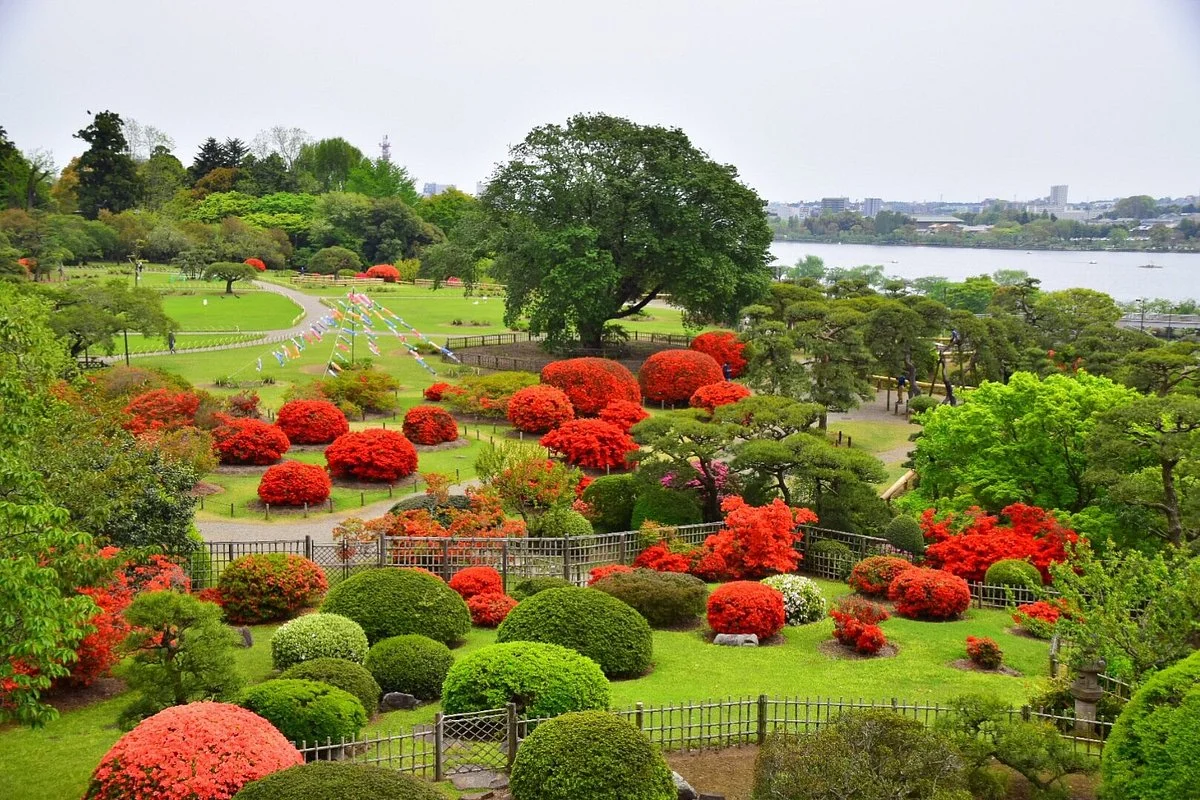
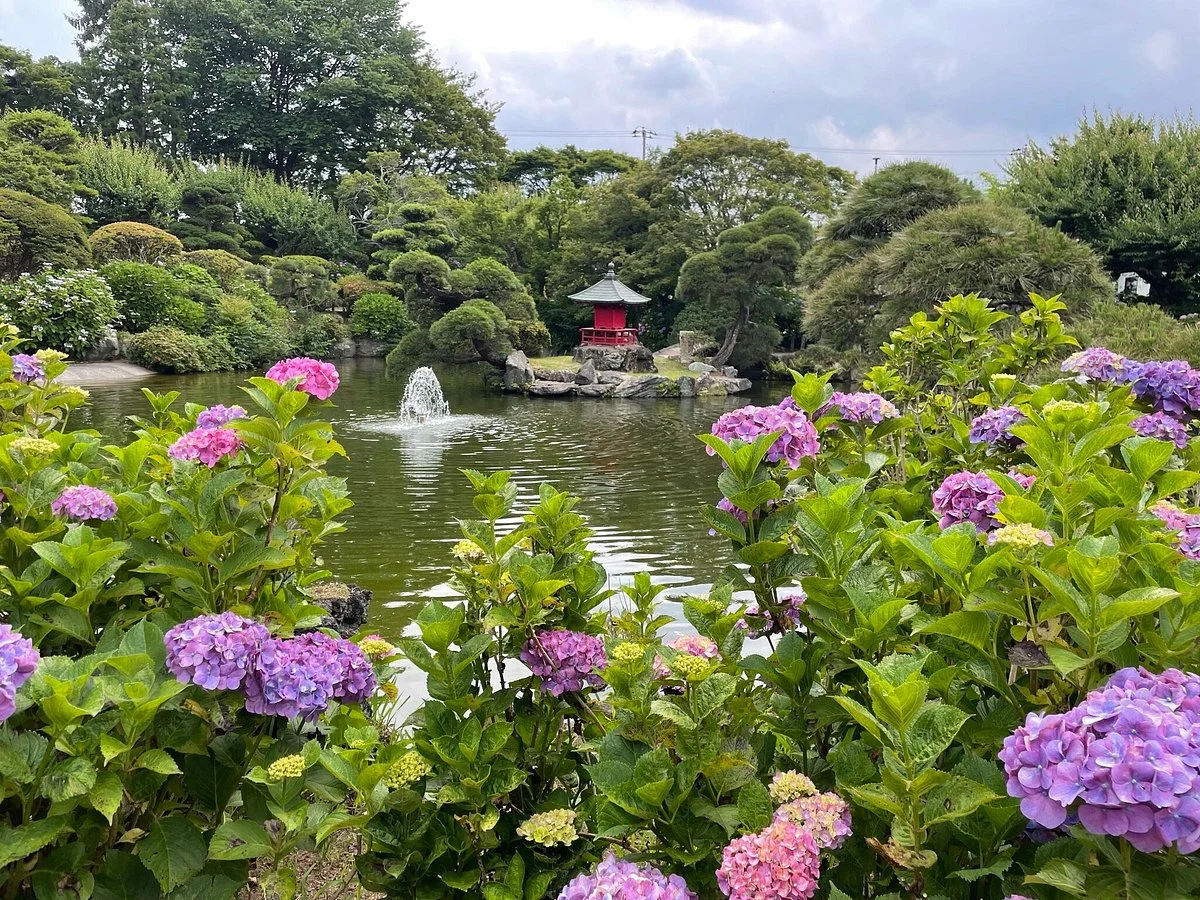
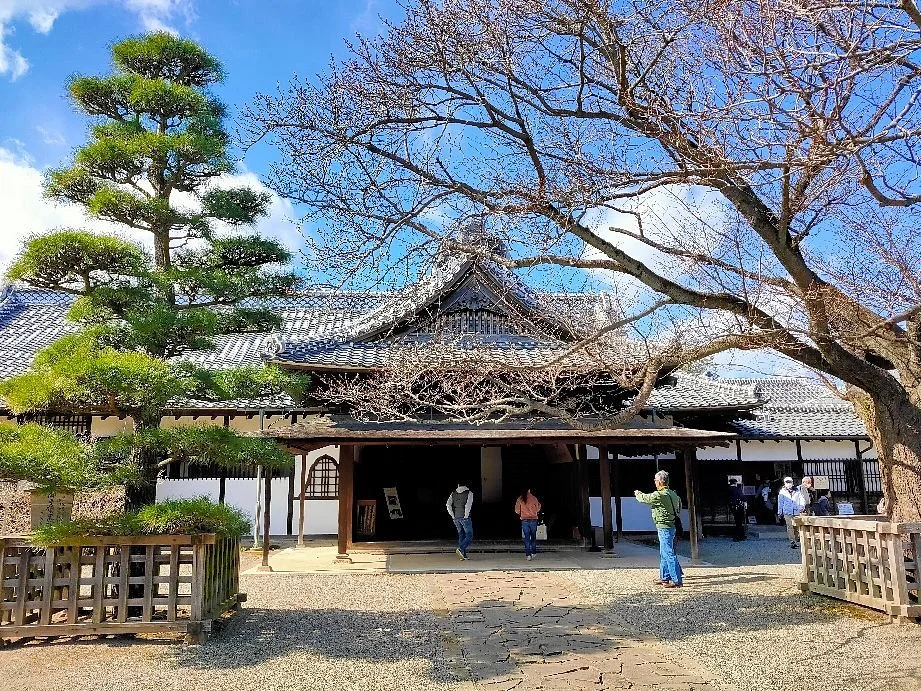
| address= | lat=36.3753 | l140.4523 | directi | ph+81 29-244-5454 | tollfree= | hours=Apr 1-Sep 15 0:600-19:00 ; Sep 16-Mar 31 07:00-19:00 | price=Only parking charges if applicable | image=Kairakuen_Kobuntei.jpg | lastedit=2015-09-13 | cOne of Japan's Top 3 Gardens, its primary claim to fame is its 3,000 plum trees, which bloom in February and March. In addition, the garden also contains a network of walkways running through large stands of tall cedar trees and bamboo, and past expanses of flame-red azalea and snow-white bush clover. Depending on the season, one can also observe camellia, magnolia, and cherry blossoms. While the sights within the garden are quite impressive in their own right, this hillside garden also provides spectacular overlooks of Semba Lake and Park when the cherry blossoms come into bloom in April. }} | address= | lat=36.3740993 | l140.4523913 | directi | ph | tollfree= | fax= | hours= | price=¥200 | lastedit=2015-09-13 | cThis well-preserved, old-style samurai residence on the grounds of Kairakuen is well worth seeing, with its fine natural woodwork, thatched roofs, hand-painted paper doors, surrounding garden, and beautiful vistas from the higher floors. Look for the Chinese-character cheat-sheets on the walls of the Chinese poetry composing room. }} | address=Gokenchō, 1 Chome | lat=36.380358 | l140.465848 | directi | ph | tollfree= | fax= | hours= | price= | lastedit=2015-08-28 | cFounded by the city in 1988 to commemorate Mito's 100th anniversary as an official city in 1989, its spiral tower rises 100m above the ATM plaza. Popular with locals due in part to its proximity to Mito Station, it is meant to symbolize the movement from the past to the future and from tradition to creation. }} | address= | lat=36.375603 | l140.477652 | directi | ph | tollfree= | fax= | hours= | price=¥200 | lastedit=2015-09-13 | cThe former Han school (an education institution for Samurai) founded in 1841 by Noriaki Tokugawa, the same local lord who founded the Kairakuen Gardens. The school was closed in 1871, after the Meiji Revolution, but most of the buildings survived and were declared national heritage of great significance. Kodokan is located northeast of the train station, five minutes walk. }}
Mito is famous for natto (納豆), a famously smelly and sticky glop of fermented soybeans. It's an acquired taste and even many people in Japan (particularly those in Kansai) loathe the stuff.
Yoshiwaradenchū (吉原殿中) is a finger-sized Japanese cake created by the Mito clan. It is made from rice cake and covered with candy and coated in soybean flour.
If you are just looking to choose among options with easy access, Mito station has numerous budget and mid-range options, and the AEON Mall Mito-Uchihara (outside Uchihara station, 10 minutes from Mito station) has about 40 eateries combining over a dozen full restaurants and the food court.
*The Fashion Cruise shopping mall and surrounding commercial district, including the Costco frequented by residents of Tochigi, northern Ibaraki, and Fukushima, are just north in suburb Hitachinaka city (nearest Katsuta station, the next one after Mito station on the Joban line).
| address= | lat= | l | directiApproximately 80 km from Tokyo | ph | tollfree= | fax= | hours= | price= | lastedit=2016-01-17 | cOpened in March of 2010 on the site of a Japan Air Self-Defense Force base. It is intended to be a secondary airport to Haneda and Narita. Current service includes connections to several Chinese cities, Taiwan, Vietnam, the Philippines, and various cities in other regions of Japan. Ibaraki Airport is strongly advised if close to one of these cities, but access to Mito from Narita airport is easy enough if not. }}
From Ibaraki Airport, buses run to Ishioka Station (40 minutes, ¥600) for connection to JR Joban Line trains to Ueno in Tokyo (One hour, ¥2900 by Limited Express), and to Mito Station (One hour, ¥1100) for rail connections to the north.
From Narita Airport, the Rose Liner airport limousine bus operated by Chiba Kōtsū, Ibaraki Kōtsū and Hitachi Dentetsu runs to/from the Mito-Oarai Interchange, Mito Station, Katsuta Station and Hitachi. There are nine daily round-trips, and the journey to Mito Station takes about two hours at a cost of ¥2900.
From Haneda Airport, Airport Limousine buses make runs directly to Mito every hour, but only during the afternoon and evening (about 2 hours, ¥3500). Otherwise, take the Keikyu Line train to Shinagawa, then the JR Yamanote or Keihin-Tohoku Line to Ueno to pick up a train bound for Mito (2-3 hours, ¥2600-4600, depending on what train you take; see below).
Mito station is a major/terminal station for the JR Joban line and JR Suigun line as well as the private Kashima line. It also has a number of other train stations within its boundaries:
The bus system in Mito, like all parts of Japan, is very complicated but once mastered, very useful. Most areas are serviced with buses coming a few times each hour. The bus for Kairakuen leaves from terminal 6 on the north side of Mito station. It is not possible to use the ubiquitous Suica or Pasmo IC cards; Mito's buses through Ibaraki Kotsu use its own "Ibappi" rechargeable card.
Taxis are always available and the average flag fall is ¥660.
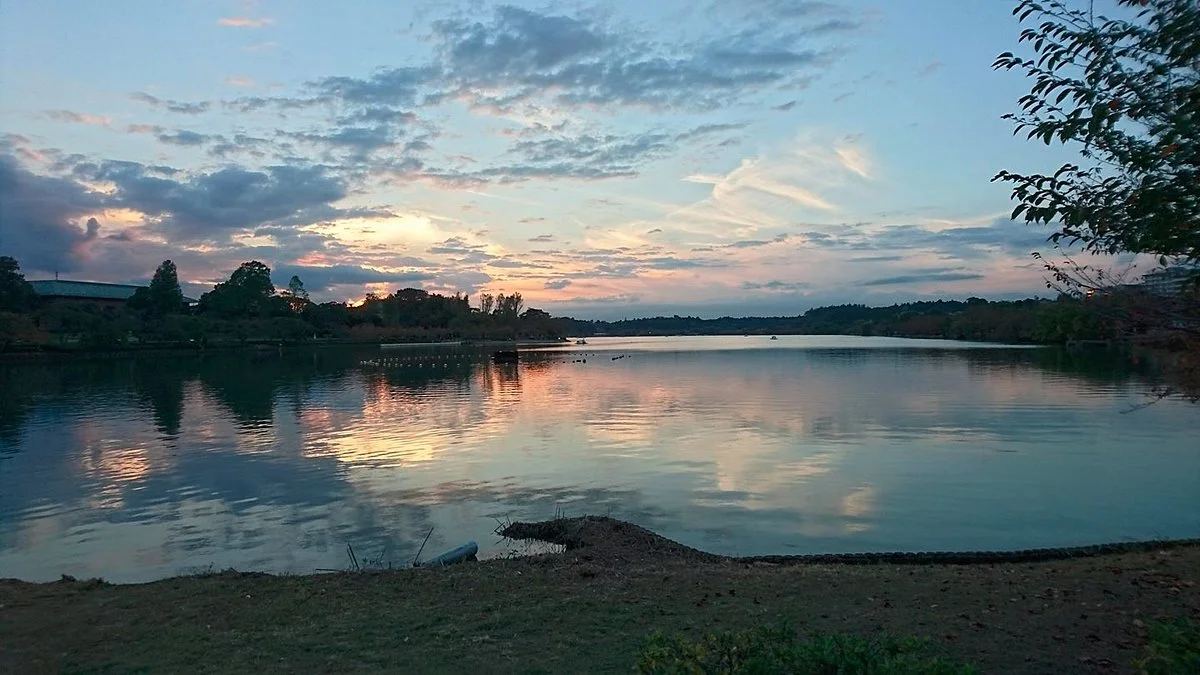
The principal tourist attraction, Kairakuen, is an easy half-hour walk from Mito station's South Exit. Just walk to the river (Sakuragawa), take a right and stay on the right bank, and keep going along the north (righthand) shore of the lake. In April, you'll walk by cherry blossoms the whole way. The waterfowl will also provide some amusement.
By far the best way to get around the areas near the station is by bicycle. Mito sits next to the Naka River, which meanders from the not too distant hills to the even closer coast. Atop of the levee banks are excellent bike paths which, acting as bike freeways, offer leisurely rides with great views of the rice farms on the river plain, as well as a way to get to most destinations while avoiding the hassles of traffic. If travelling a fair distance from the station and into surrounding areas, traffic is manageable. Car rental is available at several outlets near the station.
When Tokugawa Ieyasu reunited Japan in 1603 and established the Tokugawa Shogunate, with its headquarters at Edo (now Tokyo), he installed members of his own Tokugawa clan as rulers of Mito and only two other domains, present-day Nagoya and Wakayama. These three cadet lines (known as Gosanke) were eligible to supply an heir in case any ruling shogun failed to produce one. They were thus among the most loyal of the Tokugawa loyalists. However, the Mito School of fiercely chauvinist Confucian scholars also helped to redefine the Japanese nation in a way that provided the ideological foundation for enhancing imperial power during the Meiji Restoration and its aftermath.