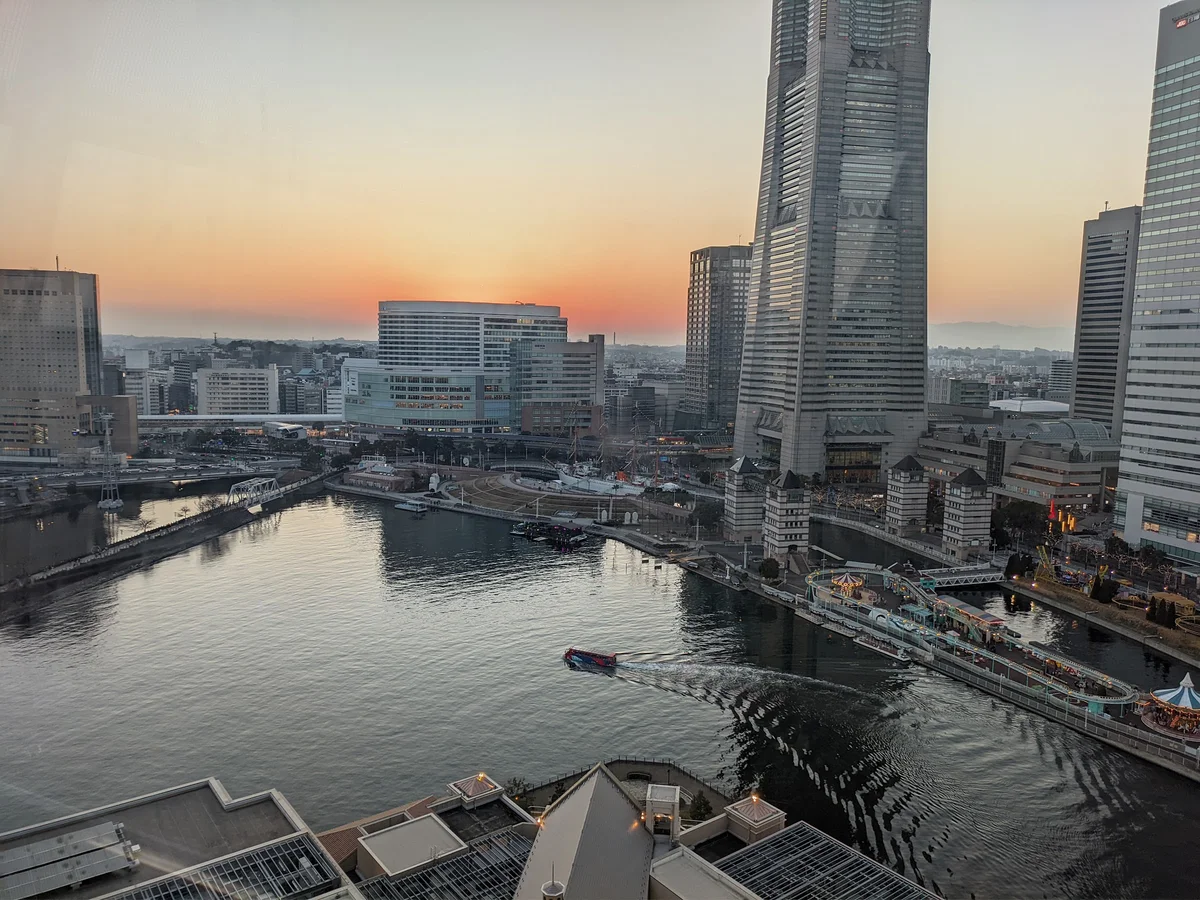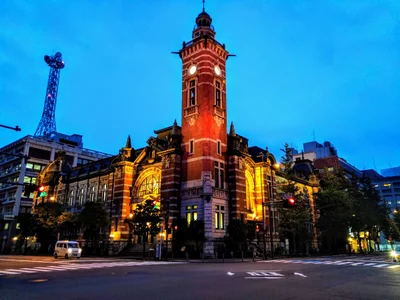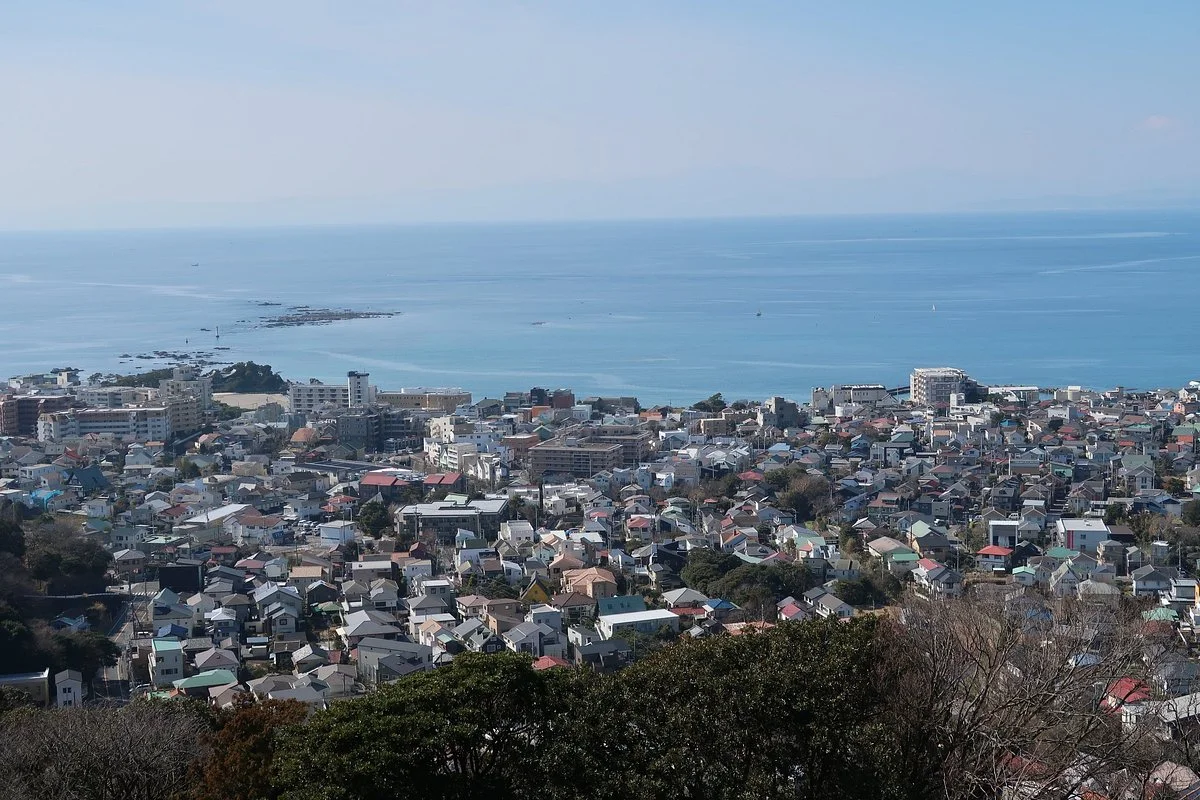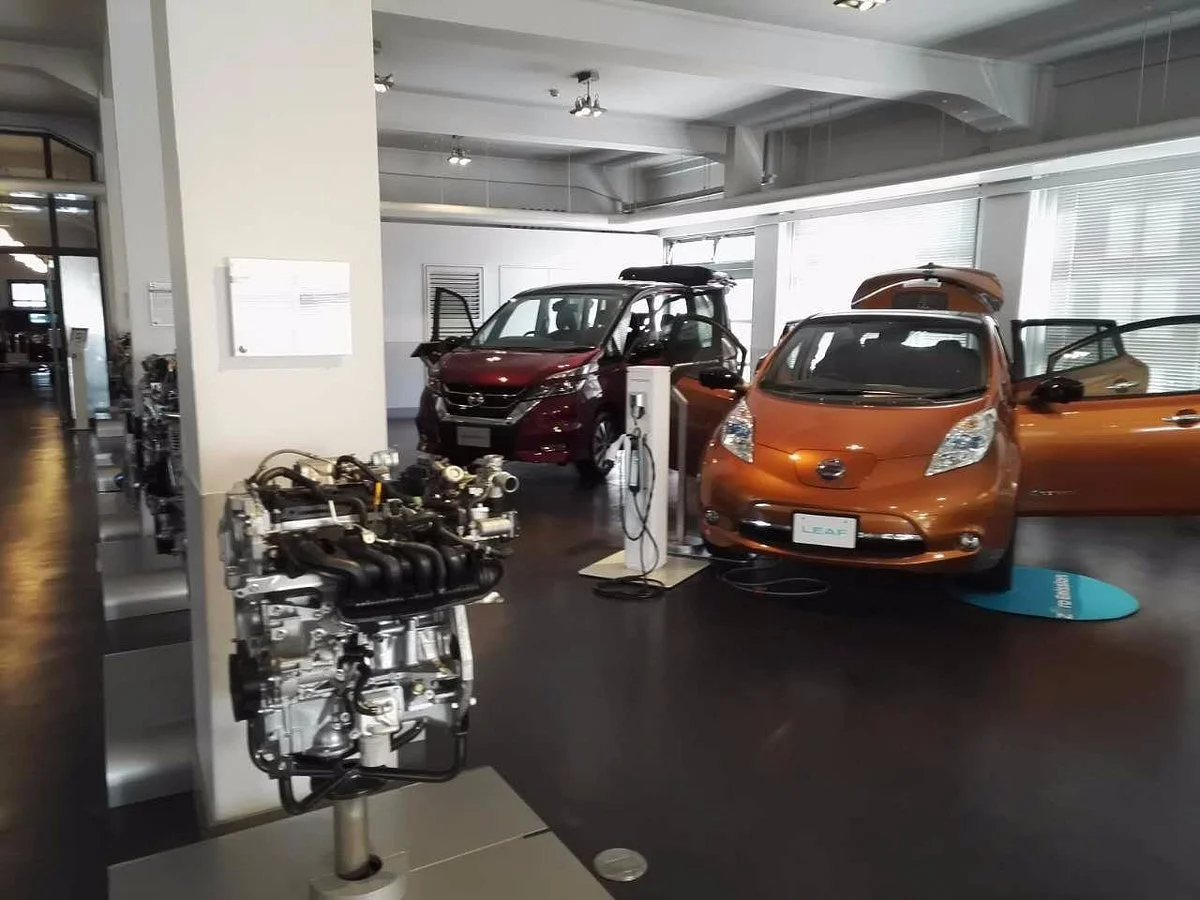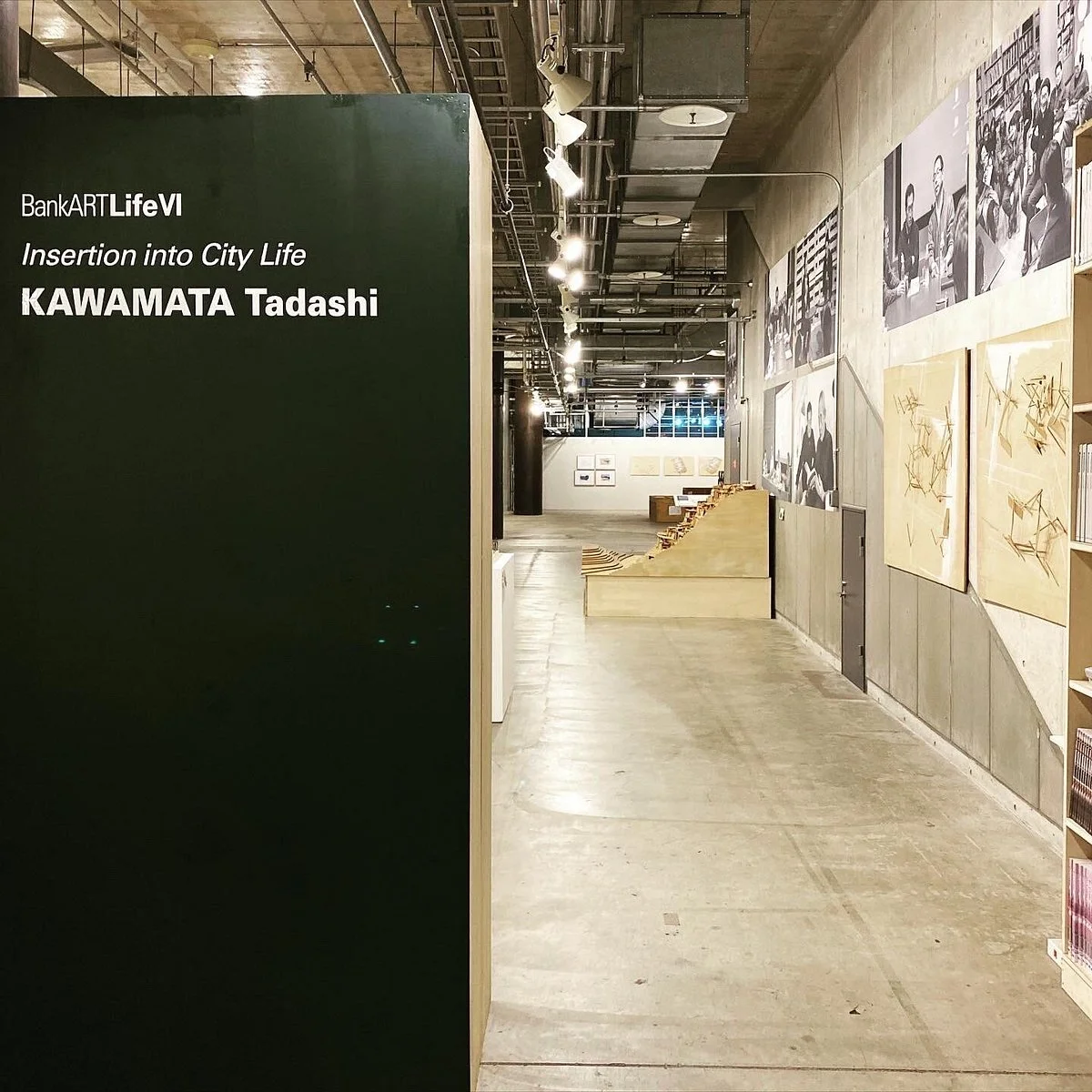
Yokohama (Japanese: 横浜, pronounced [jokohama] ) is the second-largest city in Japan by population and by area, and the country's most populous municipality. It is the capital city and the most populous city in Kanagawa Prefecture, with a 2020 population of 3.8 million. It lies on Tokyo Bay, south of Tokyo, in the Kantō region of the main island of Honshu. Yokohama is also the major economic, cultural, and commercial hub of the Greater Tokyo Area along the Keihin Industrial Zone.
Yokohama was one of the cities to open for trade with the West following the 1859 end of the policy of seclusion and has since been known as a cosmopolitan port city, after Kobe opened in 1853. Yokohama is the home of many Japan's firsts in the Meiji period, including the first foreign trading port and Chinatown (1859), European-style sport venues (1860s), English-language newspaper (1861), confectionery and beer manufacturing (1865), daily newspaper (1870), gas-powered street lamps (1870s), railway station (1872), and power plant (1882). Yokohama developed rapidly as Japan's prominent port city following the end of Japan's relative isolation in the mid-19th century and is today one of its major ports along with Kobe, Osaka, Nagoya, Fukuoka, Tokyo and Chiba.
Yokohama is the largest port city and high tech industrial hub in the Greater Tokyo Area and the Kantō region. The city proper is headquarters to companies such as Isuzu, Nissan, JVCKenwood, Keikyu, Koei Tecmo, Sotetsu, Salesforce Japan and Bank of Yokohama. Famous landmarks in Yokohama include Minato Mirai 21, Nippon Maru Memorial Park, Yokohama Chinatown, Motomachi Shopping Street, Yokohama Marine Tower, Yamashita Park, and Ōsanbashi Pier.
=
Yokohama Station Area (横浜駅前)
Other (その他)
Yokohama is half an hour away from Tokyo, and effectively forms a part of the giant conurbation.
Yokohama is not a very automobile-friendly place, especially for foreigners. Public transit and walking works best. The Naka Ward office provides a map of Yokohama in English.
First a fishing village, Yokohama developed into a bustling port city following the establishment of foreign trade after the opening of Japan in 1854. It was the site where Commodore Matthew Perry landed and signed the Kanagawa Treaty ending over 200 years of isolationalism by the Tokugawa Shogunate. At the forefront of the Meiji restoration, the first train line in Japan connected Tokyo and Yokohama. However, Yokohama was devastated by the Great Kanto Earthquake of 1923 and again by the firebombings of World War II, and never really regained its prominence. It remains a maritime city to this day and retains an international flavor.