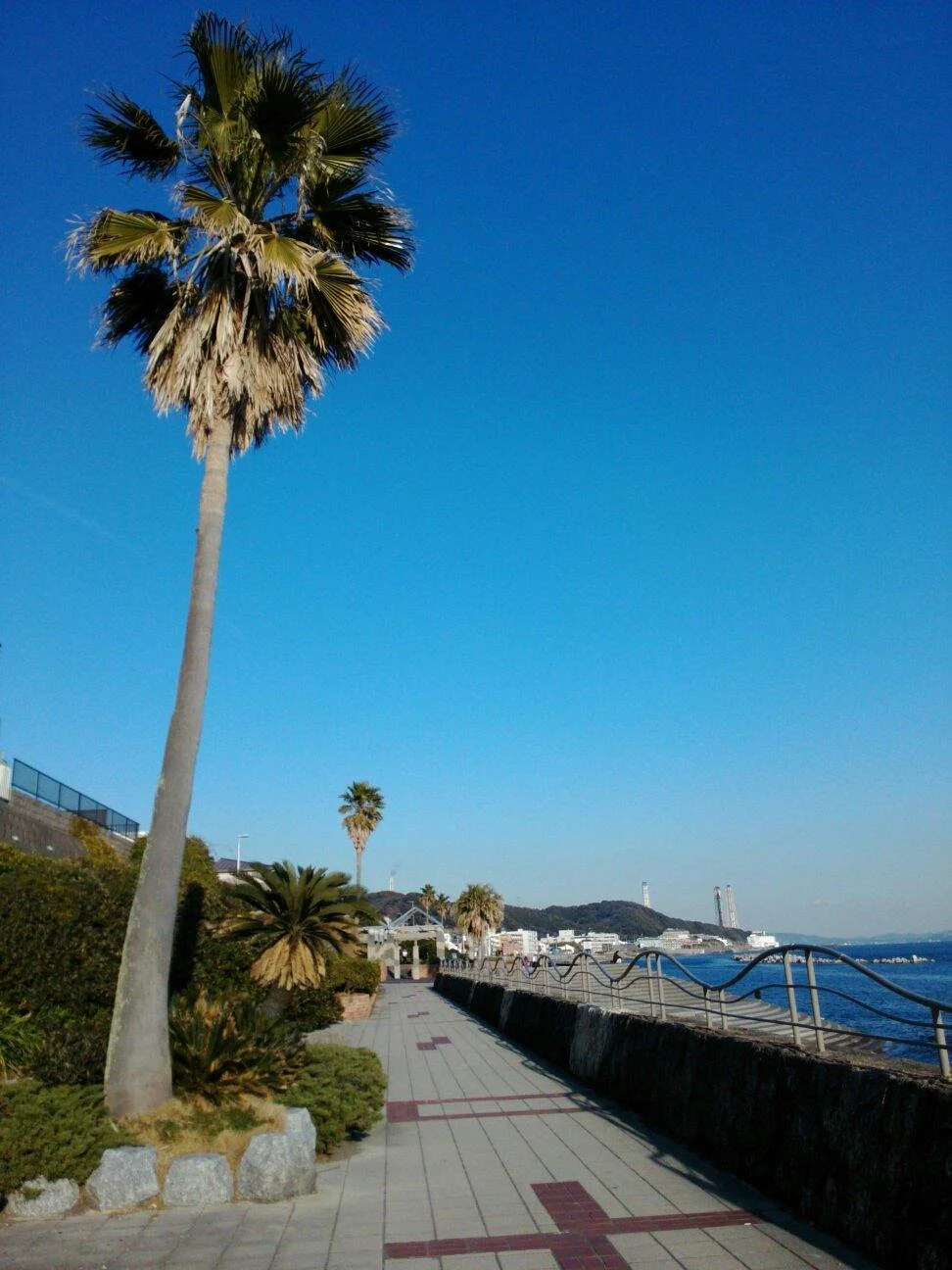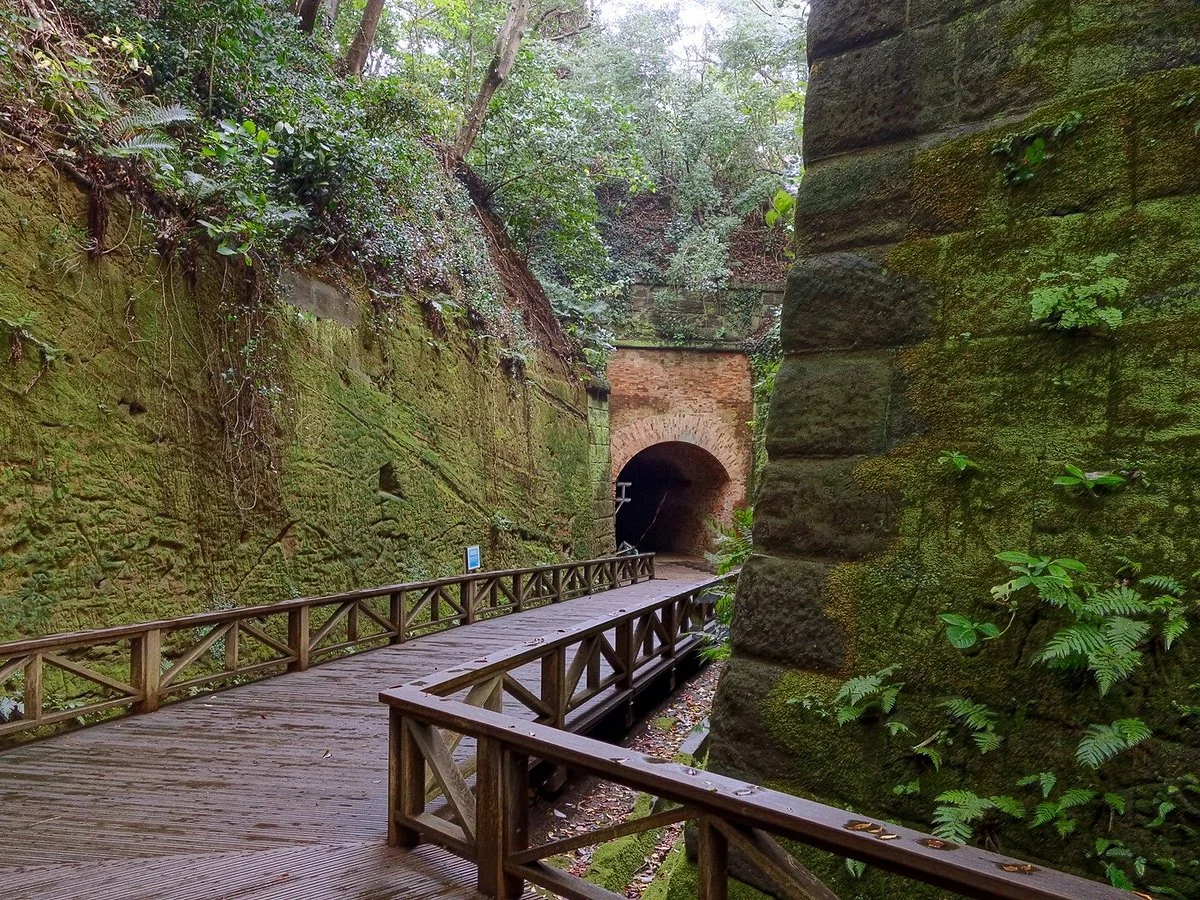
Yokosuka (横須賀市, Yokosuka-shi) is a city in Kanagawa Prefecture, Japan.
As of February 2024, the city has a population of 373,797, and a population density of 3,708 inhabitants per square kilometre (9,600/sq mi). The total area is 100.7 km2 (38.9 sq mi). Yokosuka is the 11th most populous city in the Greater Tokyo Area, and the 12th in the Kantō region. The city is host to United States Fleet Activities Yokosuka.
Yokosuka claims to be the place of origin of the quintessentially Japanese dish curry rice, and it seems everywhere you turn there's a sign for "Navy curry" (海軍カレー kaigun karee). It's not idle boasting though as the dish is believed to have been introduced in the late 19th century by British sailors who regularly ate the easily preserved meal.
Many restaurants feature the "Yokosuka burger", based on an American Navy recipe.
Food "halls" (similar to a grocery store) are under the Saikaya department store, the More's City shopping plaza, and the Avenue 580 shopping arcade. Saikaya and More also feature floors of restaurants, as does the Daiei Shopper's Plaza on the waterfront near Shiori Station.
Yokosuka's best-known bar district is known as The Honch, a half-block from the CFAY Naval Base Main Gate and a popular haunt of American sailors. The Honch encompasses parts of Honcho 1-chome, 2-chome and 3-chome and runs parallel to Route 16 from Chūō-o-dori ("Blue Street" in sailor slang, due to the blue composition asphalt) and all the way to Shiori-eki; basically covering the entire commercial district between Yokosuka Chūō and Shioiri stations.
The Honch is home to dozens of different bars, eateries and nightclubs. These establishments range from traditional Japanese-style bars to American-oriented hang-outs that cater primarily to American sailors. Additionally, there are several "buy-me-a-drink" bars located in the area, typically staffed by Filipina women. There are also a number of "Japanese only" bars in the area.
= Buses run often and until about 23:30; they are very safe, clean and modern; many bus routes go either to and/or from train stations to connect the transportation network. They cost ¥170-300 on average.
At train stations, there will be a master bus map in front of bus stops showing the different routes with bus numbers. This bus number will only stop at one of several bus stops in front of the station or near the station. Each stop has a large sign that lists all the buses and schedules for that stop.
Along the road, bus stops are usually spaced out several blocks apart and are denoted by a white round sign or 4-sided square sign, sometimes lit. Bus drivers are very conscientious to look and stop for passengers waiting. The bus stops will be announced along the route and show on an electronic display. Passengers push the "stop" button located at every seat to indicate their stop.
Get on at the door halfway down the bus and get off at the front door. It's easiest to pay with Pasmo/Suica contactless smart cards, but if using cash, take the small-white ticket from the dispenser as you enter, paying the amount displayed on the price screen which corresponds to the number on your ticket. Place the white ticket and change in the same slot on top of machine next to driver). Buses will make change for ¥1000 notes and ¥100 coins. Bus drivers will often help you make the change.
Yokosuka has long played a part in Japan's naval history. Commodore Matthew Perry's landing in the area in the 1850s initiated the country's modernization, and today it is the site of a major naval facility used by the United States and Japanese forces. During World War II, it was spared the heavy bombing which was the fate of many other Japanese cities, as the US military had already chosen it as a post-war base location.
The city's famous foods are Kaigun (Navy) curry and a radish called Miura daikon. Yokosuka is also the home city of former Prime Minister Junichiro Koizumi.